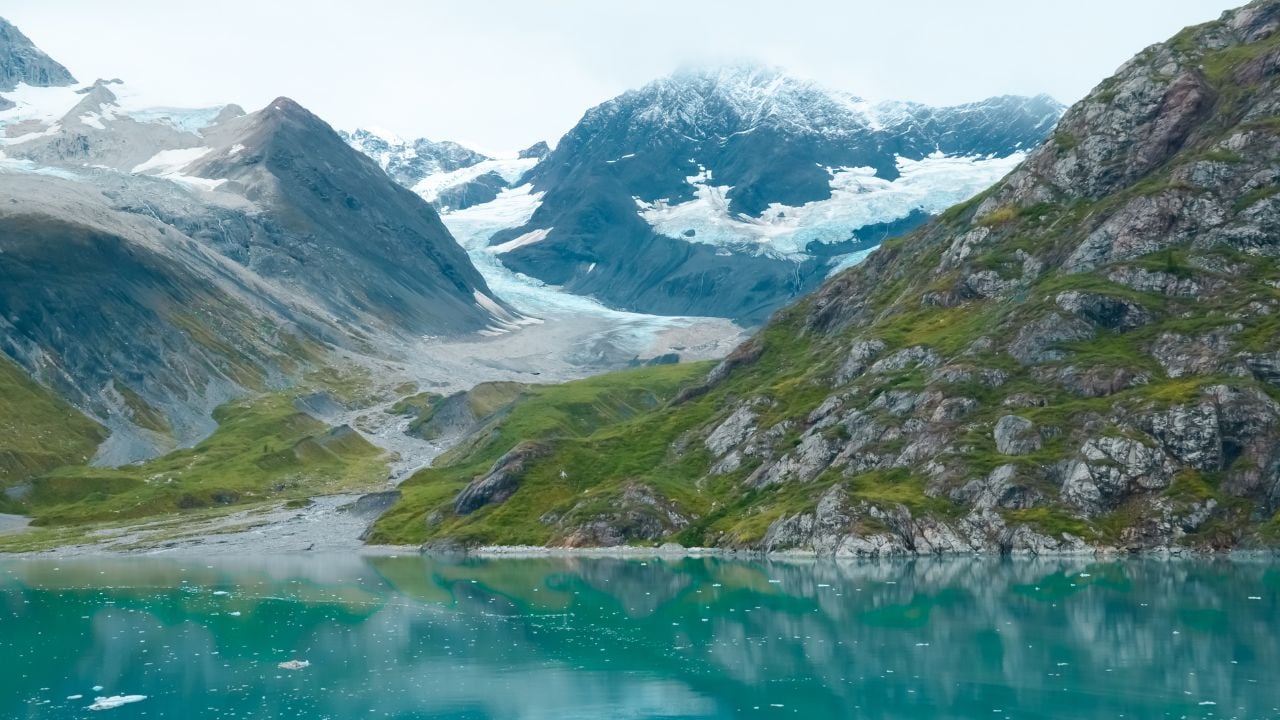
Alaska has always sold a certain kind of freedom: the idea that you can still find a country so big and so empty that the map feels unfinished. What has changed is the size of the audience. Alaska Travel Industry Association data says 3.08 million visitors came to the state in the May 2024 to April 2025 period, with 58% arriving as cruise visitors, while the National Park Service says tourism to Alaska rose 63% from 2014 to 2024 and recreation visits to Alaska park units climbed 29% over the same span.
Even so, the deepest backcountry is not suddenly operating on Yellowstone numbers. The 2025 NPS annual visitation tables show Kobuk Valley at 7,786 recreation visits, Gates of the Arctic at 14,923, Lake Clark at 19,778, and Katmai at 34,479. Those are tiny totals by national park standards, which is why the real question is not whether Alaska’s remotest landscapes will become conventionally crowded. It is whether a relatively small increase at the wrong beaches, river corridors, bear-viewing platforms, and landing zones can start to change the feel of the place.
1. The Tourism Surge Is Real, but It Reaches the Bush in Uneven Ways
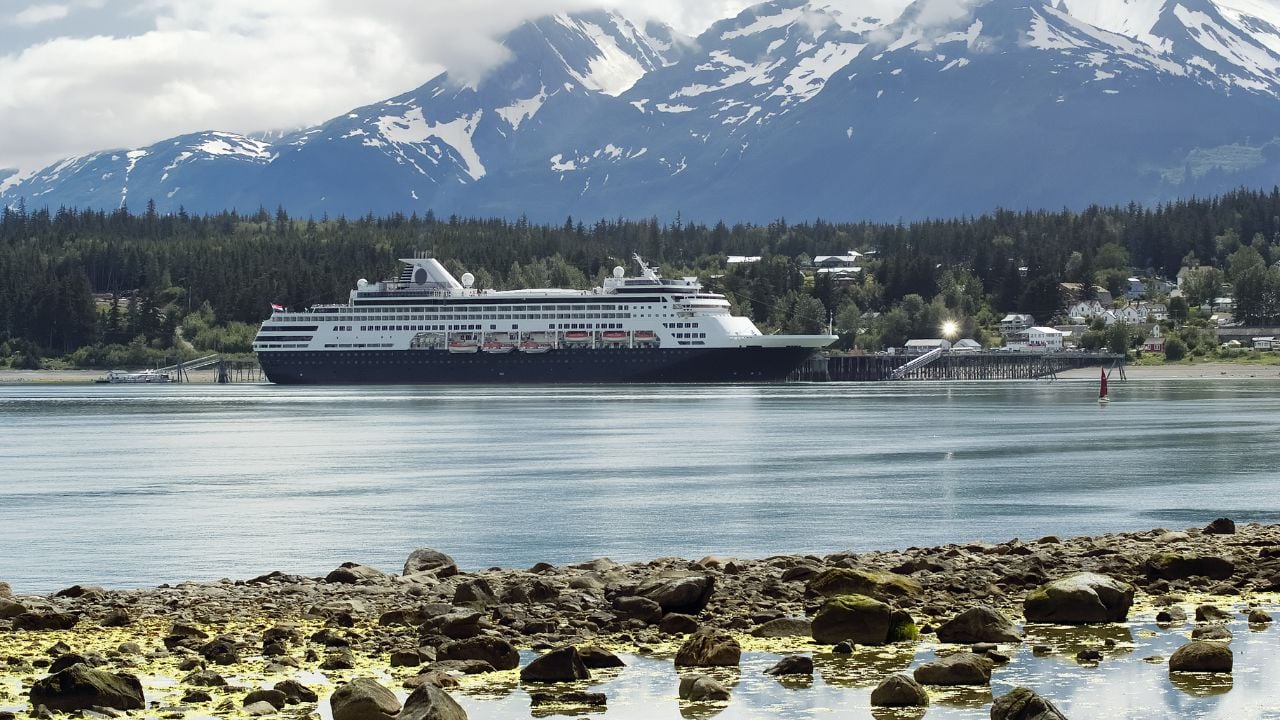
The statewide growth story is not hard to document. Alaska’s summer 2024 visitor volume reached 2.70 million, up 2.1% from the prior summer, and 66% of those arrivals came by cruise ship. The Park Service also says warmer temperatures, more cruise ports, port improvements, and a longer cruise season are expected to keep pushing visitation higher. That matters even for places far from the dock, because broader Alaska demand eventually spills outward into fly-in lodges, air taxis, guided wildlife viewing, and backcountry wish lists.
Still, remoteness remains a serious filter. Lake Clark is not on the road system, and travel takes place primarily by small plane. Katmai cannot be reached by road from Anchorage, King Salmon, or Brooks Camp. Gates of the Arctic has no roads, no trails, no established campsites, and no set routes across 8.4 million acres. Growth does not arrive here in a long stream of private vehicles. It arrives through expensive logistics, limited aircraft seats, and a small number of highly desired sites that absorb a large share of the attention.
2. Gates of the Arctic Still Sets the Standard for True Wilderness
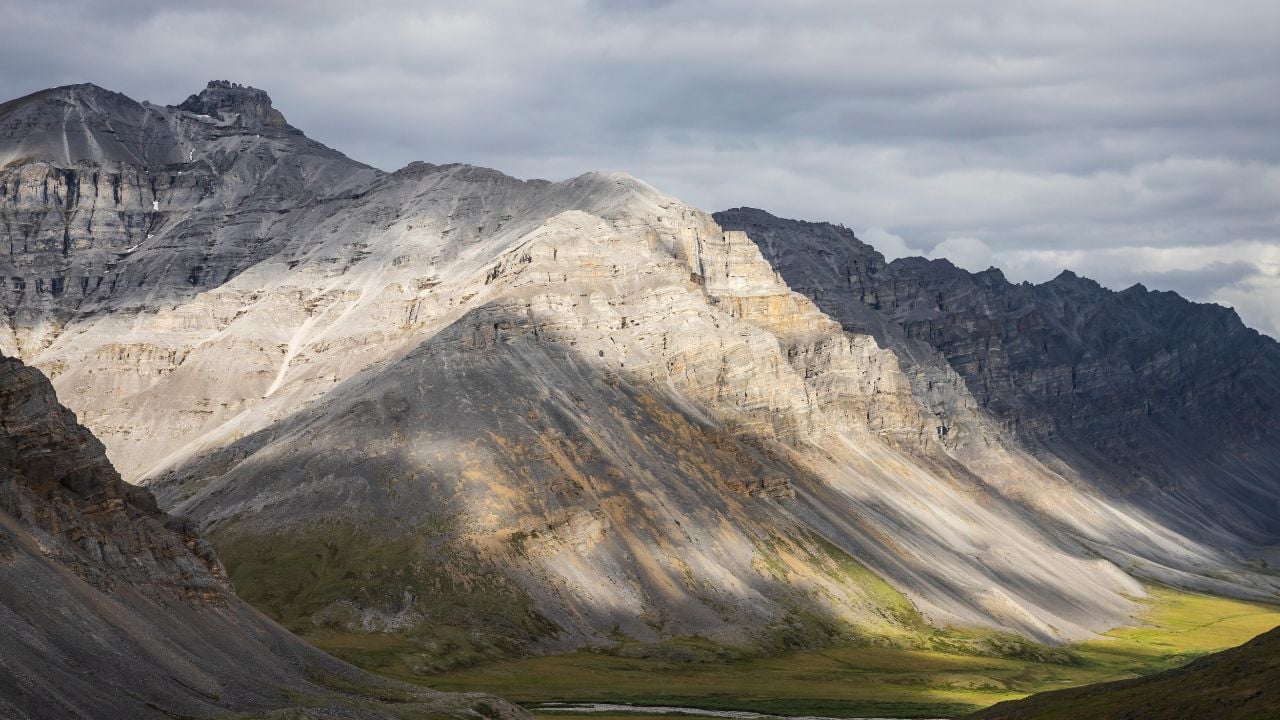
If one place shows how Alaska keeps its rough edges, it is Gates of the Arctic. The Park Service describes it as a vast, essentially untouched wilderness with no roads, no trails, no established campsites, no set routes, and only limited means of communication that work inside the park. Cell phones do not work there, and visitors are expected to be proficient in outdoor survival skills. Even with statewide travel growth, the park still logged only 14,923 recreation visits in 2025.
That kind of place does not stay intact by accident. Its protection comes partly from law and stewardship but also from friction: price, distance, weather, risk, and the need for self-reliance. People can still go, which matters, but the place has not been softened to meet mass expectations. In practical terms, Gates stays close to its original character because the experience is built around absence. No pavement, no casual drop-in, no easy rescue, and very little modern mediation between the traveler and the land.
3. Katmai Shows What Happens When a Remote Place Becomes Famous
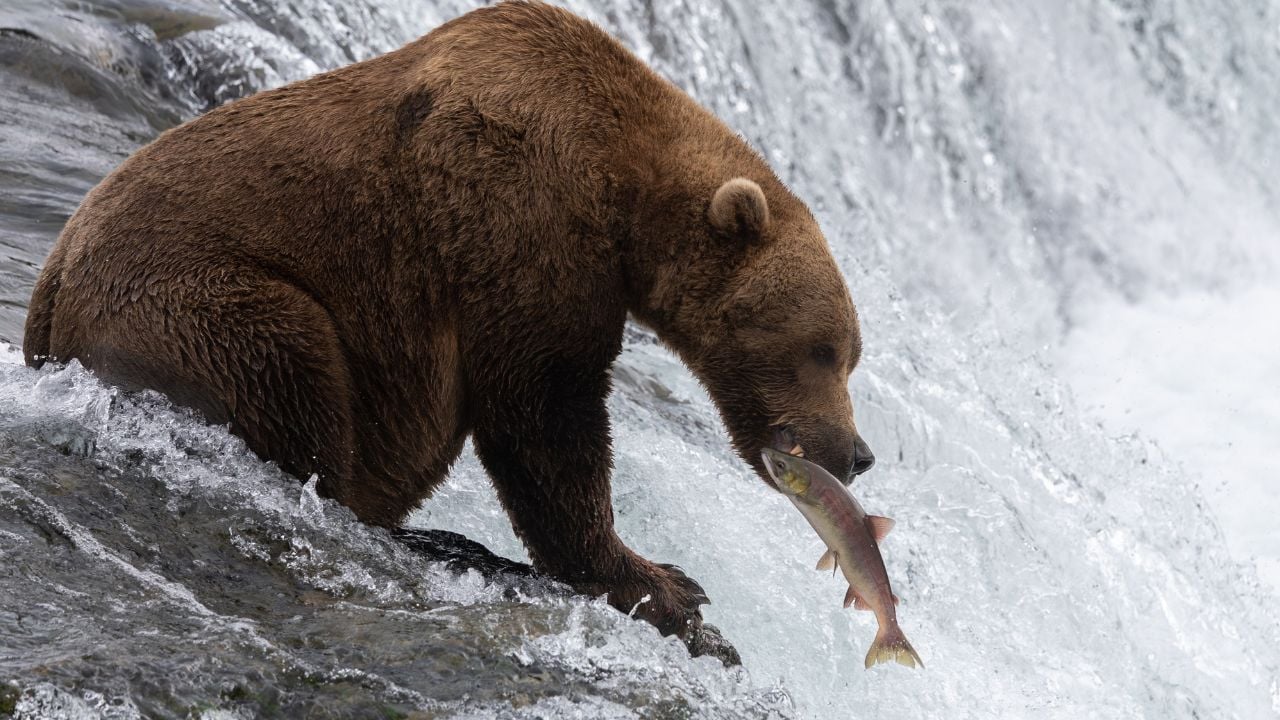
Katmai offers a different lesson. Brooks Camp now draws visitors from around the world to watch brown bears fish at Brooks Falls, and the Park Service says a 2023 survey found visitation there more than doubled after live webcams were installed in 2012. Most visitors surveyed said the webcams and their attachment to specific bears were major reasons they decided to visit. In July, as many as 25 bears can be seen fishing at Brooks Falls at the same time, which helps explain why the place has become one of Alaska’s most recognizable wildlife stages.
The response has not been to turn Brooks into a theme park. It has been to manage scarcity much more directly. All visitors to Brooks Camp must begin their stay with a bear safety talk. A permit is required for activities within the Brooks River Corridor from June 15 through October 31. The Falls viewing platform is tightly managed because bears and people are sharing the same corridor, and the Brooks Camp campground accommodates 60 people, with campers limited to seven nights in July. That is what preservation looks like once a once-obscure place becomes globally recognizable.
4. Lake Clark May Be the Clearest Warning Sign
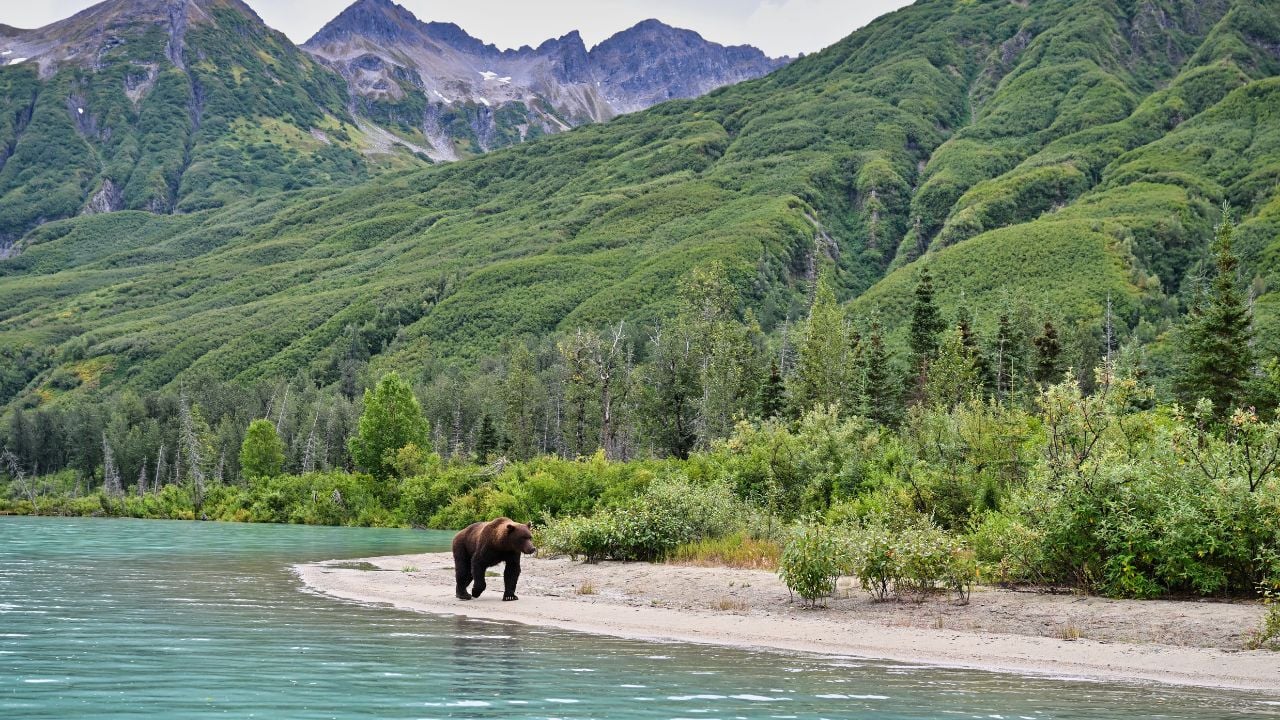
Lake Clark has the same logistical barrier, but it also shows how quickly pressure can gather around a few coveted coastal sites. The park is off the road system and is reached primarily by small aircraft. The National Park Service launched a coastal management planning process to improve visitor experiences at key coastal sites while protecting resources and responding to changing conditions. That wording alone tells you the demand is no longer hypothetical.
The reasons for the planning effort are even more revealing. Park managers said the plan was needed because of a large increase in coastal visitors, potential human-bear conflicts, inadequate visitor facilities, limited aviation guidelines, and a limited Park Service presence on the coast. A later NPS decision record adds more texture: visitation at Silver Salmon Creek rose from around 700 annual visitors in 2009 to 3,000 in 2022, with visitation increasing across the park but especially along the coast. A place does not need traffic jams to lose some of its magic. A few more landings, more repeated beach use, and more pressure at the same bear-viewing pinch points can do plenty.
5. Yes, They Can Stay Untamed, but Only if Limits Remain Part of the Bargain
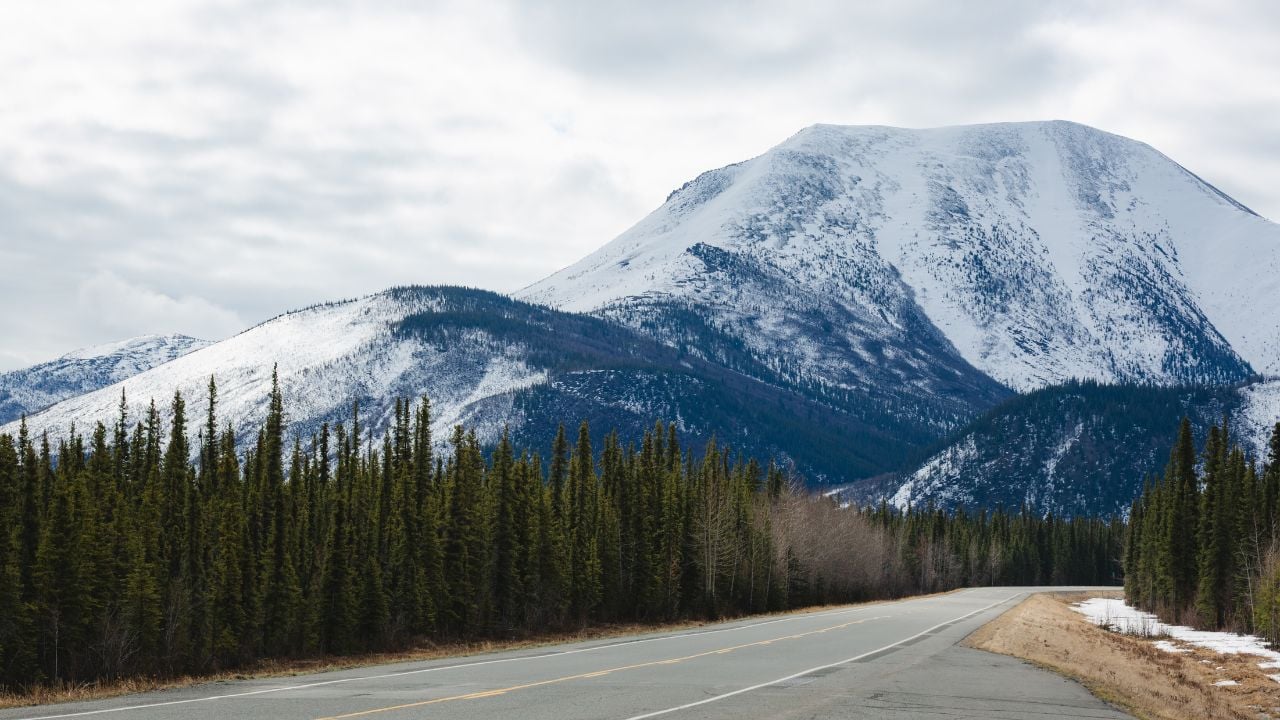
Alaska does have structural advantages that most famous destinations can only envy. The Park Service says more than 90% of its land in Alaska has some wilderness protection, and 33 million acres of congressionally designated wilderness in Alaska parks account for about 30% of the nation’s wilderness. It defines wilderness character as maintaining natural ecosystems, keeping management actions to a minimum, and holding the influence of the modern world at bay. Those are not decorative ideals. They are management targets.
So the answer is yes, but only if Alaska and the Park Service resist the easy temptation to treat every surge in interest as a cue for more throughput. Brooks already shows that required orientations, permits, campground limits, and platform controls can preserve both wildlife behavior and visitor experience. Lake Clark shows planning has to begin before the coast feels overrun, not after. Alaska’s remotest parks can stay extraordinary, though only if the future keeps rewarding restraint as much as demand.