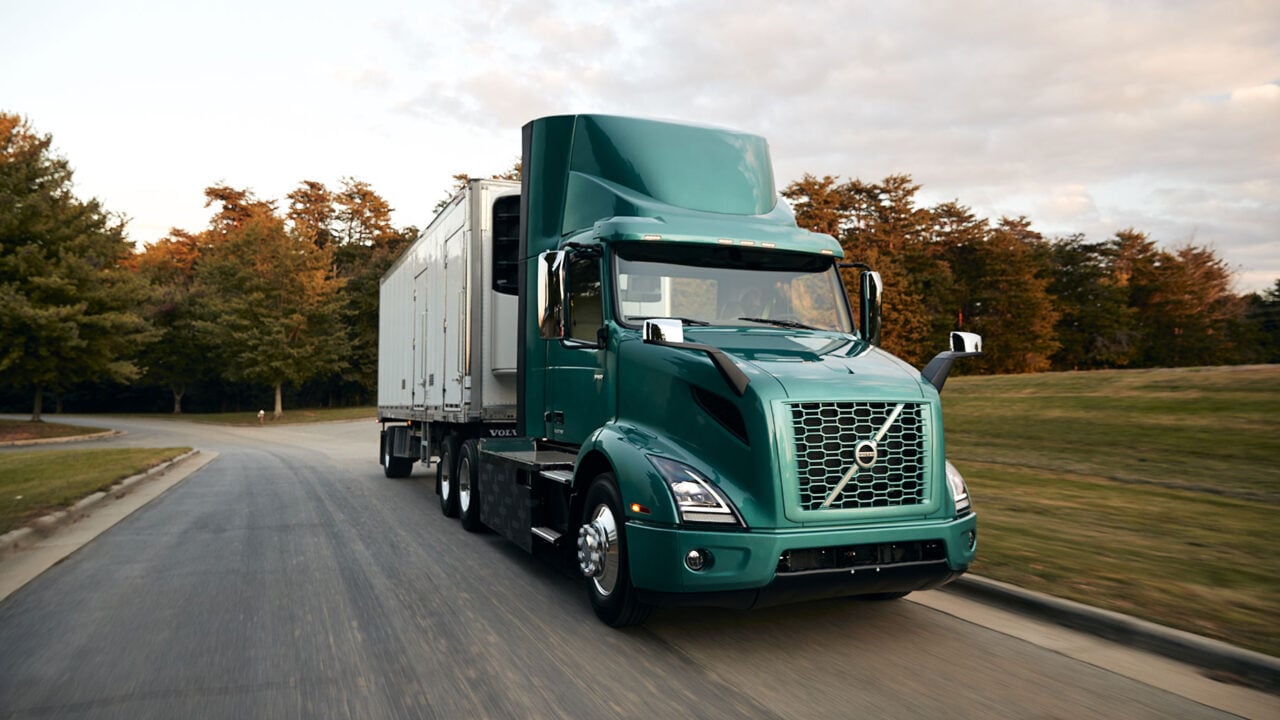
Volvo Group has agreed to a massive $197 million settlement with California regulators over allegations that thousands of its heavy-duty diesel truck engines exceeded state emissions limits. The agreement closes a lengthy investigation involving more than 10,000 heavy-duty engines sold between the 2010 and 2016 model years.
The case centers on claims from the California Air Resources Board, better known as CARB, that Volvo failed to properly disclose auxiliary emission control devices used in its heavy-duty engines. Regulators allege those undisclosed systems resulted in emissions that surpassed California’s strict environmental standards.
While the settlement is substantial, the tone surrounding the agreement is notably different from some of the automotive industry’s larger emissions scandals. CARB said Volvo cooperated fully throughout the investigation and acted transparently while working to improve the affected emissions systems.
Volvo, meanwhile, continues to deny wrongdoing. The company says the settlement does not include any admission of liability, and an internal review allegedly found no evidence of bad faith or intentional misconduct.
The Settlement Covers More Than Fines
The financial breakdown of the settlement is extensive. Volvo Group will pay $13 million in direct civil penalties while contributing another $71 million to California’s Air Pollution Control Fund.
The company also agreed to spend $108 million on emissions-reduction projects throughout California. In addition, Volvo will reimburse roughly $5 million to cover CARB’s investigative costs.
As part of the agreement, Volvo must also provide software updates and partial warranty extensions for approximately 7,200 engines operating in California.
The automaker says the financial impact will hit quickly. Volvo plans to record the full $197 million charge during its second-quarter operating results, although the actual cash outflows will be spread across several years.
According to the company, about $89 million of the financial impact will occur during the current quarter, with the remaining costs distributed over the next five years.
Not Volvo Cars — Volvo Trucks
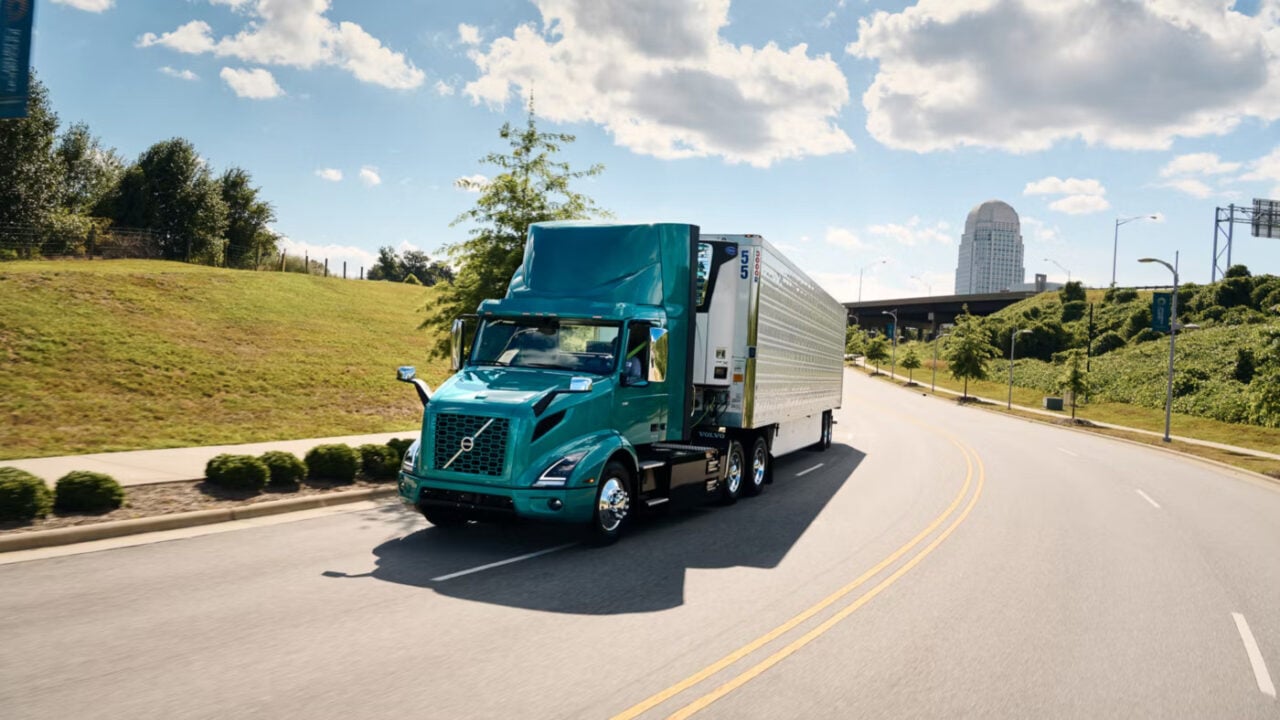
One important distinction is that this case does not involve Volvo Cars, the passenger vehicle company now owned by China’s Geely Holding Group. Instead, the settlement targets Volvo Group, the separate commercial vehicle manufacturer responsible for Volvo Trucks and Mack Trucks.
That distinction is important because Volvo Group remains one of the largest heavy-duty truck manufacturers in the world. The company’s commercial truck operations have a massive presence across global freight, logistics, and construction industries.
In North America, Volvo’s trucking footprint runs especially deep through both Volvo Trucks and Mack Trucks. The company has spent decades building its position in the U.S. heavy-duty market through acquisitions and partnerships, including historical ties to White Trucks, Autocar, and GM’s heavy truck operations.
Heavy-duty diesel trucks also face significantly tougher emissions scrutiny than passenger vehicles because of their large contribution to nitrogen oxide and particulate emissions.
Diesel Emissions Scrutiny Isn’t Going Away
Although Volkswagen’s Dieselgate scandal remains the most infamous emissions controversy in automotive history, Volvo’s settlement is another reminder that regulators continue to closely monitor diesel emissions compliance across the industry.
California, in particular, has become one of the toughest regulatory environments in the world for heavy-duty diesel manufacturers. CARB has aggressively tightened emissions rules for commercial trucks while also pushing manufacturers toward electrification and zero-emissions freight transportation.
Volvo Trucks itself has already begun investing heavily in electric commercial vehicles. The company currently sells battery-electric trucks in several markets and has positioned electrification as a major part of its long-term strategy.
That creates an interesting contrast. On one side, Volvo is investing billions into cleaner transportation technologies. On the other, it is now paying nearly $200 million to settle allegations involving older diesel emissions systems.
A Costly Reminder For The Entire Industry
Importantly, CARB acknowledged that Volvo cooperated with investigators and worked in good faith during the process. That language stands in stark contrast to some past emissions cases where regulators accused automakers of deliberate deception.
Still, a settlement of this size remains a major financial and reputational blow. Even without admitting liability, Volvo now joins a growing list of manufacturers forced to spend heavily on emissions-related investigations and corrective actions.
The case also highlights how difficult emissions compliance has become for global manufacturers operating across dozens of markets with constantly evolving regulations. Heavy-duty trucks must meet different standards depending on region, country, and even individual states like California.
For Volvo, the settlement closes one chapter of a costly regulatory battle. Whether it also helps the company move past the issue without further fallout remains to be seen.