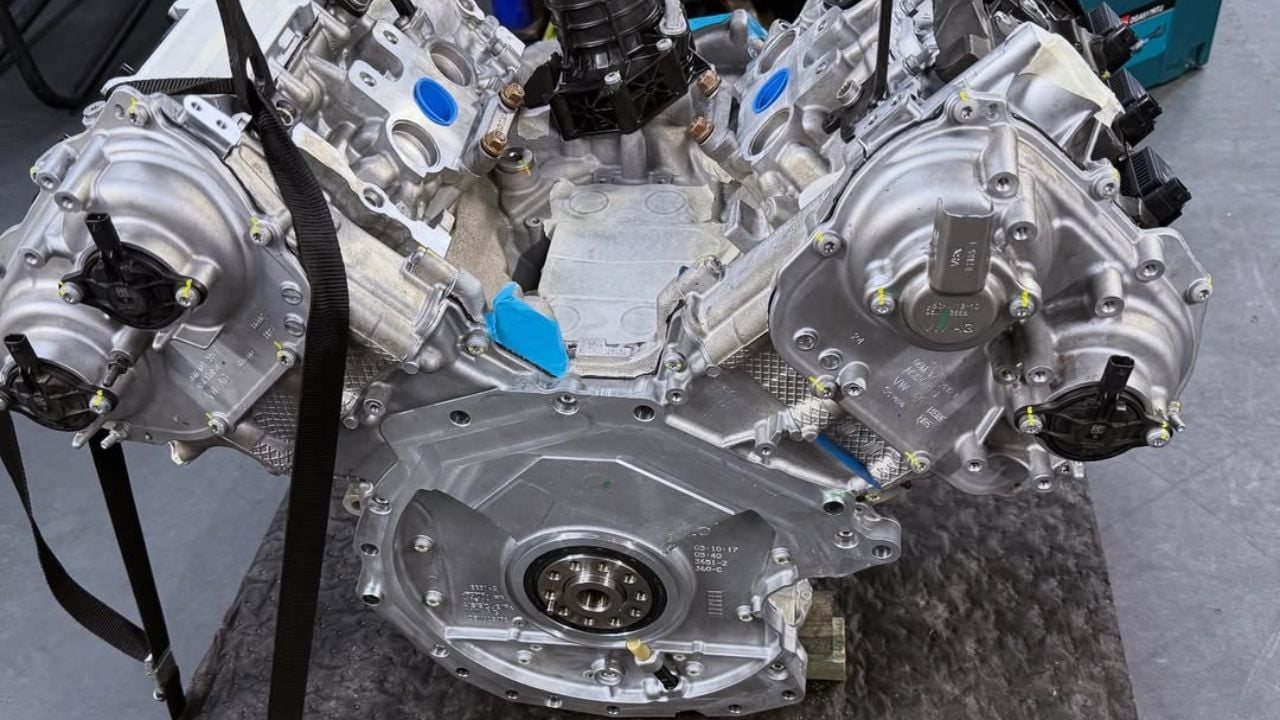

For years, Audi sold the EA839 twin turbocharged V6 as one of the jewels of its modern performance lineup. The engine powered everything from understated executive sedans to high performance RS models, blending refinement, strong torque delivery, and the kind of engineering sophistication buyers expected from the Volkswagen Group’s premium brand.
Now that same engine family has become the focus of a sweeping class action lawsuit in the United States. Plaintiffs claim Audi knowingly sold vehicles with defective water pumps that could trigger cascading engine damage long after factory warranties expired.
The lawsuit, filed in the U.S. District Court for the District of New Jersey, targets dozens of Audi models produced between 2018 and 2024. According to the complaint, the alleged defect affects the 2.9 liter and 3.0-liter EA839 V6 engines found across much of Audi’s American lineup, including the A4, A5, A6, A7, A8, Q7, Q8, SQ5, S6, S7, and RS 5.
The filing adds Audi to a growing list of automakers facing legal scrutiny over increasingly complex cooling systems in modern turbocharged engines. As emissions standards tightened and manufacturers pushed for more efficiency and power, engine designs became more thermally demanding, placing greater stress on water pumps, coolant pathways, and auxiliary systems.
The Alleged Defect and Why Owners Are Furious
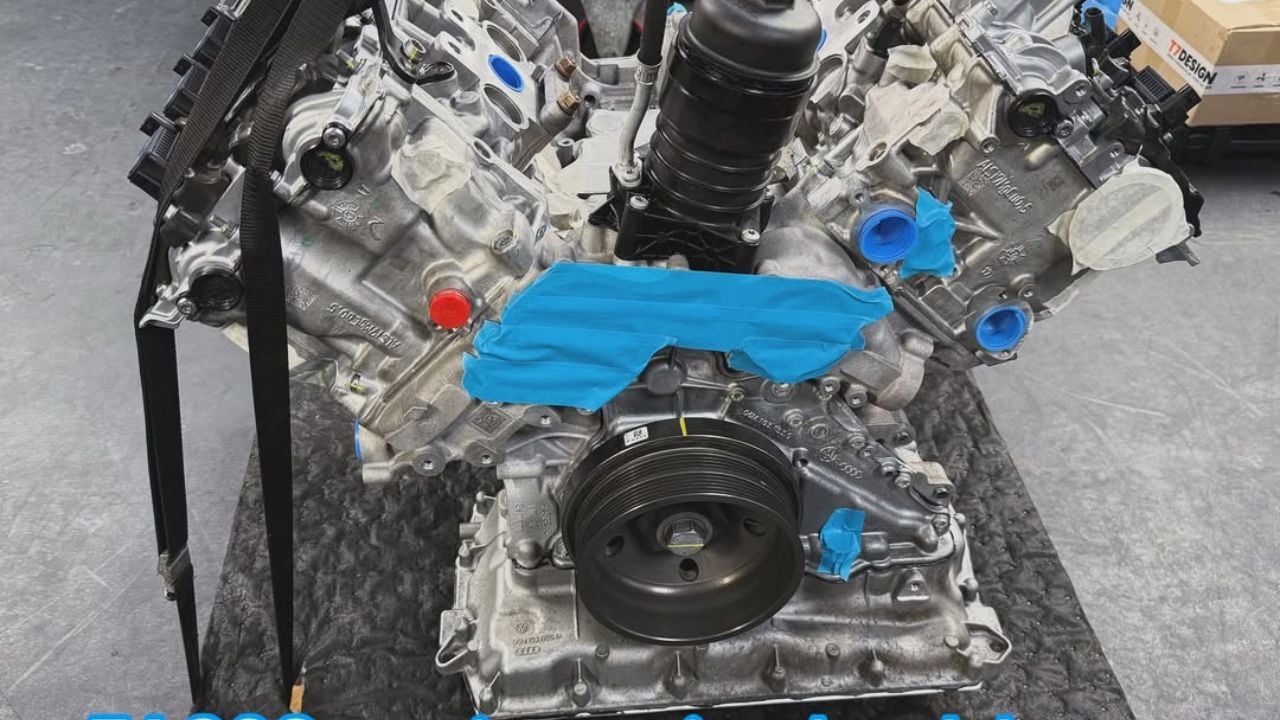
According to the lawsuit first highlighted by Road & Track, the issue stems from internal water pump leaks that allegedly allow coolant to seep into surrounding systems not designed to handle fluid contamination. Plaintiffs argue this can lead to overheating, damage to vacuum systems, and even turbocharger failures.
It’s an important detail because modern Audi engines are densely packaged pieces of engineering. Components such as PCV systems, vacuum circuits, turbo plumbing, and coolant channels are integrated tightly together to maximize efficiency and packaging space. When coolant enters the wrong areas, repair bills can climb dramatically because technicians often have to dismantle large sections of the engine assembly.
The complaint alleges Audi knew about the problem as early as November 2018 but failed to warn consumers or redesign the affected components. Plaintiffs claim many owners only discover the defect after dashboard coolant warnings appear or drivability issues surface, often after warranty coverage has expired.
For luxury vehicle owners, the frustration is not only financial. Audi markets itself as a premium engineering brand, and buyers paying more than $60,000 for vehicles like the Audi SQ5 or Audi A6 typically expect durability that matches the badge prestige.
A Familiar Pattern in the German Luxury Segment

The allegations echo a broader industry pattern that has shadowed German luxury automakers for more than a decade. BMW, Mercedes-Benz, Porsche, and Audi have all faced criticism over cooling system components made from heat sensitive plastics and composite materials that can degrade over time.
Earlier generations of Audi engines were already associated with water pump complaints, thermostat housing failures, and coolant leaks. Volkswagen Group vehicles equipped with four-cylinder TSI engines also faced similar owner frustrations throughout the 2010s, particularly involving plastic cooling assemblies that became brittle after years of heat cycling.
Industry analysts say modern performance engines operate under harsher thermal conditions than older naturally aspirated designs. Turbocharging creates higher combustion temperatures and tighter packaging reduces airflow around components. Automakers have compensated with sophisticated cooling systems, but the increased complexity creates more potential failure points.
That tension has become especially visible as luxury brands extend technology from flagship performance models into mainstream trims. Engines once reserved for specialty vehicles are now spread across broader product portfolios, meaning a single defect can potentially affect hundreds of thousands of vehicles globally.
Owners Detail Expensive Repairs as Legal Pressure Builds
The lawsuit centers heavily on the experiences of two plaintiffs, Doug Larr and Kaelin Crawford, whose repair bills illustrate the financial stakes involved. Larr reportedly purchased a used 2019 Audi A6 in 2021.
By March 2026, an independent mechanic allegedly discovered coolant leaking from the water pump system, requiring replacement of the pump, PCV valve, and vacuum hose assembly. Because the vehicle was no longer covered under Audi’s four year or 50,000-mile warranty, Larr reportedly paid nearly $6,000 out of pocket.
Crawford’s case followed a similar trajectory. After purchasing a new 2021 Audi SQ5, he reportedly encountered a low coolant warning in mid-2024. An Audi dealer allegedly quoted him approximately $2,800 for repairs after determining coolant was leaking around the PCV valve area.
View this post on Instagram
Audi has not publicly responded in detail to the allegations, and the claims remain unproven in court. Still, the lawsuit arrives during an important period for the brand as it attempts to strengthen its technological image through electrification, software development, and its high-profile entry into Formula One.