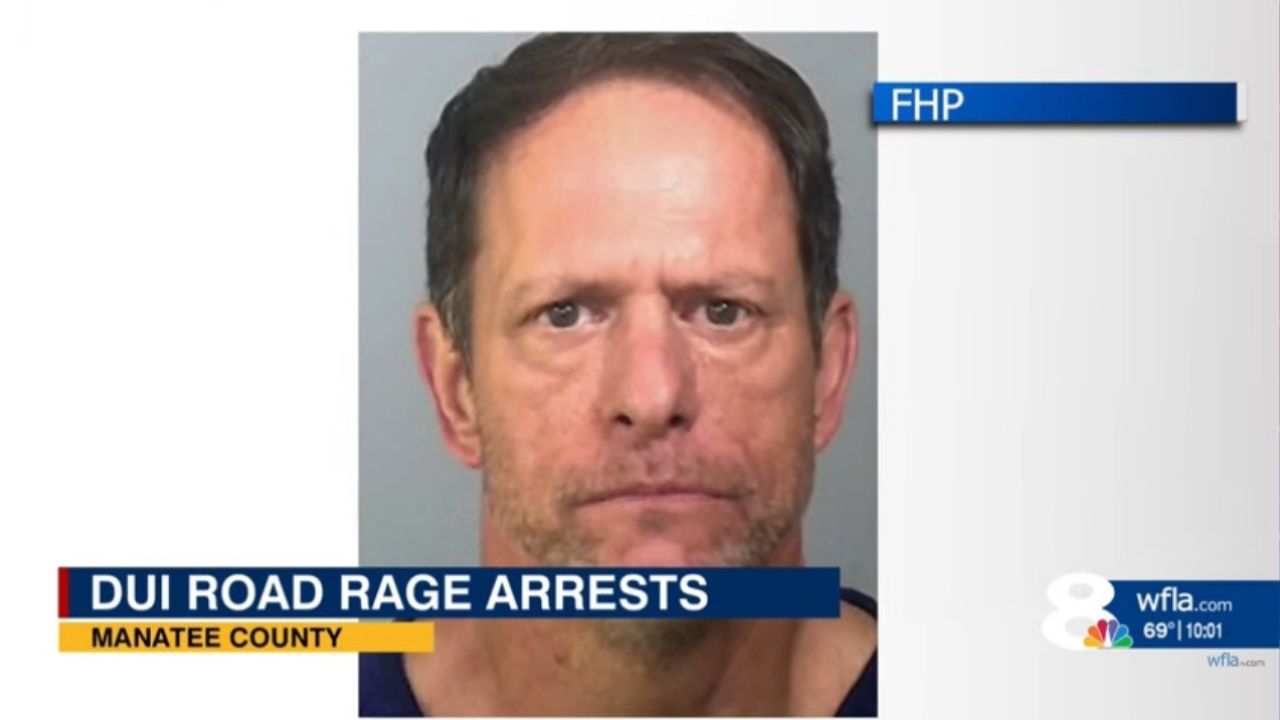

On a stretch of I-275 near the Sunshine Skyway, a chaotic traffic encounter turned into something far more unsettling than a typical crash scene. The incident, captured on bystander video, featured a collision between a Chevrolet Silverado and a Dodge Ram, followed by an armed confrontation that has sparked fresh debate about road rage, personal responsibility, and the limits of civilian intervention.
According to the Florida Highway Patrol (FHP), the sequence of events unfolded when a reportedly intoxicated driver in the Silverado sideswiped the Ram. That alone would have been enough to trigger insurance calls, traffic delays, and perhaps a citation for driving under the influence. Instead, the situation escalated into a roadside standoff that looked more like a scene from an action film.
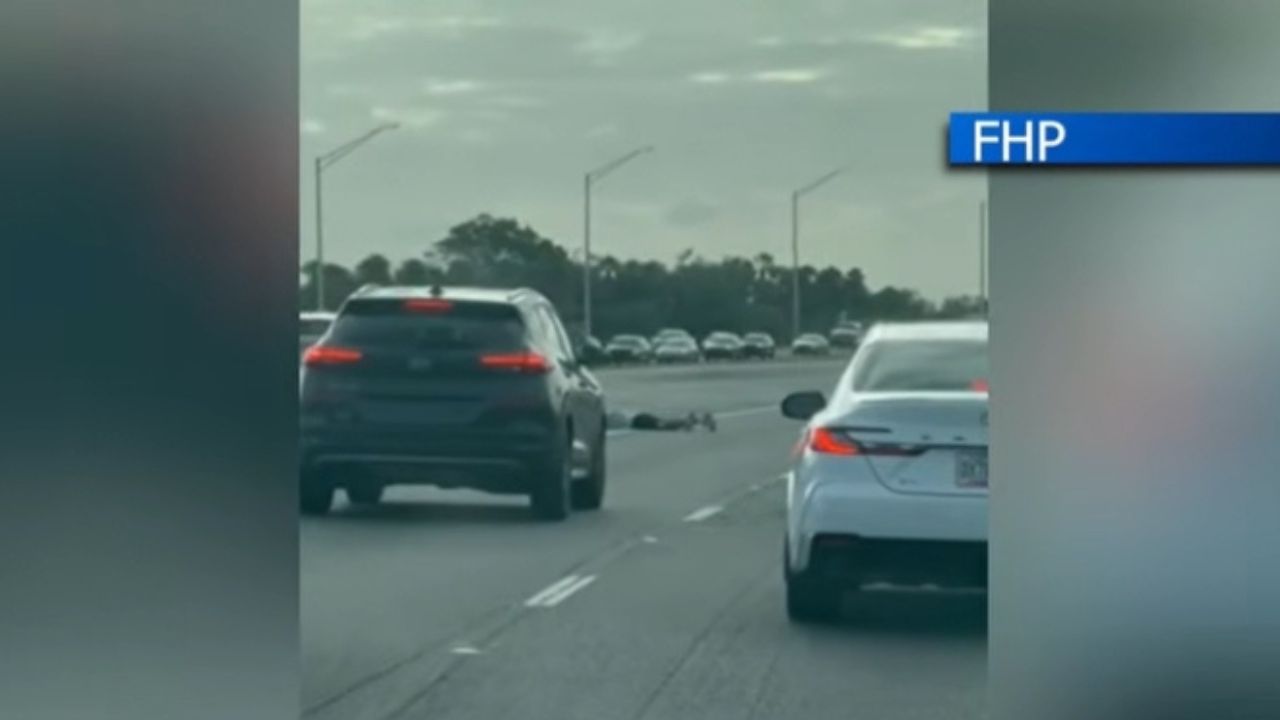
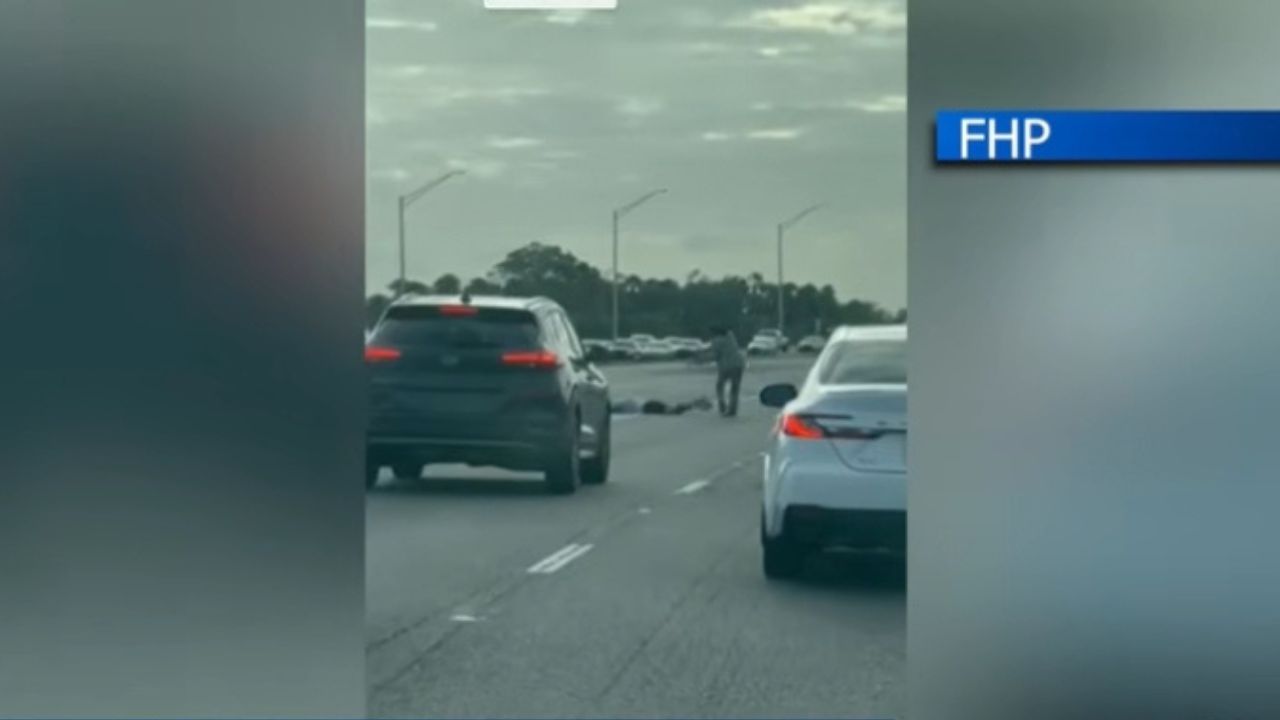
Video footage shows both vehicles coming to a stop, but any expectation of a calm exchange between drivers was short-lived. The driver of the Ram exited his vehicle armed with a handgun, ordering the Silverado driver to the ground.
In that moment, the dynamic shifted from traffic enforcement to vigilante-style confrontation. It is the kind of escalation that law enforcement officials warn can easily spiral into irreversible consequences.
Civilian Intervention Crosses into Felony Territory
Authorities later identified the armed driver as a civilian with no law enforcement training. Despite his apparent intent to detain an impaired driver, his actions crossed into felony territory. Florida Highway Patrol emphasized that brandishing a weapon in such a context constitutes aggravated assault, regardless of the other driver’s condition.
The agency’s message is that even if someone else is clearly in the wrong, taking control of the situation with a firearm introduces a level of risk that can endanger everyone nearby.
From us car people, the vehicles involved add an interesting layer to the story. Both the Silverado and the Ram are among the most popular full-size pickups in the United States. They are known for their power, durability, and strong presence on highways. Yet their size and capability also mean that any collision involving them carries significant force.
When driver behavior compounds that risk, the results can be volatile.
This incident highlights a recurring tension in modern driving culture. On one hand, there is growing frustration with reckless and impaired drivers who pose real threats on the road.
On the other hand, there is a legal and ethical boundary that civilians are expected to respect. Crossing that boundary, even with good intentions, can transform a victim into a suspect in the eyes of the law.
Cameras, Judgement, and a Shared Road
There is also a broader conversation here about how technology intersects with behavior. The fact that this entire episode was recorded by bystanders reflects the increasing role of cameras in documenting road incidents.
Dashcams, smartphones, and surveillance systems have turned everyday drivers into witnesses, sometimes even participants in shaping public perception. Yet footage alone cannot justify actions that escalate danger.
That said, the takeaway from this incident is less about horsepower and more about judgment. Vehicles like the Silverado and Ram are engineered for strength and performance, but they cannot compensate for human decision-making under stress. When emotions take over, even the most capable machine becomes part of a much larger problem.
In the end, two individuals were taken into custody. One faces charges related to driving under the influence, while the other faces a felony count tied to the use of a firearm. It is an unnatural outcome for an incident that could have remained a straightforward traffic violation.
The road is a shared space governed by rules designed to keep people safe. When those rules are ignored, whether through impairment or overreaction, the consequences tend to ripple far beyond the initial mistake. And by the way, must we settle every dispute with a gun?