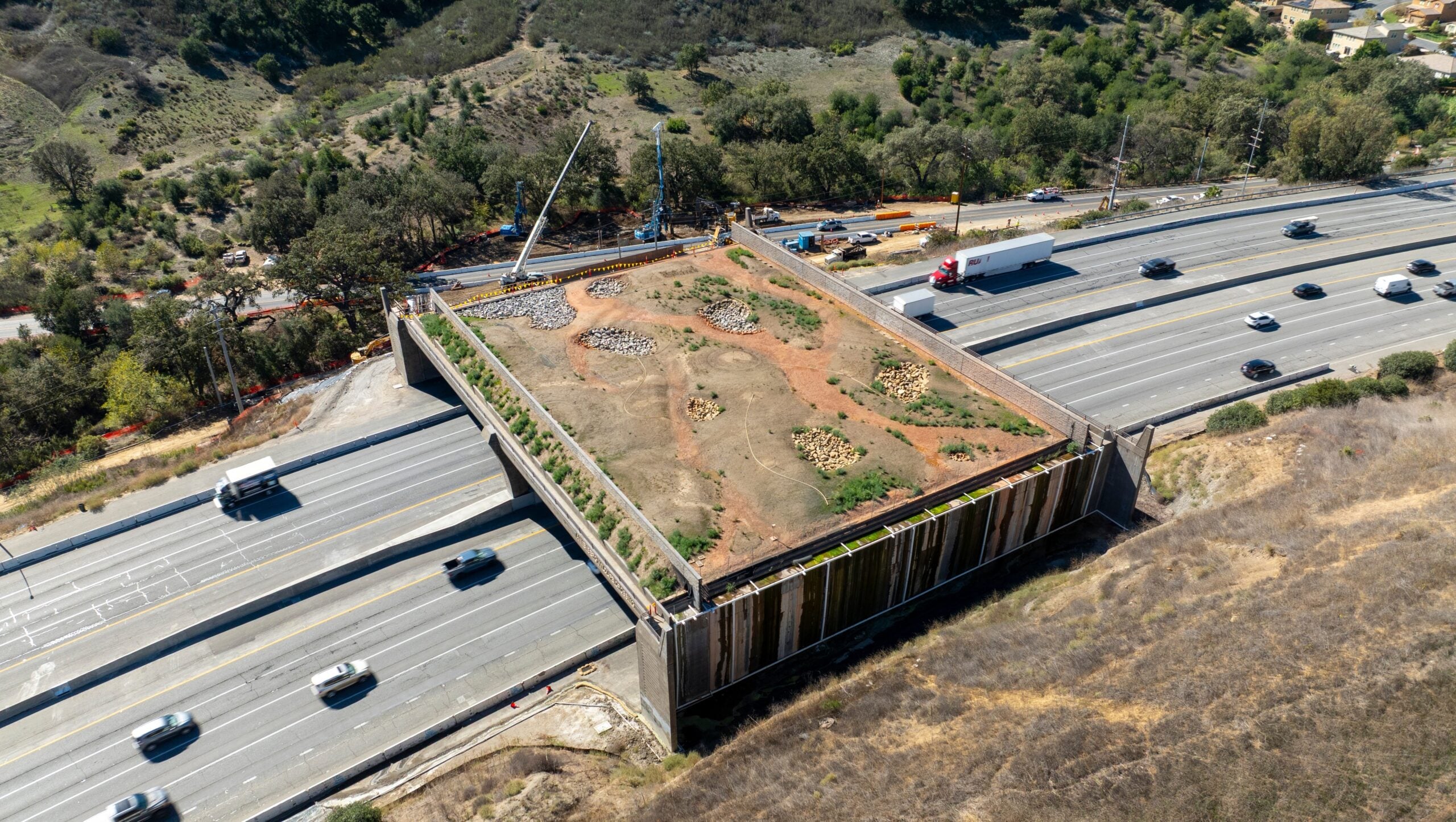
California’s most expensive wildlife crossing was always going to get attention. Now, it is getting something else too, pushback, politics, and a familiar kind of outrage.
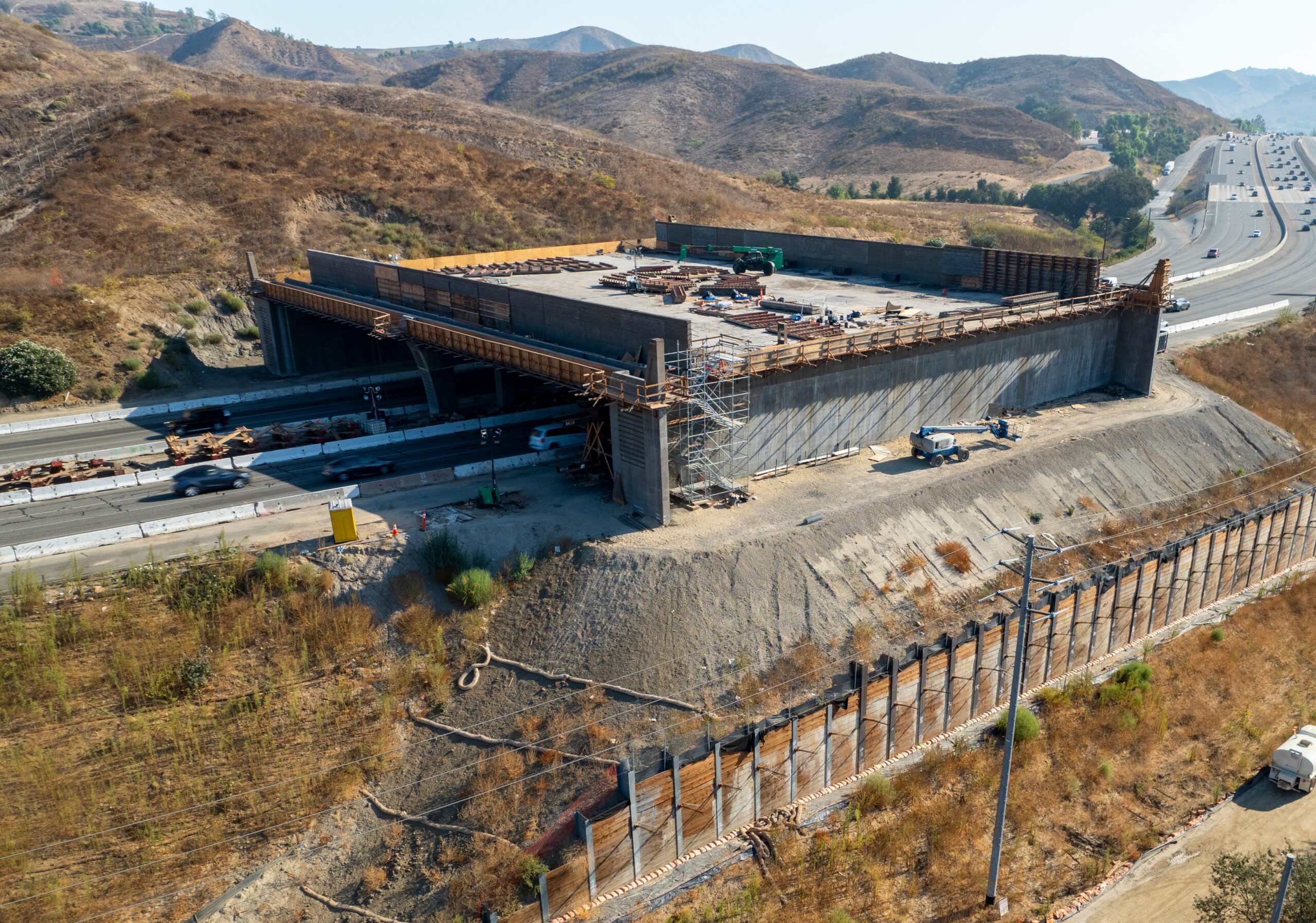
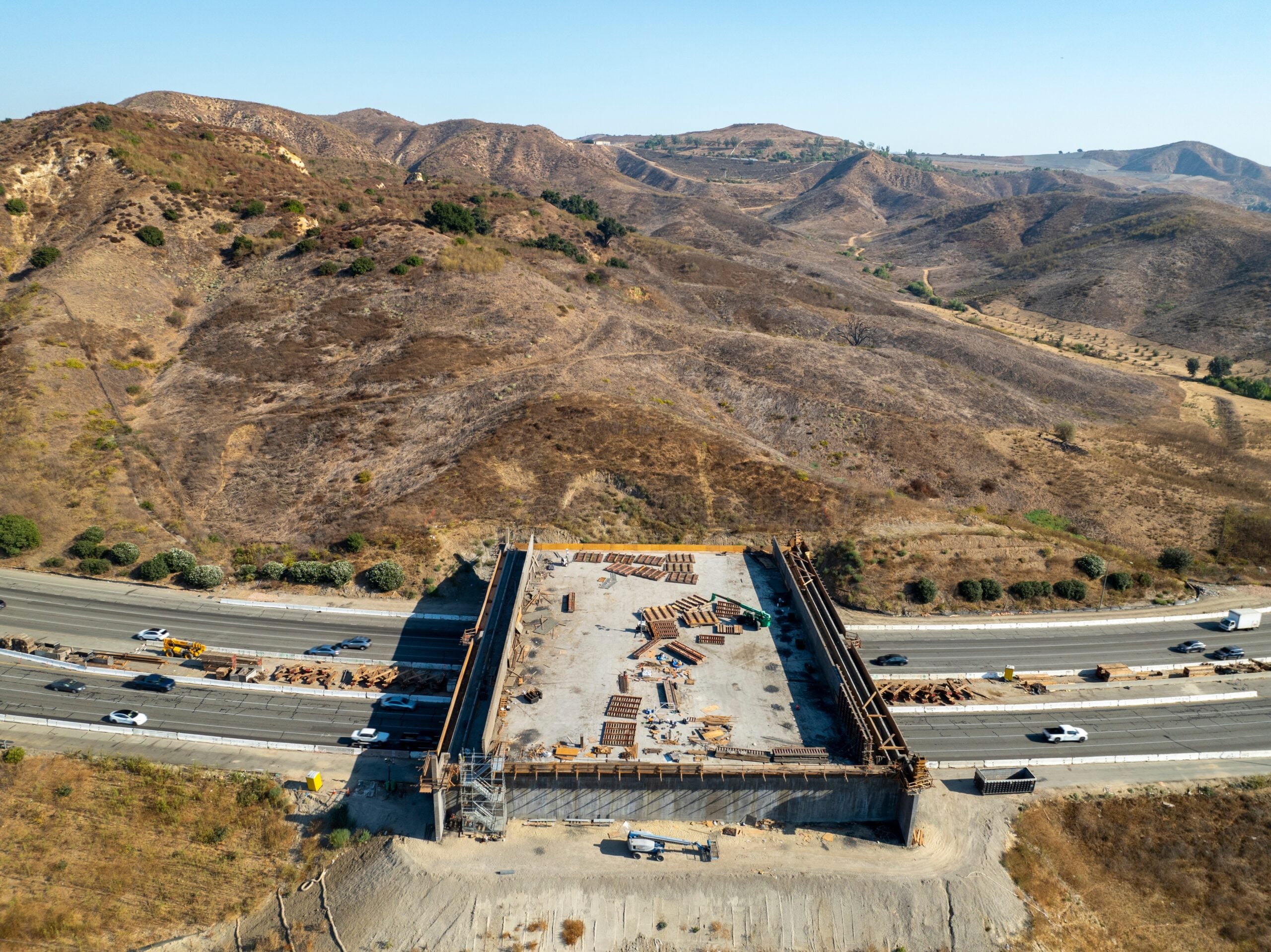
Some media outlets and politicians have already labeled the project a “bridge to nowhere,” turning what started as a conservation effort into a broader political talking point. The Wallis Annenberg Wildlife Crossing, currently under construction over the 101 Freeway in Agoura Hills, has become a case study in how quickly infrastructure projects can be drawn into the country’s broader divide.
It did not take long for this to stop being just about a bridge. It turned into something bigger, about priorities, trust, and, depending on who you ask, hypocrisy.
People are quick to call out waste, just not when it’s attached to something they support.
The Wallis Annenberg Wildlife Crossing, originally projected to cost $92 million and be completed by 2025, has now climbed to roughly $114 million, with completion pushed to at least late 2026, according to state updates and reporting. Roughly $77 million of that total is coming from public funding, with additional support from private donors, including a $25 million contribution from the Annenberg Foundation.
The project is designed to help animals like mountain lions, deer, and bobcats safely cross one of the busiest highways in the country, something conservationists say is critical for long-term survival and genetic diversity. As costs rise, the conversation around it is shifting.
Yes, Wildlife Crossings Work — That’s Not the Real Debate
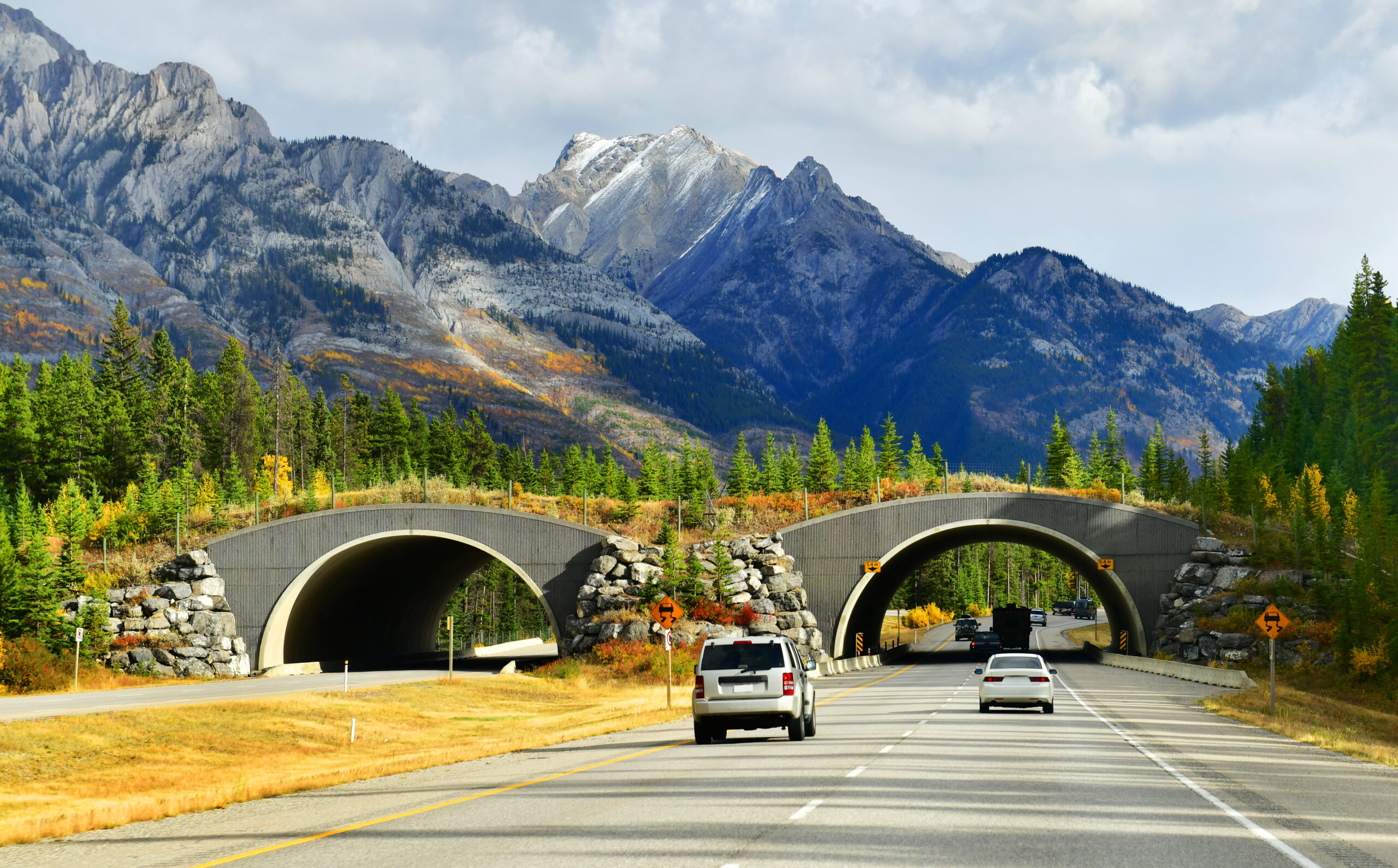
Before the politics and price tags take over, it is worth grounding this in reality. Wildlife crossings are not experimental anymore. According to research compiled by Environment America, a vertebrate animal is struck by a vehicle in the United States roughly every 11.5 seconds, adding up to between one and two million large animals killed every year.
Well-designed crossings have been shown to reduce wildlife vehicle collisions by as much as 80 to 97 percent when combined with proper fencing and placed along known migration routes. In places like Banff National Park, these structures have also improved habitat access and increased genetic diversity among isolated wildlife populations. In other words, the concept works. The real question is whether this version of it is worth the cost.
The Internet Isn’t Divided the Way You Might Expect
Online, the reaction has been less about whether the bridge should exist and more about how much it should cost, and what that says about bigger priorities. In a Reddit discussion about the project, many users actually supported the idea of wildlife crossings, even while questioning the price tag. Some framed the $21 million overrun as relatively small compared to other areas of government spending, with one user writing, “3 hours of war budget…” and another adding, “21 million over, meanwhile Pentagon is spending 90 billion in one month and 100 million on steaks.”
Others pointed out that this kind of infrastructure should have been considered from the beginning, with one commenter noting, “We built the roads without really considering them in the first place. Going forward, we should be building these things into the design from the start.” There is also a group that is openly willing to accept some inefficiency if the outcome is meaningful. “Absolutely. Figure it out and implement this everywhere we can. I’m ok with ‘wasting’ ‘some’ ‘money’ to get there,” one user wrote, while another simply added, “These are a good thing.”
At the same time, skepticism shows up just as quickly. Some users questioned whether the project has become more complex than necessary, with one writing, “Just build a concrete bridge and pour dirt on it. What is so difficult?” Others focused less on this specific project and more on a broader pattern, arguing, “These projects get delayed and over budget all the time… then when it’s done it works like a charm and everyone only has nice things to say about it,” while another added, “It’s building mountains out of mole hills to distract you from other mountains.”
There were also comparisons to other government spending priorities, with some users arguing that the outrage feels selective. “Still about a third of the White House ballroom…” one commenter joked, while another wrote, “That’s ten wasted patriot missiles… I’d rather have a bridge.” And, as expected, some comments boiled it down to simple distrust, with one user writing, “Holy corruption, Batman!” while others suggested contractor relationships or inefficiencies may be part of the story.
What This Project Really Represents
What makes this moment interesting is not that people disagree; it is how they disagree. There is broad acceptance that wildlife crossings are useful, and even many critics are not arguing against the concept itself. The tension is about execution, how complex these projects need to be, how much they should cost, and how much trust people have in the systems managing them.
One thing that stands out in the reaction is how quickly the conversation jumps levels. The wildlife crossing is largely a state project, yet many commenters immediately pivot to federal spending, wars, or the president. That disconnect is telling. It reflects a broader frustration where different layers of government start to blur together, and spending in one area becomes a stand-in for everything else. The outrage is not just about this bridge; it is about a growing sense that decisions are being made far away, with little control or visibility from the people paying for them.
The Wallis Annenberg Wildlife Crossing is still under construction, and its long-term success will ultimately be measured by whether animals use it and whether it meaningfully reduces collisions. If it works as intended, the conversation may shift quickly. If it doesn’t, the price tag will be the only thing people remember. Either way, this is no longer just a bridge for wildlife; it is a real-time test of how infrastructure, environmental priorities, and public trust intersect.
Editor’s note: Quotes have been lightly edited for clarity and readability, with minor adjustments to grammar and profanity.