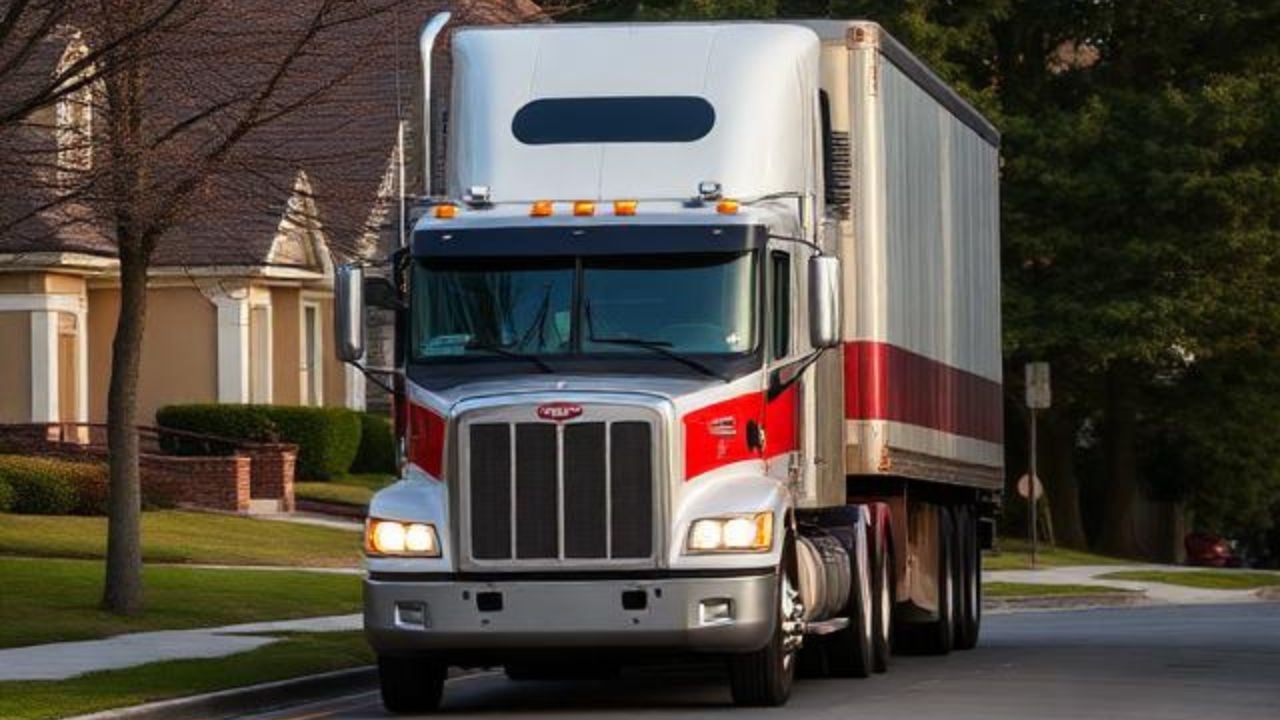

SACRAMENTO, CALIFORNIA — Starting January 1, 2026, a landmark state law will begin reshaping how big rigs move through parts of California as communities and the transportation industry brace for change. The legislation, known formally as Assembly Bill 98, is being hailed by many neighborhood advocates as a hard-won victory for residential safety and cleaner streets and criticized by some drivers and logistics stakeholders as an added regulatory burden on an already strained supply chain.
The core of AB 98 is simple in concept and wide in reach: large trucks serving freight and logistics hubs, especially in the Inland Empire and other “warehouse concentration regions,” must stick to designated truck routes that avoid residential or other sensitive areas such as schools, parks and homes.
Municipalities are required to revise their official truck route maps to comply with the state’s new standards by January 1, 2026, and to fully update local plans by January 1, 2028. Failure to meet these deadlines could trigger fines as high as $50,000 every six months.
Redirecting Trucks to Protect Neighborhoods
Proponents of the legislation point to decades of community concern about heavy vehicles cutting through side streets, shaking foundations, disrupting school zones and spewing diesel exhaust into neighborhoods. In parts of Southern California’s Inland Empire, where logistics warehouses have proliferated alongside sprawling residential areas, families have described a constant procession of 18-wheelers passing outside their windows.
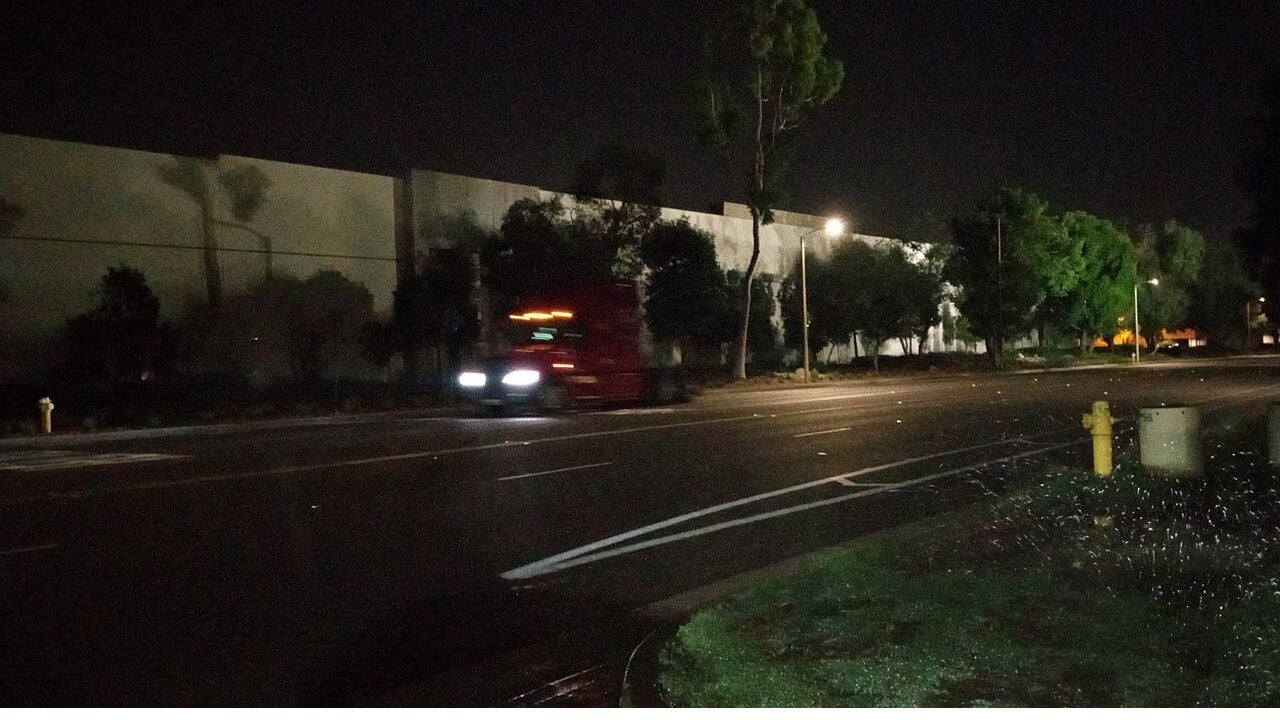
That experience helped drive support for the state’s new mandate and for public engagement on local truck route planning.
Across a series of community workshops in cities such as Redlands, planners and residents have begun mapping out how those changes might look on the ground. In Redlands, for example, officials have proposed removing long-established truck rights-of-way through quiet neighborhoods and rerouting that traffic to major arterials or newly designated commercial corridors.
The rationale is to concentrate truck movements on infrastructure designed to handle heavy loads and through-traffic, reducing wear on residential pavement and the risk of collisions with pedestrians and cyclists.
Challenges and Concerns Over New Truck Routes
The process, however, has not been without controversy. Truck drivers and some industry voices argue that the new route restrictions add complexity to already tight delivery schedules. Many truckers say local roads, even those not classified as major thoroughfares, are familiar and efficient connectors that they rely on, especially when remote warehouses and distribution centers are not located near highways.
There is also concern about the adequacy of amenities such as parking, rest stops and dining along the new designated networks. Questions loom about enforcement as well: state and local law enforcement agencies will need new tools and resources to monitor compliance, a task that truckers and planners worry could strain departments already stretched thin across California’s vast road network.
For some within the industry, the law reflects a broader pattern of regulatory tightening in California’s transport sector. State officials have pursued a suite of measures aimed at reducing pollution and improving safety on roadways, from ambitious zero-emission targets for heavy trucks to updated liability and safety standards that require higher insurance coverage and stricter vehicle rules. Those broader efforts, while distinct from truck routing, set a backdrop for debates about the cumulative cost of compliance facing truckers and freight companies.
Balancing Commerce and Community
Despite those headwinds, local officials emphasize that the routing legislation is rooted in a strategy to balance economic activity with quality of life. “Designating truck routes does not mean cutting off commerce,” one city planner explained during a community hearing. “It means guiding that commerce in ways that keep our neighborhoods safe and our roads intact.”
Municipalities are also required to involve citizens, tribes and community organizations in updating their circulation and truck route plans, ensuring that a wide range of voices shape how the rules apply locally.
As the January 1 start date approaches, California communities are moving from draft proposals toward codified routes, with public hearings, council votes and GIS-based maps helping to finalize where big trucks will and will not be allowed. For residents long frustrated by diesel fumes and constant rumble of freight traffic, the promise of quieter streets is real.
For truckers accustomed to flexibility in choosing paths between warehouses and freeways, the new legal landscape represents a shift that will require adjustments in planning, technology and daily practice. In the months ahead, enforcement will be the true test of whether California can achieve the goals of its new truck route law: smoother delivery traffic that still respects the livability of the places through which it passes.