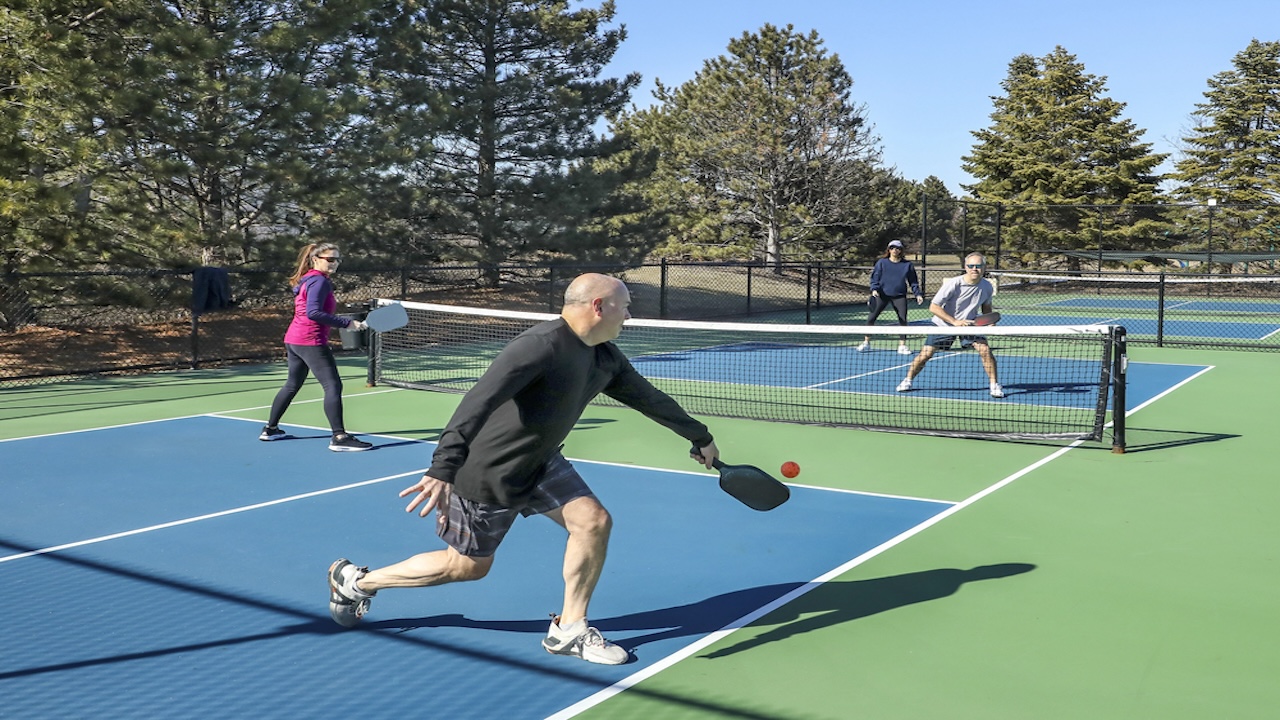
The affluent seaside community of Carmel-by-the-Sea is poised to become California’s first municipality to permanently ban pickleball at public facilities, following years of resident complaints about the distinctive “popping” sounds that have disrupted the tranquil atmosphere of this popular tourist destination.
The Carmel City Council unanimously voted earlier this month to review a permanent ban on pickleball at Forest Hill Park after initially enacting a temporary ban on the sport in October, marking an escalation in the community’s efforts to address noise concerns that have persisted for two years.
Tourist Haven Chooses Quiet Over Sport

Forest Hill Park was the only public pickleball offering within Carmel city limits, and while other California towns like Ross in Marin County have mulled bans and restrictions, Carmel’s permanent ban would be the first in the state. The decision affects a community park located about five blocks from the main downtown thoroughfare of Ocean Avenue in the storybook village known for its fairy-tale cottages and celebrity residents.
The peaceful beach town’s government has tried to find a solution to pickleball noise for two years, including limiting hours of play and providing quieter equipment, according to Mayor Dale Byrne. However, consistent enforcement proved impossible, and the topic continued to consume significant staff, commission, and council time.
Residents Celebrate Return to Peace
Local homeowner sentiment strongly favored the temporary ban’s continuation. At a city council meeting on November 4, several residents said the temporary ban helped them enjoy a quieter community after the constant noise from the game.
“It’s been so peaceful and quiet,” Carmel resident Kimberly Edwards told the council, adding that she could hear pickleball through her bedroom window and in her garden. Edwards questioned why the city was “placating the tourists and the pickleball players” rather than serving resident interests.
Edwards emphasized that there had been an “uptick in tennis players,” especially younger people who are “happy” and bring their friends to use the courts since the pickleball ban took effect.
Enforcement Challenges Drive Decision
The council explored compromise solutions, including requiring soft paddles and balls to reduce noise levels, but ultimately rejected these options due to enforcement concerns. Edwards bristled at the notion that a quiet version could be enforced, questioning who would monitor compliance at the unsupervised courts.
Council member Alissandra Dramov said they were “just overcomplicating it in the name of compromise,” adding that she had to “accept the reality this is not a good location for pickleball”.
Sport’s Popularity Creates Community Conflicts
Pickleball is the fastest-growing sport in the country with a 311% increase in play since 2021 and almost 20 million players, according to industry data. The sport’s explosive growth, particularly among seniors and retirees, has created infrastructure challenges in communities nationwide.
Some pickleball advocates opposed the ban. Competitive player Barbara Lang argued that even “quiet” pickleball at the park would be preferable to banning the sport entirely, noting she speaks for many pickleballers not in attendance.
However, player Jennifer Dentici told local media that compromise equipment changes the game fundamentally, saying “The real issue is, is that playing with those librarian balls, it’s a different ball. It’s a different sport”.
Implementation Timeline and Appeals
The city attorney will now draft the permanent pickleball ban for the city council to vote upon at a later date. There are at least two more hearings to come on the subject, and another 30 days after those for any permanent ban ordinance to go into effect.
Carmel Police Chief Todd Trayer said people using the banned court will receive warnings first, though he’s not aware of anyone violating the temporary ban. The chief noted that “this is a beautiful community of people and most understand the concerns of sound today.”
Tourism Implications
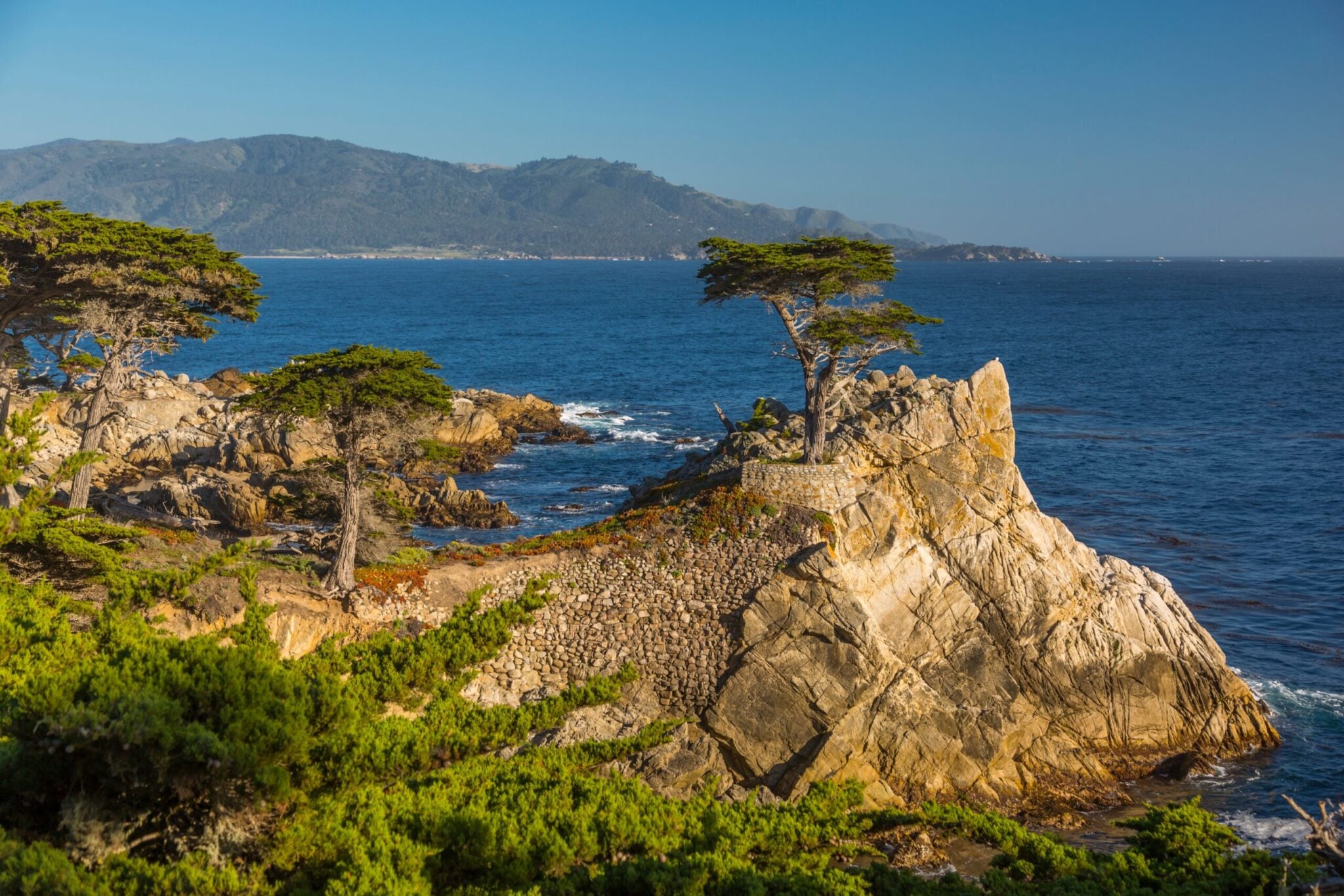
The ban could impact Carmel’s appeal to visitors seeking recreational activities. The oceanfront community, located roughly 120 miles south of San Francisco, has long attracted tourists and retirees drawn to its quaint atmosphere and mild climate, characteristics that initially made it attractive to pickleball enthusiasts.
Mayor Byrne acknowledged the disappointment in not finding a solution that balanced everyone’s interests, noting that while the city recognizes “the health benefits and joy that pickleball provides,” these must be weighed against “the peace and quiet of the surrounding neighborhood”.
The permanent ban, if approved, would represent a significant victory for noise-sensitive communities nationwide grappling with balancing recreational access against residential tranquility as pickleball’s popularity continues to surge across the United States.