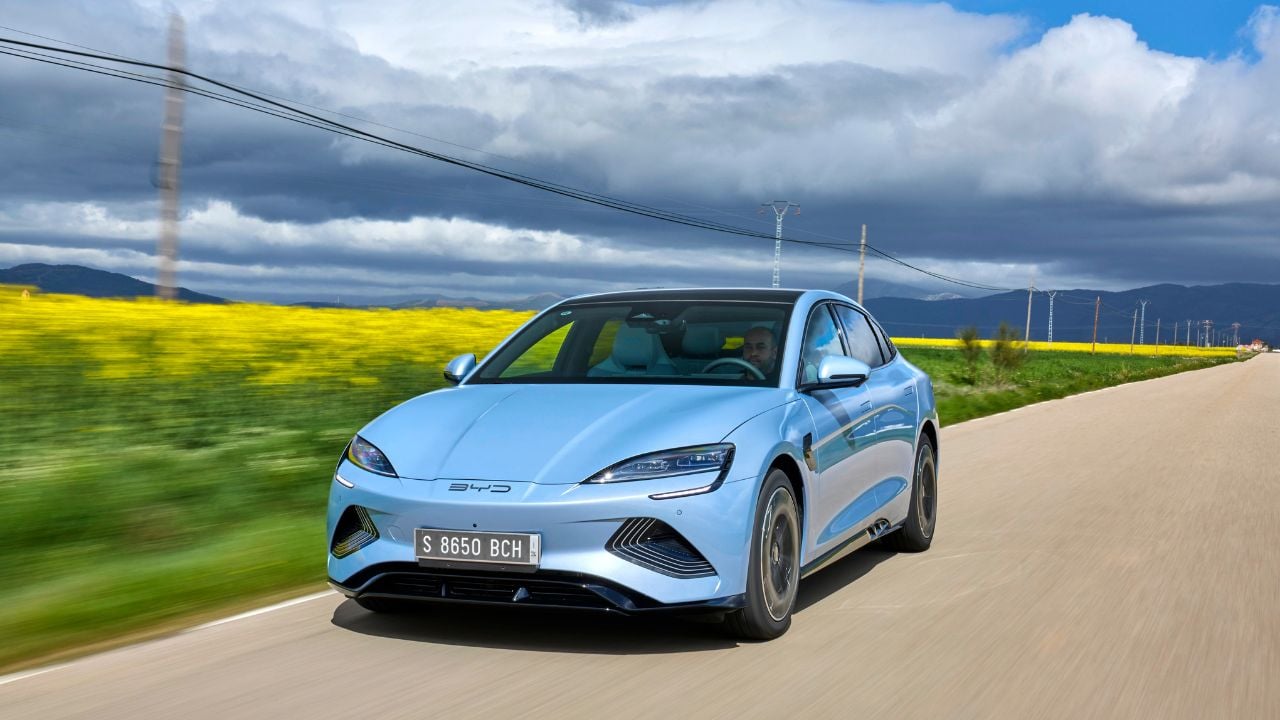
BYD is still one of the biggest forces in the global EV market, but cracks are starting to show at home. The Chinese giant has now recorded eight straight months of year-on-year sales decline, even as it continues to expand aggressively overseas.
That’s a sustained slowdown in the world’s most competitive EV market, where price wars, rapid innovation, and constant new launches are making it harder than ever to stay on top.
At the same time, BYD isn’t exactly struggling across the board. Its international business is booming, with exports hitting record highs and quickly becoming a major part of the company’s overall strategy.
In short, while overseas growth is rising fast, it still hasn’t been enough to fully offset weakening demand in China.
Domestic Sales Continue To Slide

In April, BYD sold 314,100 passenger vehicles. That’s a 15.7% drop compared to the same time last year, marking the eighth consecutive month of decline.
There is a slight silver lining. Sales were up 6.2% compared to March, suggesting some recovery after the usual Chinese New Year slowdown.
Still, the bigger picture isn’t great. BYD’s year-on-year performance has been under pressure since late 2025, with every month since September showing a decline.
That points to a broader issue in China’s EV market, where competition has reached a brutal level, and pricing pressure is eating into demand and margins.
Overseas Growth Is Exploding
While domestic numbers are slipping, BYD’s global expansion is doing the opposite. In April alone, the company sold 134,542 vehicles outside China, up 70.9% year-on-year. That’s massive growth, all thanks to a change of strategy. Overseas sales now account for 42.8% of BYD’s total volume for the month.
From January to April, BYD sold just over 1 million passenger vehicles globally. Out of those, 455,707 units came from international markets, representing a 59.8% increase compared to last year.
The company has made its ambitions clear. BYD is targeting 1.5 million overseas sales in 2026, which would further reduce its reliance on China.
Not All Brands Are Performing Equally
Breaking down the numbers shows a mixed picture across BYD’s sub-brands. The core Dynasty and Ocean series, which make up the bulk of sales, dropped 21.2% year-on-year in April. That’s a significant decline, especially considering how important those models are to BYD’s overall volume.
On the other hand, some newer or niche brands are gaining traction. Fang Cheng Bao, which has been expanding its lineup, saw sales jump 190.2% to 29,138 units.
Meanwhile, the premium Denza brand fell 26.9%, while ultra-luxury Yangwang posted strong growth, up 95.6%, albeit from a very small base.
Profits Are Taking A Hit Too
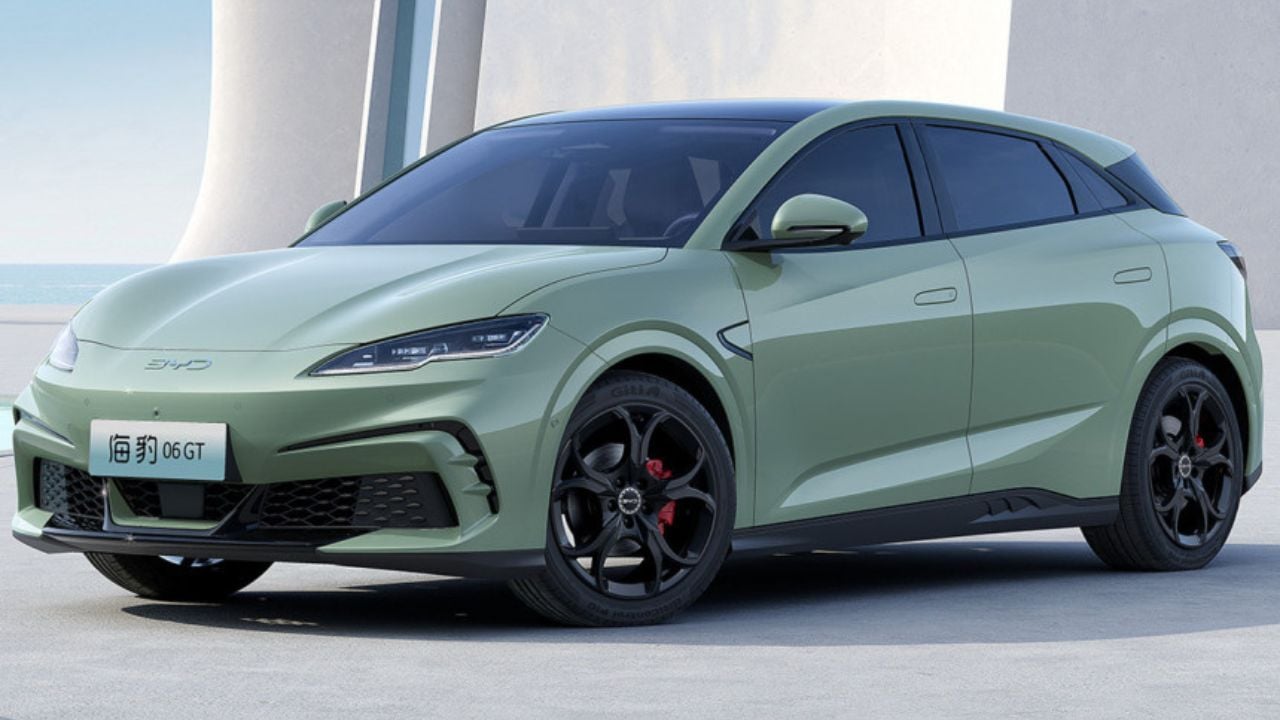
The slowdown isn’t just about volume. BYD’s profitability has also taken a hit, highlighting how tough the current market really is.
In the first quarter of 2026, the company’s net profit dropped 55.4% year-on-year. That’s a steep decline, driven largely by aggressive price competition and rising hardware costs.
China’s EV market has turned into a battleground. Automakers are cutting prices, adding more tech, and launching new models at a relentless pace just to stay relevant. That kind of environment is great for consumers, but brutal for margins.
China’s EV War
BYD’s situation reflects the fact that China currently has over 100 automotive brands competing for attention, and not all of them will survive.
Price wars have become the norm, forcing companies to sell more cars for less money. At the same time, buyers are becoming more demanding, expecting better tech, longer range, and more features at lower prices.
Even a giant like BYD isn’t immune to that pressure. It may be leading the market in many areas, but maintaining that position is getting harder every month.
What Happens Next?
BYD is pushing new technologies, including ultra-fast charging systems, and accelerating its global rollout. Those moves could help it regain momentum, especially if international markets continue to grow at the current pace.
Still, the key question remains: can overseas growth fully compensate for domestic weakness? Right now, the answer is no. BYD is still a powerhouse, but the numbers show that even the biggest players are feeling the strain. In a market this competitive, momentum can swing faster than anyone expects.