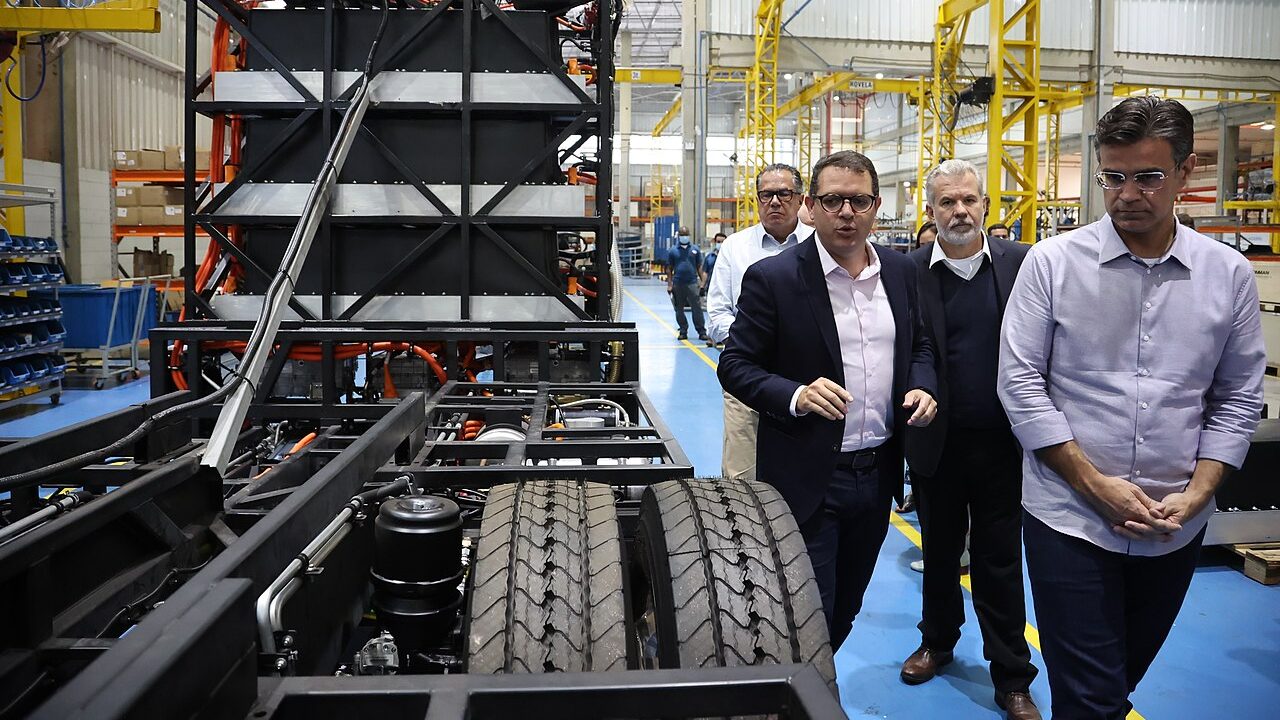

Brazil has taken a decisive step against BYD. It just placed the fast-rising automaker on a federal blacklist over labor violations tied to the construction of its new factory in the country.
This comes at a sensitive moment for a company that has been expanding aggressively beyond China and positioning itself as a global electric vehicle powerhouse.
The controversy traces back to 2024. Brazilian labor inspectors had launched an investigation into conditions at a construction site in the northeastern state of Bahia.
The project was meant to anchor BYD’s manufacturing presence in Latin America, a region the company sees as critical to its growth. Instead, it has become a case study in the risks that come with rapid international expansion.
The Findings

Authorities found that 163 Chinese workers brought in to build the plant were living and working under conditions that violated Brazilian labor laws. According to official findings, workers were required to surrender their passports upon arrival. Many were also asked to pay deposits of roughly $900, a practice that raised concerns about coercion and restricted freedom of movement.
Housing conditions added to the severity of the case. Inspectors reported overcrowded accommodations, with multiple workers sharing small spaces lacking basic amenities. Some reportedly slept without proper bedding, while sanitation facilities were described as inadequate for the number of occupants.
These findings led Brazilian authorities to classify the situation as “slavery-like conditions.” In Brazin, that legal designation describes severe labor exploitation.
The workers had been hired through a third-party contractor, identified as the Jinjiang Group. Jinjiang Group BYD has said it was not aware of the abuses and emphasized that the contractor was responsible for managing labor conditions on site.
Still, Brazilian officials have taken the position that companies operating in the country are accountable for the practices of their contractors, especially in projects of this scale.
As a result of the investigation, Brazil’s government added BYD to its so-called “dirty list” public registry, reserved for employers found to have engaged in labor practices akin to modern slavery.
Placement on this list carries real consequences. While it does not halt operations or force a shutdown of the factory, it restricts access to financing from certain public and private institutions. Banks and investors often use the list as a screening tool, which can make it harder for companies to secure funding.
What the Blacklist Means for BYD
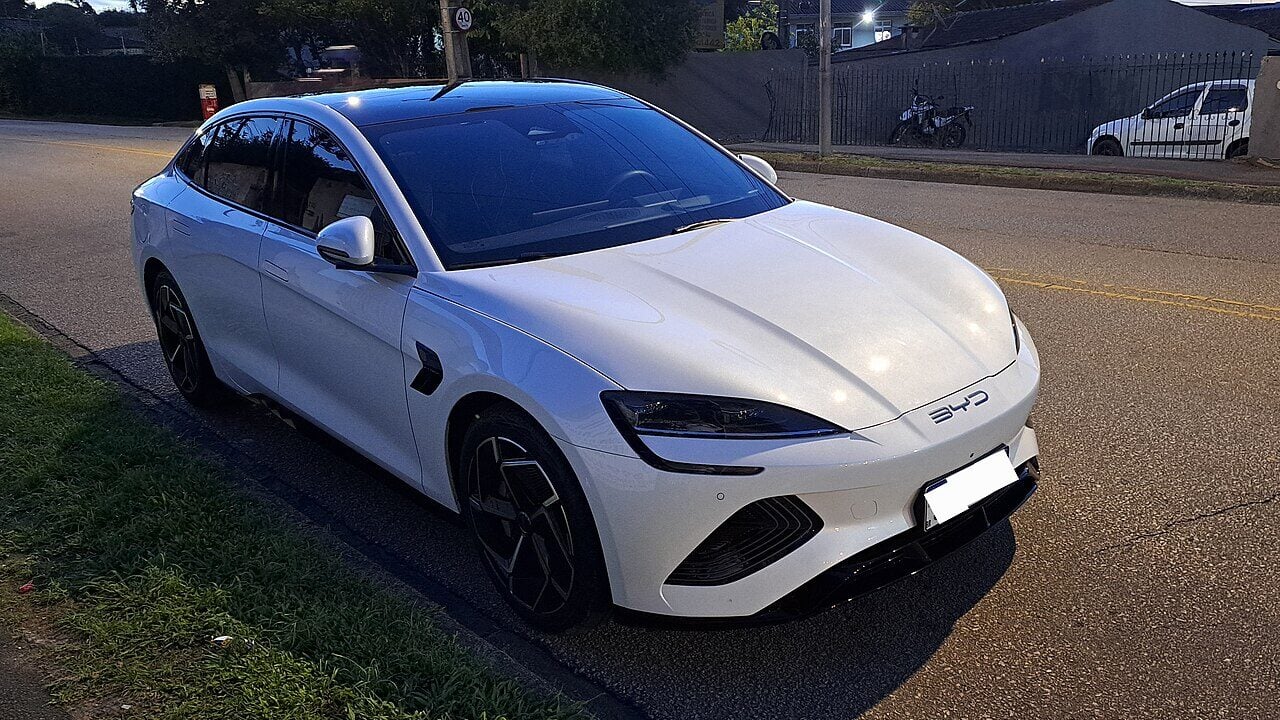
The listing is not permanent. BYD will remain on the blacklist for two years unless it successfully challenges the decision in court or demonstrates compliance with labor standards. During this period, the reputational impact may prove just as significant as the financial limitations.
This development complicates BYD’s broader ambitions. The company has been pushing into international markets with a mix of affordable EVs and vertically integrated manufacturing. Its pitch has resonated in regions where cost-sensitive buyers are eager to transition to electric mobility. Brazil, as the largest economy in Latin America, is a key piece of that strategy.
Despite the controversy, BYD’s operations in Brazil have not stopped. The company has already produced tens of thousands of vehicles locally. In other words, the project is moving along well. That makes the situation less about whether BYD can stay in Brazil and more about how it manages scrutiny going forward.
Fitting into Western Narrative
Brazil’s decision to blacklist BYD over labor violations lends weight to long-standing American skepticism about the company’s rise. For years, critics in the U.S. have argued that BYD’s success is inseparable from state subsidies and questionable labor practices.
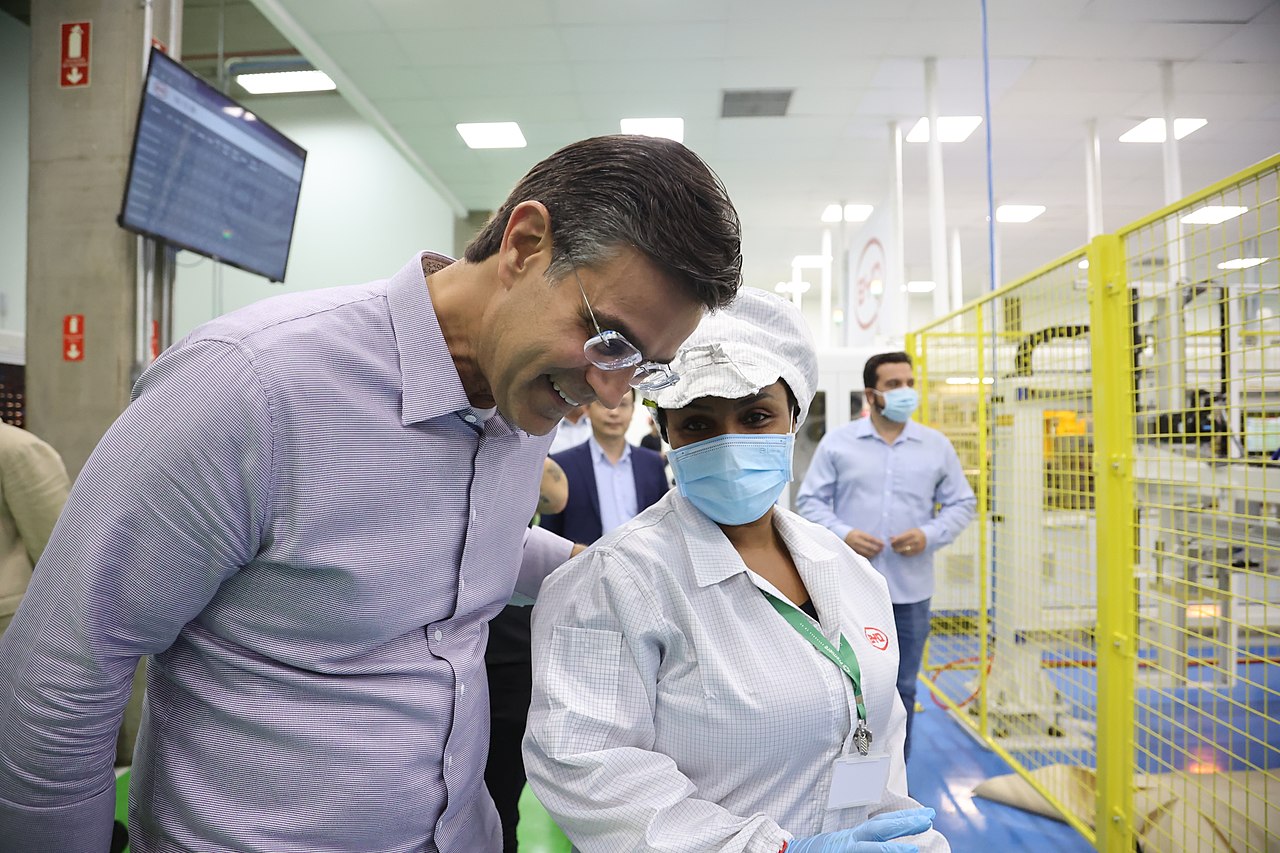
The findings in Bahia—workers stripped of passports, coerced with deposits, and housed in overcrowded, unsanitary conditions—fit neatly into that narrative. While BYD passes the blame to a contractor, Brazilian authorities rightly hold global firms accountable for their supply chains.
Taking a number on Brazil’s “dirty list” may just underscore that BYD’s expansion strategy may be built on practices incompatible with international labor standards. For many in America, this is vindication: the meteoric growth of China’s EV champion is not simply about innovation or affordability, but also about cutting corners at the expense of human dignity.
The blacklist confirms that BYD’s global ambitions face a credibility test as much as a market one.
That said, the story offers a window into the challenges facing global EV expansion. As Chinese automakers look to grow beyond their home market, they are entering jurisdictions with different labor standards, regulatory frameworks, and expectations around corporate responsibility.
Sources: Reuters