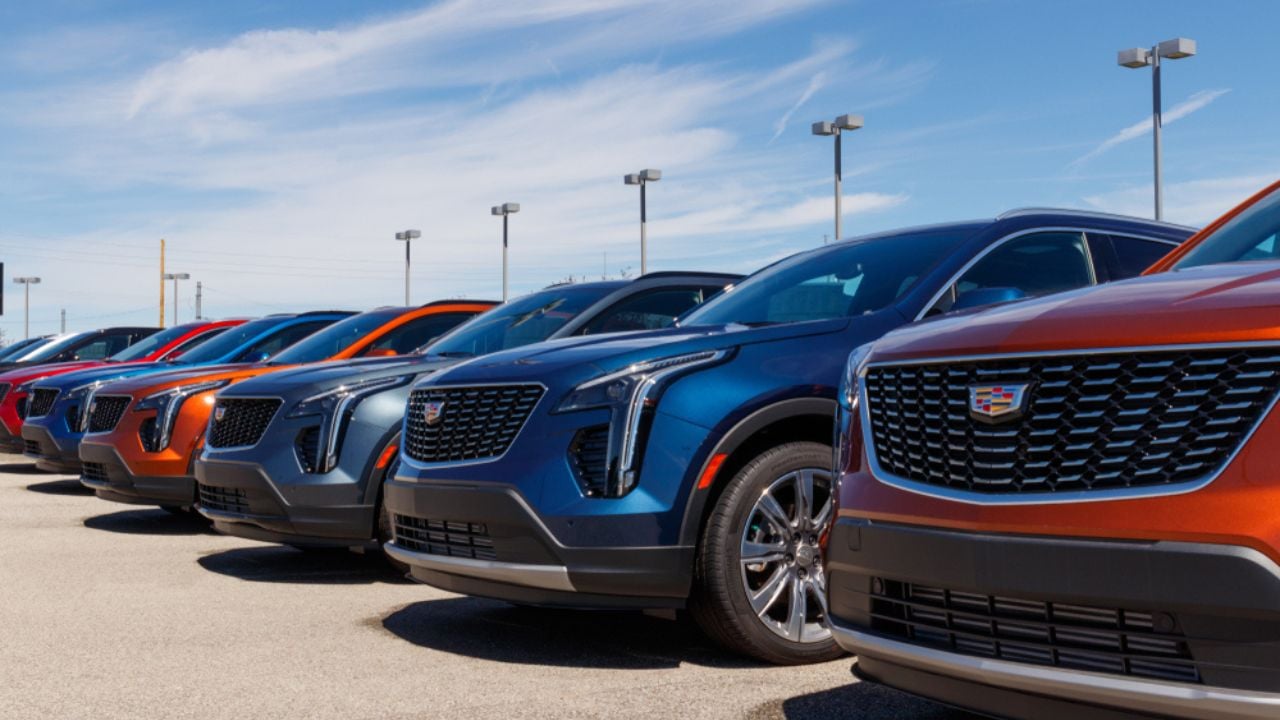
The American car market has quietly become one of the most brutal financial gauntlets ordinary people face. Whether you are shopping new or used, the days of finding a solid, no-frills ride at a reasonable price are largely over, and the numbers make it hard to argue otherwise.
For decades, buying a car was considered one of those milestones you could plan for. Save a little, shop around, drive away. That script has been torn up. New vehicles now sell for an average of nearly $50,000, a jump of roughly 30% in just six years. If you are thinking a monthly payment on a new car sounds manageable, the average is sitting around $775 per month. That is more than a lot of people’s rent was not too long ago.
And the frustration is not just anecdotal. Consumer prices rose about 3.3% in early 2026 compared to the year prior, but new car prices surged a stunning 12.6% in the same stretch, according to Labor Department data. Inflation in general has already stretched household budgets thin.
Throw in a car payment that rivals a mortgage, and you have a recipe for financial stress that is landing squarely on younger and middle-income buyers who are simply trying to get to work.
The Affordable Car Is Practically Extinct
Remember when you could walk onto a lot and find something decent for under $25,000? That window has nearly closed. Only about 13% of new vehicles on the market are listed below $30,000, according to auto review site CarGurus. Five years ago, that figure was closer to 40%. The shift is not accidental.
Automakers, particularly the big American brands like Ford, General Motors, and Stellantis, figured out years ago that large SUVs and pickup trucks generate far more profit per unit than compact sedans. So they stopped making the small stuff. The Chevy Cruze? Gone. The Ford Fusion? Gone. What replaced them are vehicles that cost tens of thousands of dollars more and are marketed as the new normal.
It is worth pointing out that Asian automakers like Honda, Mazda, Hyundai, and Subaru have generally kept average prices lower, which is part of why those brands have seen growing interest from budget-conscious shoppers. But even their entry-level models are creeping upward.
The Used Car Market Is Not the Escape Hatch It Used to Be
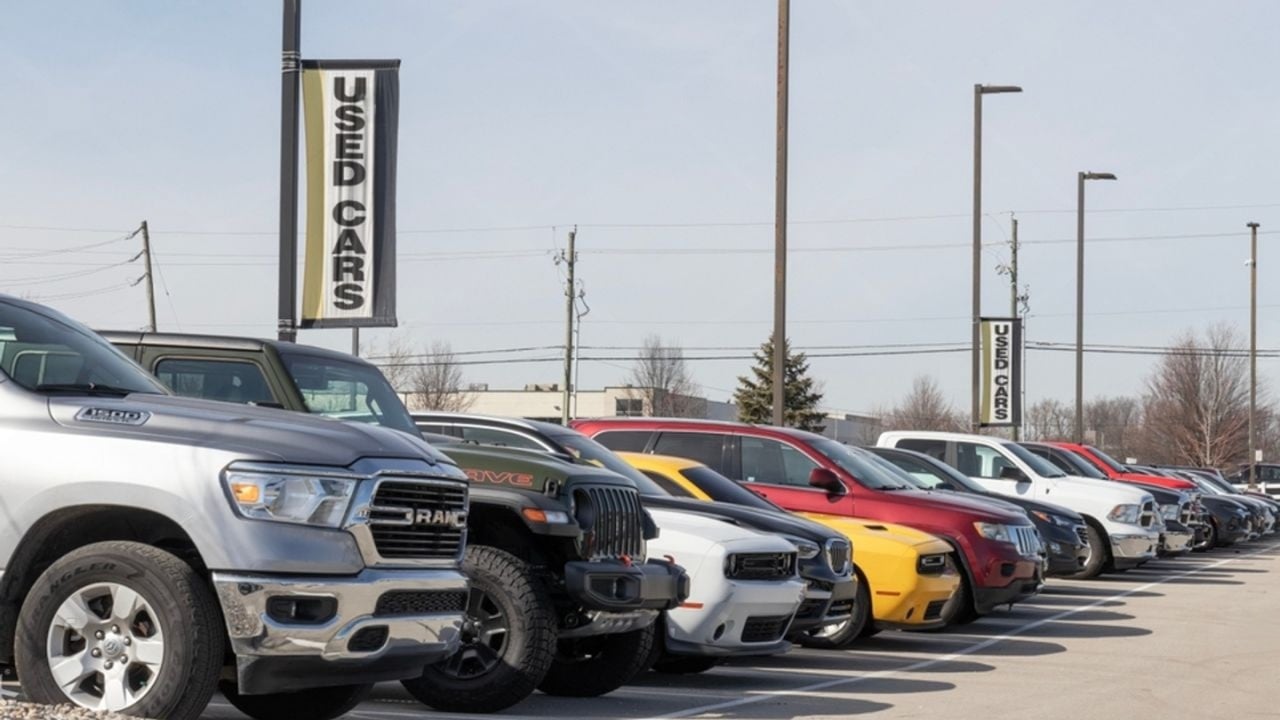
If your plan was to sidestep all of this by going used, prepare for some disappointment. The share of used vehicles priced under $30,000 dropped from 78% in 2021 to 69% more recently, and the average used car now runs about $25,000 with average monthly payments around $560. That is a lot of money for someone’s third-hand Civic.
Two things are squeezing used inventory. First, people are holding onto their cars longer, an average of nearly 13 years now, which is about 18 months longer than a decade ago. When fewer people trade in their vehicles, fewer used cars hit the market. Second, leasing fell out of fashion, which means the pipeline of two- and three-year-old off-lease vehicles that used to flood used lots has slowed to a trickle.
The one potential bright spot on the used side is electric vehicles. A wave of EVs that were leased during a period of generous federal tax credits is expected to return to the market soon, which could add inventory and push down EV prices for used buyers willing to go electric.
Buyers Are Getting Creative, But It Is Costing Them
When you cannot afford the car outright and the monthly payment is painful, you stretch. Consumers choosing seven-year auto loans now make up more than 12% of all sales, up from around 8% just a year earlier, per J.D. Power. That extra year or two of payments might lower the monthly number, but it means paying significantly more in interest over the life of the loan. You end up spending more for the same car just to make it feel affordable in the short term.
Some buyers are skipping loans entirely by draining savings accounts to buy outright. Others are paying car insurance in six-month lump sums to squeeze out small discounts. These are the kinds of micro-strategies that feel normal now but would have seemed extreme to car shoppers in 2017.
Leasing has also come up as a middle ground. J.D. Power estimates lease payments can run up to $140 less per month than a traditional financed purchase. For drivers with predictable mileage and no attachment to owning the vehicle, it is worth running the math.
What Is Actually Driving Prices Up, Besides Greed?
It would be easy to just blame corporate profit chasing, and honestly, there is something to that. But the full picture is more complicated. The COVID-19 pandemic caused major production slowdowns that sent both new and used prices skyrocketing. While production recovered, supply chain issues lingered, and tariffs on imported parts have continued to add costs.
Then there is technology. Modern vehicles are loaded with safety features like automatic emergency braking, blind-spot monitors, lane-keep assist, and collision warnings. Some of these are now federally required. Each one adds cost. Add in increasingly sophisticated infotainment systems, advanced driver-assistance packages, and the growing push toward electrification, and you are dealing with vehicles that are simply more expensive to build than they were ten years ago.
Car insurance costs have also ballooned, up about 55% compared to pre-pandemic levels. Repair costs are up nearly 50% on average. So even once you get into a vehicle, the ongoing cost of ownership has become its own financial challenge.
The bottom line: buying a car in 2026 requires more planning, more compromise, and more creativity than it ever has before. The market has moved away from the everyday buyer, and for now, the everyday buyer is left figuring out how to catch up.