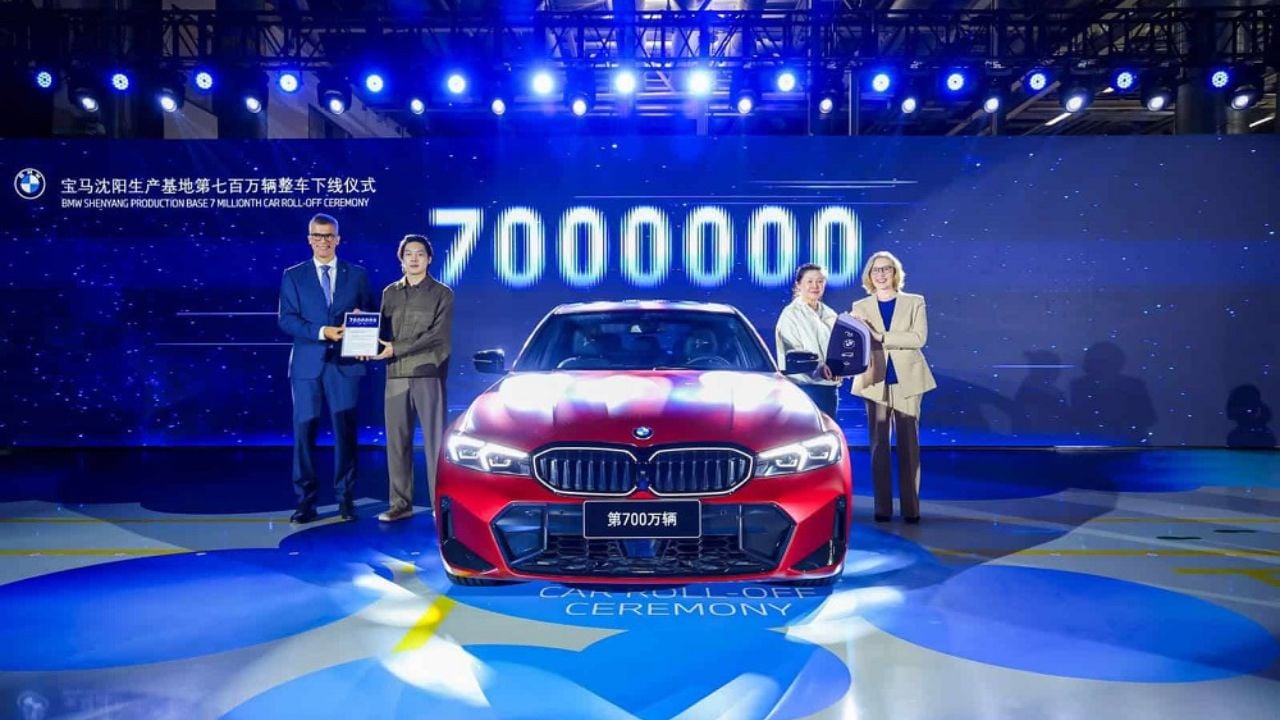
BMW has reached a major production milestone in China, where the seven millionth vehicle has rolled off the line at its industrial complex in Shenyang.
The achievement says a lot about how important China has become for the German automaker. It also shows how quickly BMW’s local manufacturing footprint has grown in the world’s largest car market.
The milestone car carried extra symbolism because it was a BMW 3 Series Horse Edition, a model developed exclusively for Chinese buyers. That detail matters. BMW is no longer treating China only as a place to assemble global models. It is building cars, software, features, and special versions around local demand.
Shenyang Has Become A Key BMW Production Hub
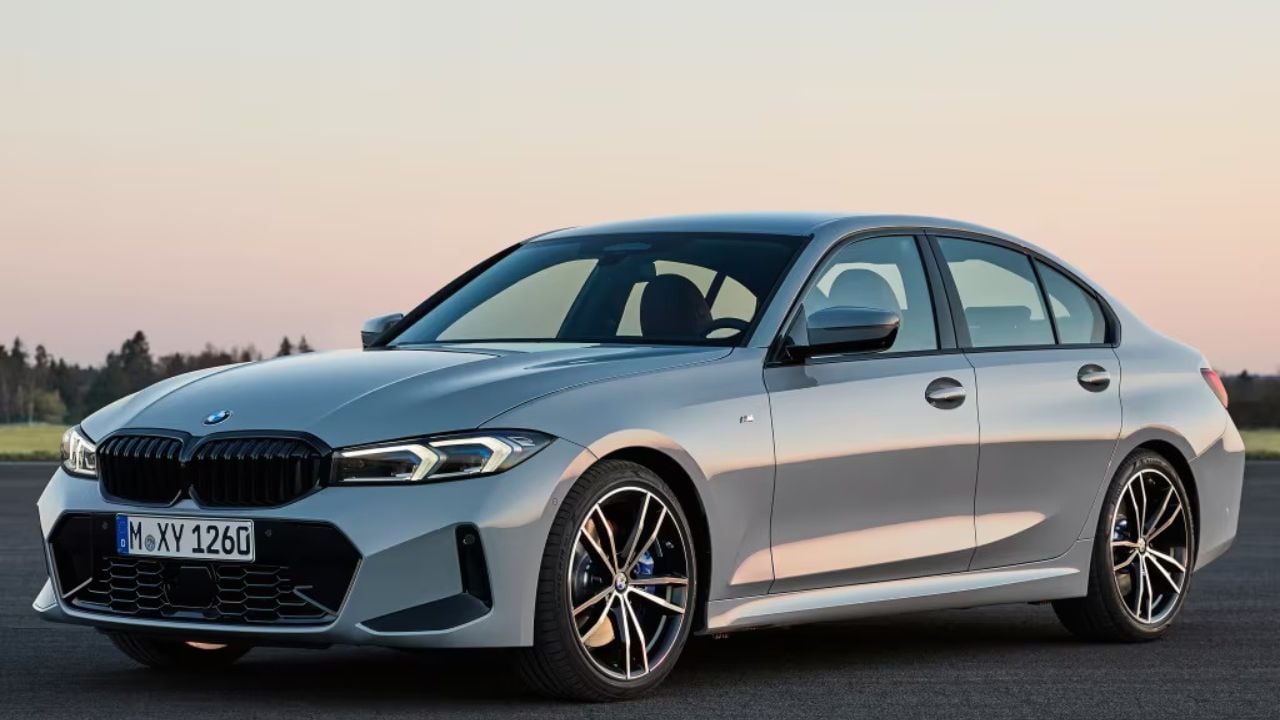
BMW’s Shenyang complex operates through the BMW Brilliance Automotive joint venture and has become one of the company’s most important production bases anywhere in the world.
The site now includes three vehicle assembly plants and one powertrain production facility. The first BMW built there left the line in 2003, and the complex has since grown from a local manufacturing project into a central piece of BMW’s China strategy.
The scale of the achievement becomes clearer when the numbers are put in context. Over just more than two decades, Shenyang has averaged more than 300,000 vehicles per year.
That pace is striking when compared with BMW’s Spartanburg plant in the United States, which needed a longer operating history to reach the same seven million vehicle milestone.
Raymond Wittmann, the BMW board member responsible for production, said the milestone reflects the company’s more than three decades of business development in China and its long running cooperation with local teams and partners.
Neue Klasse Production Comes Next
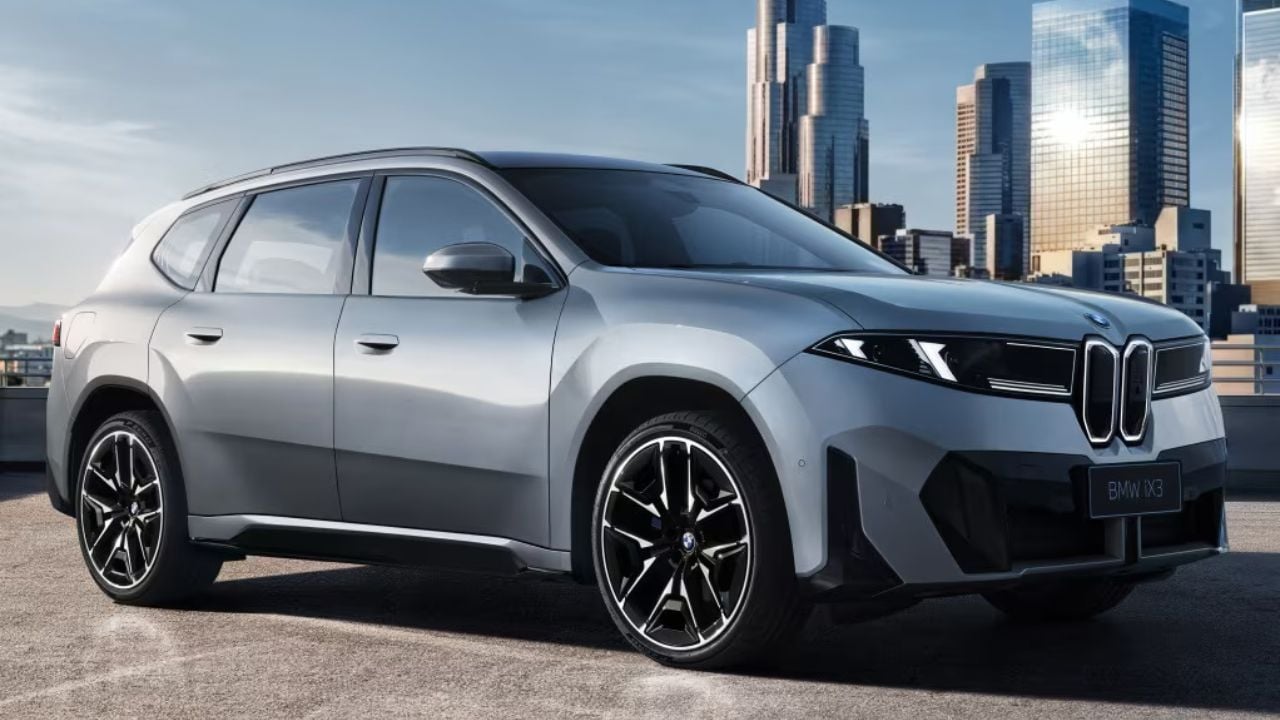
The future of the Shenyang complex may be even more important than the seven million car milestone itself.
BMW says local production of Neue Klasse vehicles in Shenyang will begin later this year, bringing the company’s next electric vehicle architecture into one of its most important markets.
The first China-focused Neue Klasse models include the new electric iX3 crossover and a new electric i3 sedan. The iX3 is expected to lead the local rollout, while the i3 sedan will follow as BMW expands the platform deeper into its Chinese lineup.
BMW sees these vehicles as the beginning of a new phase built around deeper localization, advanced manufacturing methods, and more technology developed specifically for Chinese customers.
That matters because China is no longer just a place where global cars are assembled. It has become a market where automakers increasingly develop specific vehicles, software, cabin features, and digital systems around local expectations.
China Gets Its Own Longer BMW Models
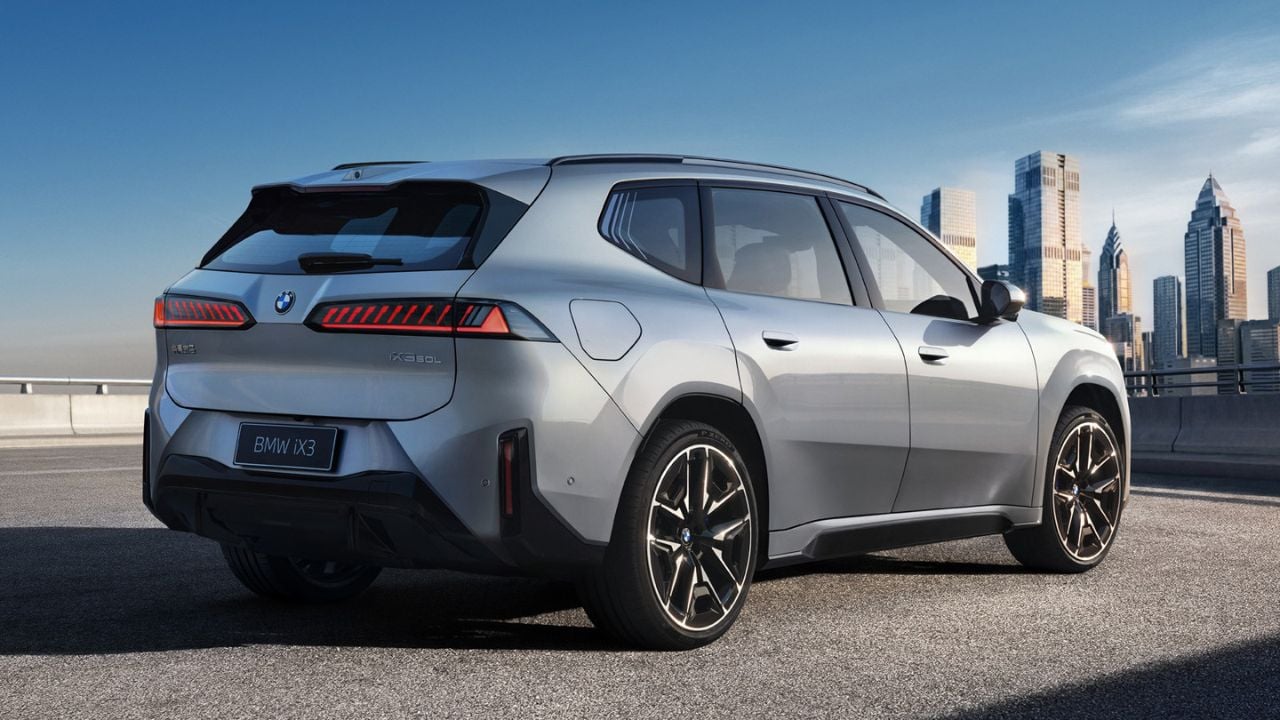
One reason BMW has succeeded in China is its willingness to adapt vehicles for local buyers.
The new iX3 Long Wheelbase has been developed specifically for the Chinese market, with its wheelbase stretched by 108 mm, or about 4.3 inches, compared with the global version. BMW has also shown a China-specific long-wheelbase i3 sedan as part of the same Neue Klasse push.
That extra space is aimed mainly at rear-seat passengers, since Chinese buyers traditionally place strong value on comfort in the back row.
The larger dimensions also make cabin access easier and provide more legroom, giving Chinese-market versions a more chauffeur-friendly feel than many global models.
BMW also equips Chinese-market versions with luxury features tailored to local expectations. These include rear-seat comfort upgrades such as ventilation and massage functions, along with a wireless charger built into the center armrest on certain versions.
The infotainment system has also been adapted around Chinese digital platforms and user habits. That includes local software development, local navigation services, and deeper integration with technology partners that matter inside China.
BMW Is Building More Than Cars In China
Over the years, BMW has built a complete industrial ecosystem in China. It includes vehicle production, powertrain manufacturing, research and development centers, software work, and a wide network of local suppliers.
Because of that, Shenyang is no longer just a manufacturing base. It has become one of BMW’s key global technology and production centers.
Digitalization and artificial intelligence play an increasingly important role in that system. BMW uses advanced digital tools across many stages of production, from planning and logistics to quality control and final assembly.
That approach helps improve efficiency, maintain stable quality, and react faster to market demands. It also fits closely with China’s broader push toward advanced industry and smart manufacturing.
As Europe faces pressure from electrification costs, slower EV demand in some markets, and rising competition from Chinese automakers, BMW continues to strengthen its position in China.
Seven million vehicles is an impressive milestone, but Shenyang’s next chapter may matter even more. The plant is moving from a symbol of BMW’s growth in China into one of the launch pads for the company’s Neue Klasse electric era.
This article was originally published by Autorepublika.com and is republished with permission. It has been reviewed and edited by Guessing Headlights.