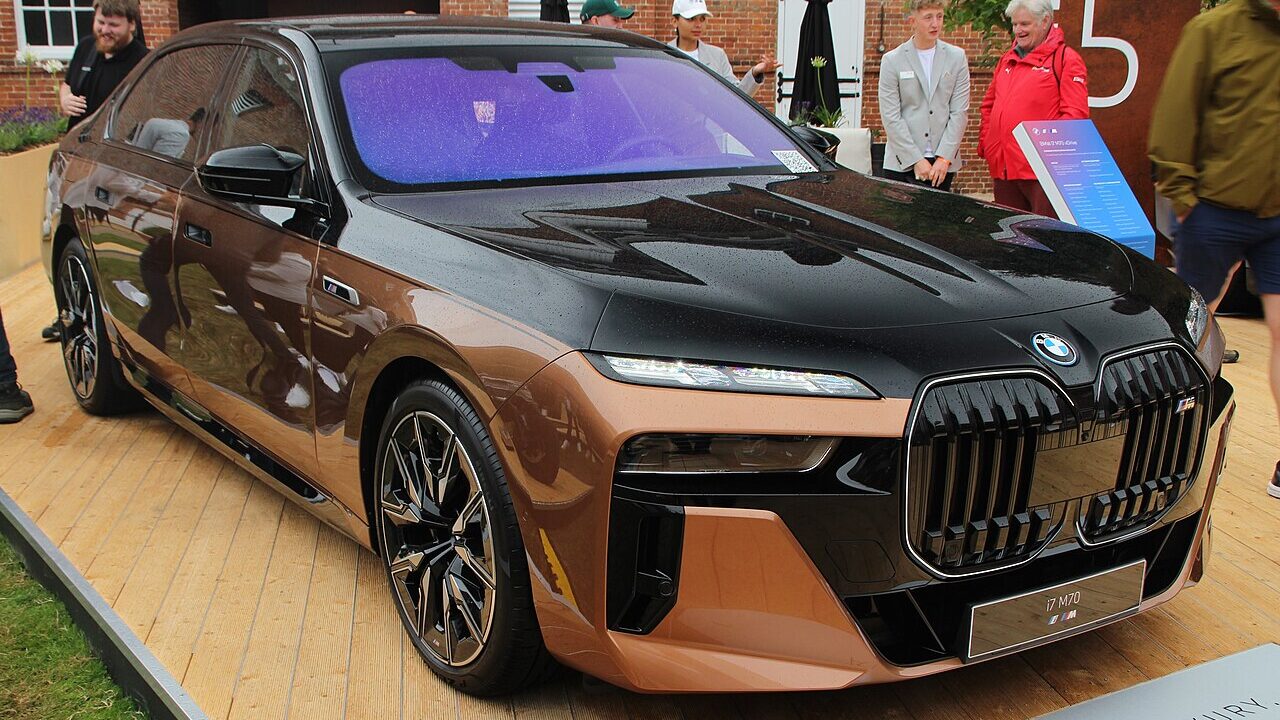

The viral claim on social media about a six-figure collapse in the value of a 2023 BMW i7 is not entirely exaggerated. It is, however, incomplete. It looks like a shocking anomaly but is actually a sharp expression of deeper structural forces reshaping the luxury EV market.
Recent valuation data supports the headline figure. A 2023 BMW i7 now trades in the high five-figure range, with resale values around $57,000 to $58,000 depending on mileage and condition. That places it dramatically below its original price band, which for well-optioned models easily exceeded $150,000.
The implied loss aligns with broader estimates suggesting the i7 can shed roughly 60 to 65 percent of its value within three years.
Yet framing this purely as a “$100,000 loss machine” misses the mechanics behind it.
Why Flagship Luxury Sedans Have Always Depreciated Fast
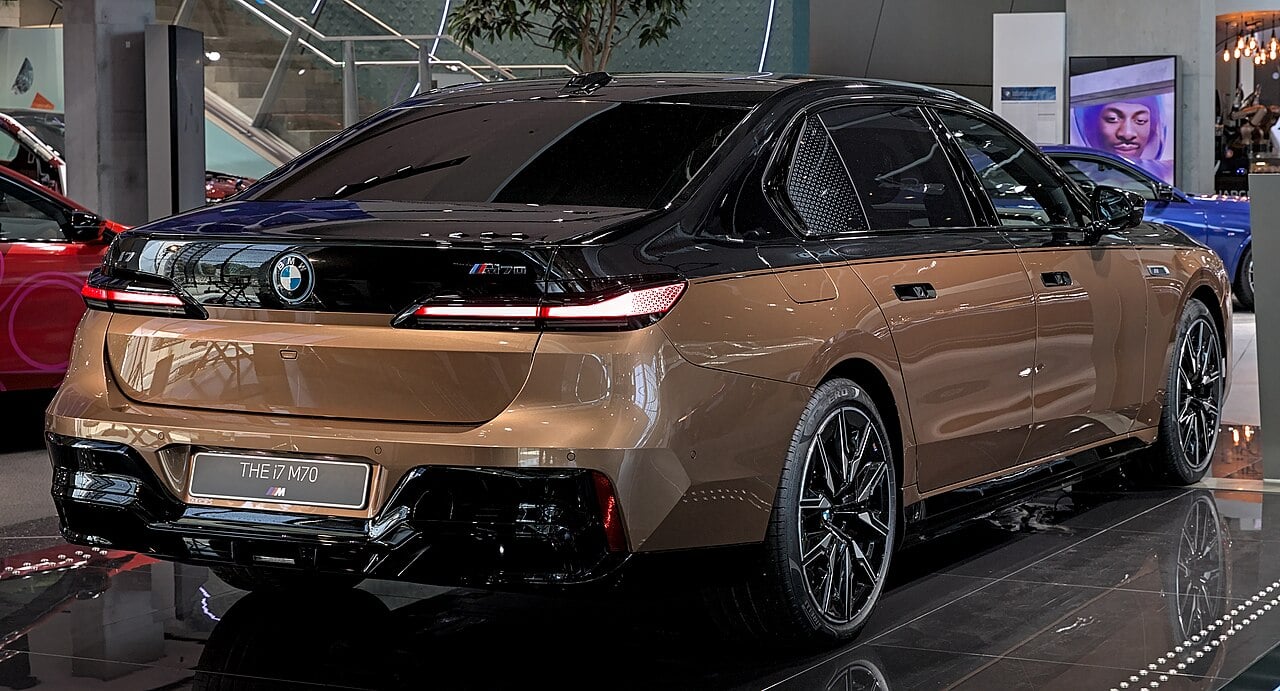
First, flagship luxury sedans have always depreciated aggressively. Even before electrification, large executive cars like the BMW 7 Series routinely ranked among the fastest-depreciating vehicles.
One analysis shows depreciation rates exceeding 60 percent within a few years for this segment, driven by high initial pricing and a limited secondary market. In that light, the i7 is not breaking the rule. It is amplifying it.
Second, electrification accelerates depreciation through technological obsolescence. Unlike traditional luxury cars, where changes between model years are incremental, EVs evolve more like consumer electronics. Improvements in battery density, charging speeds, and software arrive in rapid cycles.
Early i7 models, while still highly advanced, are already competing with newer EVs offering better range, faster charging, and updated digital ecosystems. This compress perceived value in the used market.
Third, supply dynamics are shifting. Leasing plays a significant role in the luxury segment, and a wave of off-lease EVs is beginning to hit the secondary market. Increased supply pushes prices downward, especially when demand remains cautious. Buyers in the used market are still weighing long-term battery health, repair costs, and resale uncertainty. That hesitation translates directly into lower bids.
The Psychology of EV Pricing and Used vs. New Buyers

Another overlooked factor is pricing psychology. The original MSRP of flagship EVs often includes a premium for early adoption and cutting-edge features. That premium does not hold in the used market.
Once the novelty fades, buyers evaluate the car more like a depreciating asset than a technological statement. The result is a steep normalization in value rather than a sudden collapse.
There is also a structural mismatch between new and used buyers. The original i7 customer is paying for exclusivity, brand prestige, and the latest innovation.
The second owner is typically value-driven and less concerned with having the newest features. This gap widens depreciation, especially when newer models continue to reset expectations.
Importantly, not all data points support the most extreme version of the claim. Some analyses place average depreciation closer to 35 to 40 percent depending on trim and timeframe, with resale values still ranging as high as $60,000 to $90,000 in certain cases.
That suggests the viral example likely represents lower-end transactions or higher-mileage units rather than the entire market.
The Real Question
The more interesting question is not why depreciation is happening, but why it is not deterring buyers of new models. The answer lies in how luxury EVs are consumed.
Many buyers lease rather than purchase outright, insulating themselves from resale risk. Others prioritize the experience of cutting-edge technology and flagship comfort over long-term financial efficiency.
🚨 $158,000 BMW FLAGSHIP SEDAN JUST COLLAPSED TO $58,000 — A 63% WIPEOUT
This isn’t depreciation… this is a six-figure wipeout in real time.
A 2023 BMW i7 with ~30K miles is now selling for around $58,000.
Same spec new? Over $158,000.That’s more than $100,000 gone… in just… pic.twitter.com/P5TyWlkTCz
— HustleBitch (@HustleBitch_) April 9, 2026
Seen through that lens, the i7 is not a failed product. It is a case study in how quickly value erodes when high-end hardware meets rapid innovation cycles. The depreciation is real, and in some cases severe. But it reflects a market recalibrating expectations for what luxury means in the electric era.