This is the kind of piece that feels like a slow road trip through hidden corners of the country, places where cell service fades, but the stars come alive. Each park gets two full paragraphs of rich, immersive writing: history, mood, sensory detail, and a taste of what makes it special. Let’s dive in.
Custer State Park, South Dakota
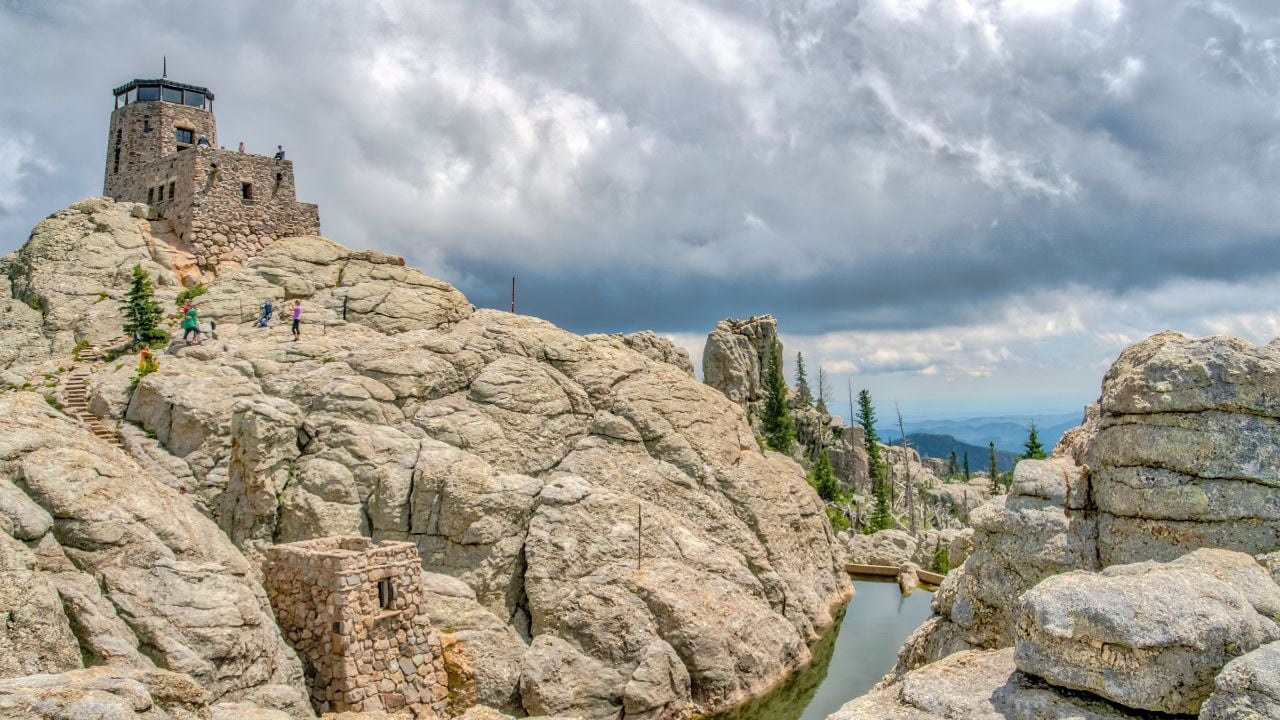
Tucked in the rolling Black Hills of South Dakota, Custer State Park feels like stepping into a painting of the American West. Herds of bison roam freely across golden meadows, their silhouettes framed by craggy granite peaks and vast blue skies. The park’s Needles Highway twists through tunnels and towering rock spires, offering views so surreal you’ll wonder why this place isn’t on everyone’s bucket list.
Custer isn’t just about scenery, it’s about presence. Watch the sunrise from Sylvan Lake as mist curls over the water, or drive the Wildlife Loop Road at dusk when the light turns everything gold. Campfires crackle under a ceiling of stars, and the wind carries a kind of quiet that feels ancient. It’s raw, real, and unforgettable, proof that not all America’s best wild places come with crowds.
Fall Creek Falls State Park, Tennessee
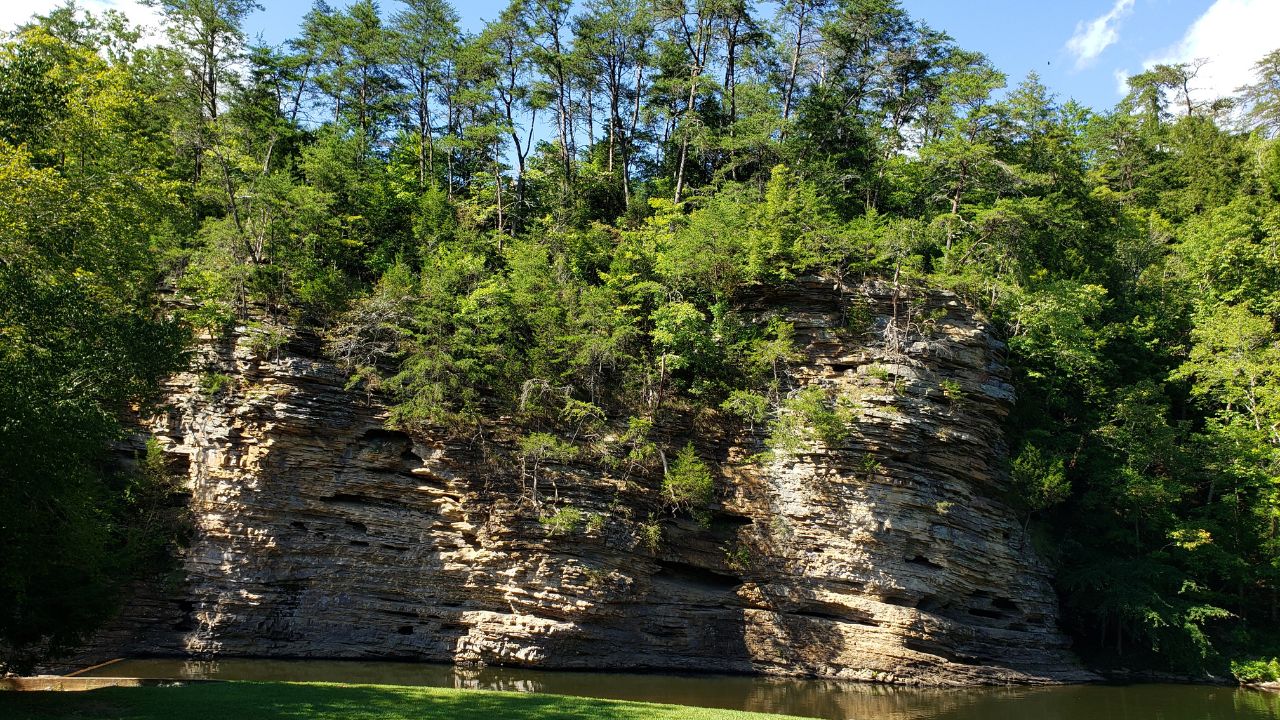
Hidden in the heart of the Cumberland Plateau, Fall Creek Falls State Park is home to one of the highest waterfalls in the eastern United States. The 256-foot cascade plunges into a mossy gorge, surrounded by fern-filled forests and cliffs that seem sculpted by time itself. Every corner of this park hums with the sound of rushing water and the scent of rain-soaked stone.
It’s the kind of place that invites exploration, from scenic overlooks to quiet swimming holes where the water is as clear as glass. Hikers can wander through canyons, spot wildflowers in spring, or listen to the haunting calls of owls echoing through the trees at night. Fall Creek Falls feels ancient and alive all at once, a secret pocket of Tennessee wilderness that refuses to be forgotten.
Valley of Fire State Park, Nevada

Just an hour outside Las Vegas lies another planet. Valley of Fire State Park is a Martian landscape of scarlet sandstone, its cliffs glowing in shades of rust and coral beneath the desert sun. Ancient petroglyphs mark the rocks with mysterious symbols, reminders of the Ancestral Puebloans who once lived here thousands of years ago.
As you hike through narrow slot canyons or climb dunes of red sand, you can almost hear the whisper of time. When the light shifts near sunset, the whole valley burns with color, and shadows carve strange patterns across the stone. Valley of Fire may be close to Vegas, but it feels galaxies away, wild, haunting, and mesmerizing in its silence.
Porcupine Mountains Wilderness State Park, Michigan
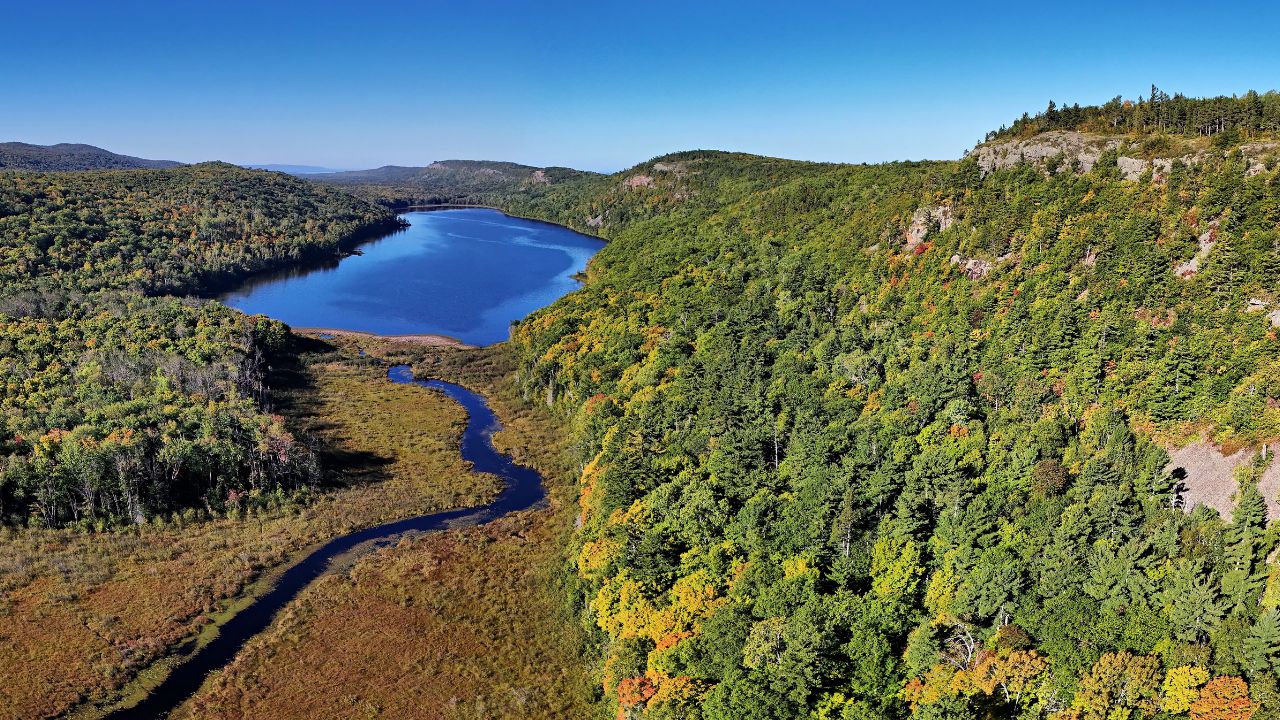
Locals call it “the Porkies,” but don’t let the nickname fool you, this is one of the most stunning wilderness areas in the Midwest. Stretching along the shores of Lake Superior, the Porcupine Mountains offer old-growth forests, waterfalls, and sweeping lake vistas that rival national parks. The Escarpment Trail, in particular, delivers panoramic views of the vast, untouched north.
There’s a magic here that belongs to Michigan’s Upper Peninsula, fog rolling off the lake, the call of loons echoing through the morning mist, and northern lights dancing over the treetops on cold, clear nights. The Porkies remind you that wilderness doesn’t have to be far-flung; sometimes it’s waiting quietly at the edge of the Great Lakes, unchanged for centuries.
Dead Horse Point State Park, Utah

High above the Colorado River, Dead Horse Point offers one of the most breathtaking views in the American Southwest. The mesa’s edge overlooks a labyrinth of canyons and cliffs that stretch for miles, glowing in deep reds and golds under the desert sun. It’s a scene so grand and otherworldly that Hollywood has used it to stand in for Mars.
What makes it even better is how peaceful it is compared to nearby Arches and Canyonlands. Here, you can watch the sun rise in perfect silence, the light spilling over the Colorado like molten bronze. When night falls, the stars blaze in one of the darkest skies in the country. Dead Horse Point is solitude at its most spectacular, a reminder that you don’t need crowds to find awe.
Watkins Glen State Park, New York
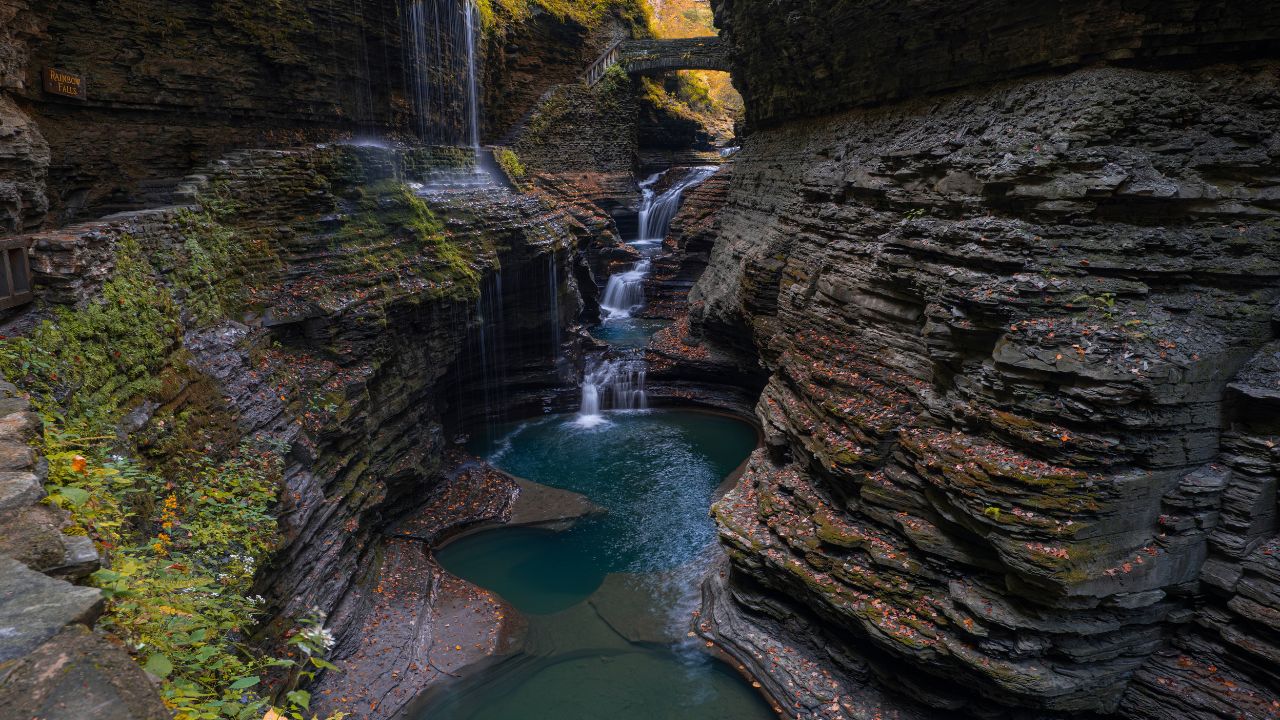
In the heart of New York’s Finger Lakes region, Watkins Glen feels like a dream carved out of water and stone. Its gorge trail winds past nineteen waterfalls, each tumbling through narrow cliffs draped in emerald moss. Stone bridges arch gracefully over turquoise pools, and sunlight filters through the canyon in shimmering beams.
Every step feels enchanted, a place where time slows and the sound of rushing water drowns out the world. Whether you’re exploring in the misty morning or during autumn when the leaves ignite in fiery color, Watkins Glen is pure magic. It’s not just one of New York’s best state parks, it’s one of the most beautiful places in America, period.
Silver Falls State Park, Oregon
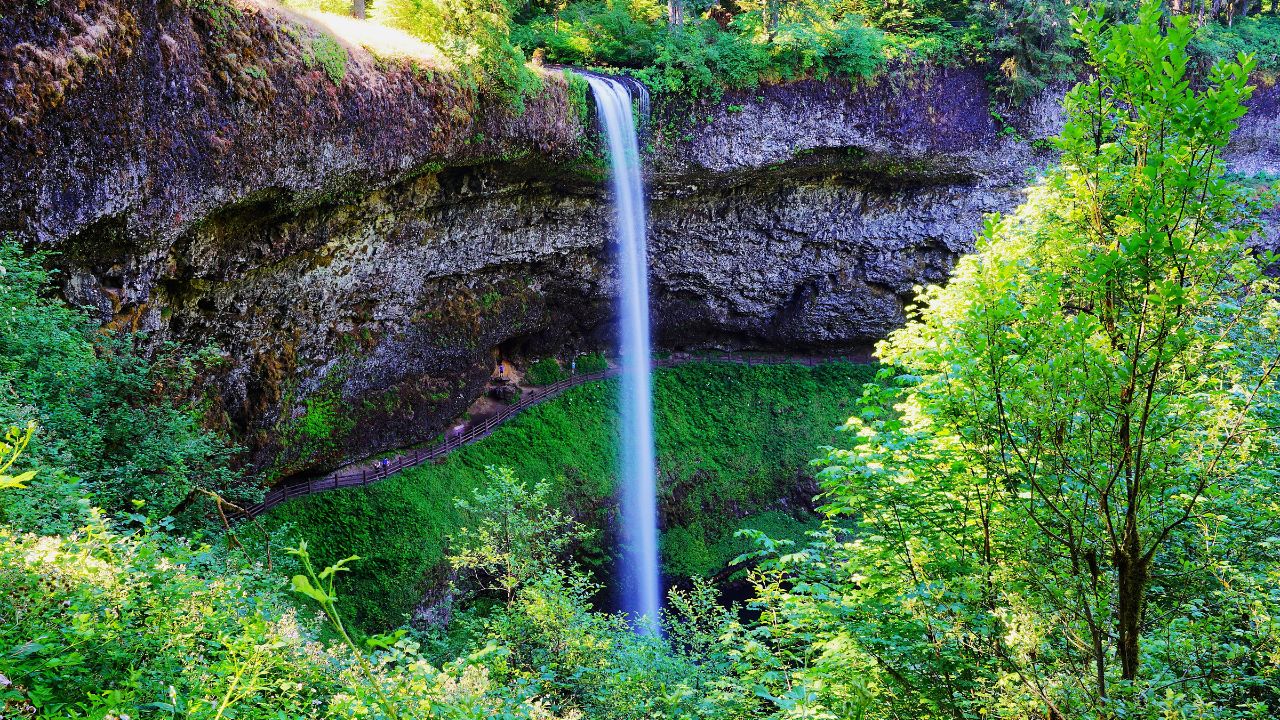
Known as the “crown jewel” of Oregon’s state park system, Silver Falls is where rainforest beauty meets waterfall wonder. The famous Trail of Ten Falls loops through old-growth forests, leading you behind massive curtains of water that thunder into misty basins. It’s a sensory experience — cool, wet air on your skin, the smell of cedar and rain, the roar of nature in full voice.
Even after decades of visitors, Silver Falls feels wild. Ferns carpet the forest floor, fog curls around Douglas firs, and deer move quietly through the underbrush. The park is a living reminder of how lush and alive the Pacific Northwest truly is.
Palo Duro Canyon State Park, Texas
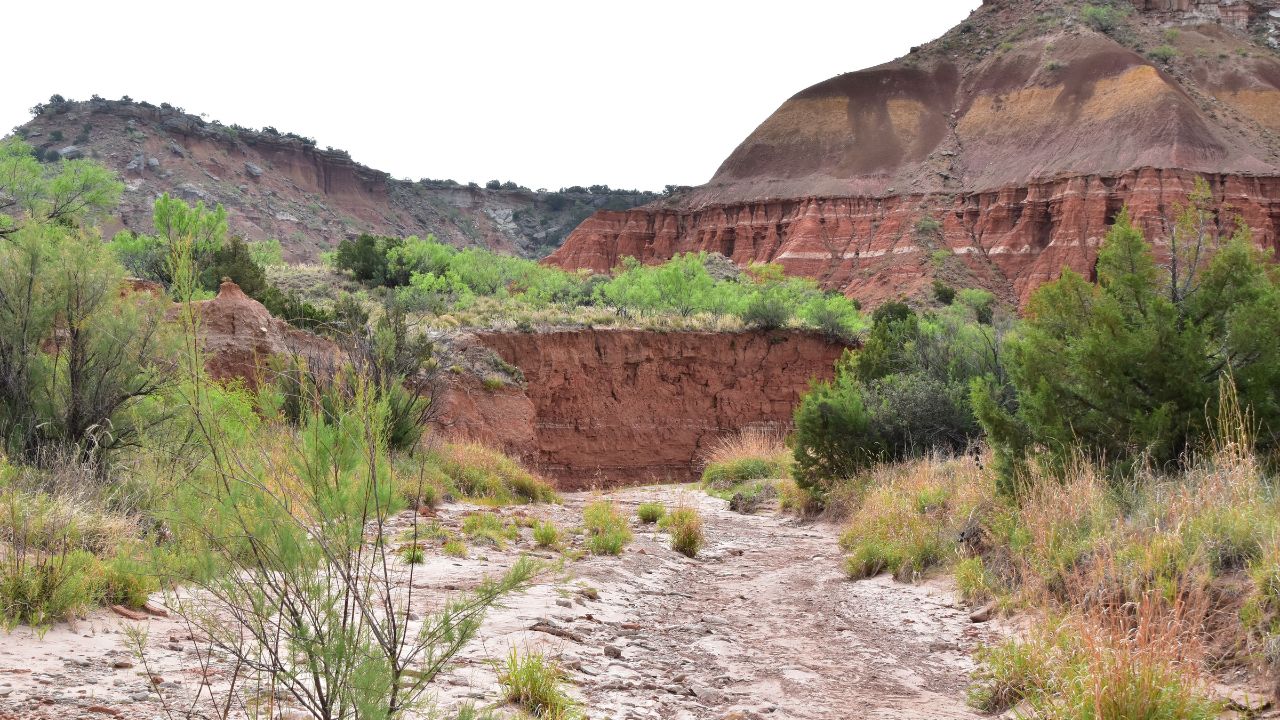
They call it the “Grand Canyon of Texas,” but Palo Duro has a personality all its own. Its sweeping red-rock canyons and mesas stretch across the Texas Panhandle, layered in shades of orange, gold, and violet. Once home to Native American tribes and buffalo herds, it still feels deeply spiritual, a place where wind and history share the same voice.
Hike the Lighthouse Trail at sunrise to see the park’s most famous rock formation blaze in the morning light, or ride horseback through the canyon like an old cowboy. At night, campfires flicker against canyon walls while coyotes call in the distance. Palo Duro is rugged, cinematic, and full of quiet grandeur, a Texas secret hiding in plain sight.
Humboldt Redwoods State Park, California
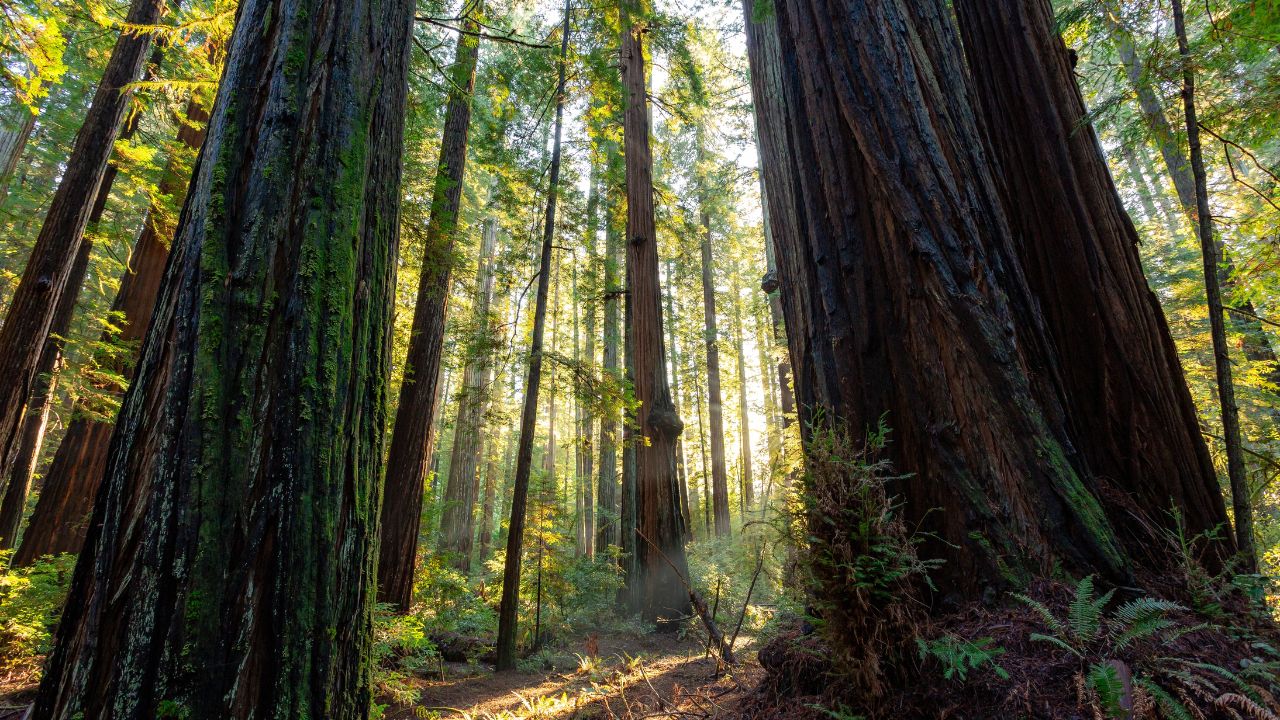
Tucked along California’s Avenue of the Giants, Humboldt Redwoods is home to the largest contiguous old-growth redwood forest on Earth. Walking among these ancient trees, some over 350 feet tall and 2,000 years old, feels like entering a cathedral built by time itself. The air is cool and still, carrying the faint scent of moss and ocean fog.
You don’t just see the redwoods here, you feel them. The way the light filters through their towering trunks, the hush that seems to fall over anyone who enters their shadow. This is a park that humbles you, slows you down, and reminds you of what endures.
Anza-Borrego Desert State Park, California
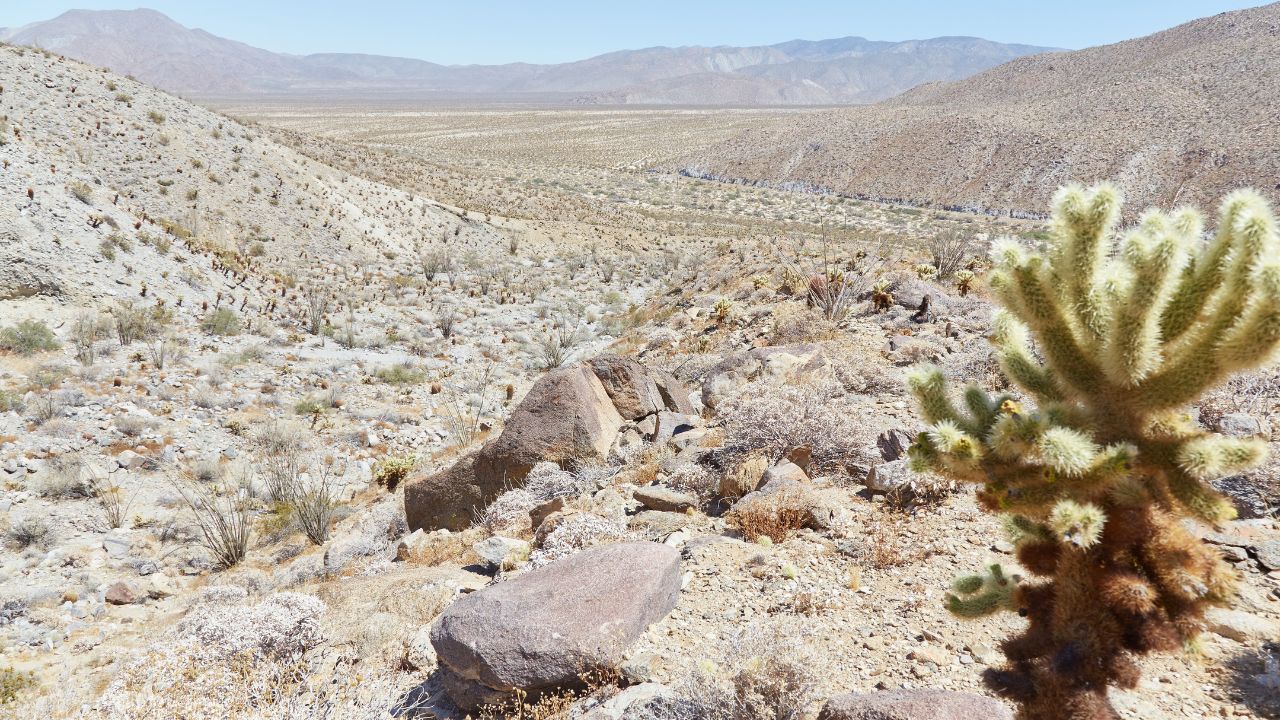
California’s largest state park is a desert of endless contrasts. Anza-Borrego is wild, vast, and alive with color, especially in spring, when a super bloom turns the desert floor into a carpet of wildflowers. Jagged mountains frame deep slot canyons, and the sunsets here bleed into the sky like watercolor.
There’s a feeling of freedom in this place, where you can hike all day and see no one, then camp under a sky crowded with stars. Between the silence, the wind, and the occasional howl of a distant coyote, you realize how alive the desert truly is.
Franconia Notch State Park, New Hampshire
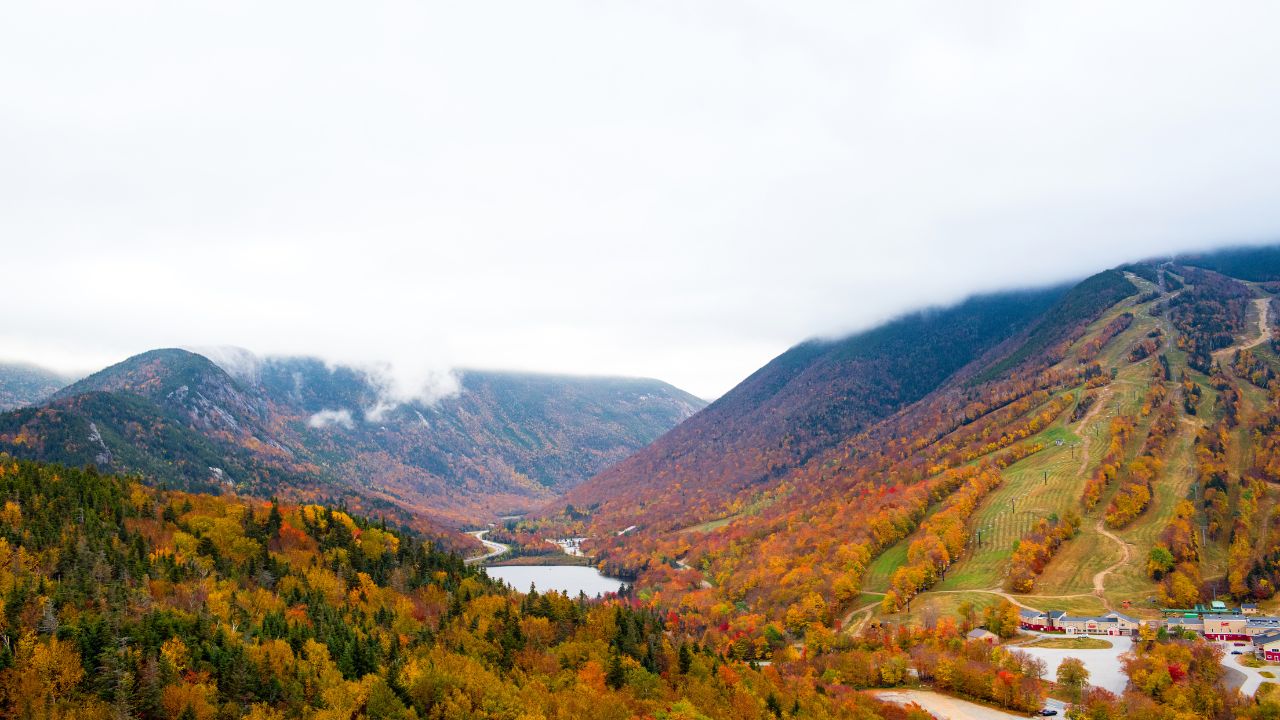
Nestled in the heart of the White Mountains, Franconia Notch is a playground for nature lovers. Its trails weave through forests, past crystal lakes, and up rocky peaks that offer sweeping views of New England’s wilderness. The Flume Gorge is the star attraction, a narrow chasm carved by glaciers, where waterfalls tumble between sheer granite walls.
Come in autumn, and the park transforms into a firestorm of color, reds, oranges, and golds reflected perfectly in Echo Lake. It’s wild and peaceful all at once, the kind of place where a simple walk feels like a meditation.
Cayo Costa State Park, Florida
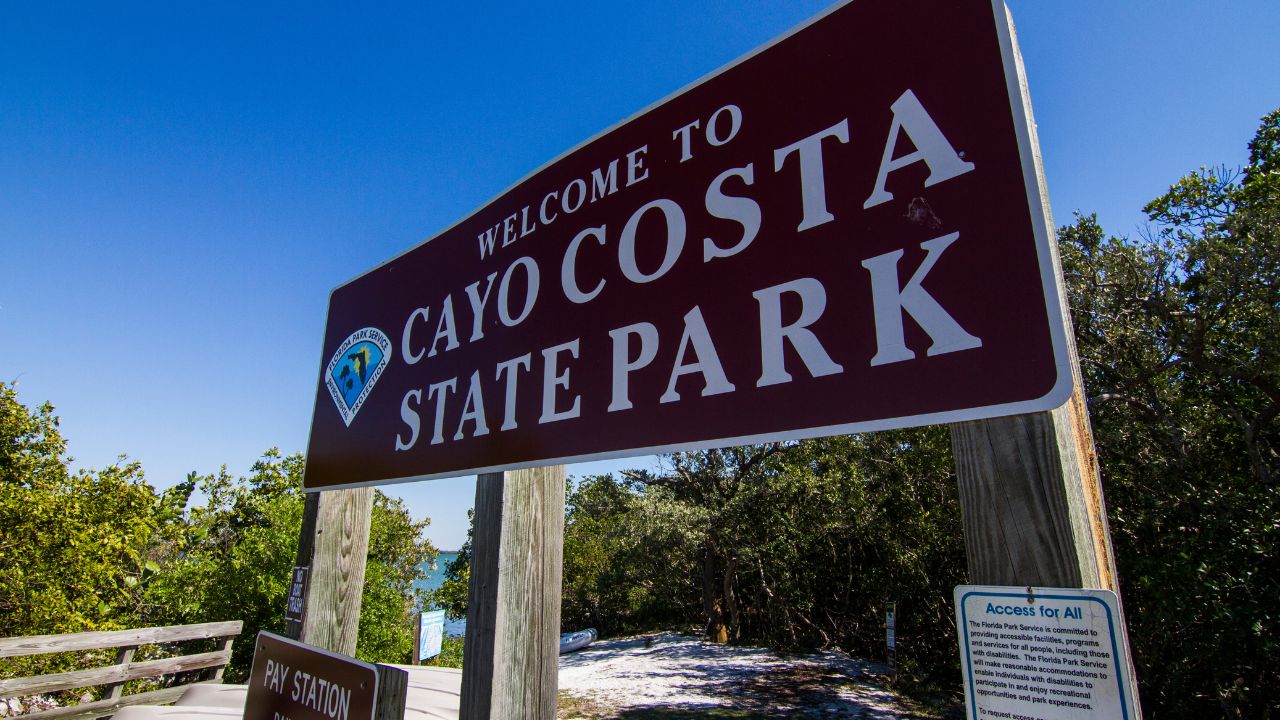
Accessible only by boat or ferry, Cayo Costa is one of Florida’s last truly wild barrier islands. Here, nine miles of pristine beach stretch along the Gulf of Mexico, untouched by resorts or crowds. Seashells glisten in the sun, dolphins leap offshore, and the waves seem to speak in whispers.
Days here pass slowly, swimming, kayaking through mangroves, watching pelicans dive into the surf. When night falls, the sky explodes with stars, and the sound of the ocean lulls you to sleep. It’s the Florida you thought no longer existed, raw, quiet, and impossibly beautiful.
Great Sand Dunes State Park, Colorado
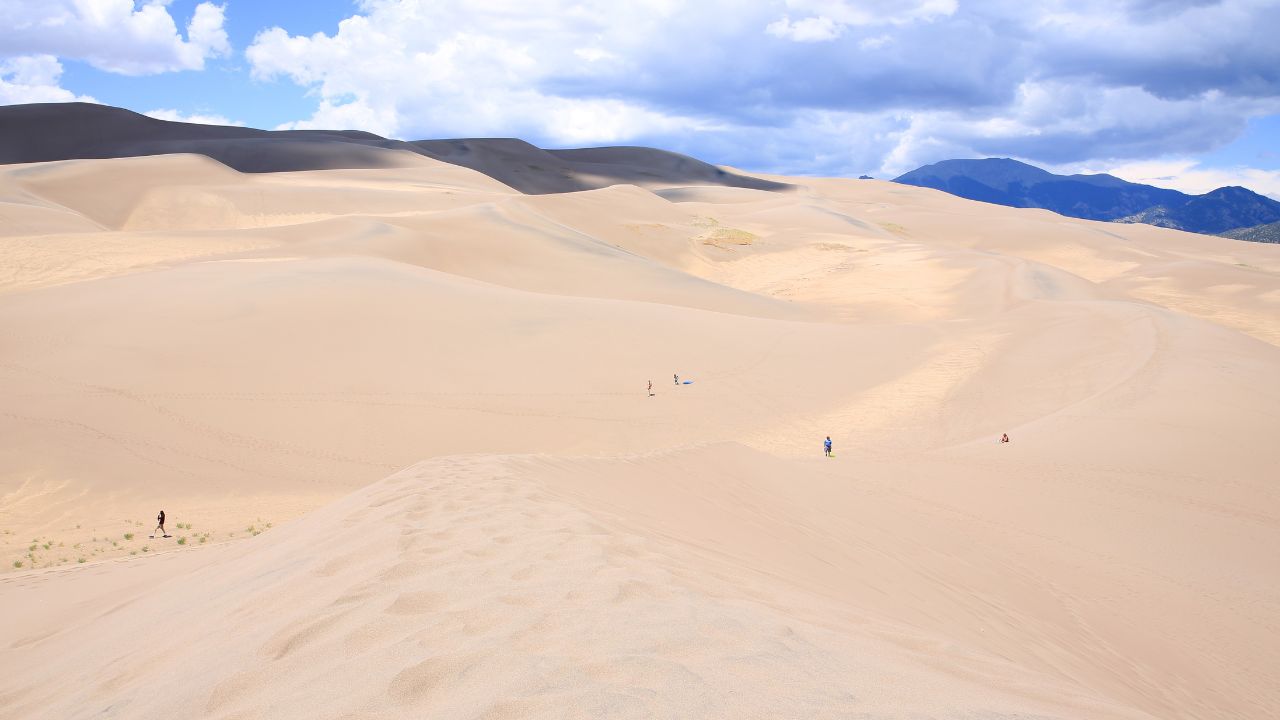
The tallest dunes in North America rise like golden waves against the backdrop of snow-capped peaks. Great Sand Dunes State Park is pure surrealism, an ocean of sand in the heart of the Rockies. The scale is staggering, and climbing the dunes feels like walking on another planet.
When the wind dies, the silence is total, and the horizon stretches forever. Families splash in Medano Creek in summer, while stargazers lie on warm sand at night under one of the darkest skies in the U.S. Few places remind you how vast and strange our planet can be quite like this.
Letchworth State Park, New York
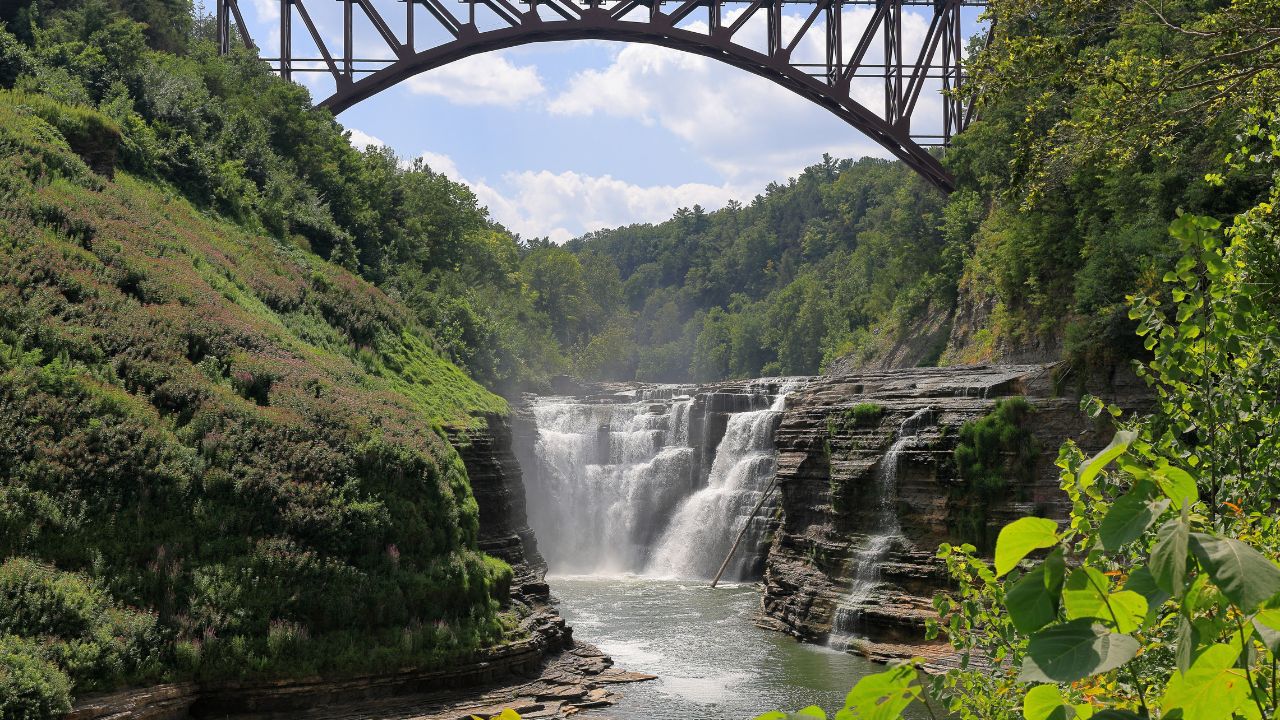
They call it the “Grand Canyon of the East,” and one visit explains why. The Genesee River carves through a gorge of sheer cliffs and thundering waterfalls, framed by lush forests that turn fiery red and gold each fall. Stone bridges and scenic overlooks make every turn postcard-worthy.
Letchworth offers both adventure and serenity, whitewater rafting in summer, snowshoeing in winter, and quiet contemplation year-round. The sound of the river echoing through the gorge is nature’s own heartbeat, steady and timeless.
Ecola State Park, Oregon

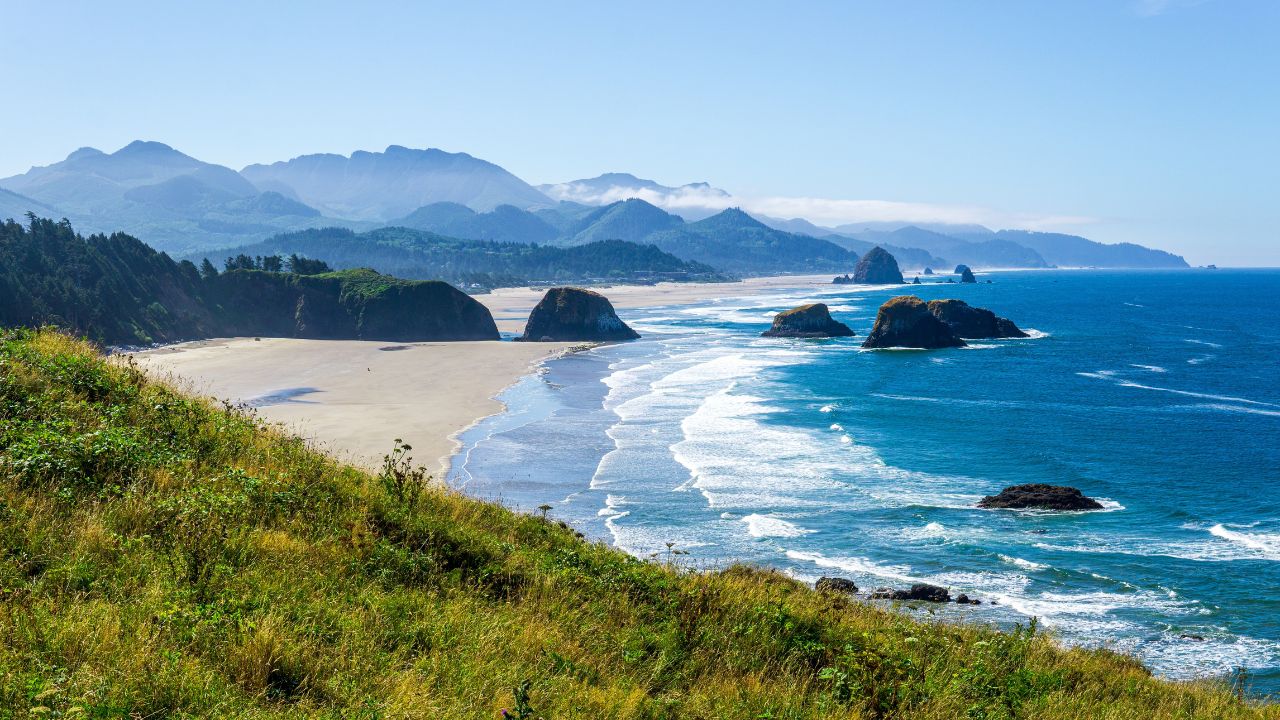
Perched on the northern Oregon coast, Ecola State Park is where rainforest meets ocean. Towering spruce trees give way to dramatic sea cliffs, and mist rises off the waves like smoke. The view of Cannon Beach’s iconic sea stacks is so cinematic it’s been featured in countless films.
But beyond the views, Ecola offers solitude, miles of hiking trails through mossy forest and hidden coves where seals rest on the rocks. When the fog rolls in, it feels like the edge of the world. It’s not the Oregon you see in postcards, it’s the Oregon that locals quietly keep to themselves.