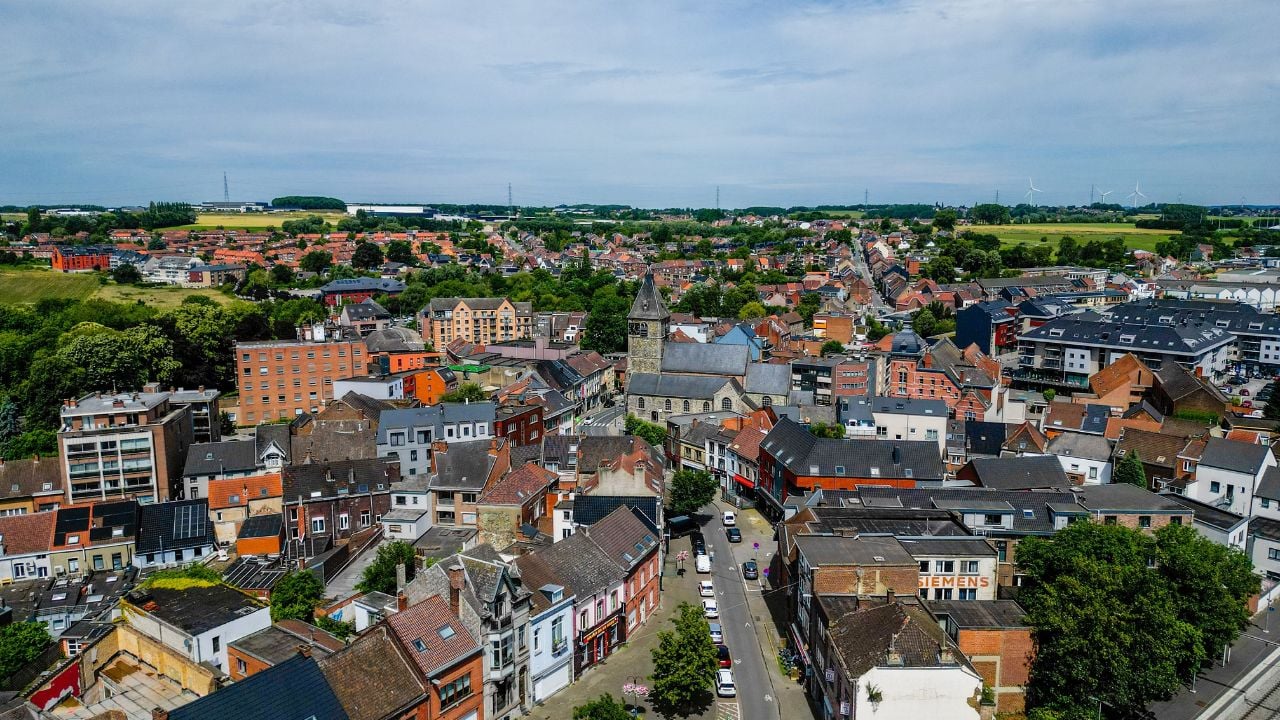
Belgium is made for a train trip that moves through several cities without turning the whole vacation into transit. Bruges, Ghent, and Antwerp sit close enough together for easy rail transfers, but the mood changes sharply at each stop.
Bruges is the soft opening: canals, brick façades, quiet bridges, and medieval streets that look best before the day crowds arrive. Ghent brings more movement, with students, terraces, riverfront buildings, castle walls, and a historic center that still feels lived-in. Antwerp finishes the route with a grand train-station arrival, fashion streets, museums, port history, and a bigger-city edge.
A three-night trip can work with one night in each city. Four nights feel better if you want Bruges at a slower pace or enough time in Antwerp for both the old center and a museum. The important part is not to overpack the days. These cities are compact, walkable, and better with room for coffee, chocolate shops, riverside stops, and one dinner that does not feel squeezed between train times.
Use SNCB, Belgium’s national railway operator, to check routes and buy tickets online. Pack lighter than you think you need, especially for Bruges and Ghent, where cobblestones and station-to-hotel walks can make one heavy suitcase feel twice as annoying.
1. Start in Bruges for Canals, Cobblestones, and a Softer First Day
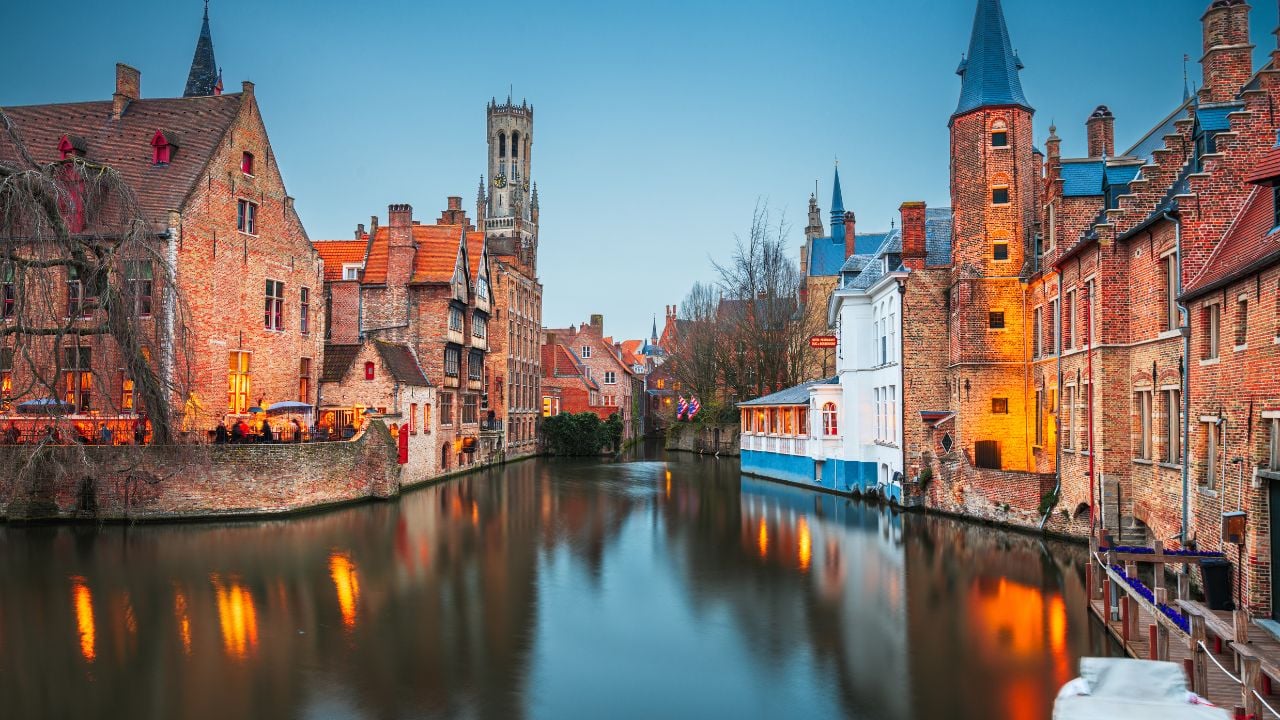
Bruges is the best place to begin because arrival day does not need much effort. The historic center is a UNESCO World Heritage Site, and the first walk usually explains why before you have even opened a guidebook: canals below low bridges, brick houses leaning into narrow streets, old squares, church towers, and horses crossing the Markt.
Start around the Markt and Burg, then move toward the canals before the busiest streets fill up. Rozenhoedkaai is famous for a reason, but Bruges is not only one postcard view. The smaller lanes, quiet corners near the water, and early-morning reflections make the city feel more personal than the main square can during peak hours.
A canal boat ride is an easy first-day treat if the weather is kind. Walking is just as important, especially in the evening when the day-trippers thin out and the lamps begin to glow along the water. Bruges becomes more enjoyable when you stop trying to “finish” it and let the route bend toward chocolate shops, courtyards, and one slow meal.
One full day is enough for a first taste, but two half-days can feel better than one rushed block. Arrive, wander, eat well, sleep in the old center if the budget allows, and use the next morning for one last quiet walk before the train to Ghent.
2. Move to Ghent for the Middle Stretch and a Livelier Waterfront Mood
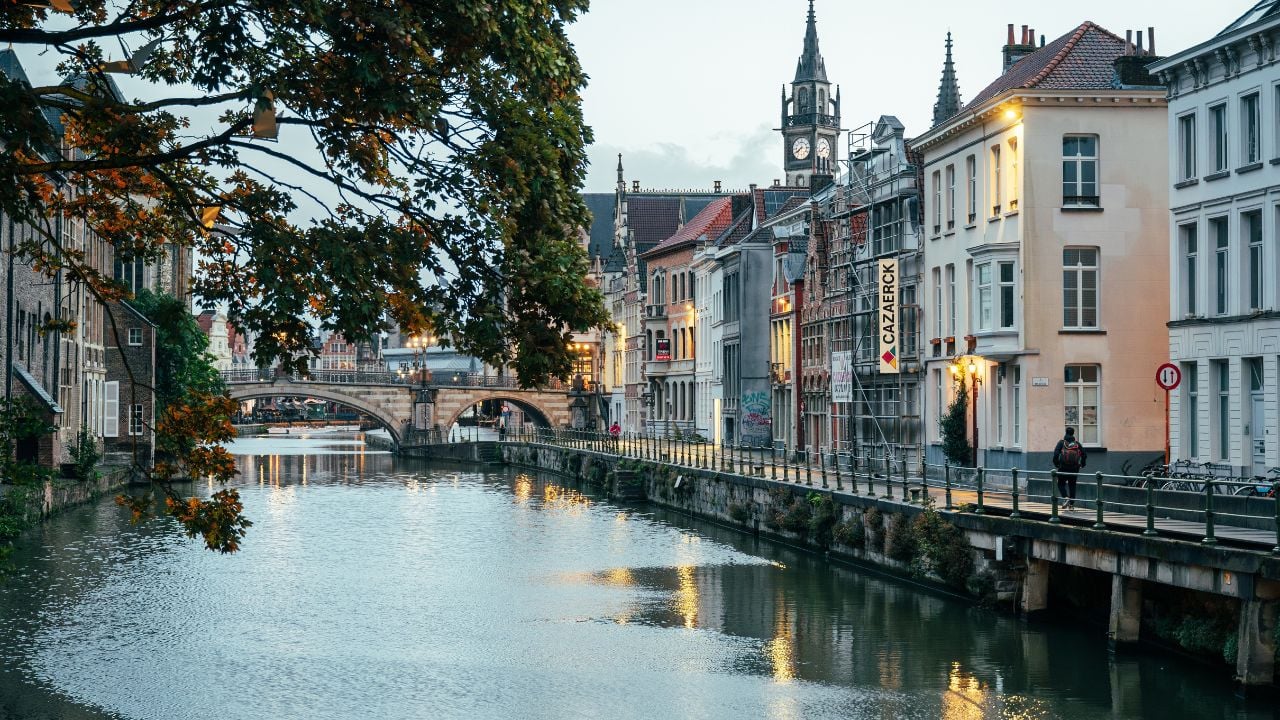
Ghent keeps the medieval beauty but adds more noise, movement, and local life. The Graslei and Korenlei are the right first stop after arrival. Ships have docked around this stretch of the River Lys since the 11th century, and today the quays are full of terraces, gabled façades, people sitting by the water, and reflections moving under the old houses.
After Bruges, Ghent feels less delicate and more awake. Students cross the squares, bikes cut through the center, restaurant terraces fill earlier than expected, and the river gives the old town a natural place to pause without leaving the action.
Spend the afternoon between the waterfront, the old center, and the Castle of the Counts. The castle sits right in the city, with battlements, narrow stairs, stone corridors, and views over the rooftops. It also has a darker side, with judicial objects and torture equipment tied to the fortress’s long history.
If the weather is good, stay outside as much as possible. Walk along the Lys, cross St. Michael’s Bridge, look back toward the towers, and let the city open from the water instead of rushing straight into another museum.
3. Give Ghent Enough Time Instead of Treating It as a Quick Pass-Through

Ghent is often treated like the practical middle stop between Bruges and Antwerp, but it deserves an overnight stay. The city has the canals and towers people expect from Belgium, plus enough evening life to make dinner feel like part of the trip rather than the end of sightseeing.
The Ghent Belfry is a recognized UNESCO World Heritage site, and Visit Gent notes that city privileges were once kept there in a locked chest. That gives the skyline more than good looks. The tower, churches, guild houses, and riverfront all sit close together, so a relaxed day still covers a lot of ground.
A strong plan is to arrive from Bruges in the morning and stay through the next breakfast. That gives time for Graslei, Korenlei, the castle, the old center, a boat ride, and a proper evening without dragging luggage back to the station too soon.
Boat trips on Ghent’s inland waterways are especially useful on a short visit. They show the historic center from a lower angle, passing under bridges and along façades that look different from the pavement. It is not the only way to see Ghent, but it fits the city well.
4. Finish in Antwerp for Fashion, Museums, and a Strong Final Change of Scene

Antwerp Central Station makes the final arrival feel properly dramatic. The building is not just a place to get off the train; it feels like the opening scene for the last part of the trip, with a grand hall, layered platforms, stone, glass, and the city waiting outside on Koningin Astridplein.
Antwerp is bigger and sharper than Bruges or Ghent, so it works well at the end. Walk from the station toward Meir, the old center, the cathedral area, and Grote Markt, then leave time for the Scheldt waterfront. The city has medieval corners, busy shopping streets, diamond-district windows, design stores, and a port-city confidence that feels very different from Bruges’ quieter canals.
The Fashion District is worth building into the day, even if you are not planning a serious shopping trip. Antwerp’s fashion reputation gives the streets around Nationalestraat and nearby design addresses a different texture from the historic center. Window displays, boutiques, and museum stops make the city feel current rather than just old and beautiful.
For one major museum, choose MAS, the Museum aan de Stroom. Its waterfront location connects Antwerp to the port, trade, migration, and the wider world, and the building itself is part of the experience. The area around the museum also gives the trip a clean change of scene after two cities built around smaller historic cores.
5. Make the Triangle Feel Easy With the Right Pacing

The smoothest version is one night in Bruges, one night in Ghent, and one or two nights in Antwerp. Travelers with four nights can slow the route down by giving Bruges or Antwerp an extra night. Bruges benefits from early mornings and evenings, Ghent is best when you stay long enough for the waterfront after dark, and Antwerp needs enough time for both the old center and one museum or fashion stop.
Brussels can still be the arrival or departure point, especially for flights and international rail connections, but it does not need to dominate this particular route. The Bruges-Ghent-Antwerp line already gives first-timers a clear Belgian progression: soft canals, livelier riverside streets, then a larger port city with fashion and museums.
Check train times on the day, avoid overloading the schedule, and think carefully about luggage. A short walk from the station can feel long on uneven streets, especially in Bruges or Ghent. A smaller bag makes it easier to stop for lunch before check-in or take one last walk before departure.
Done well, this route feels like one connected Belgian trip rather than three separate city breaks. The train links the pieces, but the cities do the real work: Bruges slows the start, Ghent fills the middle with water and life, and Antwerp sends you home with a stronger urban finish.