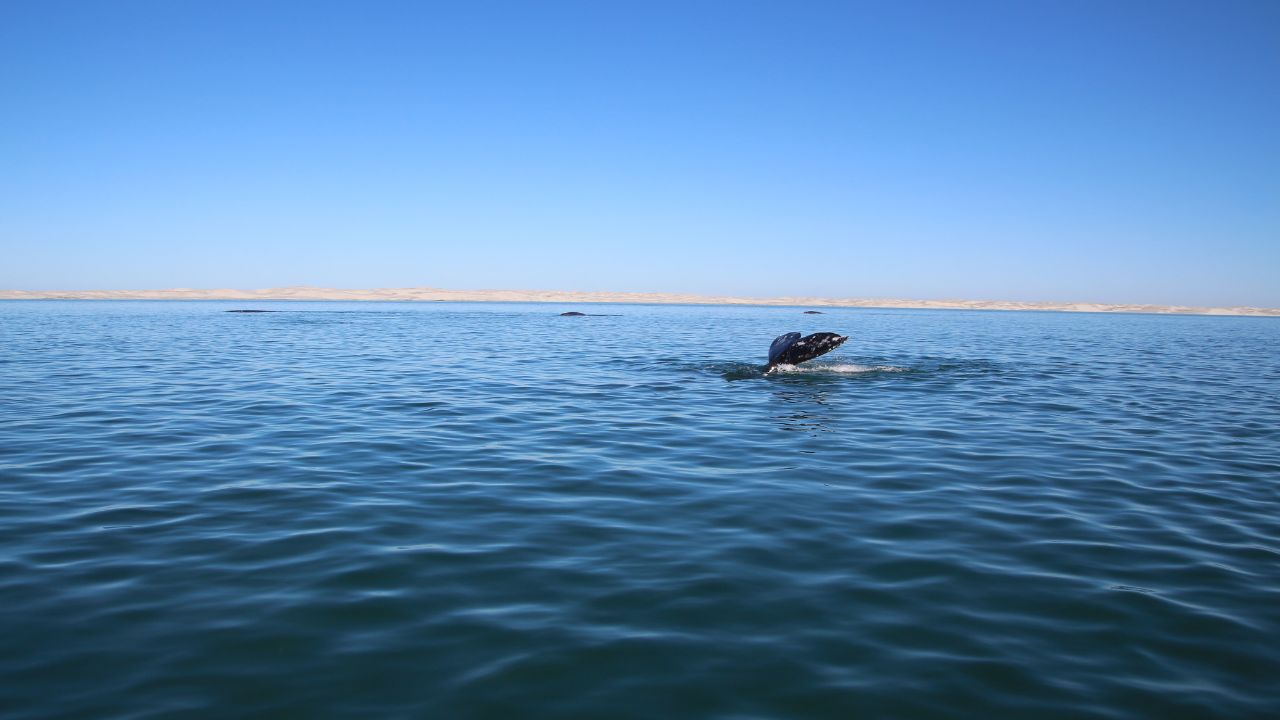
Crisp light on Mexico’s peninsula can feel made for wildlife photography. February sits inside Mexico’s official whale-watching season, which SEMARNAT publishes each year by zone under NOM-131-SEMARNAT-2010. Peak activity is widely described across January through March.
Pick a base, book a reputable operator, and leave space for weather to change the script.
National guidelines for cetacean outings sit under NOM-131-SEMARNAT-2010, and solid crews follow them with permits, approach limits, and time caps. Pack for salt and motion: a sealed bag, a microfiber cloth, and exposure settings built to freeze motion. Operators position the craft while you focus on timing and calm behavior.
1. Adolfo López Mateos, Near Bahía Magdalena
López Mateos is known for nursery channels where gray whales linger during the migration’s core. Narrow waterways and mangrove edges make surprises common: a blow can appear beside the gunwale, then vanish behind ripples. Start with a medium zoom, then switch to a wider optic if a calf drifts alongside.
Dawn departures often deliver smoother surfaces and gentler contrast on breath plumes. Plant your elbows, fire short bursts, and watch the breathing rhythm so you are set for the tail lift. Ask the skipper to idle and let the animals pick the spacing, because patience produces cleaner frames.
2. Laguna San Ignacio, El Vizcaíno Backcountry
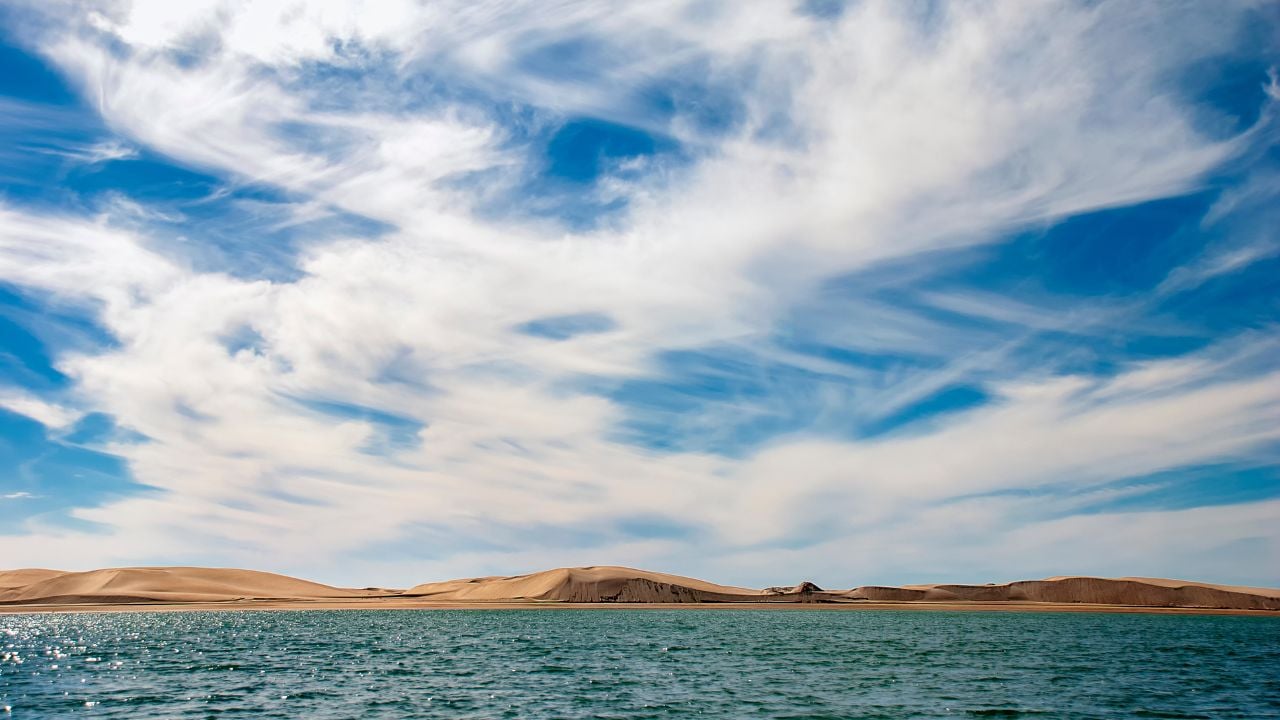
Sand flats and low desert ridges frame this protected nursery, so backgrounds look dramatic even on a simple overcast day. Community cooperatives manage access here, and visitor numbers can be limited, so reserving early is smart. Carry a single body plus reach glass, with everything else sealed in a dry sack.
When a curious youngster rolls alongside the panga, widen your field of view and include faces for scale. Quiet voices help; abrupt noise can end a moment before it begins. If chop builds, raise ISO and shorten exposure time, because bobbing skiffs punish slow timing.
3. Guerrero Negro, Laguna Ojo de Liebre
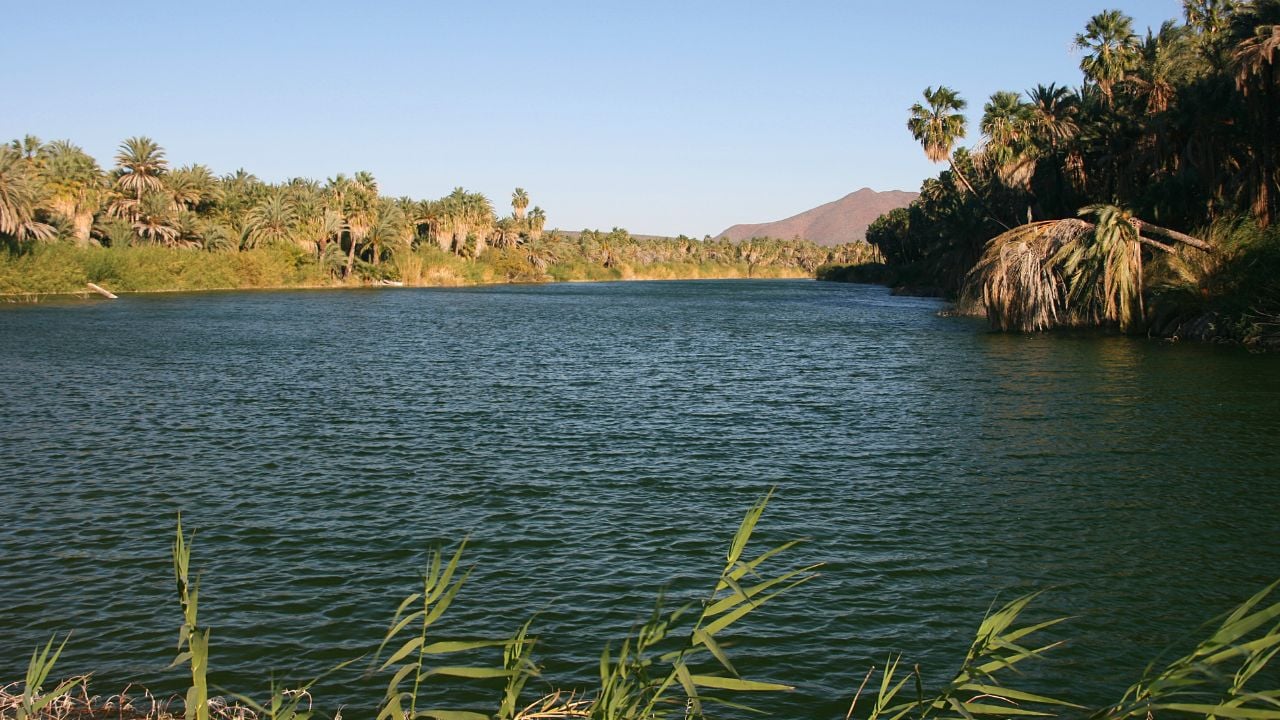
This broad basin, often called Scammon’s Lagoon, is one of the major calving areas for the California gray. Expect longer shooting distances than at smaller nurseries, especially when mother-calf pairs cruise the far side. Stabilization and a locked-in stance beat any monopod on a bouncing vessel.
Watch for a repeatable sequence: inhale, arch, dive, then the fluke. Anticipate the splash zone, and you will catch the drop, not the aftermath. Midday glare can be brutal, so shade the front element and meter for bright foam.
4. Loreto, Islands of Parque Nacional Bahía de Loreto
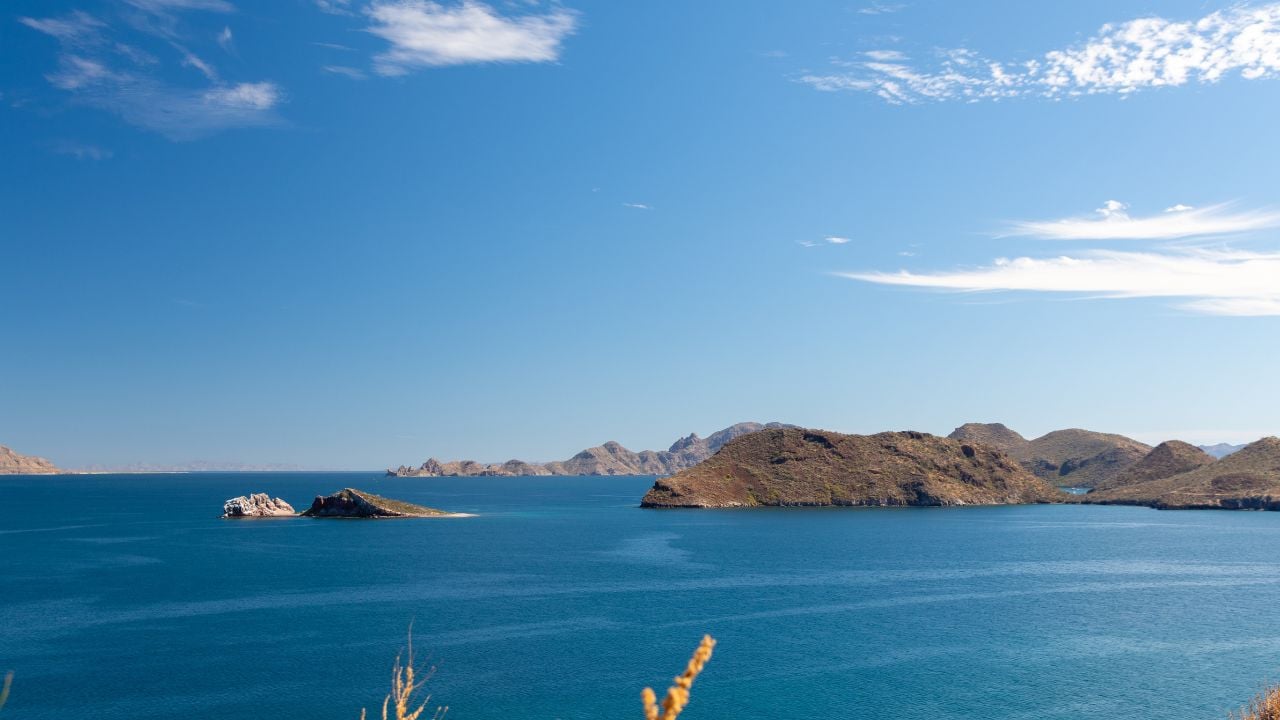
This Sea of Cortez town delivers mountainous islands and clear horizons that make scale obvious in photos. CONANP notes that blue whales are viewed here starting in January, with the viewing period ending on April 30th. Carry a tele zoom, but keep a wide lens ready for the moment a massive back breaks near the bow.
Cool mornings sometimes create light haze that can confuse autofocus. Switch to single-point AF and lock on the dorsal ridge as it appears. If your guide drifts with engines off, use that silence to frame breath plumes without wake clutter.
5. Cabo San Lucas, Land’s End and Coastal Headlands
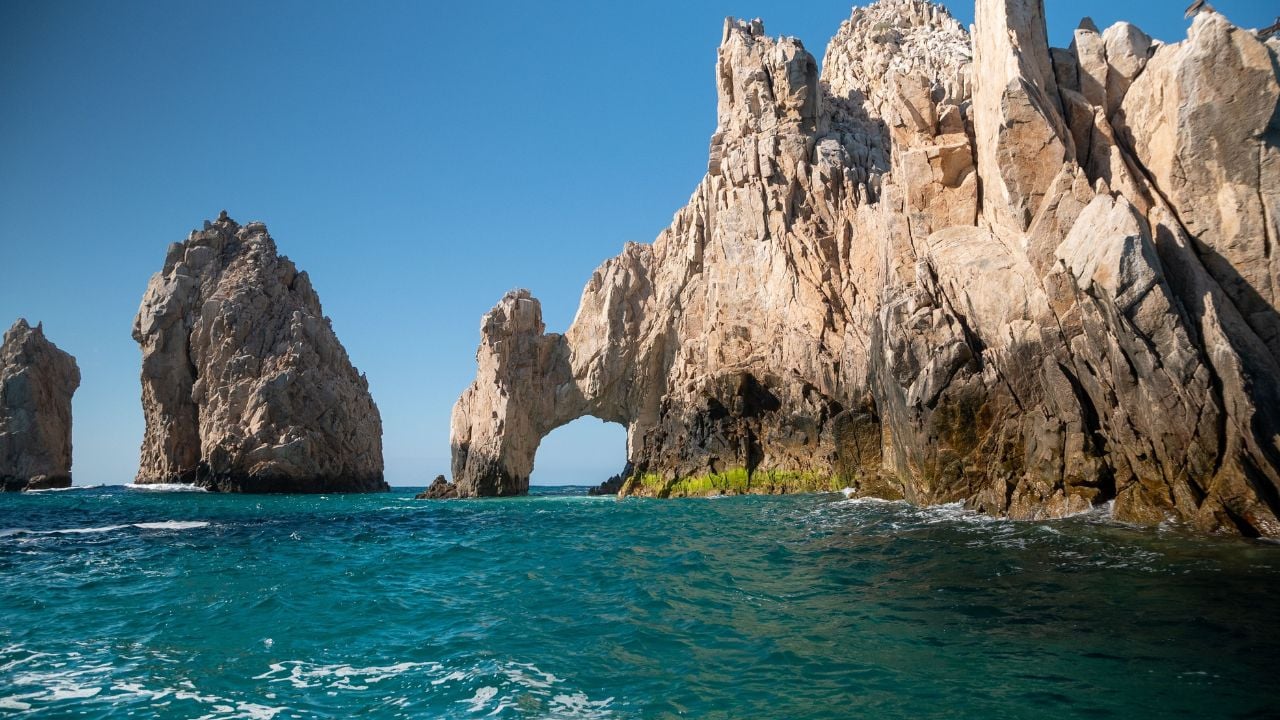
At the peninsula’s tip, deep water meets rocky points, and humpback displays can be sudden and loud. El Arco gives an instant landmark, so include it when conditions allow a place-specific shot. Protect gear from spray, because waves rebound off the rocks.
Use a very fast shutter speed for breaches, then leave generous sky so the full leap fits. Track the arc, not the splash, and you will nail more mid-air frames. Hold a rail during turns, because rollers can jolt even experienced photographers.
6. La Paz, Bay of La Paz, and Isla Espíritu Santo
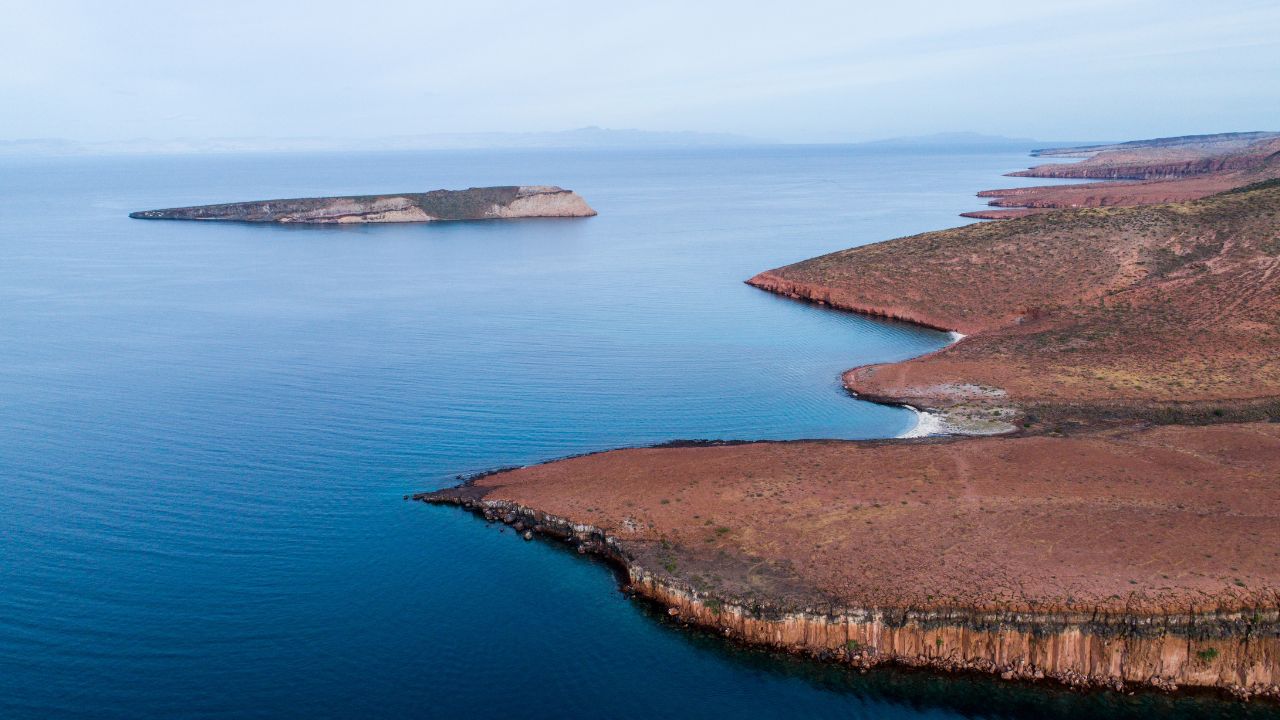
This Gulf-side base pairs easy launches with winter sightings of migrating singers around the island zone. Red cliffs and teal coves add texture that makes blows pop against darker rock. Shoot low toward the surface so the plume separates from the background.
Breeze typically rises later in the day, so morning departures tend to feel steadier. Wear a waterproof shell, because staying warm improves hand stability. When an animal pops up close, resist leaning over the edge; allow it to pass, then raise the camera.
7. Punta Lobos, Todos Santos Coast
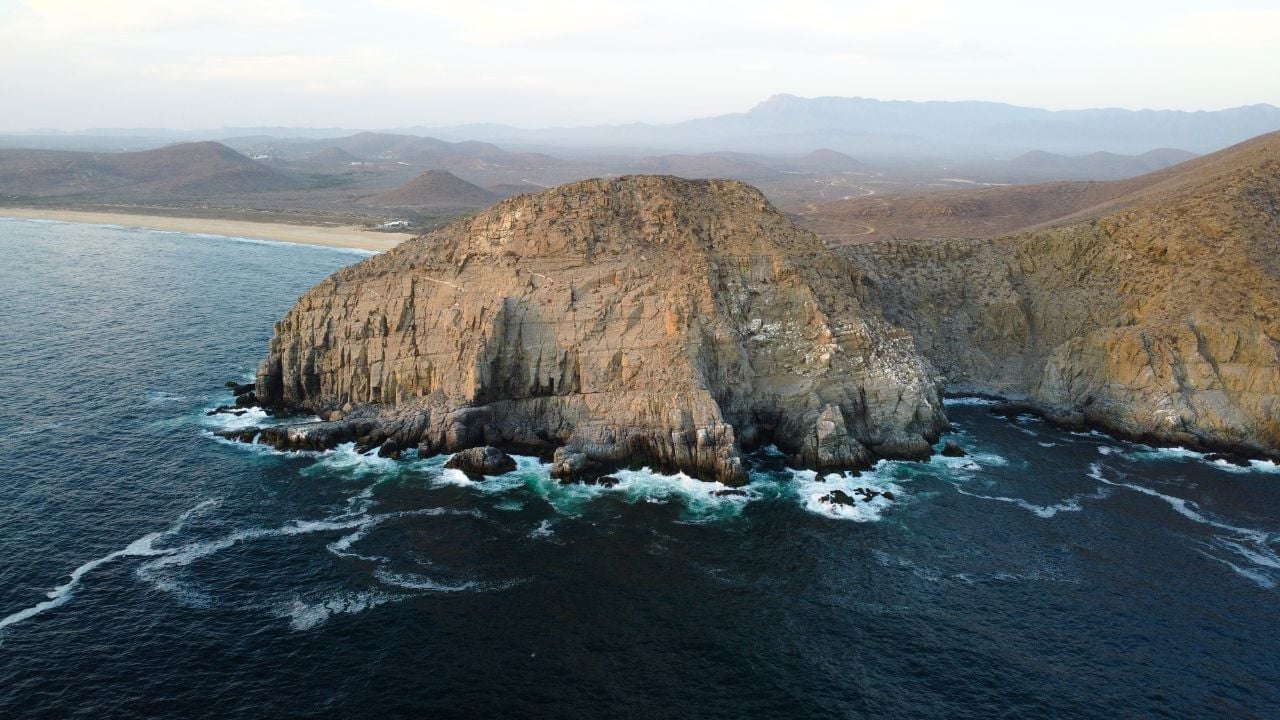
Some days, shore lookouts are enough. Clifftops and beach stretches near Punta Lobos can reveal offshore blows and occasional leaps, with sand under your feet. A tripod works well on rock, while a compact support helps if you roam.
Wait for a lull between wave sets, then track calm patches where the plume reads clearly. Tap burst mode in brief runs so storage is not wasted on empty sea. If you join an outing from nearby ports, choose a small craft that can hold position without crowding.
8. Punta Banda, South of Ensenada
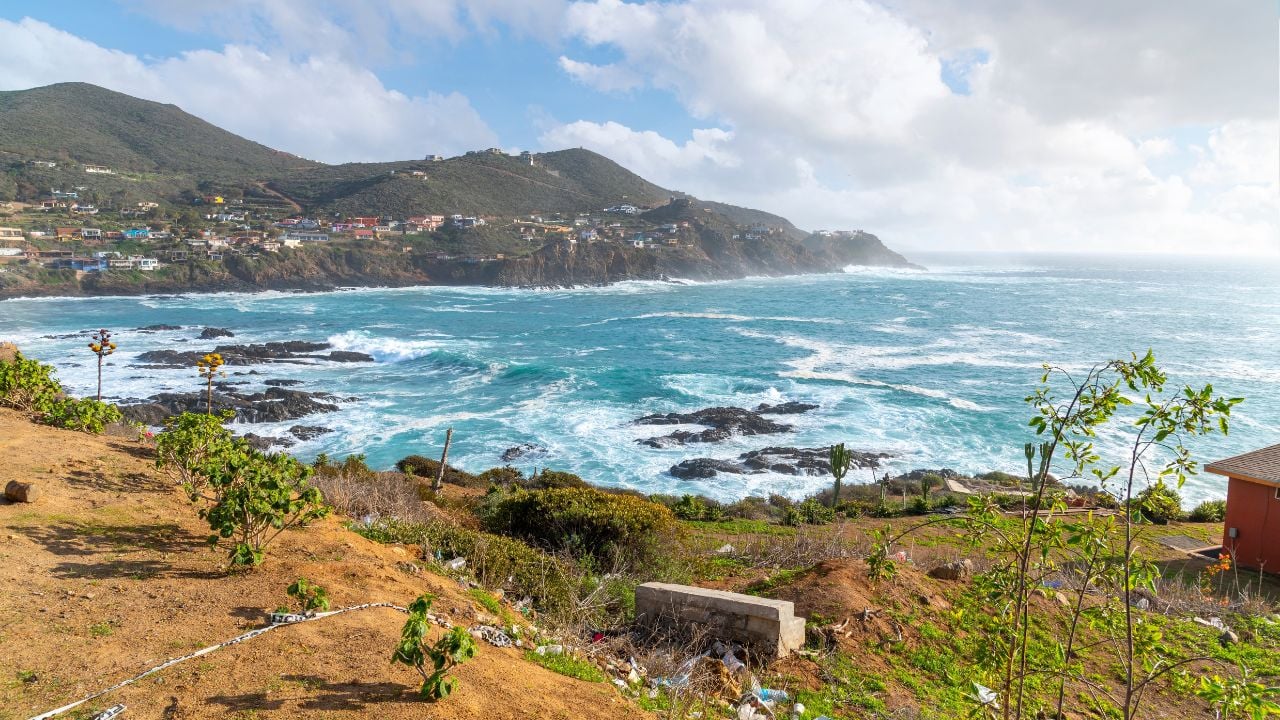
Northern Baja sits on a migration corridor, and research and management work has historically focused on vessel traffic near Ensenada’s waters. Short runs from the harbor can still deliver strong encounters during winter months. Early hours outline dorsal fins against kelp-darkened surf, giving your shots a clean silhouette.
Claim a stable rail spot and stay poised, since surfacing can happen beside the hull. Flat overcast skies are a gift, reducing harsh contrast on backs and fins. Stick with permitted operators and maintain a respectful distance, because ethical watching protects animals and your trip.