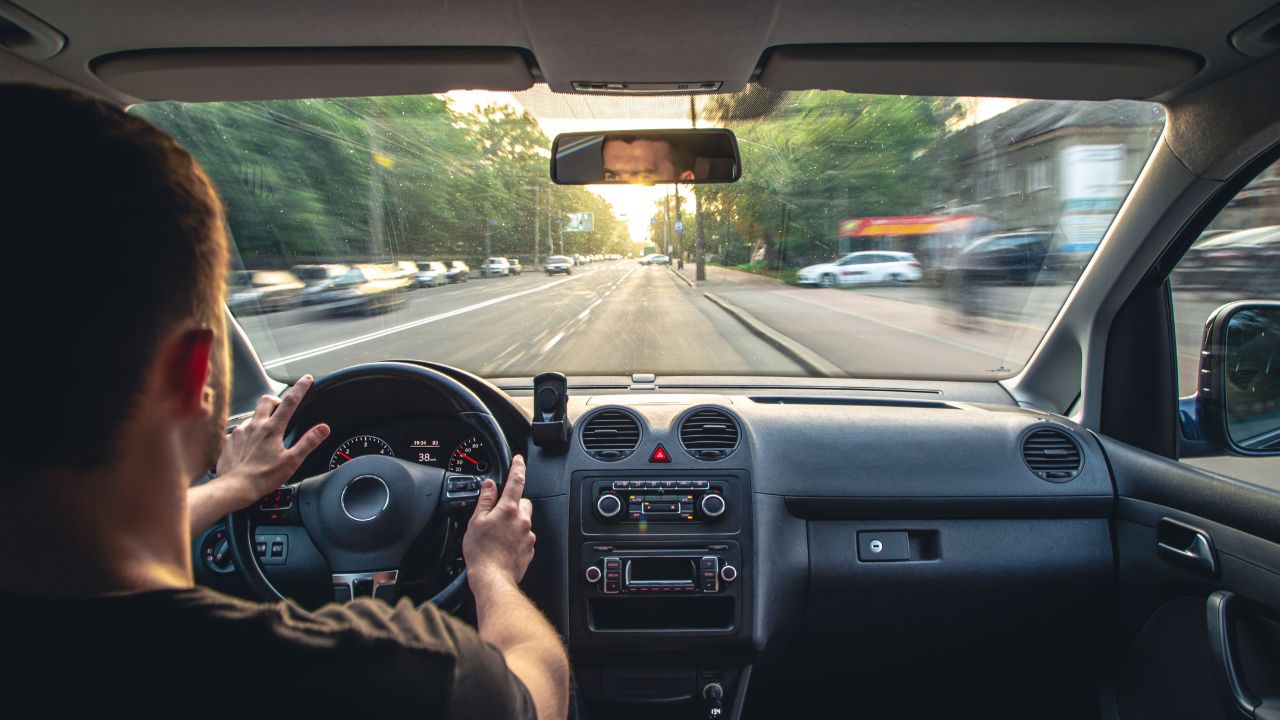
We all have our quirks behind the wheel. Maybe you’re guilty of hugging the left lane like it owes you money, or perhaps you treat turn signals like they’re optional DLC for your car.
Well, as we roll into 2026, it’s time for some honest self-reflection about the habits we’ve let slide for way too long.
These aren’t just minor annoyances, they’re the kind of behaviors that make other drivers question whether we actually read the manual or just skipped straight to the fun parts. The good news? Recognizing these habits is the first step toward becoming the driver we all wish we had around us on the highway.
Consider this your friendly intervention from a fellow car enthusiast who’s been there, done that, and lived to cringe about it later!
Left Lane Camping

Ah yes, the left lane lounger, setting cruise control at exactly the speed limit and wondering why everyone’s flashing their high beams.
Here’s the thing: the left lane isn’t for comfortable cruising (or even constant speeding)… It’s a passing lane, and many states restrict left-lane cruising (often via ‘keep right except to pass’ or ‘don’t impede traffic’ rules), but the exact wording and enforcement vary by state.
Safety agencies and traffic engineers warn that lane discipline affects congestion and crash risk, especially when it disrupts traffic flow to traffic congestion and increases collision risk. Sure, some folks will argue they’re “going fast enough” or “teaching speeders a lesson,” but that’s not how traffic flow works.
The left lane is for overtaking, period, once you’ve passed, slide back right and let faster traffic through. Your job isn’t to be the self-appointed speed enforcer; that’s what actual law enforcement is for, and they’ve got radar guns to prove it.
Treating Turn Signals Like Classified Information
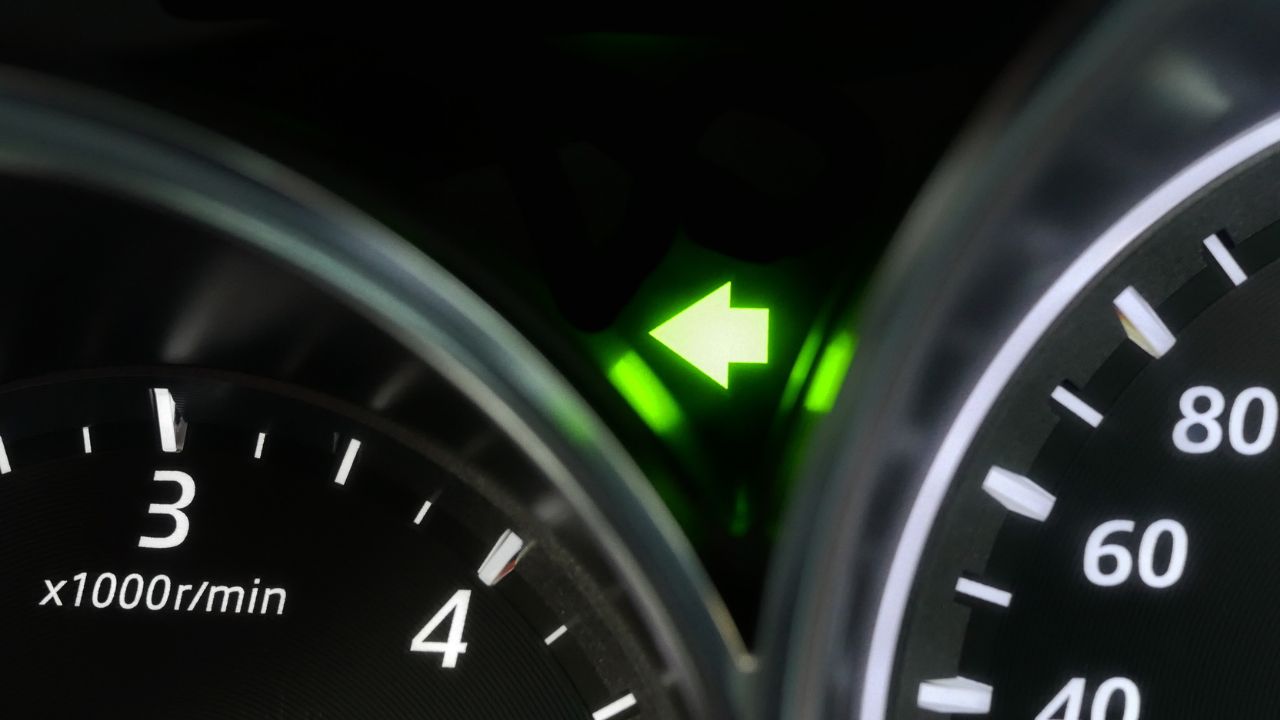
If you’re the type who thinks using a turn signal telegraphs your strategy to the enemy, we need to talk.
Turn signals aren’t just polite: they’re legally required in all 50 states, and they give everyone around you critical information about what’s happening next. A widely cited SAE analysis estimated that improper turn-signal use could be linked to on the order of ~2 million crashes per year, based on observational signal-use rates and assumptions about crash involvement (i.e., it’s an estimate, not a direct count) in the US. That’s a staggering number for something that requires approximately 0.2 seconds of effort on your part.
Some drivers insist that signaling in heavy traffic just makes people speed up to block them, but that’s exactly the kind of cynical thinking that perpetuates the problem. Yes, occasionally someone will be a jerk about it, but the alternative is creating a guessing game at 70 mph, and nobody wins those.
Flip that stalk, save a life, and stop acting like your next move is a state secret.
Phone Fixation at Red Lights
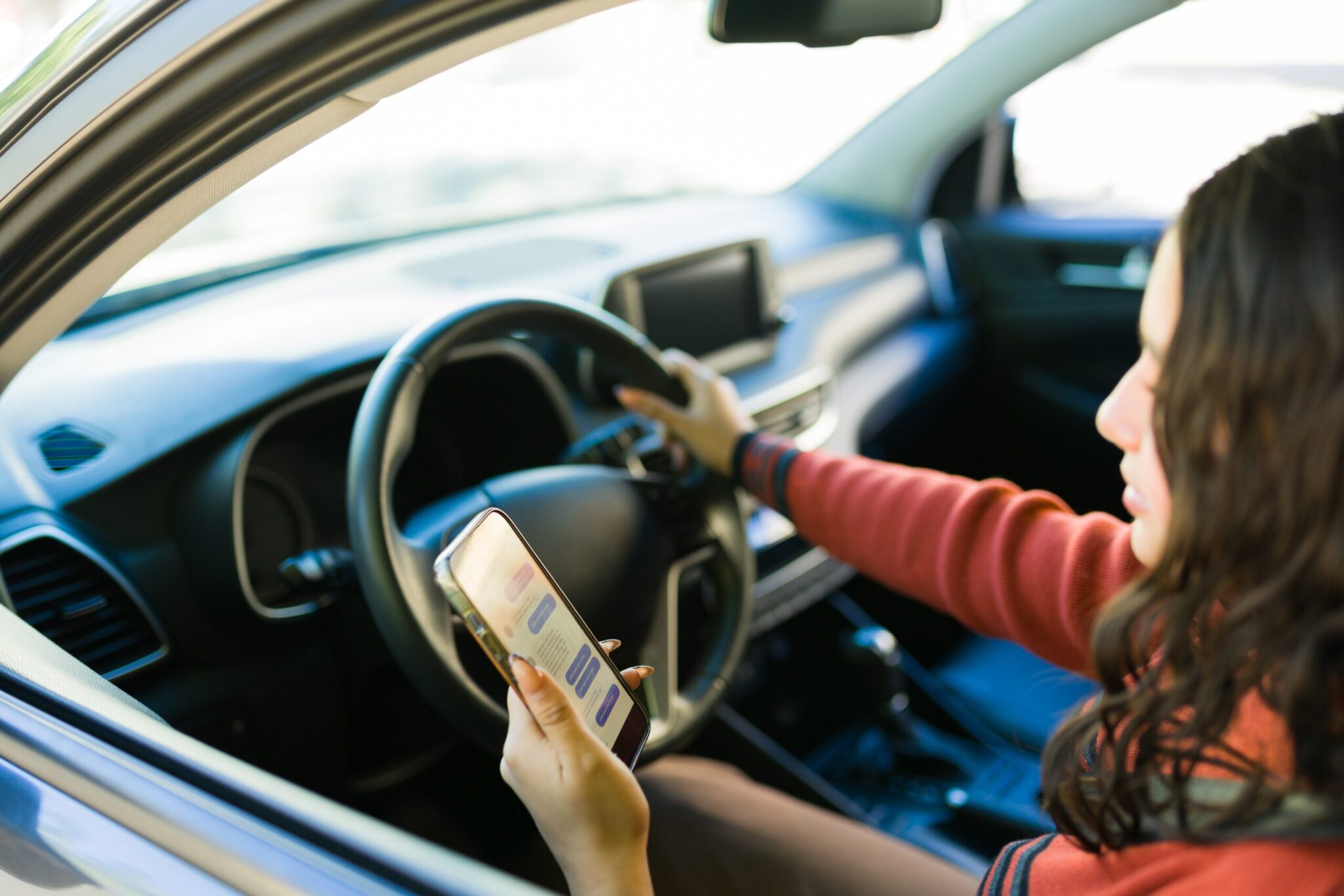
The light turns green, and you’re still there, thumbs deep in a text thread that definitely could have waited another three minutes.
Here’s where it gets even worse: even though you’re stopped, that phone habit is screwing up traffic flow for everyone behind you. Distracted drivers at signals create measurable ‘start-up lost time’ and reduce intersection throughput, especially in heavy traffic, which compounds exponentially during rush hour. The “but I’m not moving” defense doesn’t hold up when you consider that you need to be ready to process traffic conditions the moment that light changes.
And before anyone says “back in my day we didn’t have these problems,” remember that back in your day, people also weren’t trying to respond to seventeen group chats while operating machinery.
Put the phone in the cupholder, watch the light, and keep traffic moving, your Instagram feed will survive the wait.
The Bumper-Kissing Tailgater
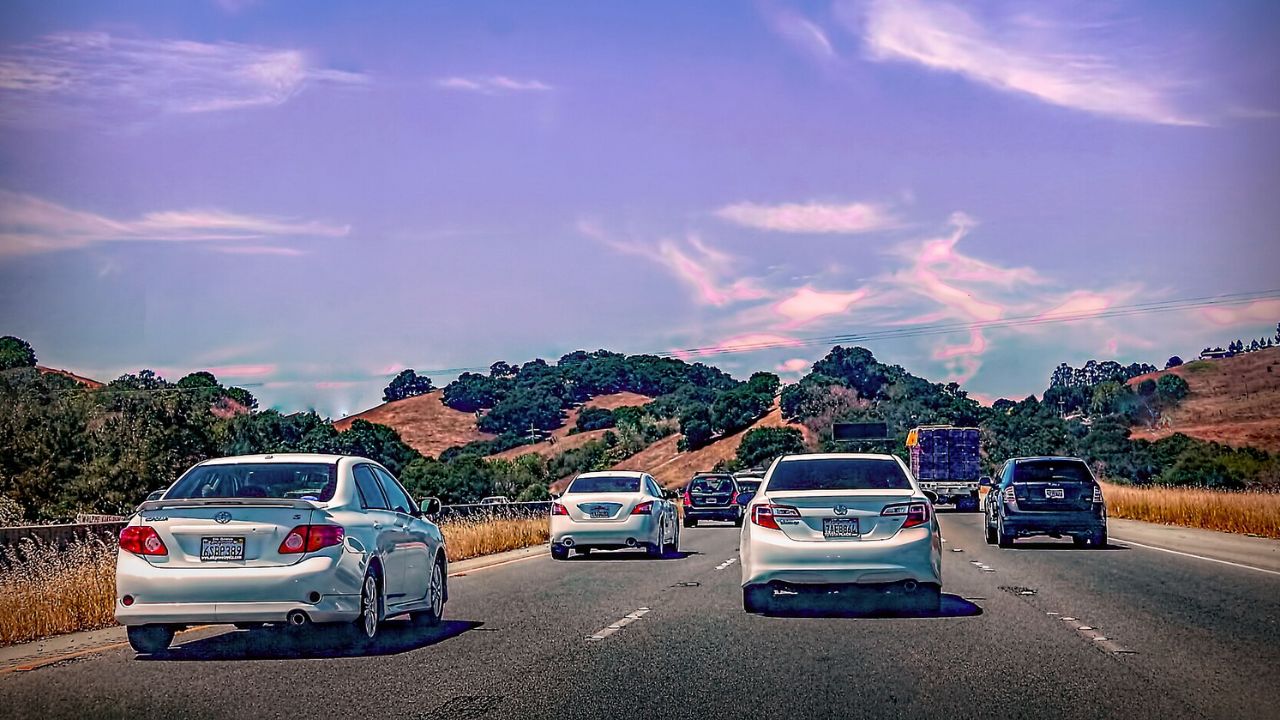
Riding someone’s rear bumper like you’re drafting at Talladega doesn’t make them go faster; it just makes everyone nervous.
The recommended following distance is three seconds under ideal conditions (more in rain/snow). At highway speeds, that’s multiple car lengths, much more than ‘one car length per 10 mph you’re traveling. According to National Safety Council data, rear-end collisions account for approximately 29% of all crashes, causing a substantial number of injuries and fatalities each yeary. The justification usually goes something like “if they’d just speed up, I wouldn’t have to,” but that’s treating public roads like your personal autocross track. Traffic conditions, weather, and unexpected obstacles all require safe stopping distances, and physics doesn’t care about your schedule.
Back off, take a breath, and remember that arriving 90 seconds later is infinitely preferable to arriving in an ambulance.
Ignoring Zipper Merge Etiquette
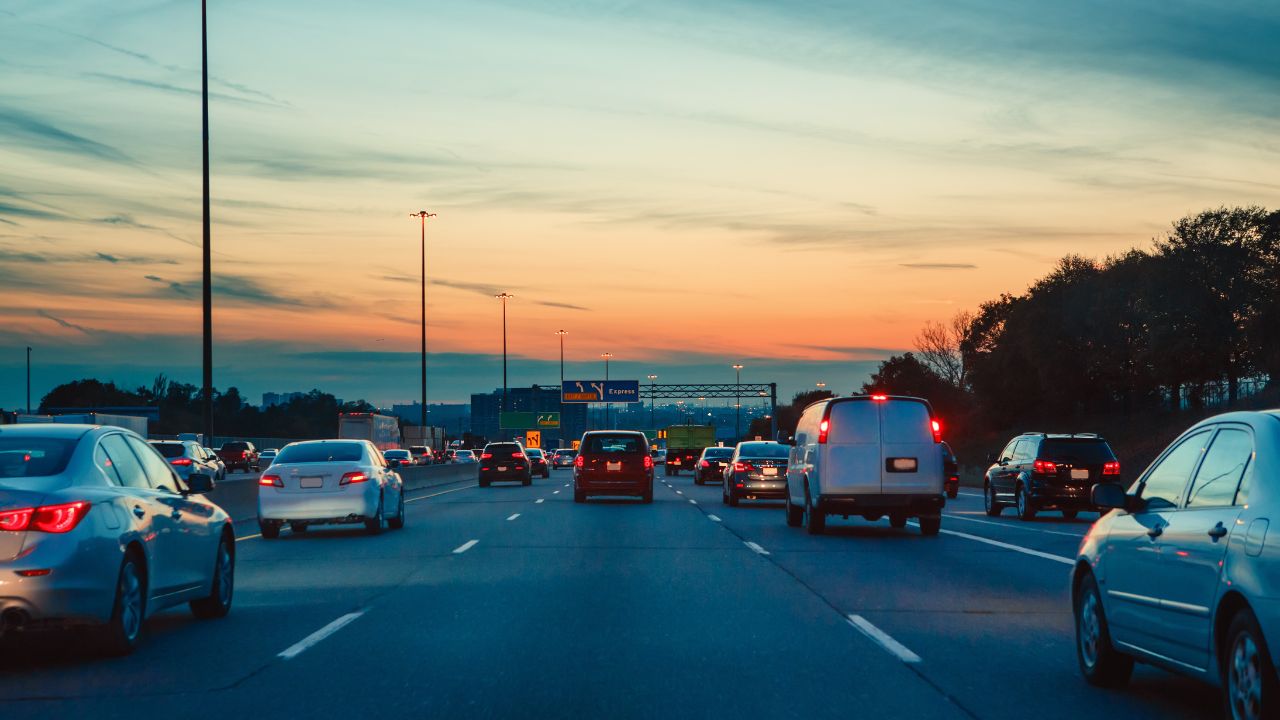
You see that lane ending ahead, so you merge early like a responsible citizen, then you sit there seething as cars zoom past to merge at the last second. Ug!
Plot twist: those “cheaters” are actually doing it right. The zipper merge, where drivers use both lanes until the merge point and then alternate, is the most efficient method and it’s endorsed by transportation departments nationwide. Minnesota DOT says proper zipper merging can reduce the overall length of backups by as much as 40% compared with early merging.
The old-school mentality says early merging is courteous, but it actually creates longer backups and wasted road space. When construction signs say “use both lanes to merge point,” they mean it, this isn’t a moral test of character.
Embrace the zipper merge, alternate smoothly, and stop giving dirty looks to people who understand traffic engineering better than you do.
Brake-Checking Revenge Fantasies
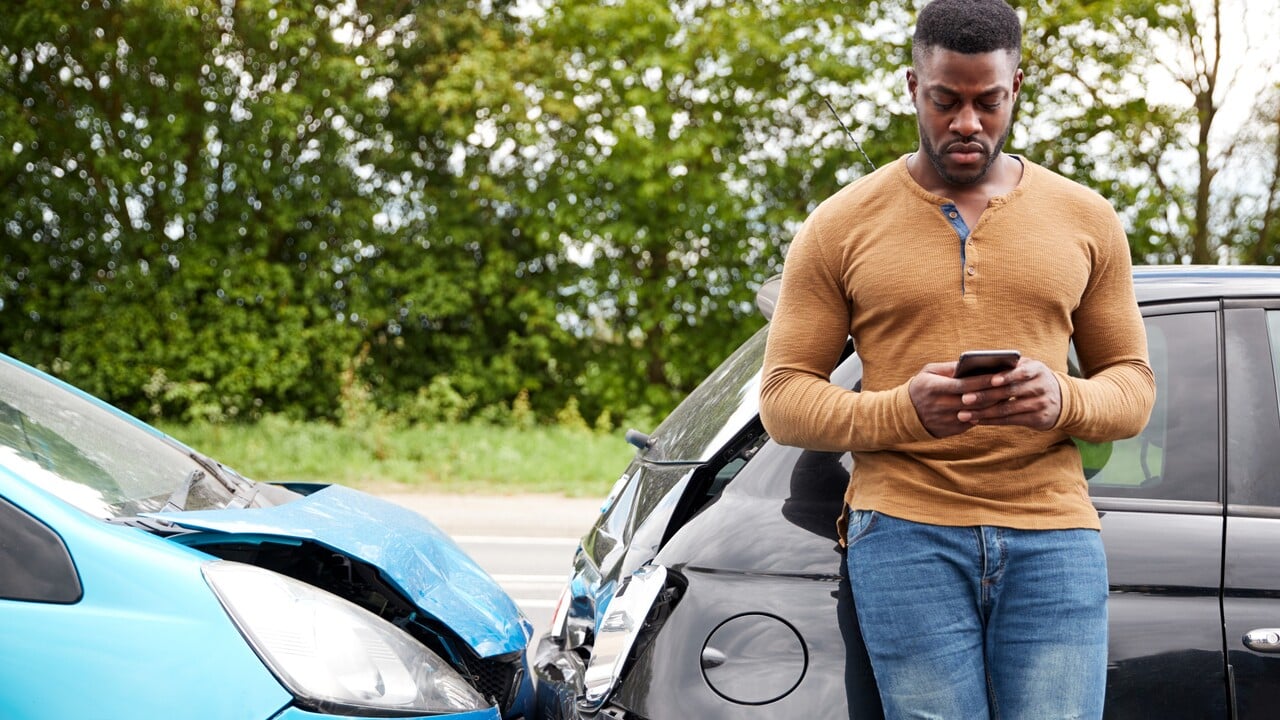
Someone’s riding your bumper or driving aggressively, so naturally, you tap your brakes to “teach them a lesson” about following distance. Congratulations, you’ve just escalated a traffic annoyance into potential vehicular combat.
Brake-checking can be treated as aggressive/reckless driving and can create serious civil or criminal liability, especially if it causes a crash, it’s classified as aggressive driving or even assault with a vehicle, it’s also monumentally stupid from a self-preservation standpoint. Insurance companies have become increasingly savvy about this thanks to dashcam footage, and if you brake-check someone and cause a collision, you’ll likely be found at fault. The “they were too close” defense evaporates when you intentionally hit your brakes with no legitimate traffic reason.
The mature response to a tailgater is to change lanes and let them pass, not to engage in automotive psychological warfare. Your ego isn’t worth the insurance premium hike or the potential neck injuries all around.
The Permanent Fog Light Enthusiast
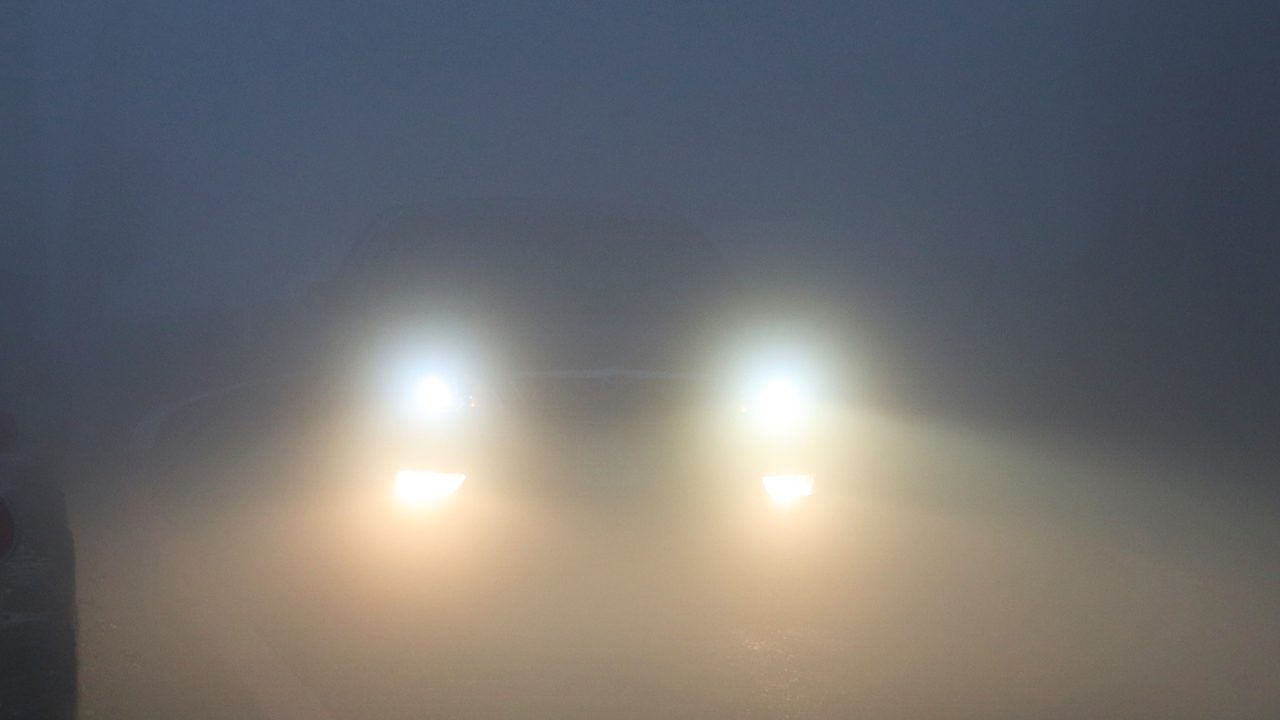
Your fog lights aren’t auxiliary high beams or “extra cool running lights”, they’re specifically designed for low-visibility conditions like fog, heavy rain, or snow.
Running fog lights in clear conditions doesn’t make you look cooler; it creates glare for oncoming traffic and can actually reduce your own visibility by illuminating rain or particles in the air right in front of your vehicle. According to automotive lighting engineers, fog lights are angled low and wide specifically to illuminate the road surface below fog banks. Some drivers insist they “need all the light they can get,” but that’s misunderstanding how optics work, more light in the wrong place is worse than properly aimed headlights alone.
Modern headlights are engineered to provide optimal visibility without fog lights except in genuinely poor conditions. Save the fog lights for actual fog, and stop wondering why people flash their brights at you on clear nights.
Accelerating Through Yellow Lights

You’re approaching an intersection, the light turns yellow, and your brain calculates that you can definitely make it if you just give it a little gas. Guilty…
The problem is that your margin for error is approximately zero, and those calculations rarely account for pedestrians or cross-traffic jumping the green. IIHS reports that 1,086 people were killed in 2023 in crashes involving red-light running in crashes involving red light running, and many of these incidents start with aggressive yellow light approaches. I won’t be bringing this habit into 2026…
The “yellow means speed up” mentality might save you 30 seconds once, but it’s a numbers game you’ll eventually lose. And no, the argument that “everyone does it” doesn’t make it safer, it just means everyone’s collectively gambling with the same bad odds. Yellow means prepare to stop if you can do so safely, not floor it and hope for the best.
The few seconds you save aren’t worth the potential T-bone collision or the traffic camera ticket that arrives two weeks later.
Hogging the Parking Spot Closest to the Door
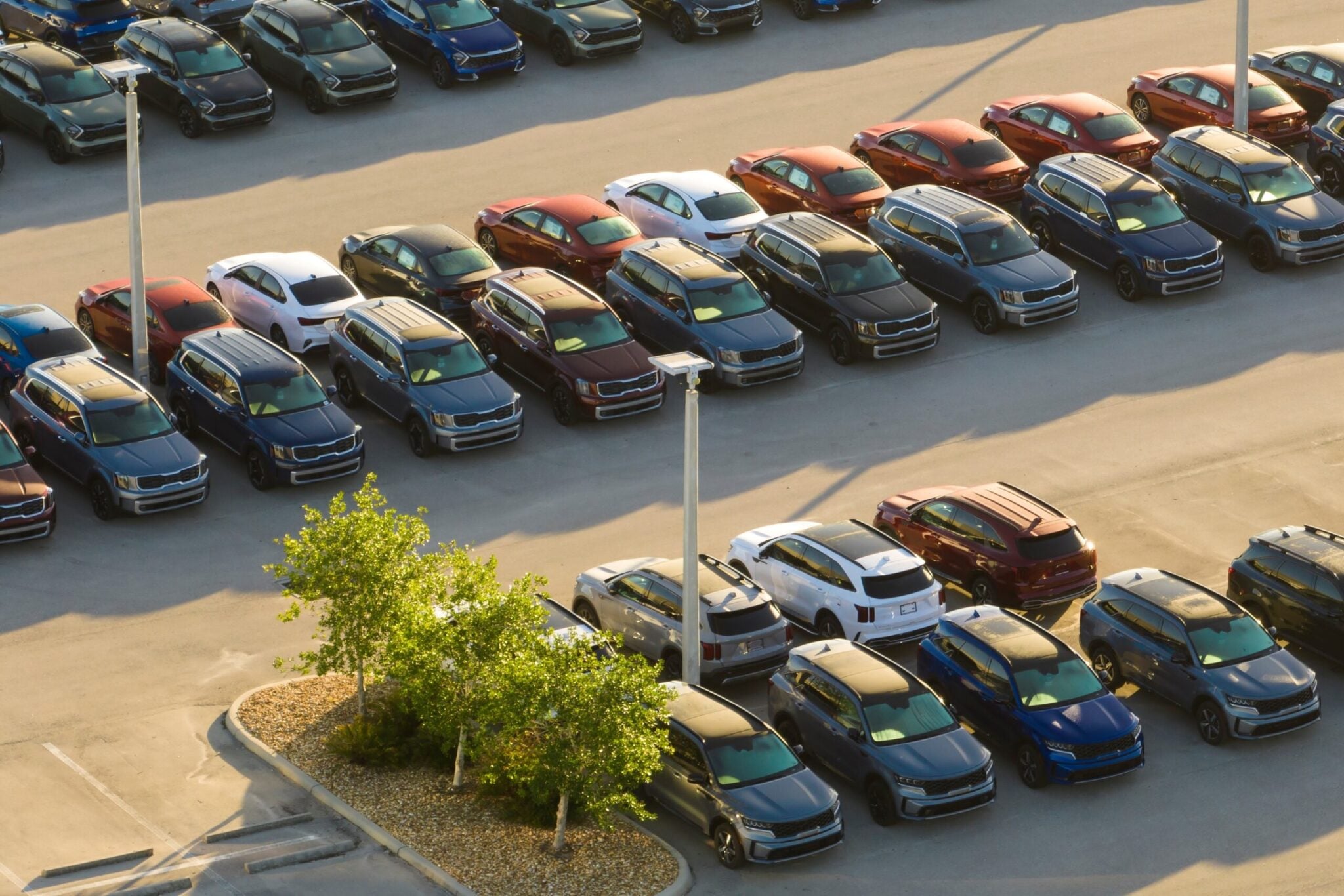
We’ve all seen it: circling the parking lot like a shark hunting for that primo spot 30 feet closer to the entrance, causing a backup of cars waiting for you to decide.
Meanwhile, there are 50 empty spaces just a few rows back that would get you inside faster if you’d simply walked an extra 100 feet. This isn’t a driving habit in the traditional sense, but it reveals a mindset that prioritizes minimal effort over traffic flow. The National Safety Council notes that tens of thousands of crashes occur in parking lots/garages annually, resulting in hundreds of deaths and thousands of injuries of incidents annually, many occurring during low-speed maneuvering in high-traffic areas.
The resistance to parking farther out usually comes from a place of convenience, but you’re trading two minutes of circling for a 20-second walk, the math doesn’t math. Park in the back, get your steps in, and enjoy the peace of mind that comes from having space around your car.
Your vehicle will thank you with fewer door dings, and other drivers will thank you for not creating a parking lot traffic jam.
The Refusal to Adjust Mirrors Properly
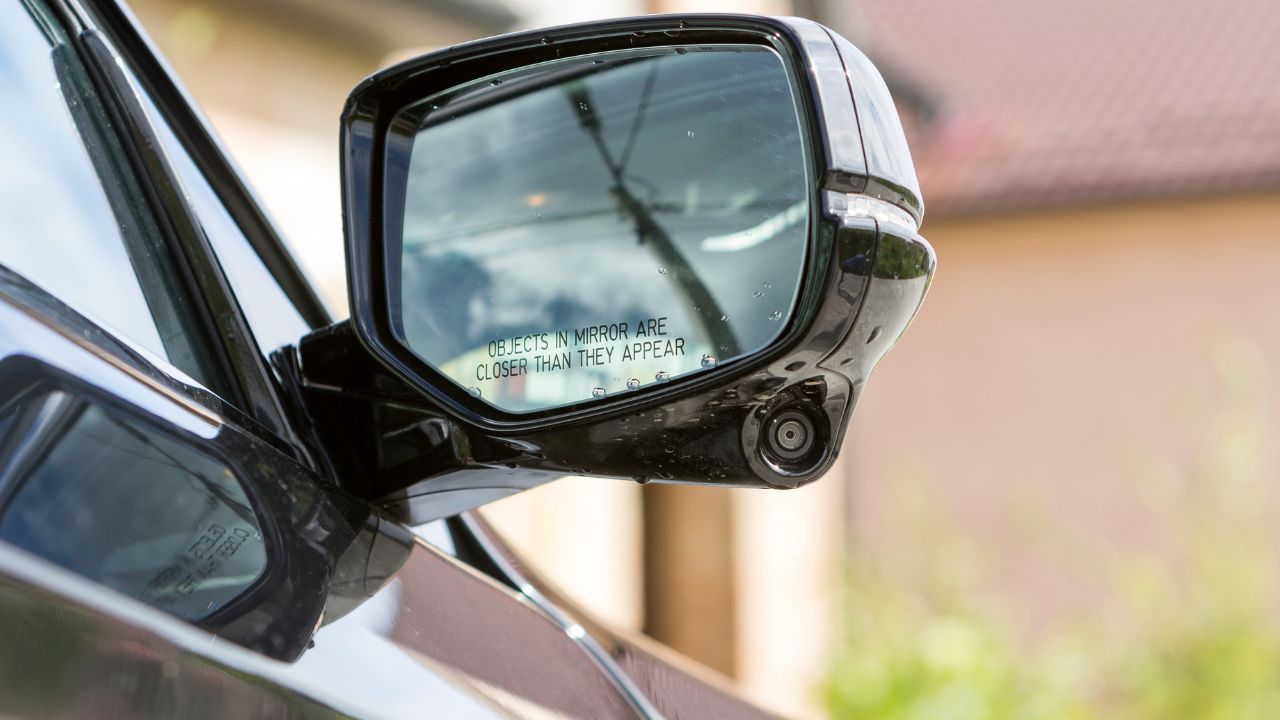
If you can see the side of your own car in your side mirrors, congratulations, you’re doing it wrong and have been since driver’s ed.
Properly adjusted mirrors should show your blind spots, not redundant views of what your rear-view mirror already covers. NHTSA guidance describes a ‘blindzone’ mirror setting that rotates side mirrors outward to reduce blind spots eliminates blind spots almost entirely by angling side mirrors outward until your car’s body just disappears from view. Resistance to this setup usually sounds like “but I like to see my car” or “that’s how I learned,” which is code for “I don’t like change even if it’s safer.”
Modern vehicles often have blind-spot monitoring systems specifically because so many drivers never learned proper mirror adjustment in the first place. Take five minutes to adjust your mirrors correctly; when a car leaves your rear-view mirror, it should immediately appear in your side mirror, then in your peripheral vision.
Your neck will thank you for not having to crane around constantly, and your lane changes will be infinitely safer.
Aggressive Highway Entrance Ramp Behavior
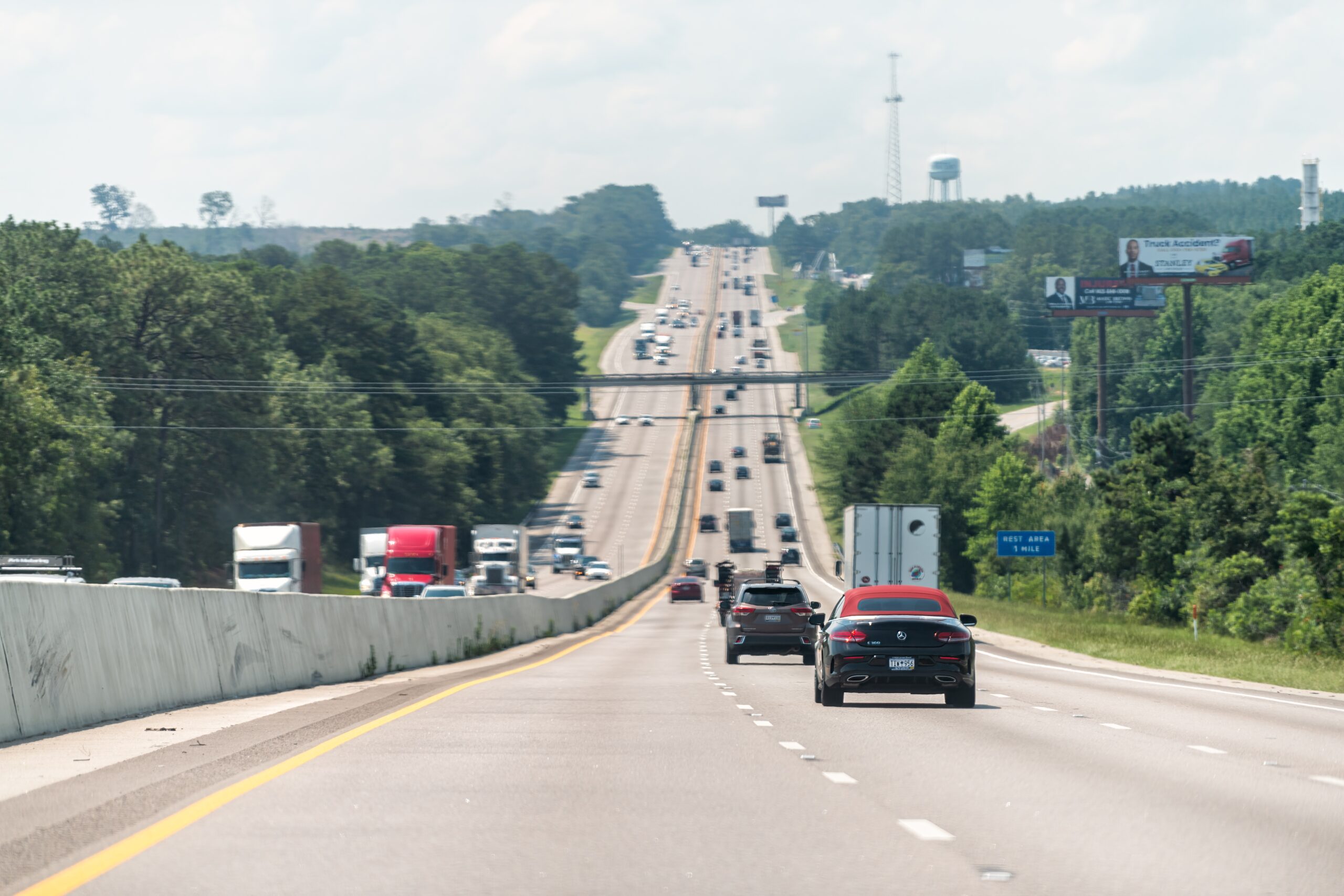
Merging onto the highway is apparently either a timid 35-mph crawl or a full-send video game move with no middle ground in sight.
The entrance ramp exists for one purpose: getting your vehicle up to highway speed so you can merge smoothly into traffic flow. Federal Highway Administration guidance specifies that acceleration lanes are designed to allow vehicles to reach traffic speed safely before merging.
Coming to a complete stop at the end of a ramp, barring emergency situations, creates dangerous speed differentials and forces highway traffic to brake or swerve. On the flip side, launching onto the highway without checking your mirrors or using available acceleration lane is equally problematic. The “I learned to be cautious” excuse doesn’t apply when your caution actively endangers others by creating 40-mph closing speeds.
Use the full length of the acceleration lane, match highway speed, find your gap, and merge decisively, it’s literally what that lane is engineered for.
Refusing to Let People Merge
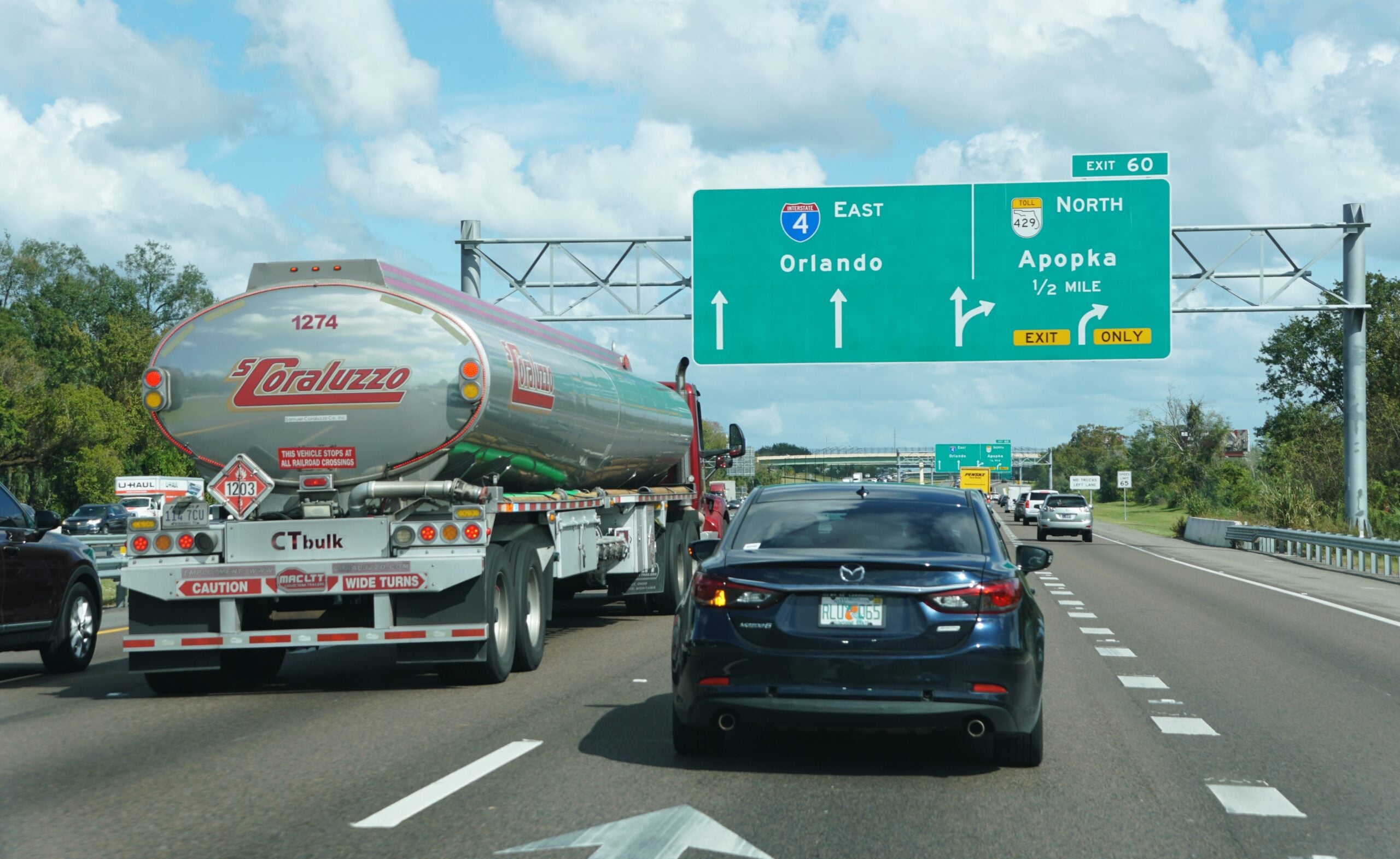
Here’s the scene: someone’s trying to merge, their blinker’s on, and you decide this is your moment to defend your lane position like it’s the last lap at Indianapolis.
Road rage aside, deliberately blocking merges doesn’t just make you a jerk, it actively contributes to traffic congestion and collision risk. Transportation research consistently shows that smooth merging reduces traffic waves and improves overall flow for everyone. The logic usually goes “I don’t want them getting ahead of me” or “they should have merged earlier,” but you’re not the merge police, and creating conflict in traffic helps exactly nobody.
Yes, occasionally someone will take advantage of courtesy, but that’s still preferable to the alternative of aggressive blocking that causes hard braking and potential collisions. Let people merge, maintain safe following distances, and remember that we’re all trying to get somewhere, it’s not actually a competition despite what your inner racing driver might think.
Conclusion
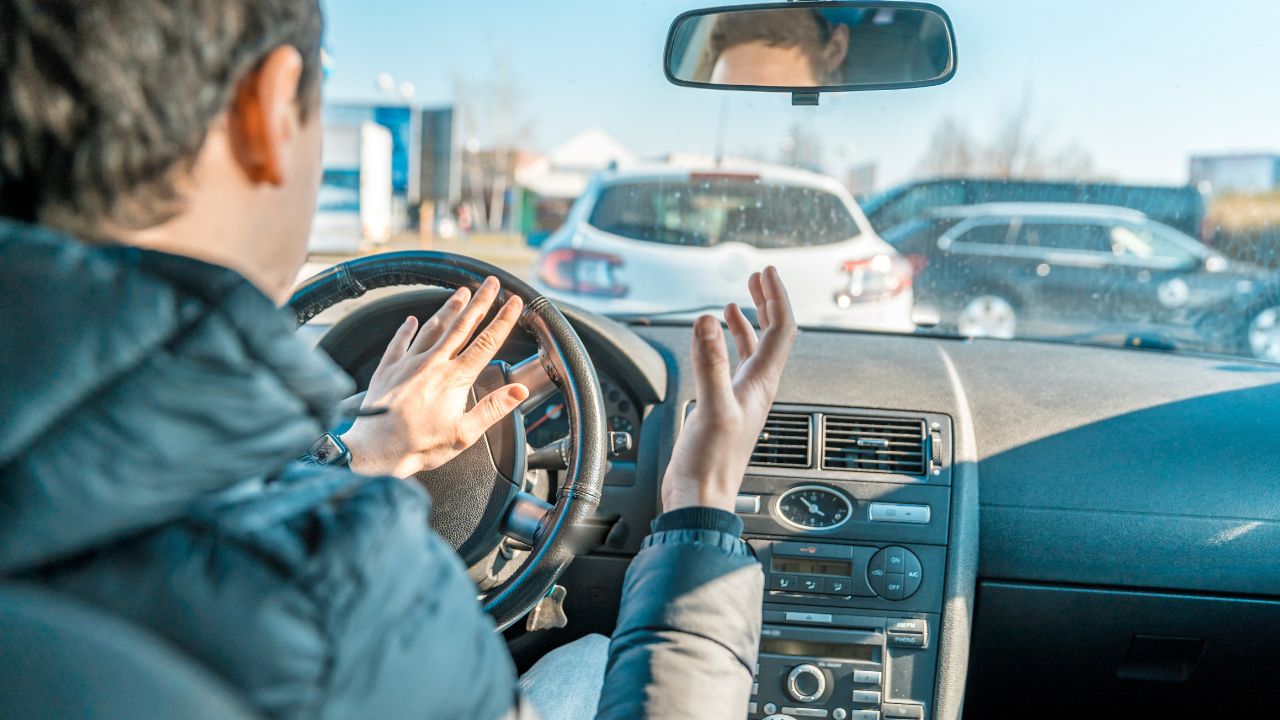
Breaking these habits isn’t about being a perfect driver, let’s be honest, that person doesn’t exist outside of Driver’s Ed videos from 1987. It’s about recognizing that our choices behind the wheel have ripple effects across the entire traffic ecosystem, affecting safety, efficiency, and everyone’s collective stress levels.
The interesting part is that most of these habits persist not because we’re bad people, but because we’ve rationalized them over years of repetition until they feel normal or even justified. As cars get smarter with driver assistance systems and safety features, it’s worth remembering that technology can’t fix human stubbornness or compensate for habits we refuse to examine. The new year is as good a time as any to take an honest look at our driving patterns and commit to leaving the worst ones behind.
Here’s to 2026 being the year we collectively decide to drive like we actually read the manual… Not perfectly, but noticeably better than before!