
The 1980s gave us some truly unforgettable automobiles, and not just the neon-soaked poster cars you’d expect. While the decade earned a reputation for boxy designs and questionable color choices, it also produced some genuinely brilliant machines that still turn heads today.
These vehicles became cultural statements on wheels that defined an era of excess, innovation, and pure automotive ambition. The best part? Many of these icons have aged remarkably well, with enthusiast communities keeping them alive and values climbing steadily. Whether it’s the raw power, timeless styling, or pure nostalgia factor, these 12 cars prove that the ’80s had more to offer than just shoulder pads and synthesizers.
Let’s take a cruise down memory lane and celebrate the machines that still make us smile.
Porsche 911 (930) Turbo

The 930 Turbo was affectionately known as the “widowmaker” for its tricky handling characteristics, but that danger only added to its mystique. With its distinctive whale-tail rear spoiler and flared fenders, this was the Porsche that made every other sports car look tame by comparison.
The 3.3-liter turbocharged flat-six produced around 300 horsepower, which doesn’t sound earthshattering today but delivered it with all the subtlety of a sledgehammer in the ’80s. That sudden turbo boost could catch even experienced drivers off guard, especially in wet conditions, giving the car its fearsome reputation. Today, the 930 is considered one of the most collectible 911s ever made, with pristine examples commanding six-figure prices.
The combination of analog driving thrills and timeless styling ensures this Porsche remains absolutely relevant in the modern enthusiast landscape.
BMW E30 M3
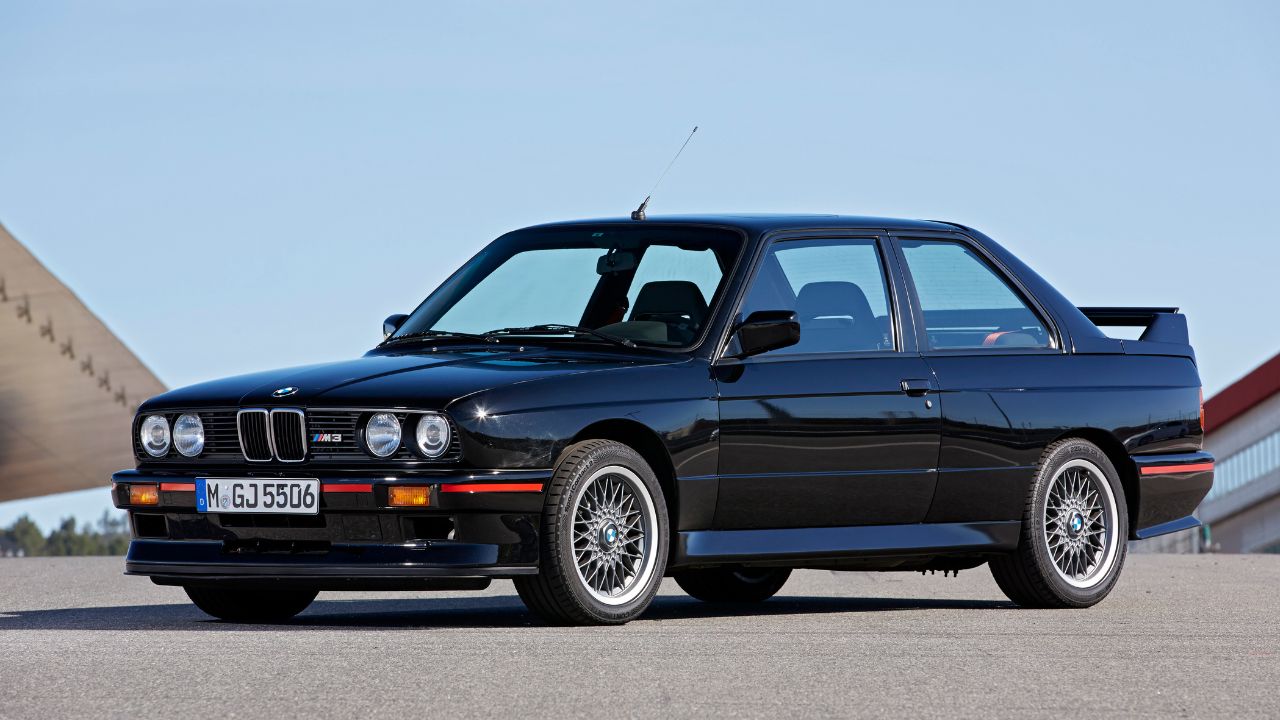
The original M3 was built for one purpose: to dominate touring car racing, and boy did it deliver. BMW took the humble 3-Series and transformed it with a high-revving 2.3-liter four-cylinder that screamed to 7,000 rpm, producing 192 horsepower in US spec. What made the E30 M3 special wasn’t just the numbers but the way everything worked together — the sharp steering, the balanced chassis, and that glorious engine note.
The boxy styling with its aggressive front air dam and distinctive rear spoiler still looks purposeful today, no apologies needed. Values have skyrocketed in recent years as collectors recognize this as one of the greatest driver’s cars ever created, period. Whether you’re carving canyon roads or displaying it at Cars and Coffee, the E30 M3 commands respect and admiration wherever it goes.
Ferrari Testarossa

Few cars capture the spirit of 1980s excess quite like the Testarossa with its dramatic side strakes and ultra-wide rear end. That flat-twelve engine mounted behind the seats produced 390 horsepower and could push the car to nearly 180 mph, making it a genuine supercar by any era’s standards. The cheese-grater side intakes weren’t just for show — they channeled air to the side-mounted radiators, solving cooling issues while creating an instantly recognizable profile.
Yes, it was featured in Miami Vice, and no, we’re not apologizing for mentioning that because it perfectly captured the car’s glamorous appeal. At over six feet wide, the Testarossa commands presence on the road like few other vehicles, and that Pininfarina design has aged beautifully.
Modern supercar owners might have more power and technology, but they’re often missing the theater and occasion that came standard with every Testarossa drive.
Toyota MR2 (First Generation)

Toyota’s first mid-engine sports car proved that affordable and fun weren’t mutually exclusive terms in the automotive world. The wedge-shaped design looked like it could have rolled out of a Bertone studio, and the nimble handling made it a joy on twisty roads.
Power came from a 1.6-liter four-cylinder making around 112 horsepower, which doesn’t sound like much until you remember this car weighed barely 2,400 pounds. The mid-engine layout gave it near-perfect weight distribution and handling characteristics that embarrassed cars costing twice as much. Pop-up headlights added to the sports car mystique, and the T-top option let you enjoy open-air motoring without full convertible compromises.
Clean examples are becoming increasingly collectible as enthusiasts recognize the first-gen MR2 as one of the most purely entertaining sports cars of its decade.
Buick Grand National/GNX

Detroit showed the world that American muscle hadn’t died — it had just gone turbo and painted itself black. The Grand National’s turbocharged 3.8-liter V6 pumped out 245 horsepower in standard form, but the limited-production GNX cranked that up to 276 horsepower with upgraded turbo components. These blacked-out Buicks could sprint from 0-60 mph in under five seconds, embarrassing Corvettes and shocking Ferrari owners at stoplights across America.
The sinister, monochromatic appearance with minimal chrome gave the Grand National an intimidating presence that still works today. Only 547 GNX models were produced, making them extremely valuable collector’s items that regularly sell for six figures.
This was proof that turbocharging and smart engineering could create massive performance without a giant V8, influencing performance car development for decades to come.
Mazda RX-7 (FC)

The second-generation RX-7 represented Mazda’s refinement of the rotary engine sports car formula into something more sophisticated and grown-up. The smooth, aerodynamic styling was a dramatic departure from the angular first-gen car, featuring pop-up headlights and curves that still look elegant today.
That 1.3-liter rotary engine produced around 146 horsepower in naturally aspirated form, but the turbocharged versions delivered 182 horsepower with that distinctive rotary howl. The near-perfect 50/50 weight distribution and rear-wheel drive made the FC RX-7 a balanced handler that rewarded skilled drivers. Yes, rotary engines require more maintenance and drink oil by design, but enthusiasts accept this as the price of admission to a unique driving experience.
The FC generation is currently more affordable than its FD successor, making it an accessible entry point into rotary sports car ownership with serious cool factor.
Chevrolet Corvette C4
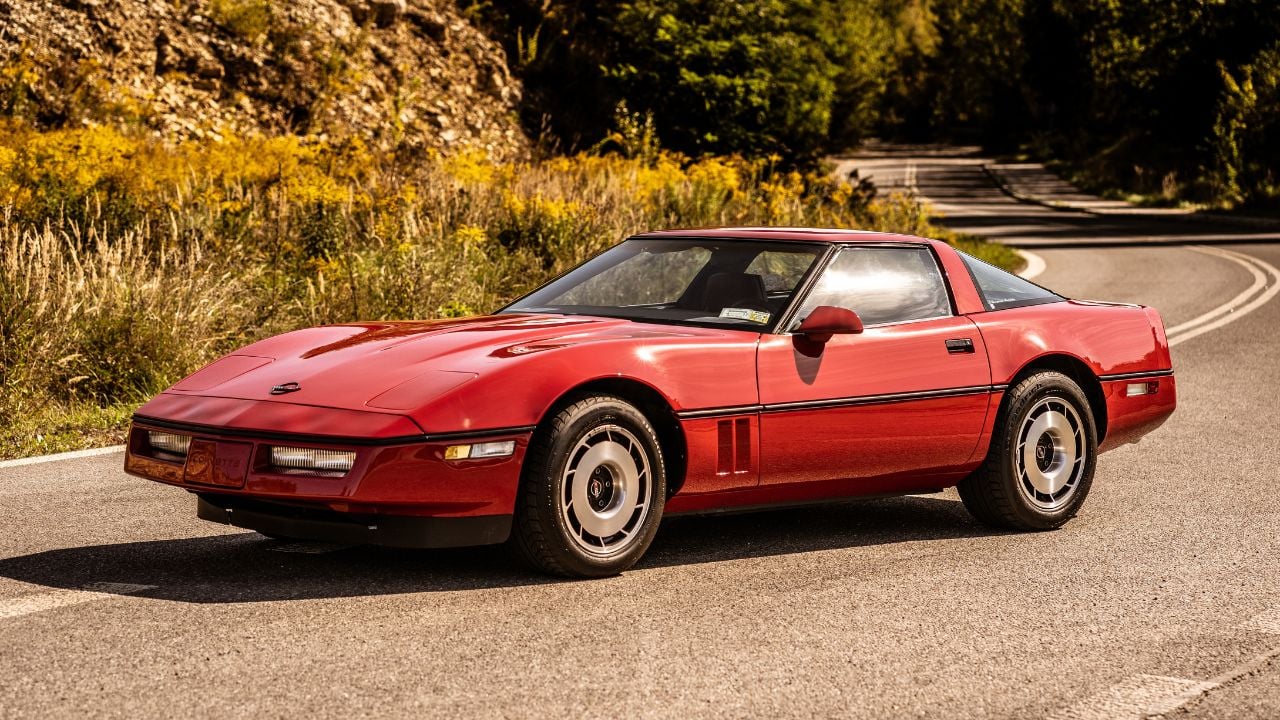
The fourth-generation Corvette marked a radical departure from its predecessor, with modern styling and handling to match its performance ambitions. Introduced in 1984, the C4 featured a completely redesigned chassis with a fully independent suspension that finally gave the Corvette European-level handling dynamics.
The digital dashboard was peak ’80s technology, and while some mock it today, it was genuinely futuristic at the time. Later models like the ZR-1 with its 375-horsepower LT5 engine could genuinely compete with European exotics for a fraction of the price. The removable roof panel offered targa-top fun, and the aggressive wedge profile still looks purposeful decades later.
While C4s remain relatively affordable compared to other Corvette generations, clean examples are gaining appreciation as enthusiasts recognize them as the car that modernized America’s sports car.
Ford Mustang 5.0 LX
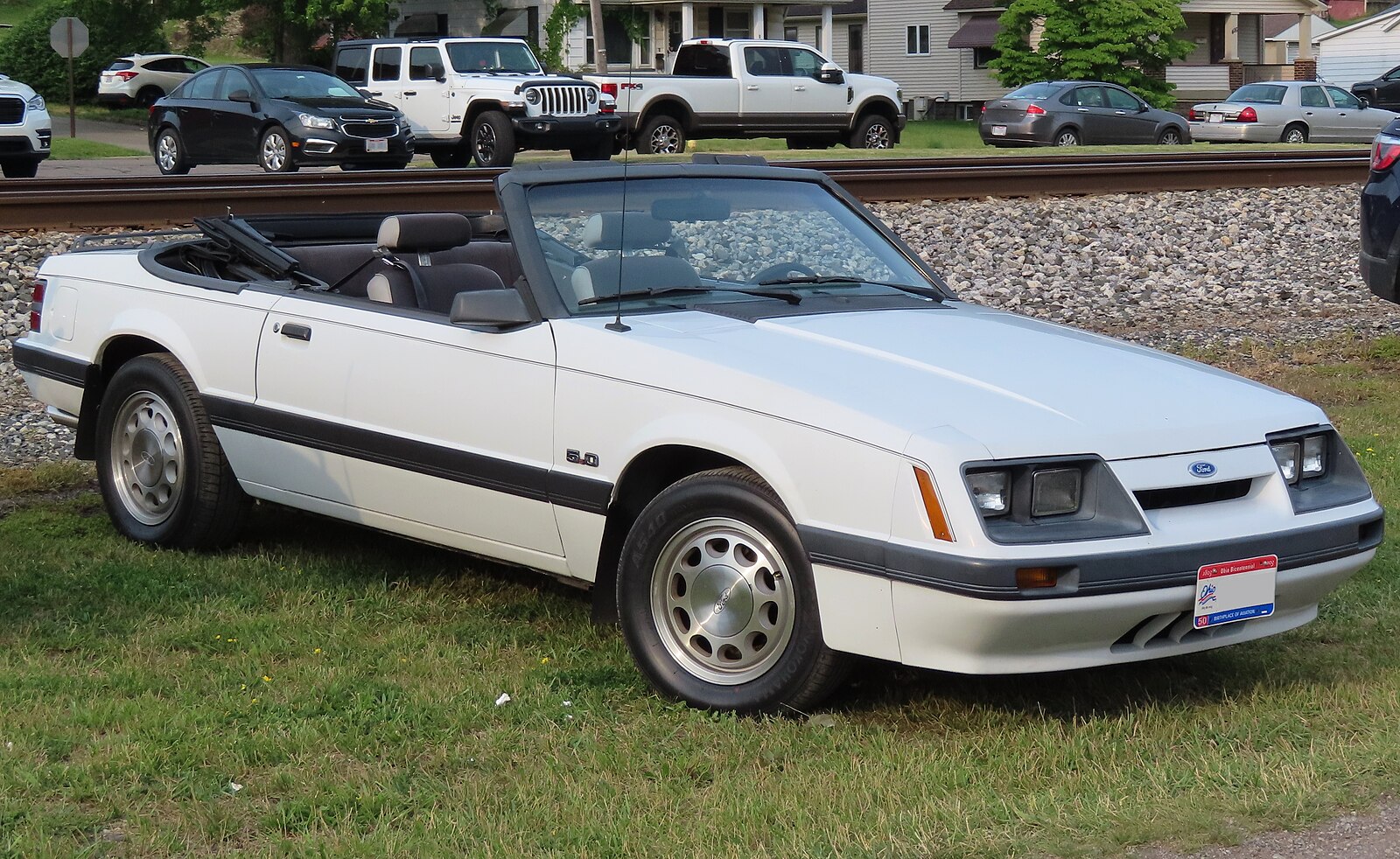
The Fox-body Mustang GT and LX proved that simple, lightweight performance could be intoxicating without breaking the bank. The 5.0-liter V8 produced 225 horsepower by the end of the decade, and the lightweight LX variant became the preferred choice for those who wanted maximum performance with minimal fluff.
These Mustangs offered genuine V8 muscle car thrills at prices that made them accessible to regular enthusiasts, not just collectors. The aftermarket support was incredible then and remains strong now, meaning you can build a Fox-body to virtually any specification you desire. Clean, unmodified examples have become increasingly sought-after as people recognize these as the last of the truly simple, mechanical pony cars.
Whether you’re doing burnouts or bracket racing, the Fox-body delivers old-school fun with that distinctive V8 rumble that never gets old.
Porsche 944 Turbo
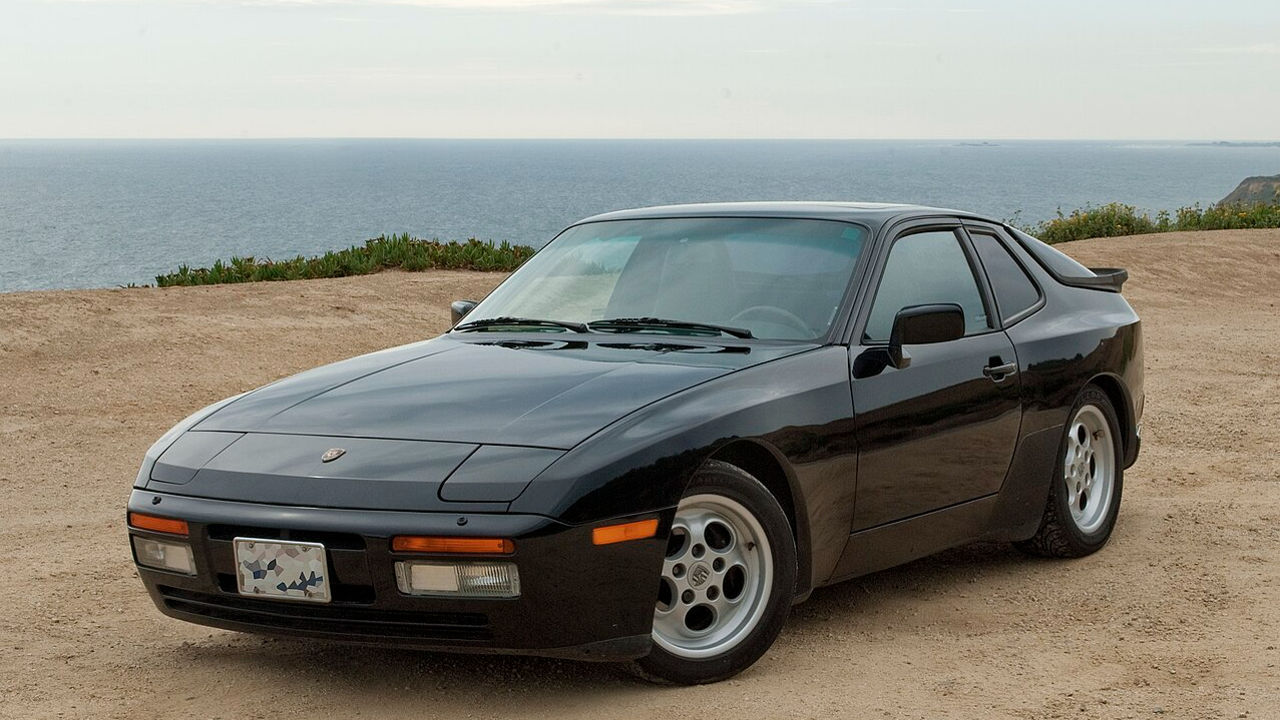
Porsche’s front-engine sports car often lived in the 911’s shadow, but the 944 Turbo deserves recognition as a brilliant driver’s car in its own right. The turbocharged 2.5-liter four-cylinder produced 217 horsepower, and the near-perfect weight distribution made it handle like a car possessed on winding roads. Porsche’s transaxle design put the transmission at the rear axle for optimal balance, resulting in handling characteristics that impressed even the harshest critics.
The styling was more understated than its wild 911 cousin, with clean lines and a distinctive wedge profile that has aged gracefully. Strong aftermarket support and a dedicated enthusiast community mean parts are still available and knowledge is readily shared.
The 944 Turbo offers an accessible entry point into ’80s Porsche ownership with driving dynamics that remain genuinely engaging by modern standards.
DeLorean DMC-12
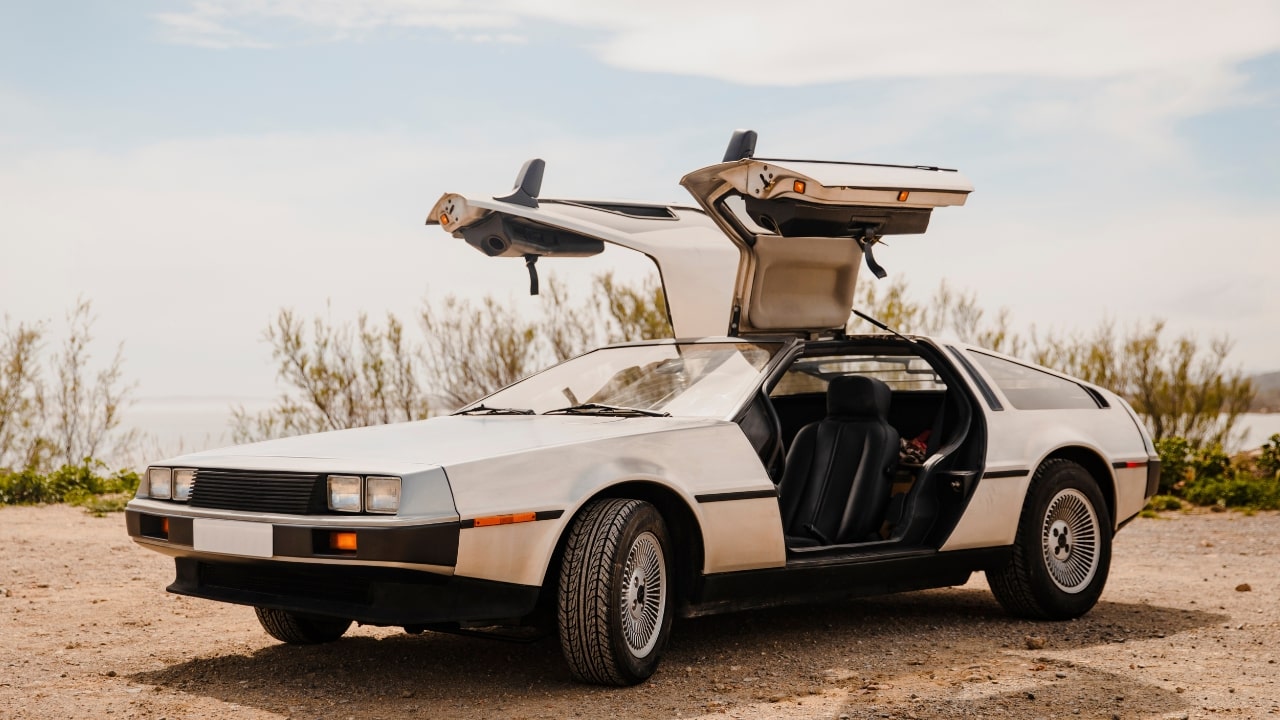
The stainless steel wedge needs no introduction, though we should probably judge it on its actual merits rather than just its film career. John DeLorean’s vision resulted in a car with distinctive gullwing doors, unpainted stainless steel body panels, and a mid-mounted V6 producing around 130 horsepower.
Yes, the performance was underwhelming — 0-60 mph took over 9 seconds — but the DMC-12 was never really about straight-line speed. The styling remains utterly unique, and the stainless steel construction means rust is basically a non-issue for these cars. Only about 9,000 were produced during the brief production run, making them relatively rare and increasingly collectible.
While Back to the Future certainly cemented its place in pop culture, the DMC-12 deserves appreciation as a genuine oddball that dared to be different in an era that celebrated automotive excess.
Volkswagen GTI Mk2

The second-generation GTI refined the hot hatch formula that Volkswagen had pioneered, creating a practical daily driver that was genuinely fun to throw around. The 1.8-liter four-cylinder produced around 105 horsepower in US spec, which sounds modest until you experienced the car’s light weight and eager chassis.
Big bumpers and clean lines gave the Mk2 GTI a purposeful appearance without the aggressive styling that sometimes dates modern hot hatches. The plaid cloth seats became iconic in their own right, instantly identifying any GTI to those in the know. This was the car that proved you didn’t need a sports car to have driving fun, establishing the hot hatch segment in America.
Today’s GTI carries on the tradition, but the Mk2 remains the purest expression of the concept with its simple, analog driving experience.
Acura Integra

Honda’s luxury division launched in 1986, and the Integra became the accessible face of Japanese refinement and sporting character combined. The first-generation model featured Honda’s legendary build quality wrapped in crisp, purposeful styling that still looks right today.
Power came from a 1.6-liter four-cylinder producing around 113 horsepower, but the free-revving nature and slick-shifting transmission made it feel faster than the numbers suggested. The liftback design offered surprising practicality, making the Integra a legitimate daily driver that happened to be fun on weekends. Later GS-R and Type R variants would push performance higher, but the original Integra established the formula of affordable, reliable sporting character.
Clean examples are increasingly hard to find as many were modified or simply driven into the ground, making original-condition Integras more valuable to collectors and enthusiasts.
Conclusion

The 1980s gave us cars that defined an era while creating enthusiast communities that remain passionate decades later. These 12 vehicles represent different approaches to automotive excellence, from raw turbocharged power to refined handling and distinctive styling.
What makes them still cool today isn’t just nostalgia — it’s the genuine driving experiences they offer and the character that modern cars sometimes struggle to replicate. Values are rising across the board as collectors recognize these machines as significant pieces of automotive history worth preserving. Whether you owned one back in the day or discovered them through online communities, these cars continue inspiring enthusiasm across generations.
The ’80s might have ended, but the coolest cars from that decade are still turning heads and firing up passions on roads and at shows everywhere.