
Asia’s coffee revolution has quietly transformed the continent from tea-drinking traditionalism into a sophisticated caffeine culture rivaling Melbourne and Seattle. Third-wave coffee shops, artisanal roasters, and innovative brewing methods have flourished across cities where coffee was once an afterthought, creating scenes that often surpass Western coffee capitals in creativity, quality, and cultural integration.
This transformation reflects broader Asian urbanization, rising disposable incomes, and generations of travelers returning home with global coffee appreciation. The result: cities where specialty coffee has evolved beyond Western imitation into distinctly Asian expressions of coffee culture, often incorporating local ingredients, traditional aesthetics, and innovative approaches that push global coffee boundaries.
Tokyo, Japan

Tokyo’s coffee obsession dates to the 1960s kissaten (coffee houses), but today’s scene combines meticulous Japanese craftsmanship with cutting-edge innovation. The city hosts over 10,000 coffee shops, from tiny standing bars serving single-origin pour-overs to elaborate siphon coffee ceremonies that treat brewing as performance art.
Shibuya’s Blue Bottle Coffee introduced California-style minimalism, while local roasters like Maruyama Coffee and Onibus Coffee have gained international recognition for their precision and quality. Tokyo’s coffee culture emphasizes ritual and perfection, with baristas achieving celebrity status and customers paying premium prices for exceptional experiences.
Neighborhoods like Omotesando and Daikanyama feature coffee shops that double as cultural spaces, hosting art exhibitions and literary events. The city’s convenience stores even serve surprisingly good coffee, with automated machines producing quality drinks that surpass many Western coffee shops.
Melbourne’s Sister: Ho Chi Minh City, Vietnam

Vietnam produces exceptional coffee but historically consumed it with condensed milk and ice. Ho Chi Minh City now boasts a sophisticated specialty coffee scene that rivals international standards while celebrating Vietnamese coffee heritage through innovative interpretations of traditional ca phe sua da.
Roasters like The Workshop Coffee and Shin Coffee import international beans while highlighting Vietnamese varieties like Catimor and Typica grown in Dalat’s highlands. The city’s cafe culture spans from Instagram-worthy spaces in District 1 to neighborhood joints serving exceptional Vietnamese-style drip coffee at sidewalk tables.
Local innovations include coffee cocktails, Vietnamese coffee ice cream, and fusion drinks combining traditional Vietnamese flavors with international brewing techniques. The affordable prices, quality coffee costs $1-3, make Ho Chi Minh City a budget-friendly destination for serious coffee enthusiasts.
Seoul, South Korea

Seoul’s coffee culture exploded over the past decade, transforming the city into Asia’s most caffeinated capital with over 18,000 coffee shops. Hongdae and Gangnam districts feature international chains alongside innovative local roasters creating uniquely Korean coffee experiences.
Korean coffee shops emphasize ambiance and social experience, with elaborate interiors, extensive food menus, and spaces designed for extended stays. Many feature unique themes, from library-inspired settings to plant-filled greenhouses, creating Instagram-worthy environments that encourage social sharing.
Local innovations include coffee with traditional Korean flavors like black sesame and red bean, while roasters like Coffee Libre and Anthracite Coffee have gained regional recognition. Seoul’s 24-hour coffee culture accommodates the city’s late-night lifestyle, with many shops staying open until dawn.
Taipei, Taiwan

Taipei’s coffee scene combines Japanese precision, local tea culture, and international influences to create something uniquely Taiwanese. The city’s dense urban environment has produced innovative small-space coffee concepts, from motorcycle sidecar mobile coffee stands to tiny counter-only shops serving exceptional single-origin brews.
Local roasters like Simple Kaffa and Fika Fika Cafe have won international awards, while the city’s cafe culture integrates work, socializing, and cultural activities. Many coffee shops serve as community centers, hosting book clubs, language exchanges, and cultural events.
Taiwanese innovations include coffee served in traditional tea ceremony settings, locally grown Alishan coffee featuring distinctive terroir, and fusion drinks combining coffee with traditional Taiwanese ingredients like oolong tea and pineapple.
Singapore

Singapore’s coffee evolution from kopitiam (coffee shops) serving thick, sweet kopi to sophisticated specialty coffee represents the city-state’s broader cultural transformation. Arab Street and Tiong Bahru districts feature third-wave coffee shops alongside traditional kopitiams, creating fascinating cultural juxtapositions.
Local roasters like Common Man Coffee Roasters and Papa Palheta focus on Southeast Asian beans while maintaining international quality standards. Singapore’s multicultural environment produces unique fusion drinks combining Malay, Chinese, and Indian flavors with specialty coffee techniques.
The city’s coffee shops often function as co-working spaces and cultural venues, reflecting Singapore’s status as a regional business and cultural hub. High-end establishments charge premium prices, but exceptional quality and innovative presentations justify the expense.
Bangkok, Thailand
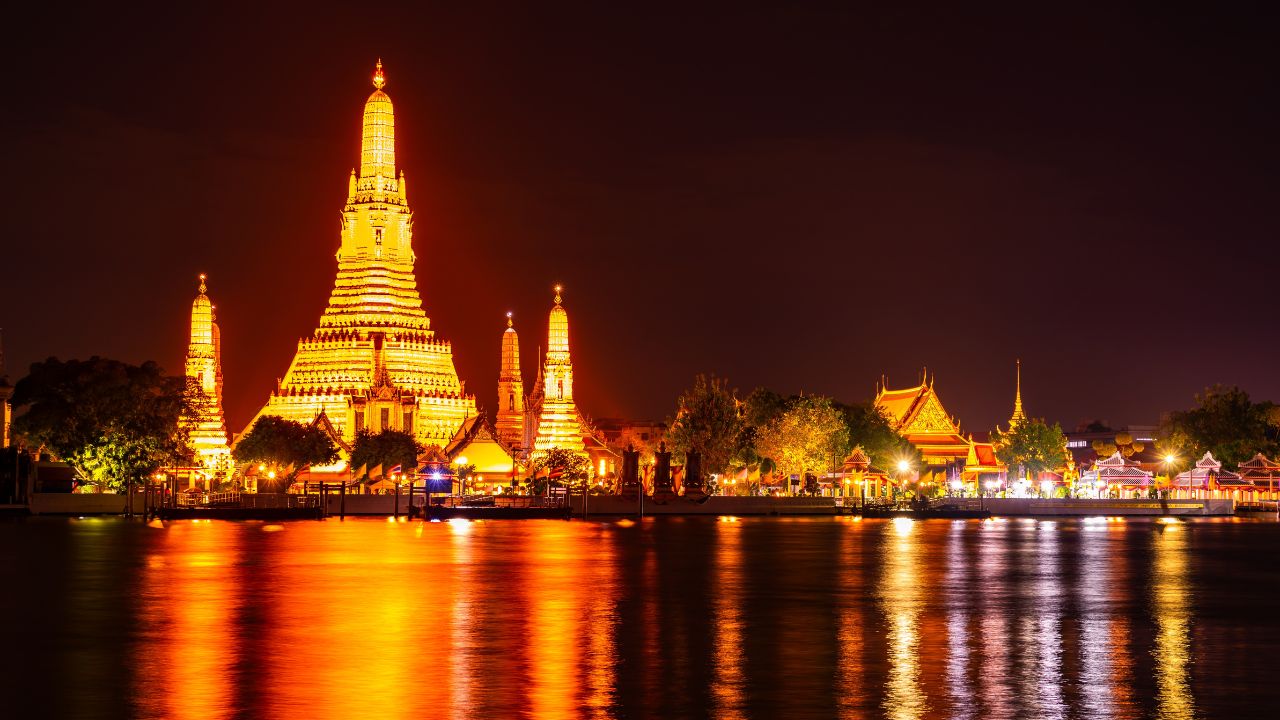
Bangkok’s coffee revolution began in upscale shopping districts but has spread throughout the city, creating a diverse scene ranging from artisanal roasters to street vendors serving surprisingly good specialty coffee. The city’s tropical climate has inspired innovative cold brewing techniques and coffee-based desserts.
Local roasters like Akha Ama Coffee highlight beans from Thailand’s northern mountain regions, particularly from hill tribe communities, creating socially conscious coffee experiences. Bangkok’s cafe culture emphasizes air-conditioned refuge from tropical heat, with many shops serving as extended living rooms for locals and digital nomads.
Thai innovations include coffee served with traditional desserts, tropical fruit coffee cocktails, and fusion drinks incorporating Thai spices and flavors. The affordable prices, premium coffee costs $2-4, make Bangkok accessible for extended coffee exploration.
Jakarta, Indonesia

Indonesia produces world-renowned coffee, but Jakarta’s specialty coffee scene only recently began showcasing the country’s exceptional beans. Local roasters like Anomali Coffee and Filosofi Kopi focus on single-origin Indonesian varieties while introducing international brewing standards.
Jakarta’s coffee shops serve as social spaces in a sprawling city with limited public gathering areas. Many feature elaborate interiors and extensive food menus, creating destination experiences that encourage extended visits and social interaction.
Indonesian innovations include traditional brewing methods like tubruk (unfiltered coffee) elevated through specialty bean selection, coffee served with traditional Indonesian snacks, and unique processing methods that highlight Indonesia’s diverse coffee terroir.
Kuala Lumpur, Malaysia

Kuala Lumpur’s coffee scene reflects the city’s multicultural heritage, with Chinese-style kopitiam, Indian filter coffee, and Western-style cafes coexisting and influencing each other. Local roasters like VCR and Pulp Coffee focus on Malaysian-grown beans while maintaining international quality standards.
The city’s coffee culture emphasizes social interaction and extended conversations, with many shops designed for lingering over multiple drinks and light meals. Malaysian innovations include coffee served with traditional kuih (local pastries) and fusion drinks incorporating pandan, gula melaka, and other local flavors.
Air-conditioned coffee shops provide refuge from tropical heat while serving as informal business meeting spaces and social centers. The reasonable prices and high quality make Kuala Lumpur an excellent destination for coffee enthusiasts exploring Southeast Asian coffee culture.
Chiang Mai, Thailand

Chiang Mai’s position in Thailand’s coffee-growing region creates unique farm-to-cup experiences unavailable elsewhere. Local roasters like Ristr8to and Graph Cafe source beans directly from nearby farms, offering unprecedented freshness and traceability.
The city’s relaxed pace and digital nomad population have created a coffee culture emphasizing quality, sustainability, and community connection. Many coffee shops host cupping sessions, brewing classes, and cultural events that educate customers about coffee production and preparation.
Northern Thai innovations include coffee served with traditional Lanna desserts, visits to coffee farms accessible from the city, and brewing techniques adapted to highland grown beans with distinctive flavor profiles.
Hanoi, Vietnam

Hanoi’s coffee culture represents Vietnam’s coffee heritage more authentically than Ho Chi Minh City’s international influences. Traditional ca phe sua da remains popular, but specialty roasters like The Note Coffee and Joma Coffee introduce quality improvements while respecting local preferences.
The city’s sidewalk coffee culture creates unique urban experiences, with plastic stools and low tables providing authentic Vietnamese coffee social rituals. Many shops occupy narrow buildings typical of Old Quarter architecture, creating intimate spaces that encourage conversation and people-watching.
Hanoi innovations include egg coffee (ca phe trung), coffee served with traditional Vietnamese snacks, and roasters highlighting beans from northern Vietnamese growing regions with distinct flavor characteristics.
Mumbai, India

Mumbai’s coffee scene has evolved beyond South Indian filter coffee traditions to include sophisticated specialty coffee experiences. Local roasters like Blue Tokai Coffee and Sleepy Owl Coffee focus on Indian-grown beans while introducing international brewing standards.
The city’s coffee shops serve as social spaces and business meeting venues in a crowded urban environment. Many feature air conditioning and wifi, creating productive environments for India’s growing startup and freelance communities.
Indian innovations include coffee served with traditional sweets, spice-infused coffee drinks reflecting regional flavors, and roasters highlighting beans from Indian growing regions like Coorg and Chikmagalur with distinctive terroir characteristics.
Yangon, Myanmar

Myanmar’s opening to international influence has created an emerging coffee scene in Yangon, with local roasters and international coffee shops introducing specialty coffee to a traditionally tea-drinking culture. The city’s coffee shops serve as symbols of modernization and international connection.
Local innovations remain limited but include coffee served with traditional Burmese snacks and attempts to highlight Myanmar-grown beans, though the coffee industry remains underdeveloped compared to neighboring countries.
The affordable prices and cultural significance make Yangon’s emerging coffee scene interesting for travelers seeking authentic experiences in a rapidly changing society.
Manila, Philippines

Manila’s coffee scene reflects the Philippines’ long coffee-growing history combined with American colonial influences and modern specialty coffee trends. Local roasters like Toby’s Estate and UCC Coffee focus on Philippine-grown beans, particularly Barako coffee with its distinctive bold flavor.
The city’s coffee shops serve as social centers and business meeting venues, with many featuring air conditioning and wifi that create productive environments in a tropical climate. Coffee culture emphasizes social interaction and extended conversations over multiple drinks.
Filipino innovations include coffee served with traditional Filipino pastries, unique processing methods for Philippine-grown beans, and fusion drinks incorporating local flavors like ube and pandan.
Colombo, Sri Lanka

Sri Lanka’s tea heritage initially overshadowed coffee development, but Colombo’s emerging coffee scene now showcases the island’s coffee-growing potential. Local roasters focus on Ceylon coffee varieties while introducing international brewing standards.
The city’s coffee shops serve as modern social spaces in a traditional society, providing air-conditioned environments and international ambiance that appeal to young professionals and tourists seeking familiar experiences.
Sri Lankan innovations include coffee served with traditional sweets, highlighting unique Ceylon coffee varieties, and roasters exploring sustainable farming practices that respect the island’s environmental heritage.
Phnom Penh, Cambodia

Cambodia’s coffee scene remains emerging but shows significant potential, with local roasters beginning to highlight Cambodian-grown beans and international coffee shops introducing specialty coffee standards. The affordable prices make Phnom Penh accessible for coffee exploration.
Local innovations include coffee served with traditional Khmer snacks and early attempts to develop distinctly Cambodian coffee processing and brewing methods, though the industry remains in early development stages.
The cultural significance of coffee shops as symbols of modernity and international connection makes Phnom Penh’s emerging scene interesting for travelers seeking authentic experiences in a developing coffee culture.
Vientiane, Laos

Laos’s coffee production focuses on exports, but Vientiane’s emerging coffee scene now showcases local beans through small-scale roasters and cafes. The relaxed pace and French colonial influences create unique coffee culture combining Asian and European elements.
Local innovations include highlighting Lao-grown beans, coffee served with French-influenced pastries reflecting colonial heritage, and sustainable farming practices that respect Lao cultural values and environmental concerns.
The affordable prices and authentic cultural integration make Vientiane appealing for travelers seeking genuine experiences rather than international chain coffee culture.
Kathmandu, Nepal

Nepal’s high-altitude coffee growing creates unique flavor profiles now showcased in Kathmandu’s emerging coffee scene. Local roasters focus on Himalayan-grown beans while international coffee shops introduce specialty brewing standards.
The city’s coffee culture serves local professionals and international trekkers, creating diverse clientele with varying coffee preferences and cultural backgrounds. Many shops feature mountain views and traditional Nepalese architecture.
Nepalese innovations include highlighting unique high-altitude growing conditions, coffee served with traditional Nepalese snacks, and sustainable farming practices that support mountain communities and environmental conservation.
Ulaanbaatar, Mongolia

Mongolia’s harsh climate creates challenges for coffee culture, but Ulaanbaatar’s coffee scene provides warm social spaces during long winters. International coffee shops and emerging local roasters introduce specialty coffee to a traditionally nomadic culture.
The city’s coffee shops serve as modern social centers, providing heated spaces and international ambiance that appeal to urban Mongolians seeking contemporary experiences while respecting traditional cultural values.
Mongolian innovations remain limited due to climate constraints, but include coffee served with traditional dairy products and attempts to create uniquely Mongolian coffee experiences despite geographical limitations.
Dhaka, Bangladesh
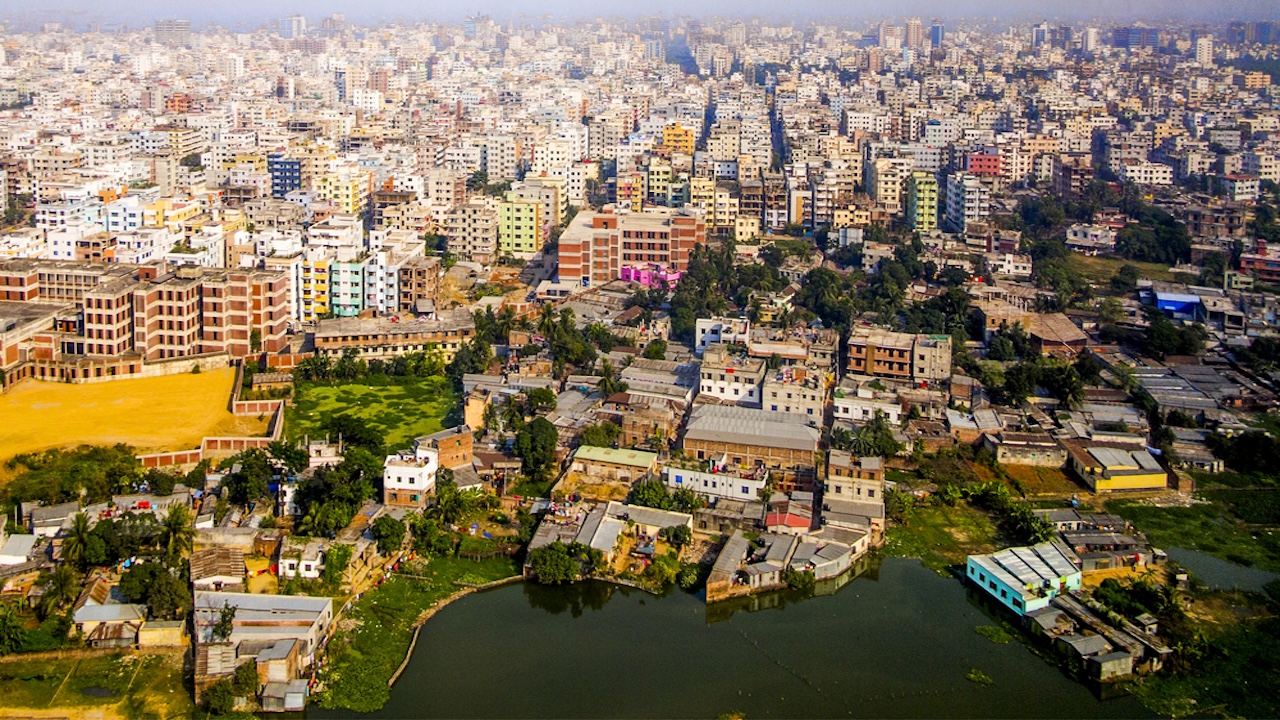
Bangladesh’s emerging coffee scene in Dhaka reflects the country’s economic development and growing middle class. Local roasters and international coffee shops introduce specialty coffee standards while respecting local cultural preferences and price sensitivities.
The city’s coffee shops serve as modern social spaces and business meeting venues, providing air-conditioned environments and international ambiance in a crowded urban setting with limited public spaces.
Bangladeshi innovations include coffee served with traditional sweets, affordable pricing that accommodates local income levels, and early attempts to develop sustainable coffee farming in suitable regional climates.
Tbilisi, Georgia

Georgia’s position between Europe and Asia creates unique coffee culture combining Georgian hospitality traditions with international coffee standards. Local roasters focus on quality while maintaining affordable pricing that appeals to local residents and international visitors.
The city’s coffee shops serve as social centers reflecting Georgian hospitality culture, with emphasis on conversation, friendship, and extended visits over multiple drinks and traditional Georgian snacks.
Georgian innovations include coffee served with traditional Georgian pastries, highlighting regional agricultural products, and creating uniquely Georgian coffee experiences that respect cultural traditions while embracing international quality standards.