

You don’t have to look too deep to discover why consumer loyalty is a rare commodity these days, and it is in this backdrop that General Motors’ customer base has stood out as uncommonly faithful.
That’s the compelling takeaway from a recent LinkedIn post by GM President Mark Reuss, where he celebrated the automaker earning S&P Global Mobility’s Overall Loyalty to Manufacturer award. GM has now captured this distinction for eleven consecutive years.
But beyond LinkedIn applause and corporate PR, the data paints a broader picture that sees GM customers returning again and again in numbers that outpace most competitors in the U.S. automotive market.
The Data of Loyalty
Surveys and social sentiments do not form the basis of S&P Global Mobility’s definition of brand loyalty. It is defined by real households that return to the market and choose the same manufacturer for their next new vehicle purchase or lease.
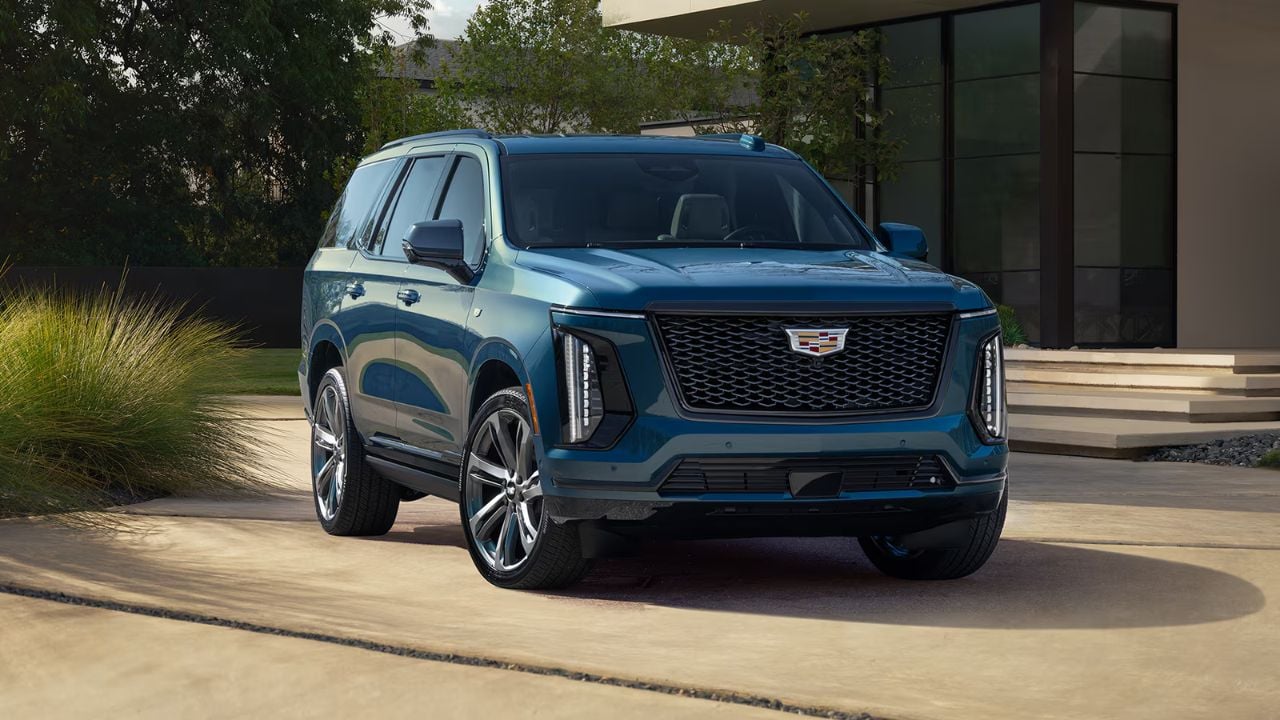
That simple measure, rooted in millions of new-vehicle registrations, reveals how sticky a brand’s appeal truly is.
According to recent industry analysis, GM achieved a manufacturer loyalty rate of roughly 68.1%. That’s the highest among multi-brand automakers — even as overall automotive loyalty rates dipped slightly industry-wide.
This means nearly seven in ten GM customers who bought a new vehicle chose another GM-branded vehicle next. It’s a remarkable statistic in a hyper-competitive context where brands constantly fight for conquest customers. It’d be accurate to see such high retention as a testament to product satisfaction, broad lineup appeal, and effective customer-relationship management.
What’s Driving Return Customers?
GM’s product portfolio is a mosaic of segments, from mainstream cars and SUVs under the Chevrolet banner to premium offerings from Cadillac, rugged pickups from GMC, and distinct choices under Buick.
This breadth gives returning buyers multiple paths to stay within the GM family, whether they’re seeking fuel efficiency, luxury, utility, or electric performance.

Executives at GM have been quick to call attention to this strategic advantage. In his LinkedIn reflection, Reuss tied the loyalty trend directly to “great vehicles” and customer experiences that “keep our customers coming back, year after year.”
CFO Paul Jacobson noted that GM’s Rewards program, designed to strengthen customer loyalty by letting GM vehicle owners earn and redeem points across a wide range of GM products and services, reinforces why GM has consistently won the S&P award for over a decade.
According to GM’s CFO Paul Jacobson, the program was recently enhanced to make earning and using points simpler and more seamless, reinforcing why GM has consistently won S&P Global Mobility’s “Overall Loyalty to Manufacturer” award for 11 consecutive years.
“Customer loyalty starts with great vehicles,” Jacobson notes, “and it continues with experiences that keep our customers coming back, year after year… Expanding our industry-leading loyalty is a big reason why we enhanced our GM Rewards program, making it simple to earn and use points across most of our vehicles and services.”
In other words, GM’s expanded rewards program, signals an effort to deepen engagement beyond the purchase itself, which is another factor that can cement long-term loyalty.
Loyalty in Context
This streak of loyalty is especially significant against a backdrop of shifting market dynamics. Automotive loyalty — the share of customers who come back to the same brand or manufacturer — has hovered around the low 50% range for the overall industry in recent years, with some fluctuations tied to supply chain constraints or shifts in consumer preferences.
Part of GM’s stay-true success arguably lies in consistent product quality and dealer experience, but the macro environment also matters. As inventory availability improved post-pandemic and buyers regained more choice in the marketplace, brands like GM that excelled at service and retention saw increased loyalty momentum.
Strategic investments in OnStar services, advanced driver assistance systems, and an expanding lineup of electrified vehicles are part of a broader engagement strategy that meets customers at multiple points in the ownership lifecycle.
Even so, no loyalty metric tells the whole story. While S&P Global Mobility’s award measures return-to-market behavior, it doesn’t capture every nuance of modern brand sentiment, such as online community discourse, employee morale, or the emotional attachment consumers feel to specific models.
Nevertheless, GM’s decade-plus of loyalty leadership is impressive, to say the least. Choosing the same manufacturer again sends a powerful message about satisfaction, trust, and value perception.
Now What?
The challenge for GM now is to build on this legacy, particularly as electrification, new mobility services, and evolving ownership models redefine automotive brand relationships. The road ahead may be bumpy, but for now, GM’s loyal customers are choosing to stay on board — and S&P Global Mobility’s data confirms just how enduring that loyalty really is.
Sources: Investing.com Canada