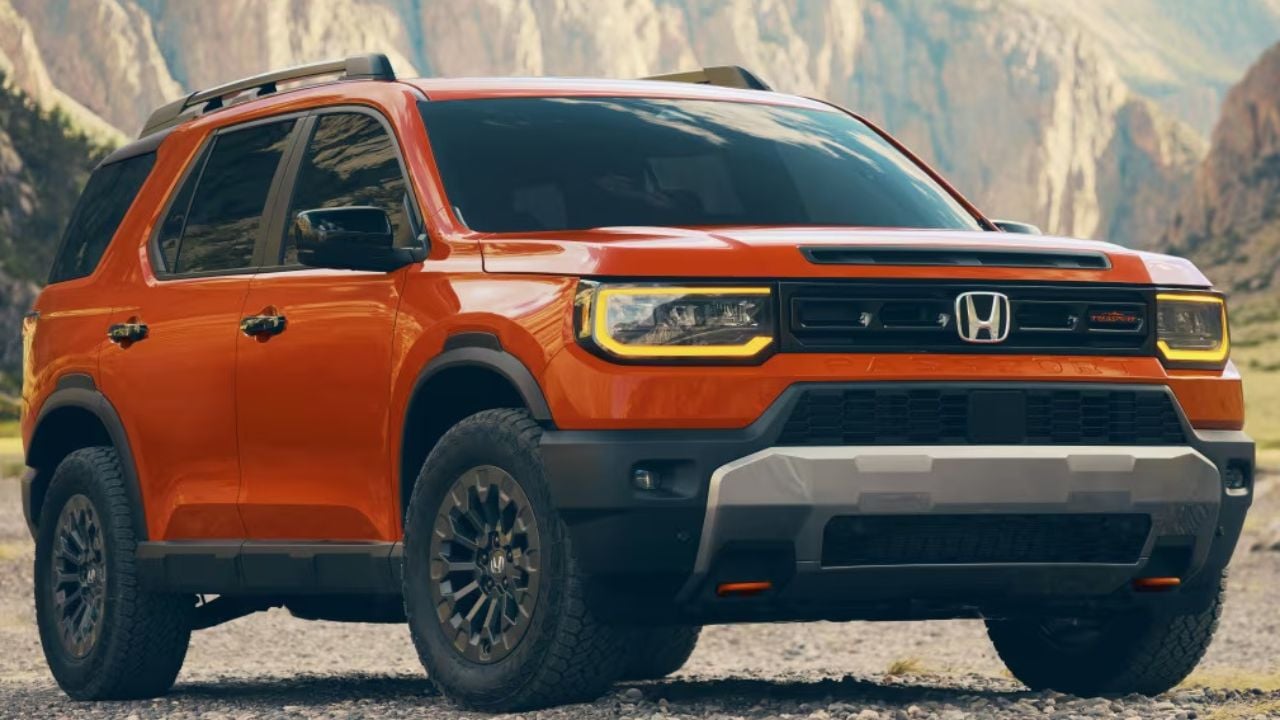
When the first reports about a possible partnership between Nissan and Honda appeared late last year, it sounded like another familiar auto industry story: plenty of hints, but very little concrete movement. As time passes, however, the shape of a potential cooperation between the two Japanese automakers is becoming clearer.
The focus is no longer abstract. It is now aimed directly at one of the most profitable, demanding, and competitive parts of the market.
Ivan Espinosa, Nissan’s chief executive, confirmed that talks with Honda are still continuing, but now with a more specific target: the D segment. In European terms, that refers to larger midsize SUVs and crossovers, a class where development costs are high, technology requirements are complex, and competition is extremely intense.
That is exactly where shared resources could make the biggest difference.
A More Specific Direction For The Talks
Unlike earlier comments, which were framed with plenty of caution, Espinosa is now speaking more openly about the direction of the negotiations. The focus is not on smaller and more affordable C-segment models but on larger and more sophisticated vehicles that require serious investment.
That includes platform development, electrified powertrains, and the kind of engineering work that becomes increasingly expensive as automakers try to meet changing market demands.
The slower pace of the talks is also interesting. According to Espinosa, it does not come from disagreement between the two companies. Instead, it reflects the strategic priorities of both automakers.
Nissan and Honda are each going through their own transformations, which makes coordination more complicated than it may appear from the outside. Even so, Espinosa described the talks as “very active and constructive,” which clearly suggests that interest in cooperation remains alive.
Hybrid Technology Could Be A Key Piece
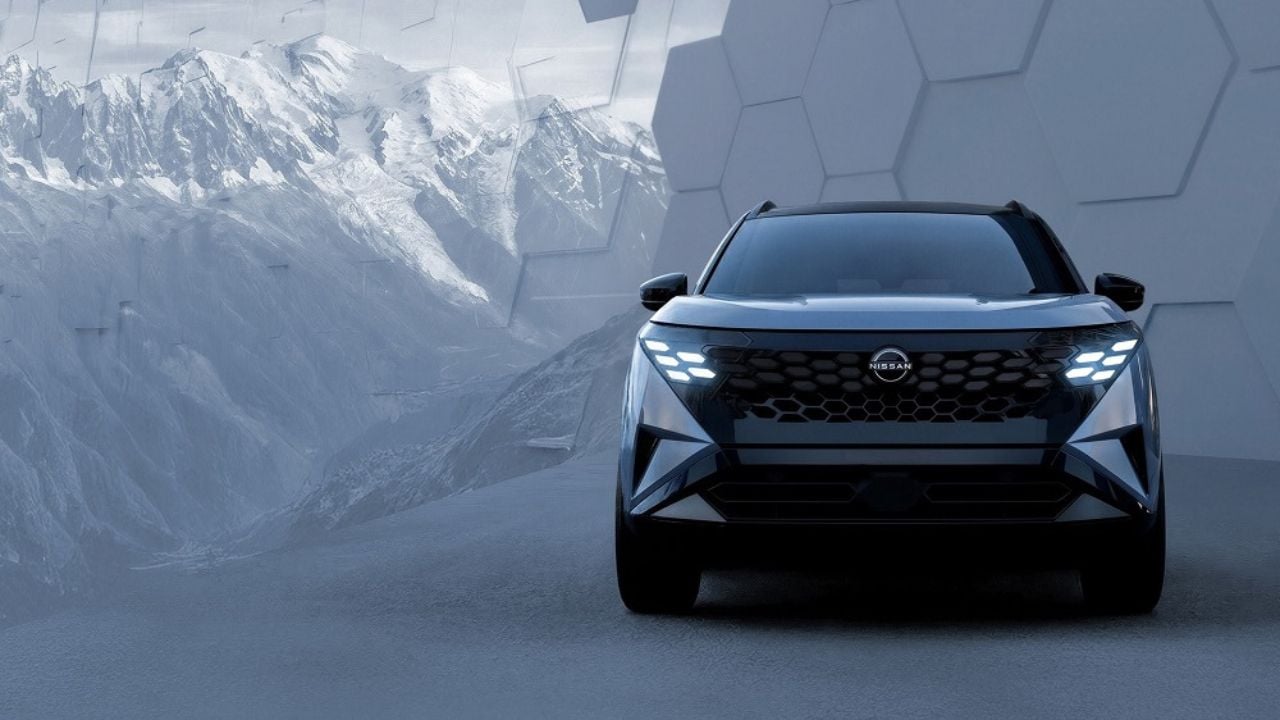
One of the most important parts of a possible partnership is hybrid technology. Honda has extensive experience in that area, especially with parallel hybrid systems, and that is exactly where Nissan currently has room to strengthen its lineup.
Nissan’s e-Power system, which is expected to arrive in models such as the Nissan Rogue, works as a series hybrid. In that setup, the gasoline engine serves only as a generator, while electric motors drive the wheels.
That approach gives Nissan a different kind of electrified driving experience, but the company’s future plans also include parallel hybrids. Espinosa has already confirmed a new V6 hybrid system, and this is where Honda could play a particularly important role.
Honda has spent years developing and refining hybrid powertrains, and its experience could become valuable as Nissan expands beyond its current e-Power strategy.
The Xterra And Pathfinder Could Fit The Plan

In that context, the return of the Nissan Xterra begins to make even more sense. The revived SUV is expected to use a V6 hybrid powertrain, which makes it a natural candidate for some form of shared development.
The same logic could also apply to the Nissan Pathfinder. Although the current Pathfinder was redesigned relatively recently, planning for the next generation is already becoming important.
Adding a more advanced hybrid system, potentially with Honda’s support, could make the Pathfinder stronger in a segment where fuel economy, towing capability, refinement, and long-term efficiency all matter to buyers.
For Nissan, that kind of technology could help its larger SUVs stay competitive as rivals continue to move toward electrification.
Nissan Also Has Something Honda Could Use

Honda would not be the only company bringing valuable technology to the table. Nissan has one important asset that Honda currently lacks: a rugged body-on-frame platform suitable for serious SUVs.
That kind of architecture is still important for vehicles designed around durability, towing strength, and off-road capability. Honda does not currently have a direct player in that space, which could make Nissan’s experience especially attractive.
A cooperation between the two companies could therefore work in both directions. Honda could help Nissan with hybrid technology, while Nissan could offer knowledge and hardware in larger, tougher SUV platforms.
A Partnership Still Looks Possible
For now, everything remains in the negotiation and strategic review stage. Still, it is clear that the door to cooperation has not closed.
On the contrary, both manufacturers appear to be carefully studying where a partnership would make the most sense. That caution is understandable, especially at a time when the auto industry is facing one of the most expensive and difficult transitions in its history.
Electrification, software development, stricter emissions rules, and changing buyer expectations are all forcing automakers to rethink how they spend money. In that environment, partnerships are no longer a sign of weakness. They are often a practical response to market reality.
For now, a Nissan and Honda alliance remains only a possibility. It is uncertain, but it is far from ruled out.
This article originally appeared on Autorepublika.com and has been republished with permission by Guessing Headlights. AI-assisted translation was used, followed by human editing and review.