
There’s a certain pattern to modern excess. A method to the madness, even. When people come into sudden money, they tend to reach for the same symbols. Fast cars. Flashy property. Fast cars again. A curated life that screams “I made it” before anyone asks questions.
But every now and then, a story cuts through that familiar script and makes you pause. Not because it’s about cars, but because it quietly asks why cars are always part of the story in the first place.
This latest case out of Atlanta fits that mold, but with a twist that feels just as predictable as it is unsettling.

According to U.S. prosecutors, an Atlanta woman, Brittany Hudson, has been convicted in connection with a scheme that siphoned nearly $10 million from Amazon. The method with which she was able to loot the retail giant was not some cinematic hacking operation or high-tech breach. It was something far more mundane and, in many ways, more revealing.
Fake vendors.
That’s right. Fake vendors and bogus invoices. Hers was a system that relied less on brilliance and more on repetition, patience, and the assumption that no one would look too closely.
The Paper Trail of Lies
Hudson and an accomplice allegedly created fictitious vendors on Amazon’s platform. Through these entities, they submitted invoices for goods or services that did not exist. Once processed, payments flowed out as if everything were legitimate. It was, essentially, a paper trail of lies dressed up as routine business activity.
And for a while, it worked.

The scale is what stands out. Nearly $10 million does not slip through cracks. It suggests either a system stretched thin or one built on trust that can be quietly exploited. Each invoice, on its own, might have seemed unremarkable. Together, they formed a pipeline.
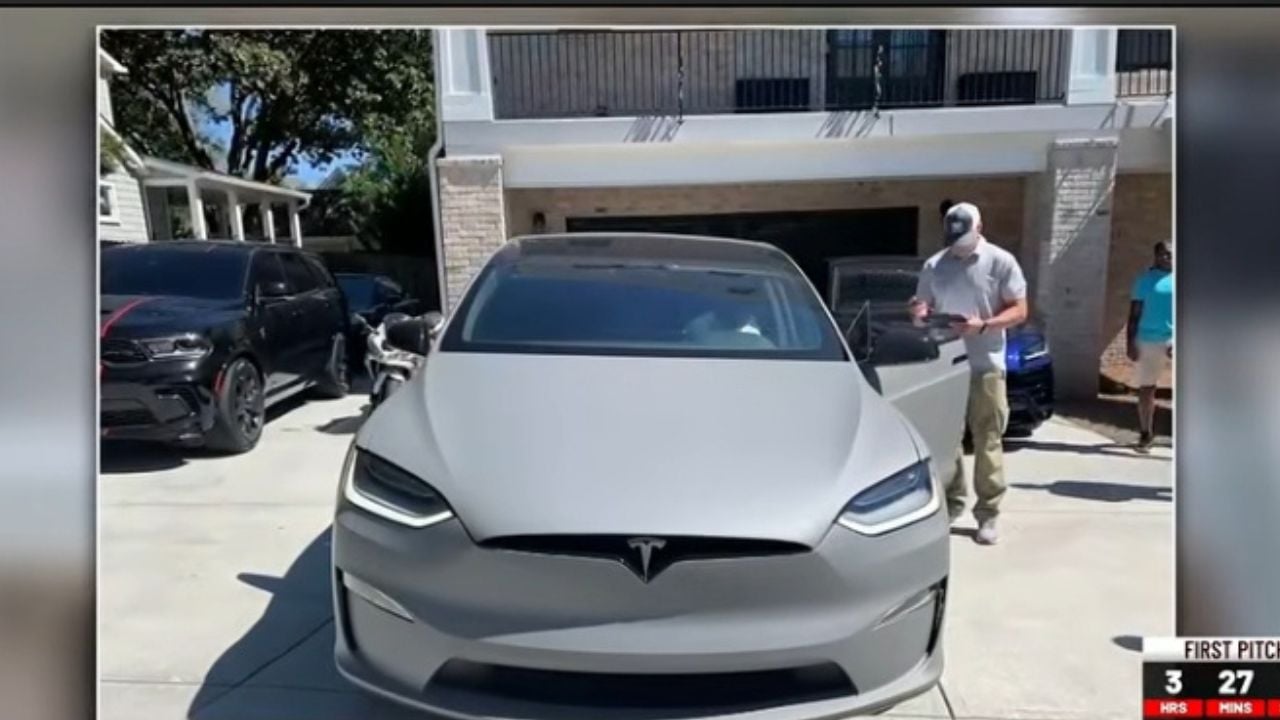
What happened next is where the story circles back to that familiar pattern. Prosecutors say the money was spent on cars and real estate. Again, the usual suspects. The visible markers of wealth. The kind that turn heads, raise eyebrows, and sometimes, inevitably, raise questions.
It is almost ironic. The same purchases meant to signal success often become the breadcrumbs that lead investigators back to the source. These criminals that, without fail, splash their loots on luxury cars and massive yachts know it in the back of their heads that those “toys” aren’t just rewards. They’re a statement. And statements invite scrutiny.
The Performance of Success
There is also a deeper layer here about perception.

Cars, especially high-end ones, have long been shorthand for achievement. They are tangible, immediate, and impossible to ignore. But in cases like this, they also become symbols of something else entirely. Not success, but the performance of it.
The Atlanta News First report on this story hints at another troubling detail. Prosecutors allege that the scheme went beyond simple fraud, suggesting attempts to manipulate or pressure elements of the judicial process. While details remain limited, even the suggestion adds weight to the case. It shifts the narrative from opportunistic fraud to something more deliberate and entrenched.
Meanwhile, authorities continue to piece together the full scope of the operation. Questions remain about how long it ran, how many transactions were involved, and whether others played a role behind the scenes. As with many financial crimes, the surface story is often just the beginning.
And so we come back to that opening thought. Why always cars?
Visible Proof, Inescapable Stain
Maybe because they are the easiest way to translate invisible money into something real.

There’s always a bitter tang of sadness to seeing coveted Lamborghinis, Porsches, and Mercedeses paraded as proceeds of fraud, reduced to no more than dirty embodiments of crime. That history—that story attached to those cars effectively become their provenance.
As though those cars are forever sullied, and their names fatally besmirched. The stories of their designers, engineers, and passionate product planners colored over by what they’ve become. An ignominious destiny of being identified as proceeds of crime.
At auction, it won’t be said of these TESLAs, Urus, SRT Hellcat Durango, and Ducati motorbike that they were repo cars. As awful as that is, it would’ve been better than being introduced as a criminal’s car acquired with dirty money.
That said, a bank balance can be hidden. A shell company can be explained away. But a car, parked in plain sight, tells a story whether you want it to or not. Yes, this is not really a car story. It is about systems, trust, and the human tendency to turn sudden gain into visible proof. The cars just happen to be the loudest part of a much quieter, more complicated narrative.