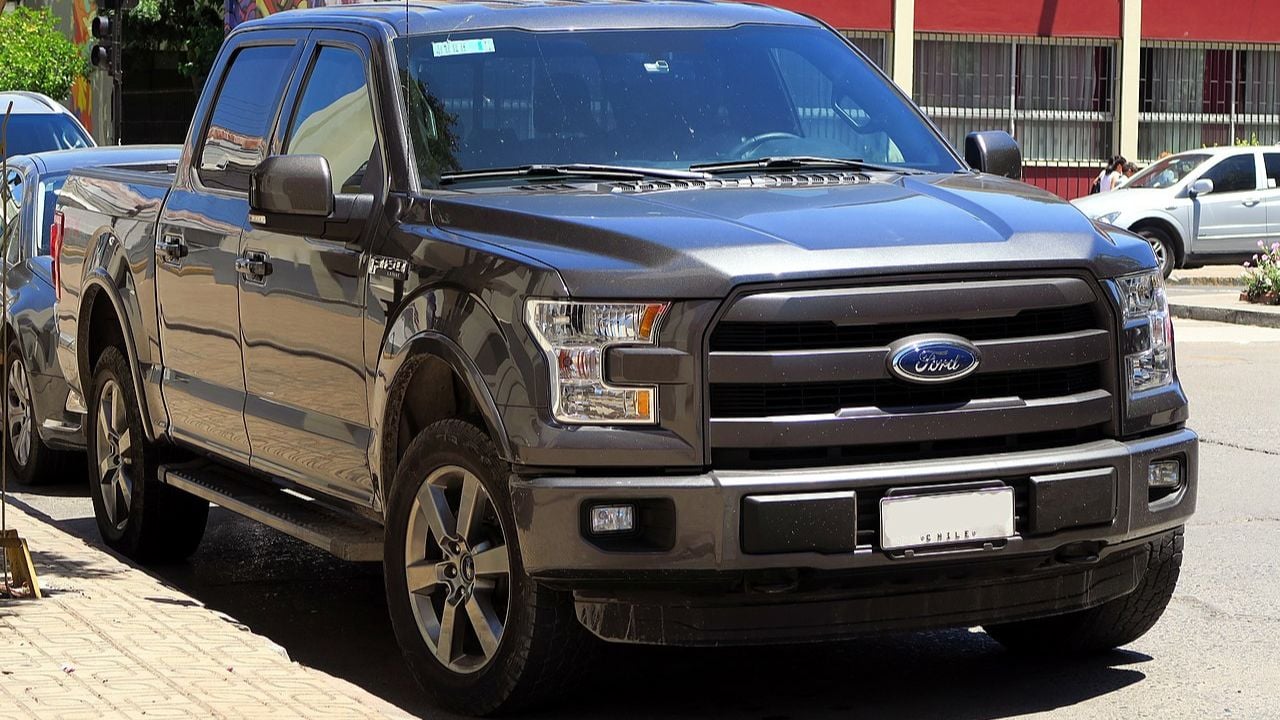

Here we go again with the Blue Oval in the regulatory hot seat, and this time it is about one of America’s most iconic work trucks.
The National Highway Traffic Safety Administration (NHTSA) has escalated its scrutiny of roughly 1.27 million 2015‑2017 Ford F‑150 pickups after a mountain of owner complaints about sudden and unexpected transmission downshifts.
That might sound like classic truck drama, but when it can lead to wheel lockups or even an unintended change in direction, it becomes something much more serious.
The investigation, which is now at the engineering analysis stage, was opened after NHTSA’s Office of Defects Investigation got flooded with owner reports describing the same troubling pattern.
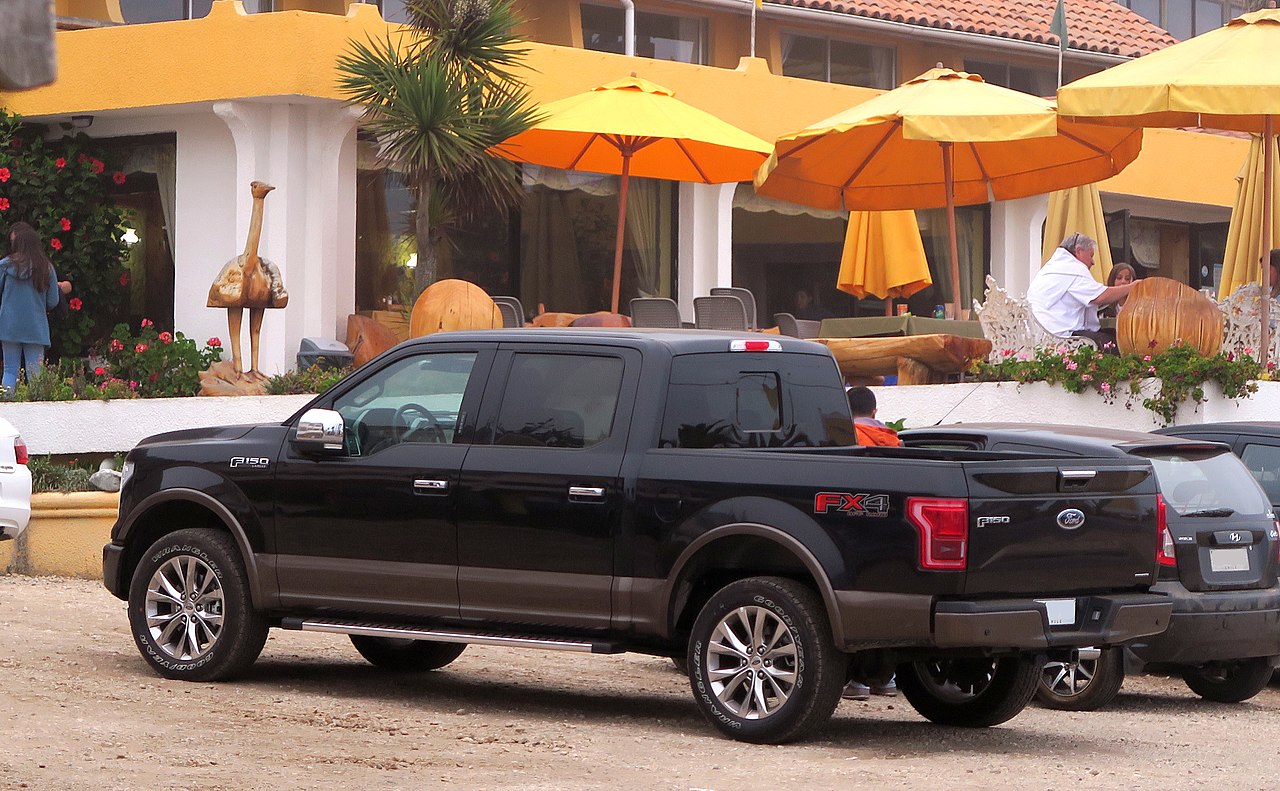
Drivers say their trucks sometimes go from cruising at highway speed into a lower gear without warning, often plunging into first or second gear.
More than 60 percent of surveyed owners confirmed they’ve experienced these mysterious downshifts and about 43 percent reported at least one rear wheel lockup event. That kind of behavior on public roads has safety regulators paying attention.
Electrical Failure and an Unwelcome Déjà Vu
At the heart of the investigation are the 6R80 and 10R80 six‑speed automatic transmissions found in those model years. Ford traces the potential defect to degraded electrical connections within the transmission’s sensor systems, especially ones involving the Transmission Range Sensor.
Over time, heat and vibration may wear these connections enough that signals get lost, and the transmission can suddenly decide for you which gear you want next.
According to NHTSA testing, that signal loss might even cause a truck reversing uphill to go into neutral and roll forward. That is not the kind of quirky behavior anyone wants from their pickup.
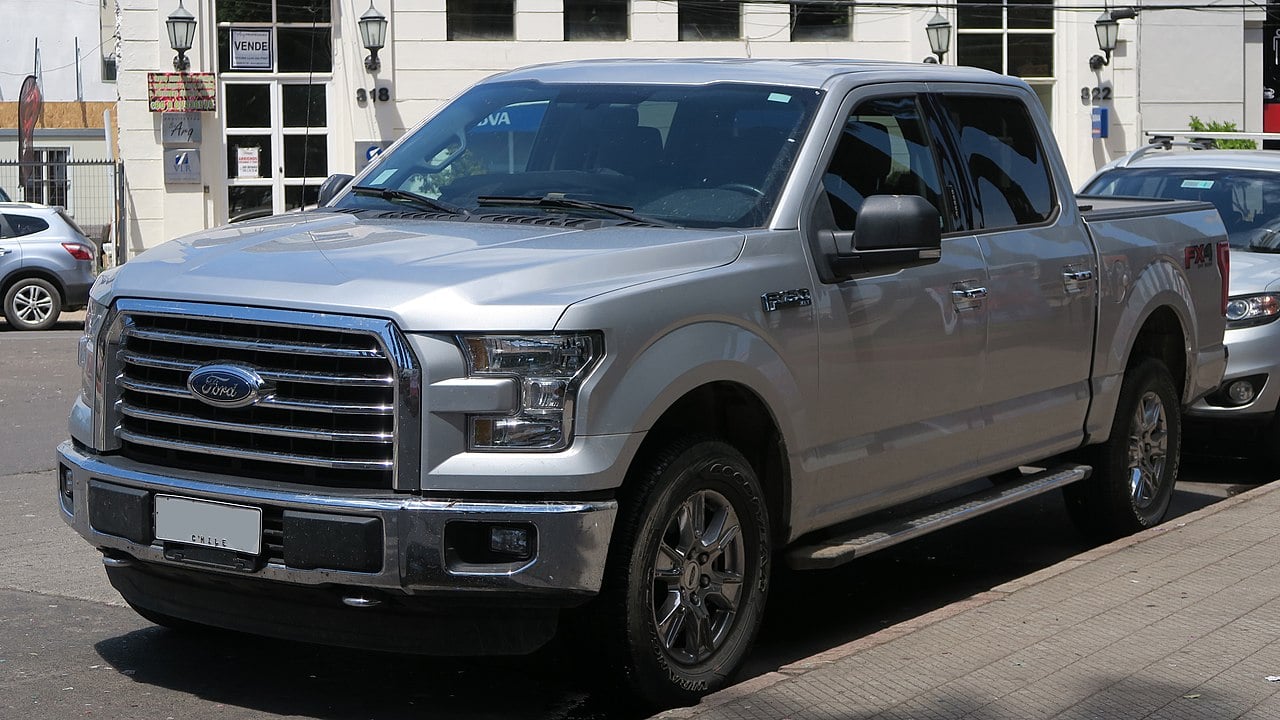
Now for the part that hits like a flashback. Ford has already lived this exact nightmare once before. Earlier generations of the F‑150, particularly model years 2011 through 2014, were hit by multiple recalls related to similar downshift issues tied to sensors and transmission control.
That recall campaign covered hundreds of thousands of trucks. So, if you find yourself thinking “haven’t we seen this movie before” the answer is yes. Plenty of owners and industry watchers are groaning that this is deja vu for a brand that built its reputation on rugged reliability.
Broader Troubles and the Path to a Recall
And this isn’t the only wrinkle in Ford’s 2026 safety story. Although full, detailed recall data for this year is still being compiled, safety agencies have reported that Ford is leading automakers in recalls this year with multiple campaigns already filed for a range of issues.
These include recalls for backup camera malfunctions, engine oil leaks linked to misaligned components, and trailer brake system problems on certain pickup and SUV models.
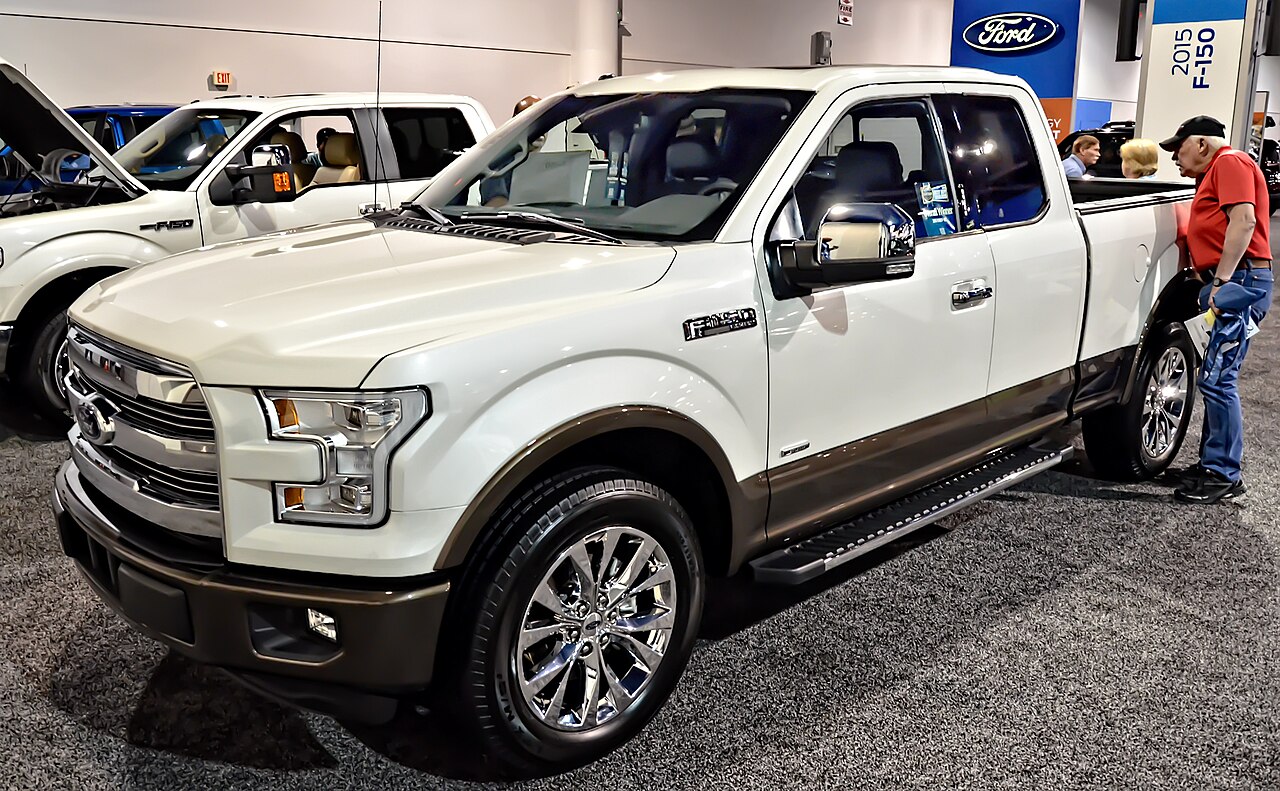
That pattern adds context to the F‑150 transmission probe and suggests Ford’s quality control challenges have percolated beyond just one vehicle line.
Meanwhile, regulators are continuing their deep dive. Upgrading the status of a defect query to an engineering analysis means NHTSA is conducting component testing and in‑depth evaluations to confirm whether a safety defect exists.
If investigators get to yes on that question, a formal recall will likely follow, and Ford can be expected to issue notification letters and free fixes for affected owners. For now, the truck stays on the road while regulators and engineers wrangle over data and test results.
What Happens Now for Owners?
For owners of these older F‑150s, it’s advisable to keep an eye on official NHTSA communications and be cautious if your truck exhibits the symptoms described in the reports.
Some owners may even choose to park their vehicles until they can get clarity, though that’s a sobering choice that echoes their frustration with a problem they might have hoped was long resolved.
Apparently, there’s a seldom a dull moment in the world of automotive safety oversight, and this latest Ford chapter feels like the latest round in a long and complex fight over reliability, engineering, and trust.
Sources: Yahoo Autos