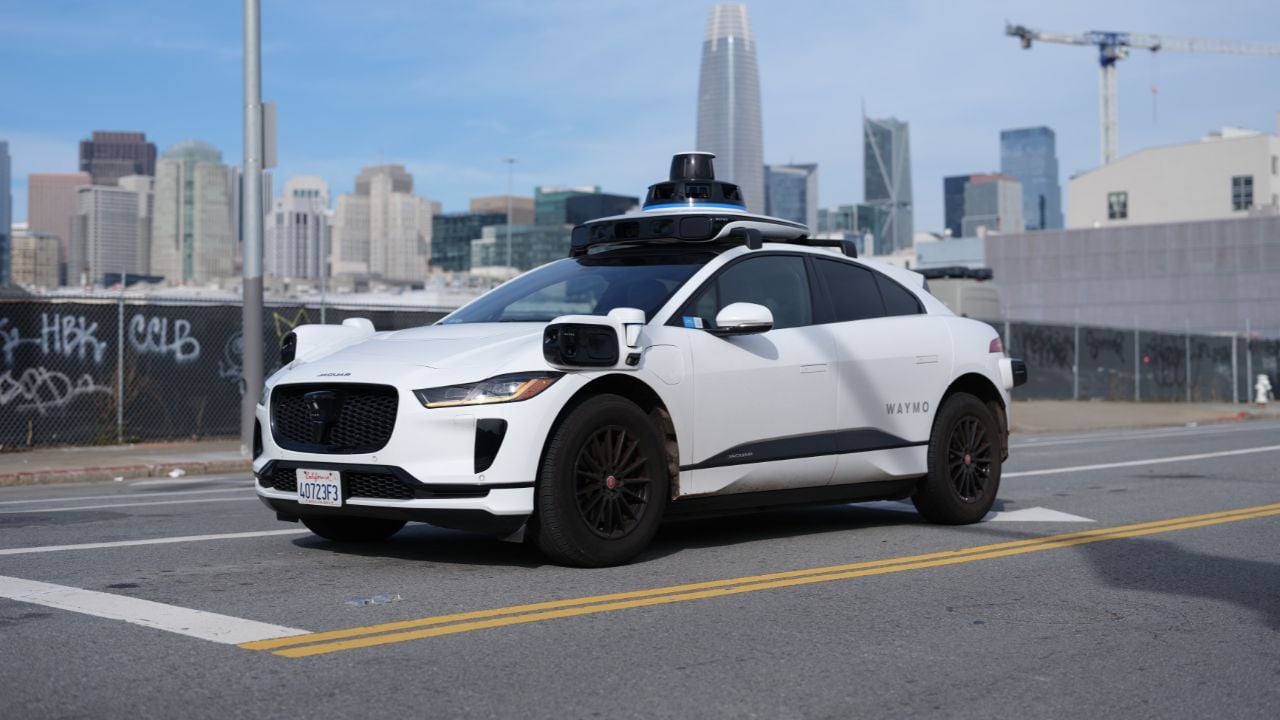
A duck became the unlikely flashpoint in one of tech’s biggest debates, and a quiet Austin neighborhood has not been the same since. What started as a Facebook post from a concerned resident has snowballed into a public reckoning over whether autonomous vehicles truly belong on neighborhood streets. The incident is raising uncomfortable questions that no amount of simulation data can easily answer.
The duck in question was not just any duck. It had been nesting in a planter pot outside a local Italian restaurant in the Mueller Lake neighborhood, a planned urban community in east Austin known for its walkable streets, green spaces, and tight-knit community feel. Neighbors had grown attached to the bird, making its death at the wheels of a self-driving vehicle feel especially personal. For a community that prides itself on looking out for one another, the loss stung.
The company behind the vehicle, Avride, has since confirmed the incident and responded with a mix of acknowledgment and data review. But for many residents, the corporate response has done little to ease concerns about what it means to live alongside technology that is still very much a work in progress.
What Actually Happened on That Austin Street
According to a post shared in a Mueller neighborhood Facebook group, an Avride autonomous vehicle, which had a human safety operator seated behind the wheel, struck and killed the duck without slowing down or stopping. The original post, which was picked up and reported on by local outlet KXAN, described the vehicle as having “just steamrolled through” without any hesitation whatsoever.
Avride confirmed to TechCrunch that the vehicle was operating in autonomous mode at the time of the incident. The company said it reviewed the vehicle’s data and replayed the scene multiple times in simulation to understand what happened. Spokesperson Yulia Shveyko noted that Avride is now evaluating potential improvements to its technology to help prevent similar situations, including running controlled simulation experiments to make sure any changes do not introduce new safety problems elsewhere.
One additional claim in the original Facebook post alleged that the vehicle also failed to stop at a stop sign. Avride pushed back on that, saying its data showed the vehicle made complete and appropriate stops at all relevant intersections.
The Eggs, the Outrage, and the Community Response
If the story stopped at one duck fatality, it might have faded from the news cycle quickly. But the community response added emotional depth to what could have otherwise been a forgettable tech story. Residents rallied to save the duck’s unhatched eggs, which have since been placed into an incubator, according to a report from Axios Austin. That detail transformed the story from an accident report into something with genuine stakes and a community fighting back in the only way it knew how.
The outpouring of grief and frustration also reflects something broader. People tend to process complex issues through personal stories, and a nesting duck outside a neighborhood restaurant is about as personal as it gets. The incident has become a symbol for residents who feel like autonomous vehicle companies are treating their streets as laboratories without fully accounting for the messy, unpredictable reality of life in a neighborhood.
Austin Is Already a Busy Testing Ground for Self-Driving Technology
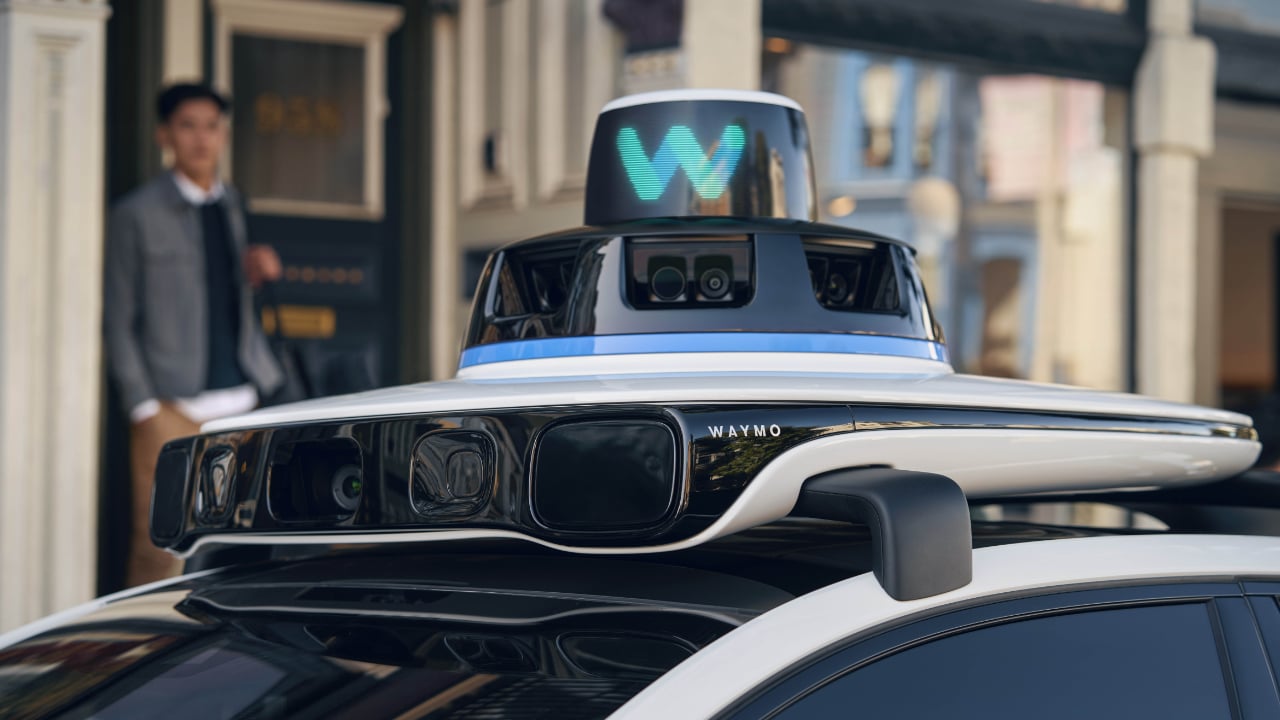
The Avride incident does not exist in isolation. Austin has become one of the more active cities in the country for autonomous vehicle testing and deployment. Zoox has been conducting tests in the city. Tesla operates there as well. Waymo, in partnership with Uber, runs a commercial robotaxi service in parts of Austin, making the city something of a proving ground for the industry at large.
That concentration of autonomous vehicles on city streets means incidents like the one at Mueller Lake are likely to happen again in some form, whether involving wildlife, pedestrians, cyclists, or property. Avride has responded to this particular case by adjusting its operating area, excluding certain streets near the lake where the incident took place. The company has not paused testing on public roads entirely, which may do little to reassure neighbors who are already on edge.
The debate over autonomous vehicles has long centered on statistics and safety records compared to human drivers. But moments like this serve as a reminder that public trust is not built on data alone. It is built, or lost, one neighborhood at a time.