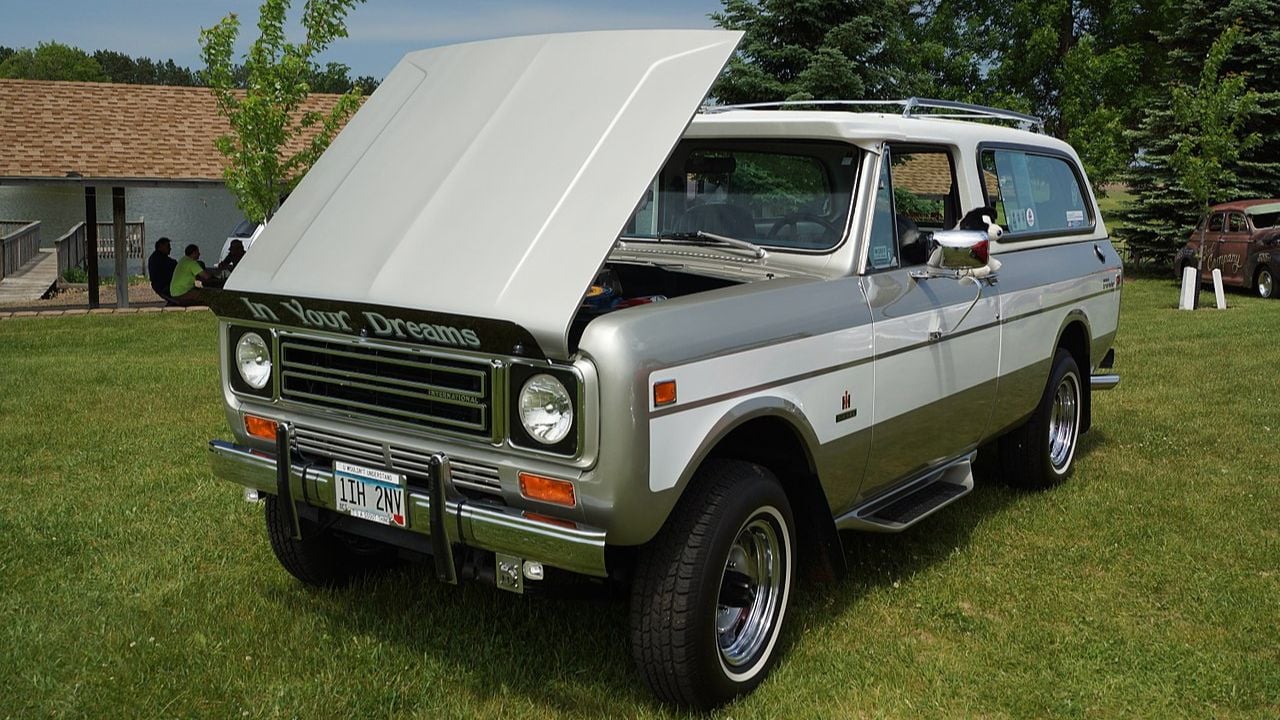

America may have to wait even longer for one of the most anticipated automotive revivals in recent memory.
Recent reporting from respected German news outlet Der Spiegel suggests that Volkswagen Group has pushed back the launch of its Scout Motors brand in the United States to at least 2028, a delay that could add a year or more to an already long journey toward production.
The report attributes the setback to a combination of technical hurdles and shifting financial imperatives within the Volkswagen empire. In other words, Scout’s backer is dealing with the complex realities of launching a new brand in today’s automotive landscape.
The Dream: A Storied Name Returns with Rugged EVs
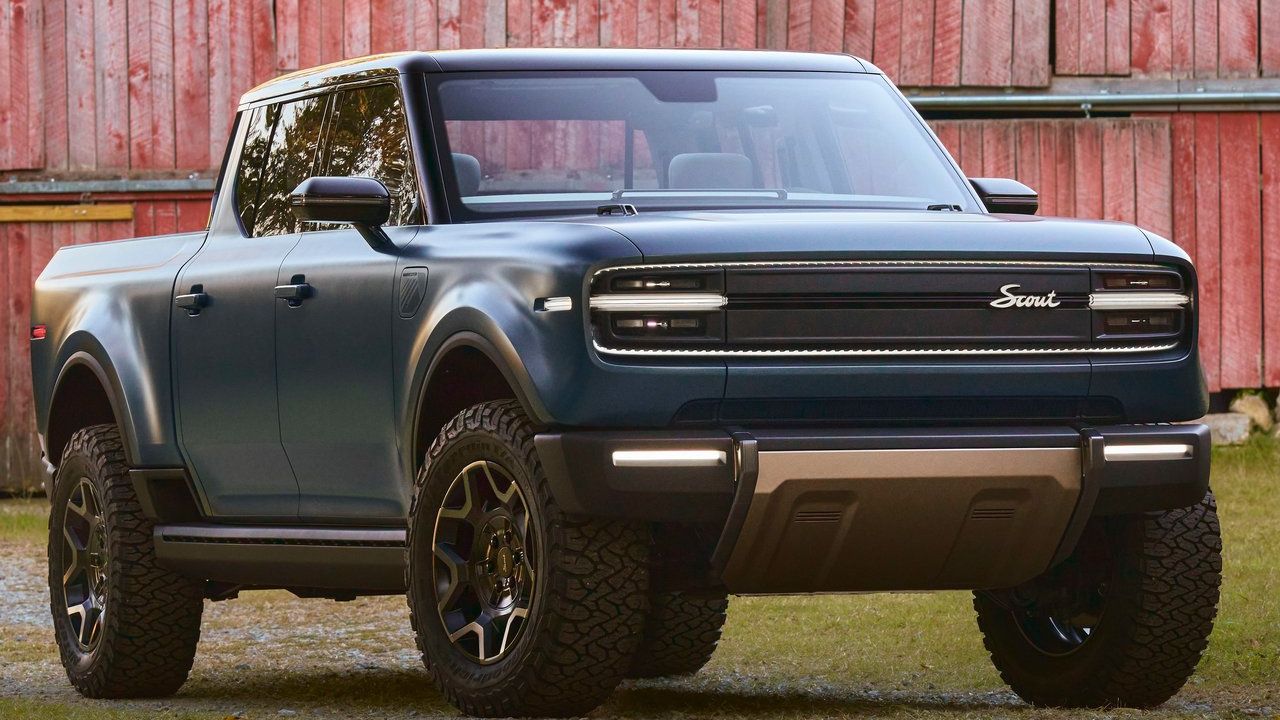
The Scout name carries a storied heritage in American automotive history. Originally built by International Harvester in the 1960s and 1970s, the rugged SUV became a symbol of no‑nonsense off‑road capability long before the modern SUV boom.
Volkswagen’s modern incarnation aimed to resurrect that spirit with fresh, rugged designs that marry classic character with modern electric vehicle engineering. When Scout Motors unveiled the Traveler SUV and Terra pickup concepts in 2024 to enthusiastic crowds, hopes were high that these vehicles could carve out a meaningful foothold in a market dominated by entrenched players.
The original production target for Scout’s new models was late 2026 or sometime in 2027, with vehicles arriving as 2028 model‑year offerings. A massive new factory in Blythewood, South Carolina was under construction to assemble up to 200,000 vehicles per year, backed by billions of dollars in corporate investment and state incentives. The plan had seemed ambitious yet feasible.
Technical Hurdles and Shifting Economics
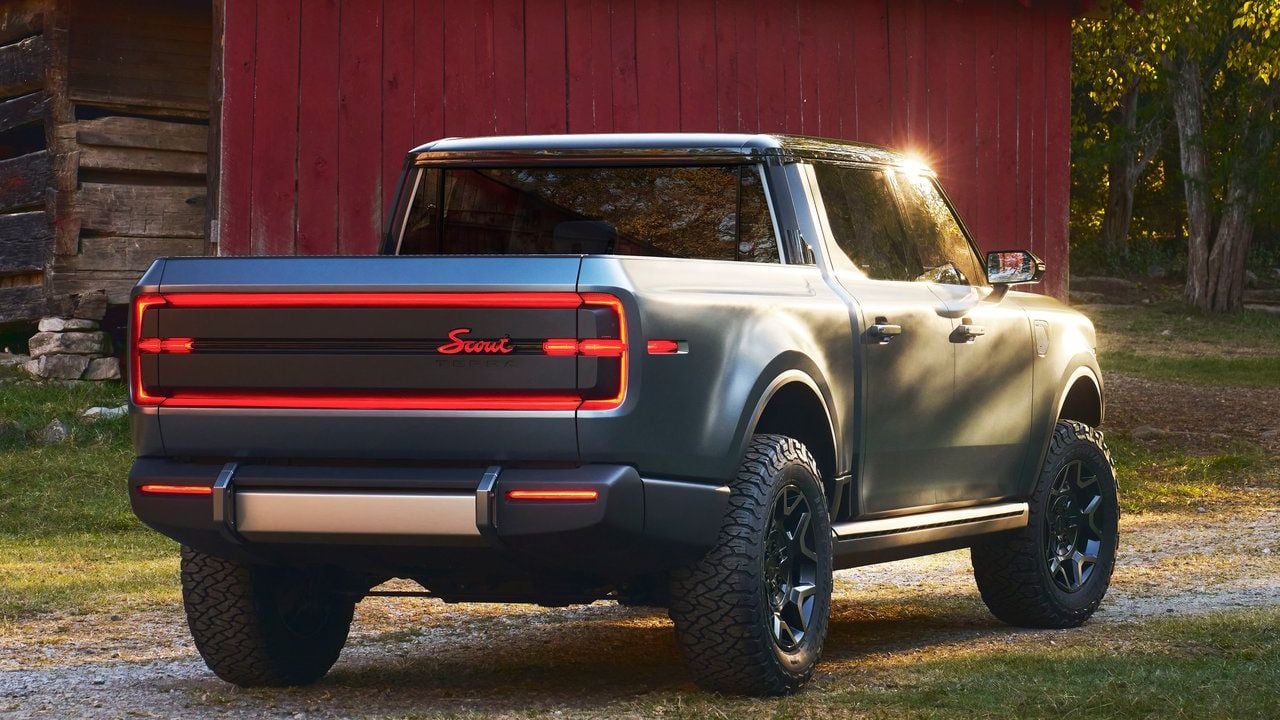
But according to the Spiegel account, that timeline is now considered overly optimistic by several insiders. Technical challenges, especially related to Scout’s planned range‑extending technology, are reportedly taking longer to resolve than expected.
Range‑extended electric vehicles pair traditional battery propulsion with a small gasoline engine that acts as a generator to recharge batteries on the go. This hybrid approach promises extended range beyond pure battery electric power but packaging such systems in a rugged body‑on‑frame vehicle has proven a design and engineering challenge.
On top of powertrain hurdles, there are difficulties related to software development and component integration that don’t yet have clear timelines for resolution.
The broader economic and political environment has not made matters easier. Federal incentives that once made all‑electric production much more attractive have changed in recent years. That factor singularly altered the business case for Scout’s original fully electric ambitions.
Congress repealed major parts of the Inflation Reduction Act in 2025, diminishing the financial edge that might have smoothed the launch and scaling of an all‑electric lineup. Within Volkswagen, senior leadership has also emphasized cost cutting, placing pressure on discretionary projects like Scout to justify their investment.
Scout Fires Back: ‘We’re Still Moving Full Steam Ahead’
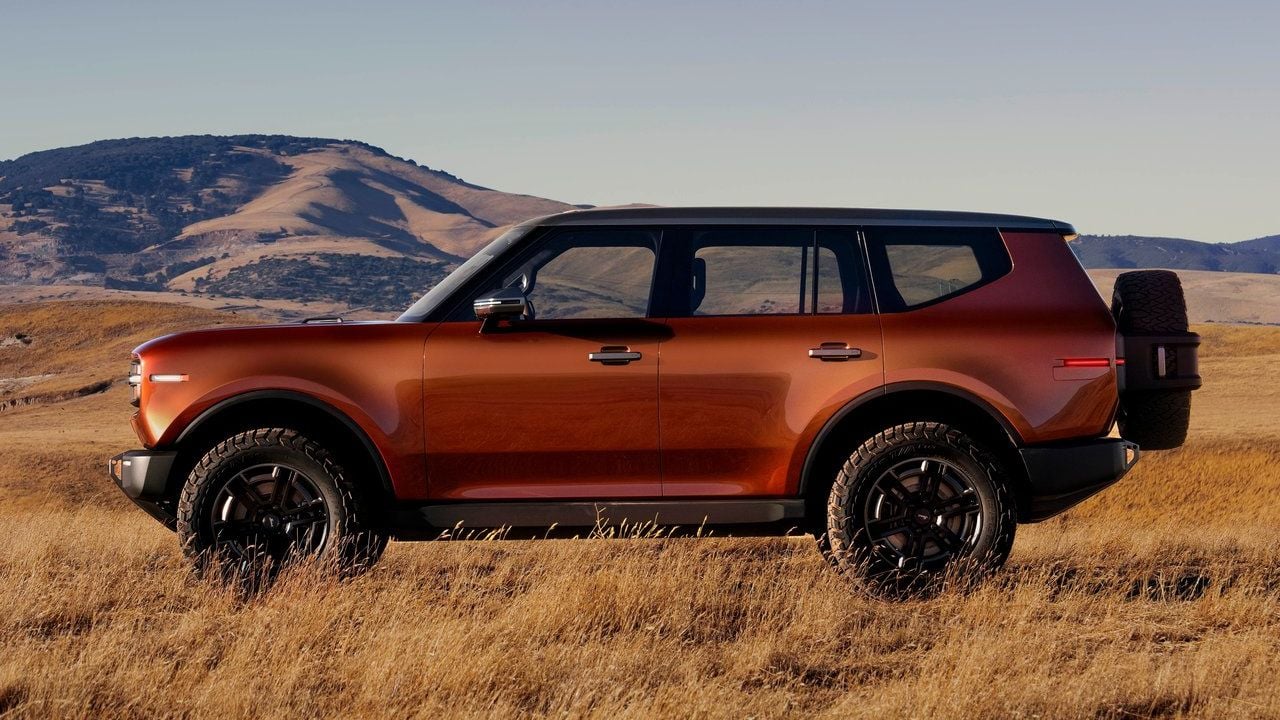
This news paints a sobering picture, but it comes with a twist. Scout Motors itself has reportedly refuted the notion of a confirmed delay.
Company representatives have reiterated that no official update to production timing or product plans has been released, and that the project continues to make progress on multiple fronts.
In community forum posts, Scout personnel described progress on development, factory building, and supplier relationships as steady, even though they acknowledged that large launch programs inevitably face obstacles.
“We are still moving full steam ahead, bringing Scout back to market,” the Scout personnel wrote on the forum. “Everything is moving forward and making good progress. Much like the guy who is balancing spinning plates on sticks and running back and forth to keep them spinning to prevent them from falling, we are juggling a lot at once. New factory. New suppliers. Two completely new vehicles. Could there be potential delays? Of course. But I will let you all know as quickly as I can if there are any official changes or major announcements.
Ultimately, Scout is neither denying nor confirming that its product release timeline might change. The official timeline for production remains targeted at 2027, at least based on current projections, and both the Traveler and Terra remain listed on Scout’s website with estimated availability next year.
Uncertainty Looms for Enthusiasts and the Market
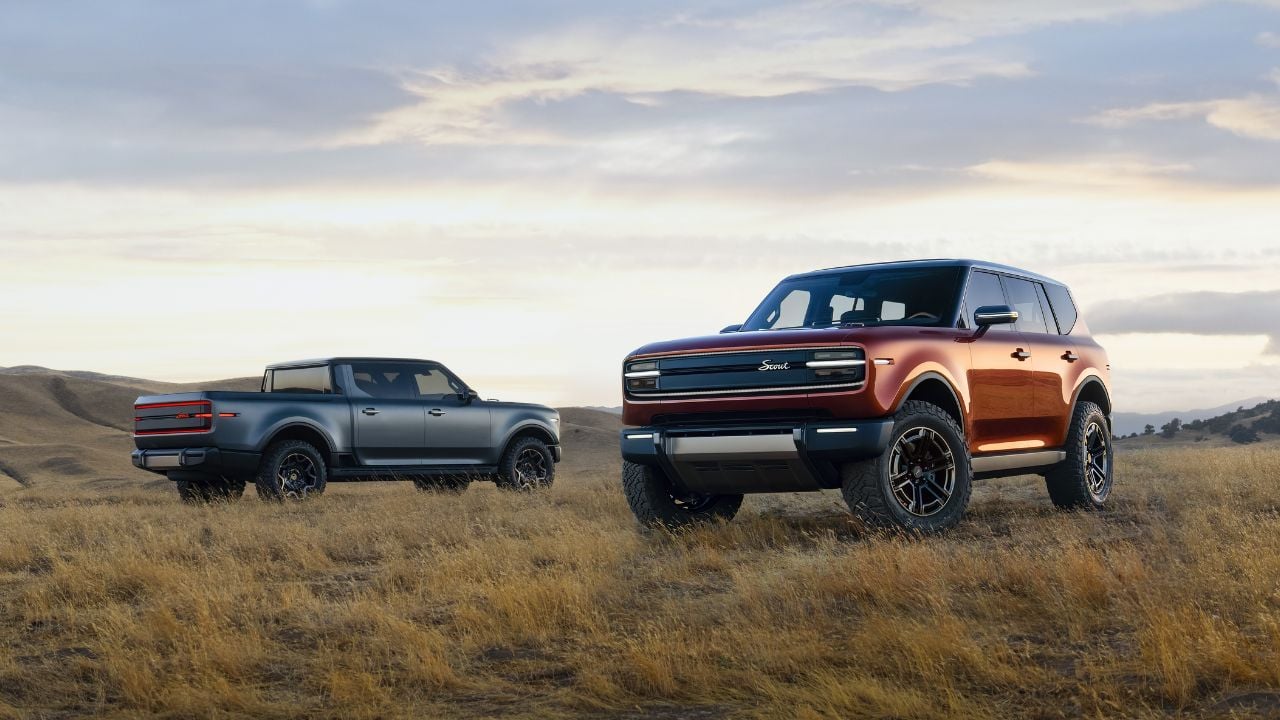
That disconnect between an unconfirmed but widely reported delay and the company’s official public stance has left many observers in suspense. Enthusiasts and eager customers, many of whom have placed refundable reservations with hopes of owning one of the new vehicles, are weighing the uncertainty.
Some take the Spiegel report seriously, noting that delays of this nature are common in automotive launches, especially when cutting‑edge technologies and new facilities are involved. Others remain hopeful that Scout will manage to stick to its original schedule and deliver the brand’s long‑awaited return to market.
For Volkswagen, the implications extend beyond timing. A delayed Scout launch could shift competitive dynamics in the rapidly evolving electric and extended‑range market space.
Rivals like Rivian, Ford, and General Motors are pushing their own electric trucks and SUVs, and a year or more of delay could alter how Scout fits into that landscape.
Meanwhile, internal pressures to streamline spending across the broader Volkswagen portfolio may push Scout to evolve its strategy or product mix further before production begins.
At this stage, the only certainty is uncertainty. The Scout revival remains one of the most intriguing automotive stories in recent years, blending nostalgia with modern mobility ambitions.
Whether it arrives in 2027, 2028, or even later, the journey to that moment continues to test assumptions about EV launches and the realities of building a new brand in a shifting global market.
Sources: PVSM