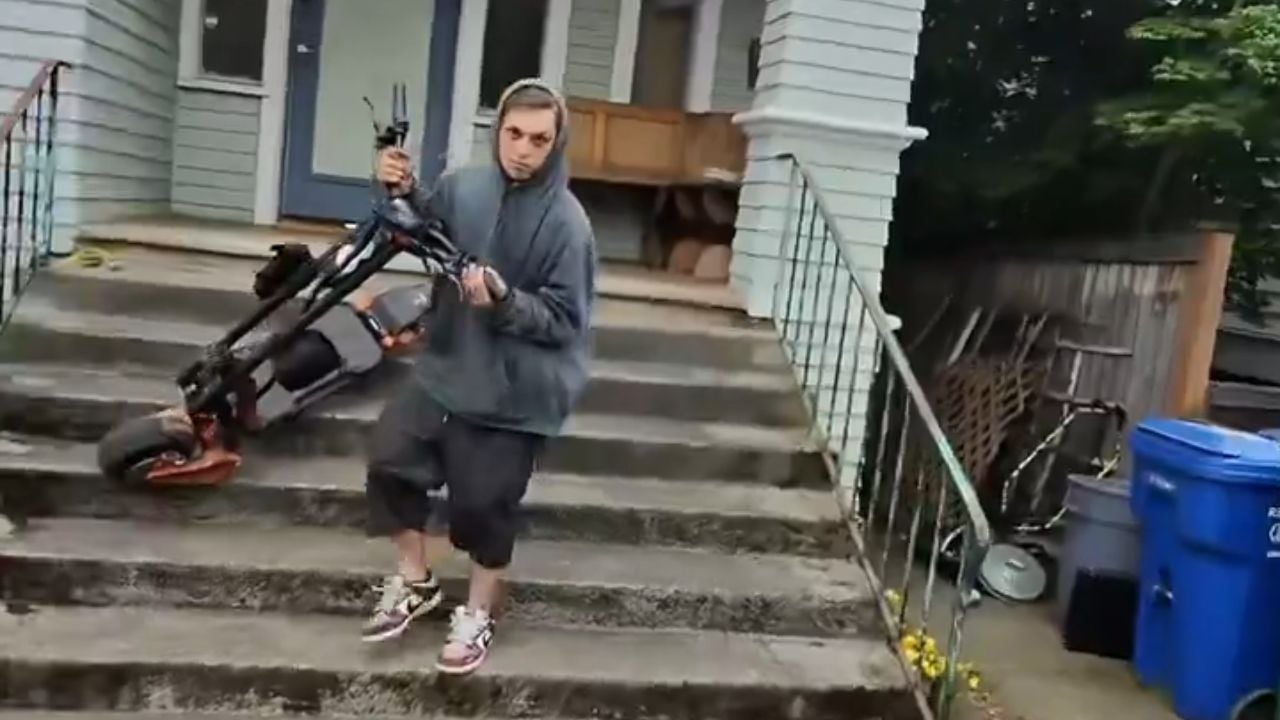

An electric scooter theft recovered through an Apple AirTag has sparked a heated debate online. That’s because the owner appeared to spray the suspected thief moments after getting the scooter back.
The now-viral clip, posted on X around May 24, shows a young man in a grey hoodie walking an electric scooter out of a suburban home and returning it to the person filming. The recovery itself looked surprisingly calm.
There was no physical struggle, no screaming match, and no visible attempt to flee with the scooter once confronted. That calm did not last long.
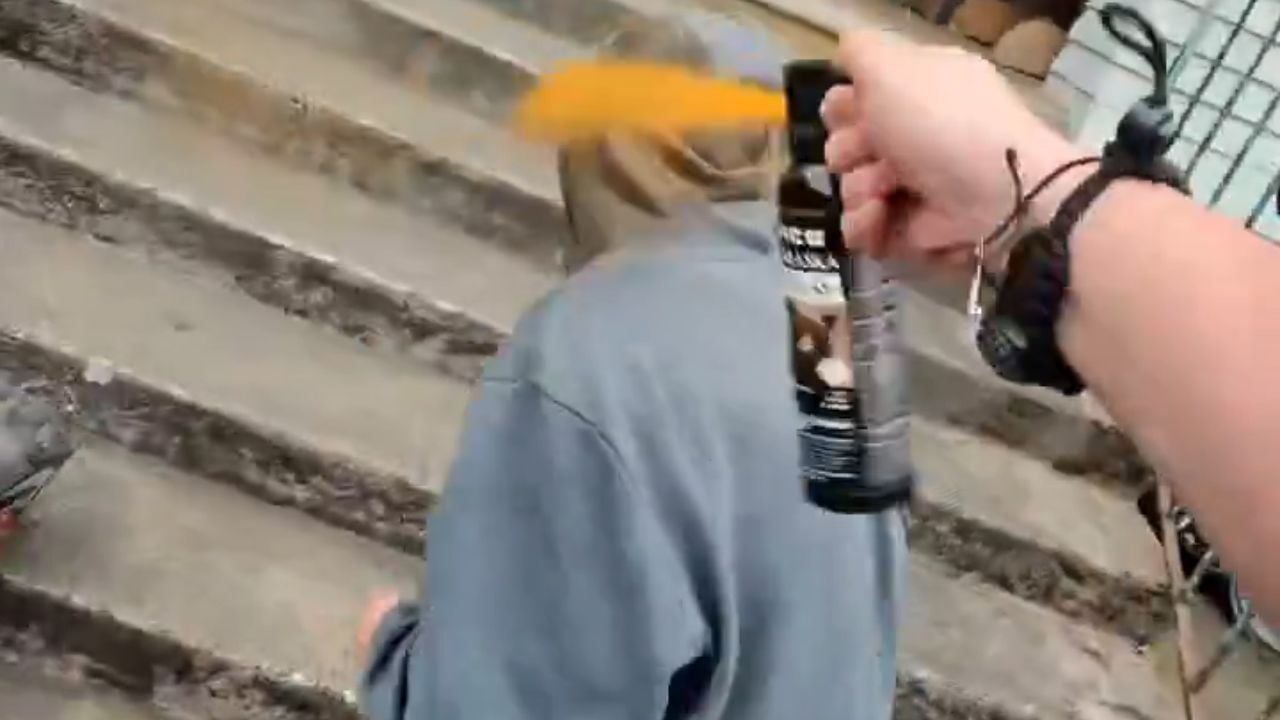
Seconds after the scooter was handed over, the situation escalated when pepper spray or bear spray appeared to be deployed toward the suspected thief. The video then turned chaotic as coughing, confusion, and hurried movement filled the scene while the scooter owner left the area.
Airtags Are Changing How Theft Victims Respond
This incident highlights a growing trend in modern theft recovery. Small tracking devices like the Apple AirTag are giving ordinary people the ability to locate stolen property with startling precision, often within hours of a theft taking place.
For owners of bikes, scooters, motorcycles, cars, and even tools, hidden trackers have become the digital equivalent of a silent witness. Instead of filing a police report and hoping for results days later, victims can now follow location pings directly to homes, parking lots, apartment complexes, and storage units.
That technology is shifting behavior in ways society is still trying to process. In previous years, most theft victims had little choice but to rely entirely on law enforcement.
Today, many people feel empowered to confront suspects themselves because the evidence feels immediate and personal. They can literally see their stolen property sitting on a map in real time.
But technology does not eliminate risk. In some cases, it may actually encourage dangerous confrontations that would never have happened otherwise.
The Recovery Was Successful. The Spray Was Optional
The scooter owner technically achieved the goal. The scooter was returned without visible damage, and the suspected thief appeared cooperative during the exchange. Yet the moment the spray entered the situation, the conversation online changed completely.
Many viewers argued the owner crossed a legal line once the property had already been recovered. Others defended the act, claiming no one knows what happened before the camera started rolling or whether the owner felt threatened during the encounter. That gray area is exactly why these situations are becoming so controversial.
In many US jurisdictions, pepper spray can legally be used for self-defense if someone reasonably fears imminent harm. However, spraying someone out of retaliation, anger, or punishment after the threat has passed can potentially expose the person using it to assault charges.
The video itself does not provide enough context to determine whether there was an active threat at that exact moment. That uncertainty has fueled the debate.
The Bigger Issue Is Vigilante Recovery Culture
This story is larger than one scooter or one confrontation. It reflects the rise of a new kind of vigilante recovery culture powered by consumer technology.
Next time, don’t approach a thief without security backup. https://t.co/zCarndAPBK
— Cars&Horsepower (@Horsepower37559) May 25, 2026
People are no longer waiting passively after thefts. AirTags, GPS trackers, smart cameras, and phone alerts are giving victims the confidence to investigate crimes themselves. Social media then amplifies these encounters, turning personal disputes into public morality debates within hours.
But recovering stolen property is not the same as controlling a dangerous situation. Approaching suspected thieves alone can escalate unpredictably, especially when emotions are already high. Even if the victim is morally justified in wanting their property back, legally and physically things can spiral in seconds.
The irony is striking. Technology helped solve the theft almost flawlessly, but human emotion may have created an entirely new problem afterward.
That contrast is why this clip is resonating with so many people online. It is not just about a stolen scooter. It is about how far ordinary people should go once technology gives them the power to track down the people who took from them.