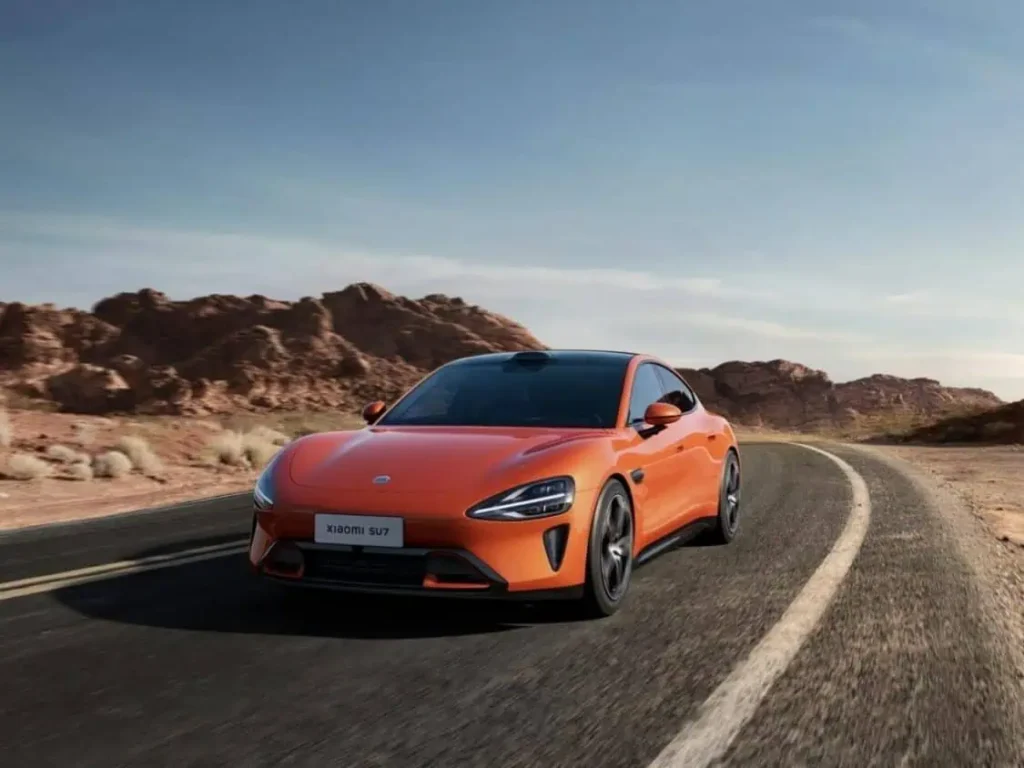
The global auto industry is in the middle of a shift that feels a lot bigger than the usual EV versus gas debate. In the United States, that conversation has become something close to a cultural and political dividing line, affecting everything from regulation to manufacturing and global competition. It is loud, messy, and often misses the bigger picture.
Meanwhile, China is not debating. It is building.
Over the past few years, Chinese automakers have expanded rapidly in global markets, introducing new models, advancing battery technology, and competing aggressively on price. Whether those vehicles consistently match Western standards for long-term quality remains an open question, but their growth is not. That is where things start to get uncomfortable for traditional manufacturers.
The Chinese auto industry continues to grow quickly, with new technologies and pricing strategies drawing global attention. While enthusiasts may focus on performance and brand identity, many consumers are increasingly weighing cost and features when deciding what to buy.
That shift is happening almost everywhere except the United States, where Chinese vehicles have largely been kept out through a combination of tariffs and regulatory barriers. For now, at least.
Auto Industry Groups Send Warning to Washington
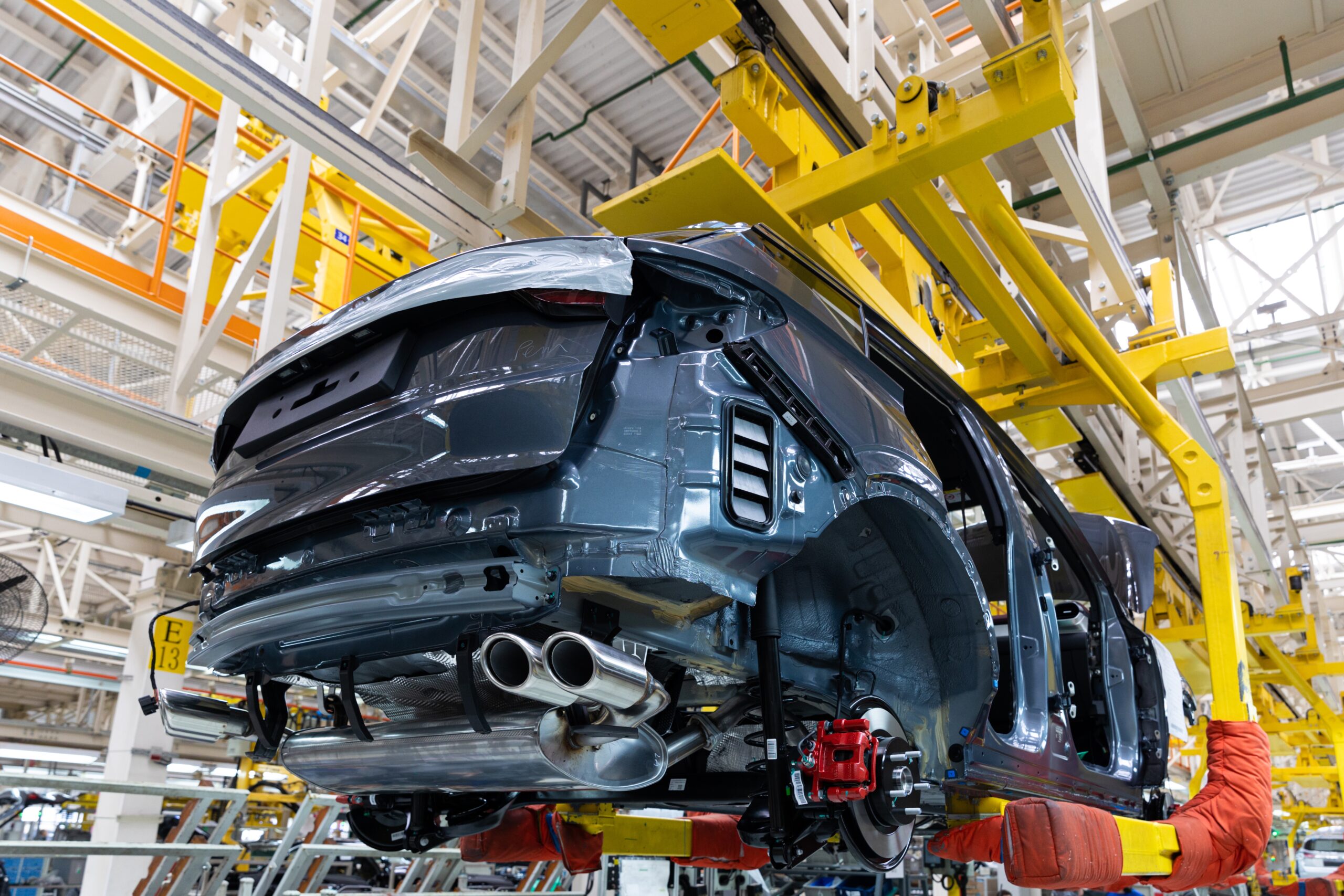
On March 12, 2026, major auto trade groups urged the administration to keep Chinese automakers out of the U.S. market, sending a joint letter directly to President Trump outlining their concerns.
As reported by Reuters, the letter raised “serious concerns about China’s ongoing efforts to dominate global automotive manufacturing and to gain access to the U.S. market.” The groups warned that those efforts pose a “direct threat to America’s global competitiveness, national security, and automotive industrial base,” framing the issue as something far broader than a typical trade dispute.
Timing Is Everything
The timing of the letter aligns with President Trump’s planned March 31, 2026, meeting with Chinese President Xi Jinping, where trade and economic tensions are expected to be central topics. Reuters noted the letter could complicate those discussions, placing additional pressure on an already fragile relationship.
What Happens Next
If there is one thing that feels certain right now, it is this: things are about to get a lot more interesting.
The debate over Chinese automakers is no longer theoretical. The momentum is already there, with Chinese manufacturers making significant gains in their home market while expanding rapidly across global markets, competing on price, technology, and speed.
Even if trade groups succeed in keeping those vehicles firewalled at the U.S. border, that does not eliminate the broader competitive pressure. It simply changes where and how that pressure shows up, which is what makes this moment so complicated.
Trade groups and labor organizations see risk and are pushing for protection, but inside the industry, the conversation may not be that simple. Some automakers may ultimately look toward partnerships rather than pure protectionism, particularly in areas such as battery development, supply chains, and manufacturing efficiency.
The debate between protection and partnership is not going away. As global competition accelerates, the rest of the world is not waiting for the United States to decide how it wants to compete.