

Night flight training is designed to sharpen instincts, compress reaction times and push both pilot and machine to their limits.
But over the skies near Yeongju in North Gyeongsang Province, that razor edge turned unforgiving when two F-16C Fighting Falcon jets made contact in mid-air, setting off a chain of events that ended with one pilot ejecting into the darkness.
According to the Air Force, the incident occurred on the 25th of last month after the two fighters had departed from Chungju Air Base for a scheduled night exercise. The mission profile was demanding from the outset.
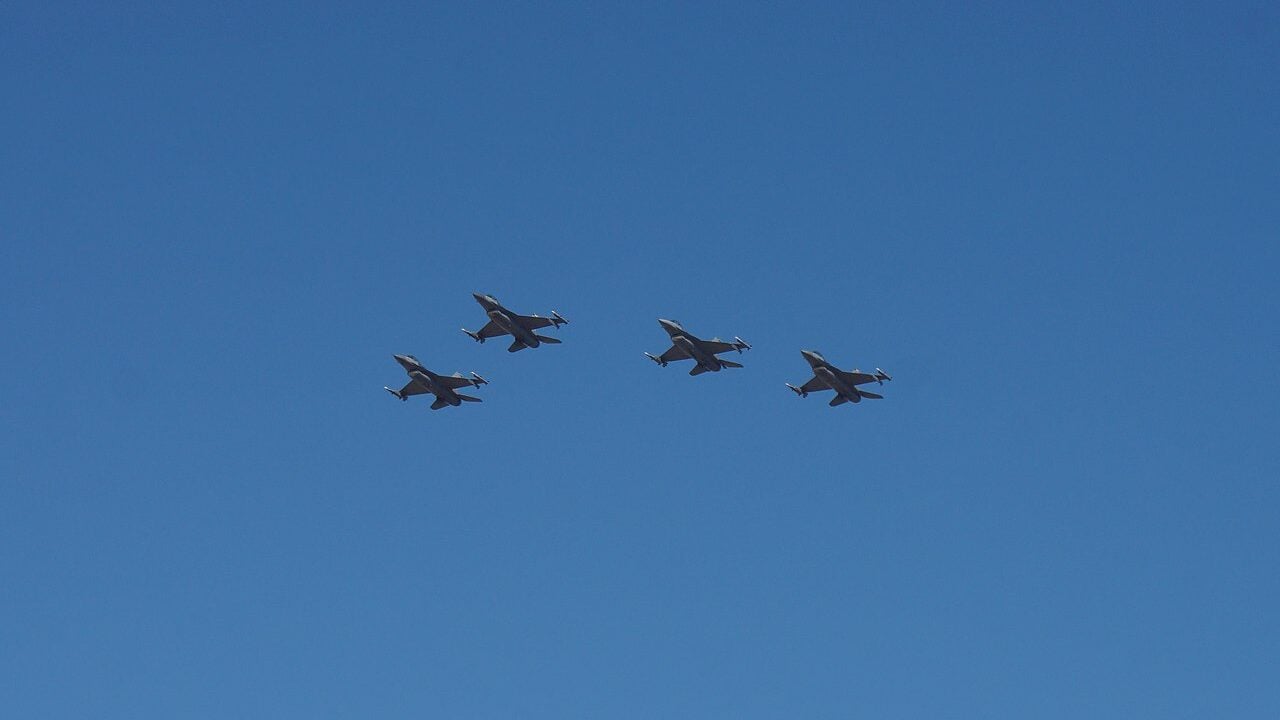
Both aircraft had completed high difficulty tactical maneuvers while wearing night vision goggles, equipment that enhances visibility in low light but narrows the field of view and compresses depth perception. Flying at speed in tight formation under those conditions requires extraordinary precision.
Mid-Air Collision During Final Maneuver
After wrapping up the main tactical segment, the pilots moved into the final training procedure known as a battle damage inspection.
In this maneuver, the two jets fly in close proximity so each pilot can visually examine the other aircraft for potential structural issues or external damage. It is a standard safety measure, yet one that inherently involves reduced separation and careful coordination.
During this inspection phase, the formation executed a turn intended to keep the aircraft within the designated mission area. It was in that moment of banking flight, under limited visual cues, that the accident occurred.

Investigators determined that the lead aircraft’s left external fuel tank struck the right wing of the second jet. What the Air Force described as a contact accident instantly disrupted the stability of the trailing fighter.
The impact compromised the control systems of the No. 2 aircraft. As the systems malfunctioned, the jet began to lose altitude in a steady and uncontrolled descent.
With insufficient time and diminishing options, the pilot made the critical decision to eject before the aircraft could impact the ground. The ejection system functioned as intended, preserving the pilot’s life even as the jet was lost.
The accident investigation team later concluded that the lead pilot, who was wearing night vision goggles at the time, had misjudged the distance to the second aircraft.
Night vision equipment significantly restricts peripheral awareness and can distort depth cues, especially during dynamic maneuvers. In the words of a military official, while the collision can be classified as pilot error, it reflects the broader reality of human fallibility in high stress environments.
A History of Aerial Accidents
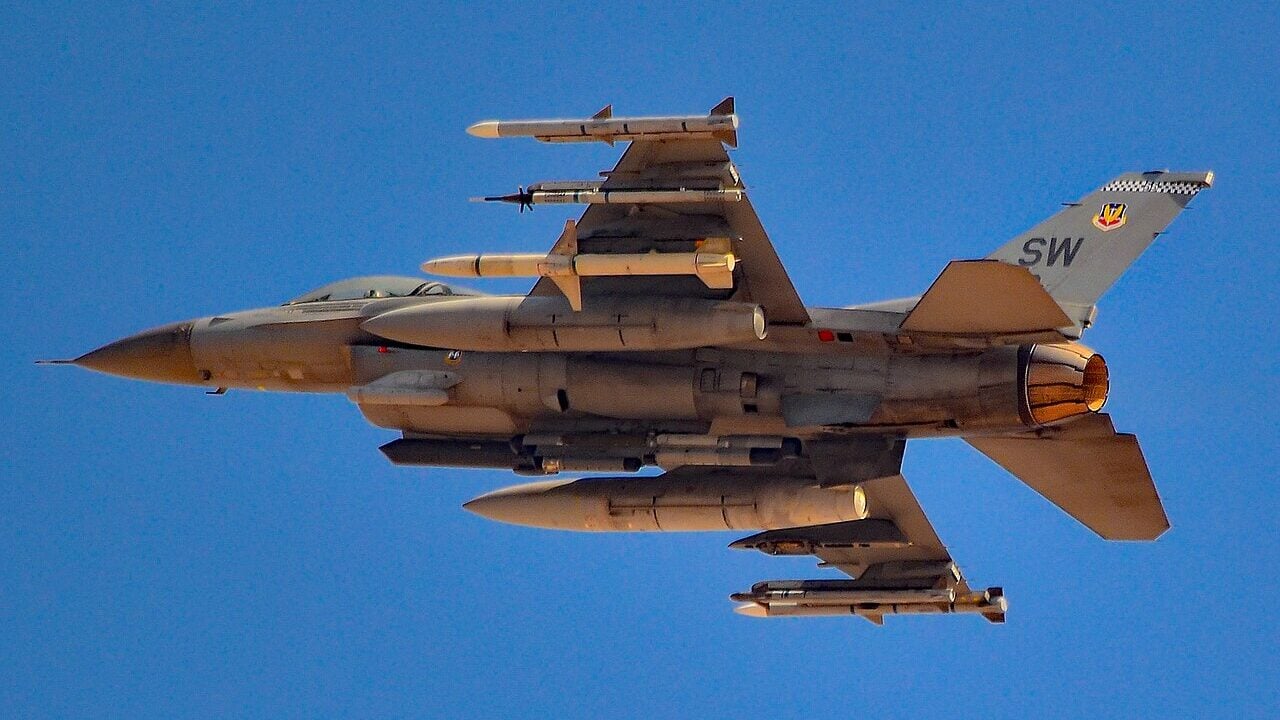
This is not the first time South Korea’s Air Force has faced the harsh consequences of mid-air collisions. In 2022, two KT-1 training aircraft collided over Sacheon, resulting in the deaths of four personnel. That tragedy underscored the risks inherent in formation flying and complex aerial drills.
More recently, a series of other incidents has placed additional scrutiny on operational discipline and safety oversight. In March last year, two KF-16 fighters mistakenly entered incorrect target coordinates during a live fire exercise, releasing eight bombs near civilian residences in Pocheon and injuring 66 people.
The following month, a KA-1 aircraft unintentionally dropped machine guns and external fuel tanks mid-flight due to pilot error. In June, another KF-16 pilot training in Alaska confused a taxiway for a runway, triggering an emergency ejection during takeoff.
Operations Resumes
In the wake of the Yeongju crash, the Air Force issued a formal apology, expressing deep regret for the concern caused by the accident. Officials emphasized that the investigation found no mechanical defects with the F-16C platform itself.
With the root cause attributed to human miscalculation rather than structural failure, the service has announced the resumption of F-16C flight operations.
For an aircraft as battle proven as the F-16C, the crash reinforces the fact that even the most capable machines depend on precise human judgment.
In the thin margins of night operations, where vision is filtered through green tinted lenses and distances blur under artificial illumination, a fraction of a second can separate routine training from serious catastrophe.
Sources: The Chosun Daily