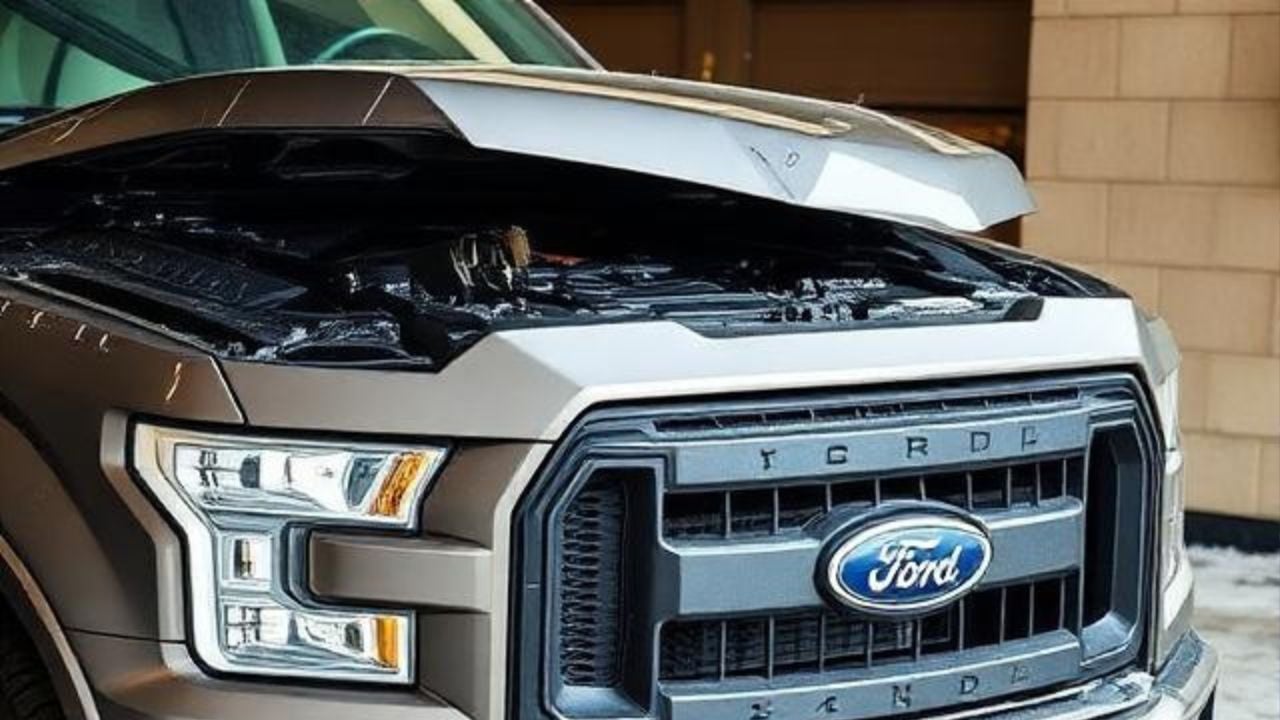

The insurance claim used to be a fairly predictable piece of paperwork. A dent here, a scratched bumper there, maybe a blurry photo taken in bad lighting for good measure. Now, thanks to artificial intelligence, that same process is getting a surreal upgrade.
According to a recent report by BBC News, insurers are dealing with a new breed of deception that looks polished, convincing, and in some cases, entirely fictional.
The story leans heavily on insights from Admiral, the Cardiff-based insurer that has seen a sharp spike in suspicious activity. Fraud rose by 71 percent in 2025 compared to the previous year. Far from a marginal bump, that figure represents a surge, and artificial intelligence is playing a starring role.
Faking It to Make It
The methods are as inventive as they are brazen.
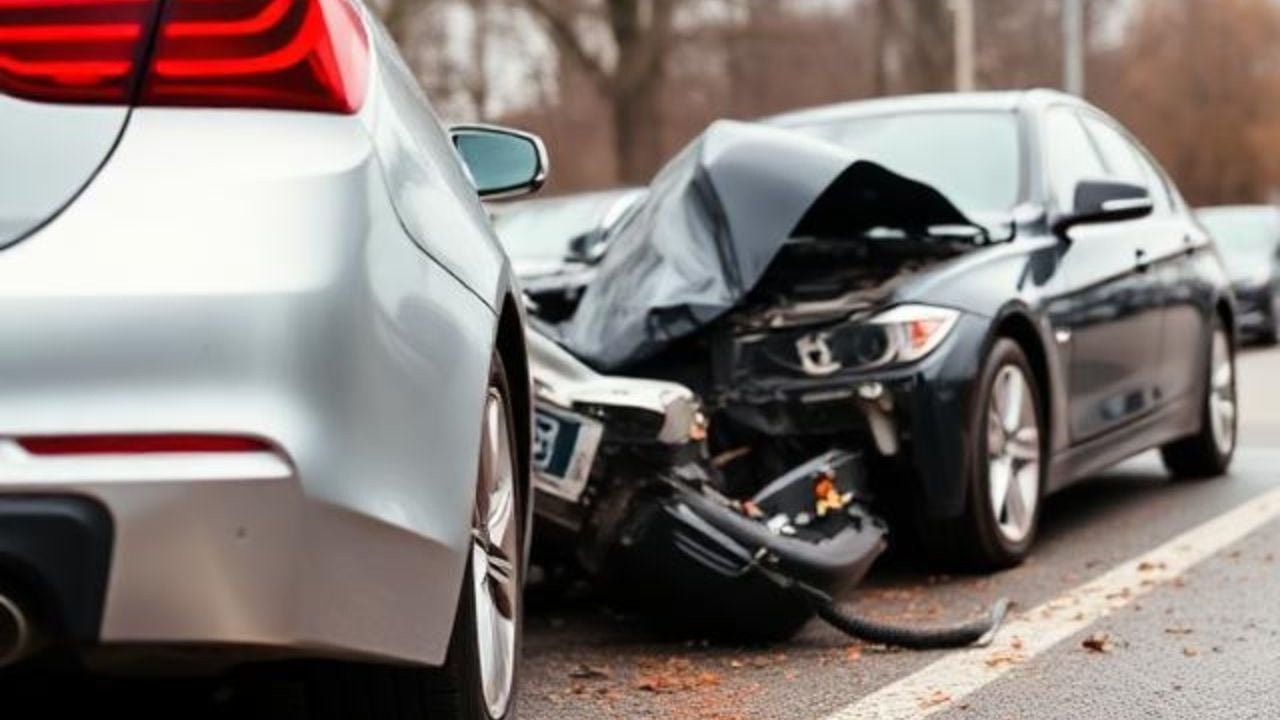
In one case, an image of a damaged Land Rover was submitted with a number plate that had been digitally altered. The same image, with a different plate, appeared in a duplicate claim. It is the kind of trick that might have slipped through the cracks a few years ago. Today, it sets off alarms.
Then there are the fully fabricated items.
One claim featured a gold and diamond watch that never existed outside of an AI prompt. It looked the part at first glance, polished metal, convincing reflections, even the subtle cues of luxury photography. Under scrutiny, though, it fell apart.
These are not masterworks of deception. Many are crude attempts that rely on volume rather than perfection.
Cars are proving to be an especially fertile playground for this kind of manipulation. Images of minor rear-end bumps are being enhanced to look like serious structural damage.
Panels appear more crumpled than they really are. Lights look shattered beyond repair. The goal, of course, is to inflate the insurance payout.
AI Arms Race
The broader industry is not sitting idle.

The Insurance Fraud Bureau has flagged AI-generated claims as a growing concern, with both opportunistic individuals and organized groups involved. The difference between those two camps is scale.
One person might tweak a photo or two to squeeze out a larger settlement. A coordinated group can fabricate entire sets of documents, making the fraud more efficient and harder to trace.
There is an interesting arms race unfolding here.
The same technology that enables these scams is also being deployed to stop them. Insurers now use increasingly sophisticated detection tools that can identify whether an image has been manipulated or entirely generated.
These systems look for inconsistencies that the human eye might miss. Lighting that does not quite match. Reflections that behave oddly. Textures that feel just a bit too perfect.
This development matters more than it might seem at first glance. Insurance fraud does not exist in a vacuum. Every inflated claim feeds into higher premiums across the board. The cost of a digitally enhanced dent does not stay with the person who submitted it. It spreads, quietly, across the entire customer base.
Seeing is No Longer Believing

There is also a legal edge that should not be ignored. Submitting a manipulated image is not a harmless shortcut. Claims can be rejected outright. Policies can be cancelled. In more serious cases, it can lead to criminal prosecution. Insurers are making it clear that the risks outweigh any potential reward.
What stands out in this evolving story is not just the creativity of the fraudsters, but the accessibility of the tools they are using.
You no longer need specialist skills to generate a convincing fake. A few prompts and a basic understanding of image editing can go a long way. That lowers the barrier to entry in a way that the industry has never had to deal with before.
Still, there is a cautious optimism in how insurers are responding. Collaboration across companies is improving. Knowledge is being shared. Detection systems are getting sharper. Artificial intelligence is not just the problem here. It is also a key part of the solution.
So, if a damaged car photo looks a little too dramatic, or a luxury item seems suspiciously perfect, there is a decent chance it was never real to begin with. In this new landscape, seeing is no longer believing.
Sources: BBC