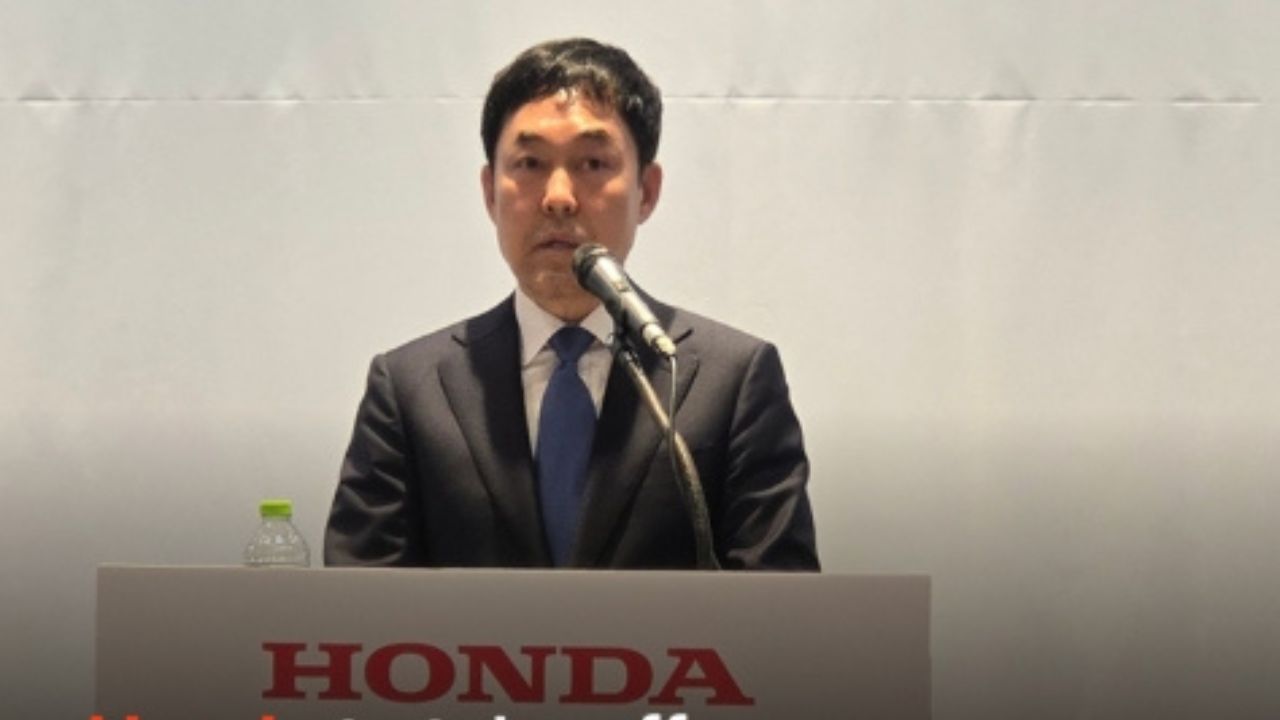

Lee Ji-hong, President and CEO of Honda Korea, confirms Honda Motor will exit South Korea’s car market after 23 years, ending vehicle sales by late 2026 while pivoting to motorcycles and aftersales support.
Honda’s decision to pull out of South Korea’s passenger car segment closes a chapter that never quite reached the scale the company once envisioned. The Japanese automaker, operating locally through Honda Korea, revealed at a Seoul press conference that it will wind down car sales operations by the end of 2026.
Ji-hong made the announcement on April 23, 2026, confirming that Honda will end car sales in South Korea by late 2026, citing weak sales, exchange rate pressures, and limited product lineup.
View this post on Instagram
Under his leadership, Honda Korea will pivot to motorcycles and aftersales support, continuing warranty and parts supply for at least eight years after car sales end.
The move reflects a mix of shifting market dynamics, currency pressures, and intensifying competition in one of Asia’s most brand-sensitive automotive arenas.
A Market Dominated by Local Rivals
Honda’s Korea exit lands as another example of how even globally dominant automakers can struggle in highly localized markets.
South Korea is dominated by homegrown giants like Hyundai Motor Company and Kia Corporation, both of which enjoy strong domestic loyalty, extensive dealer networks, and aggressive pricing strategies.
Imported brands like Honda often find themselves squeezed between premium positioning and cost disadvantages driven by exchange rates and tariffs.

Honda entered Korea in 2001 through its motorcycle business, building a strong foothold that still stands today.
Its automotive division followed in 2003, bringing globally recognized models like the Accord and CR-V into a market that was just beginning to warm up to foreign brands.
Poor Market Outing in Decades
Over the years, Honda Korea sold a cumulative 108,600 vehicles. That figure, while respectable, pales in comparison to the millions sold annually by domestic leaders.
Currency fluctuations played a key role in Honda’s decision.
A weaker Korean won against the Japanese yen has made pricing less competitive, especially as Korean consumers have become increasingly value-conscious while also demanding high levels of technology and localization.
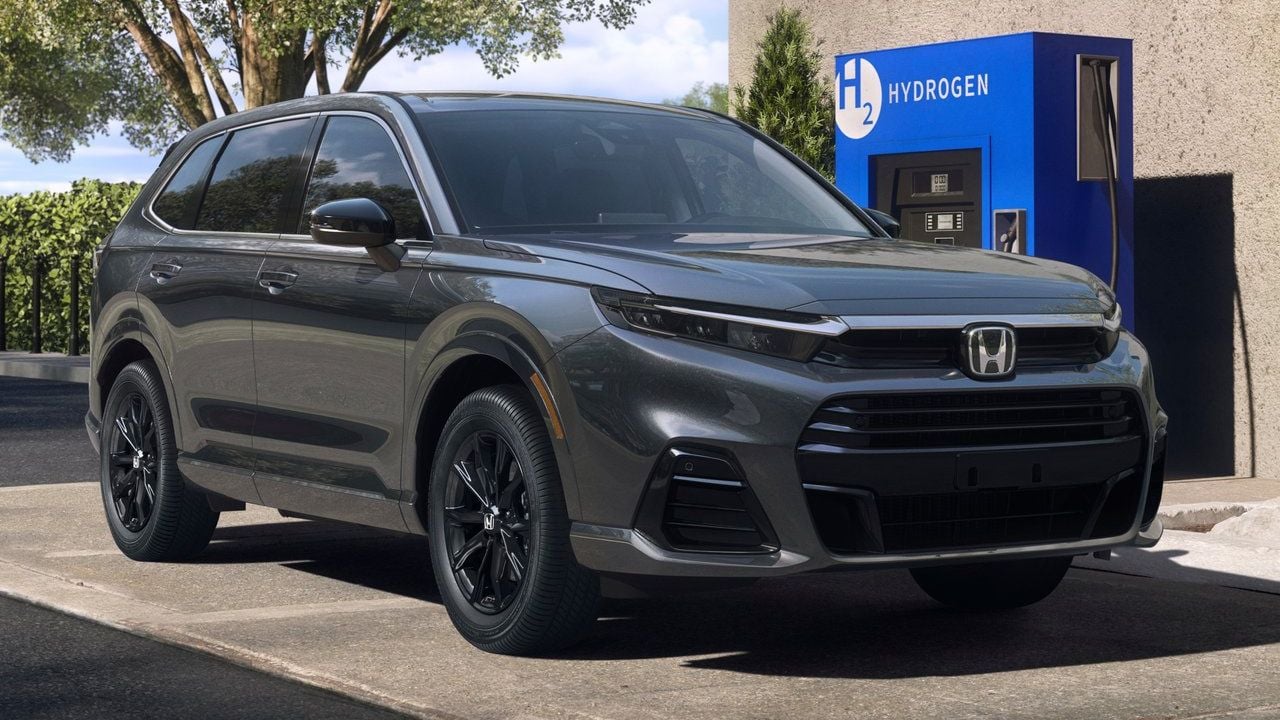
Meanwhile, the rapid shift toward electrification added another layer of complexity. Korean automakers have moved aggressively into EVs, leveraging government support and strong battery supply chains, while Honda has taken a more measured global approach to full electrification.
There is also a brand perception factor that cannot be ignored.
Japanese automakers have faced periodic consumer backlash in South Korea tied to historical and political tensions. While those waves have ebbed and flowed, they have at times impacted sales momentum for brands like Honda and Toyota Motor Corporation.
Staying for Aftersales and Motorcycles
Despite quitting the car business, Honda is not leaving the country entirely. The company plans to maintain full aftersales support for existing vehicle owners, a critical move to preserve brand trust and residual values. Ji-hong emphasized that while car sales will end, Honda will “faithfully respond to consumers” with continued service support.
More interestingly, Honda Korea is doubling down on its motorcycle business, where it already holds the top market share.
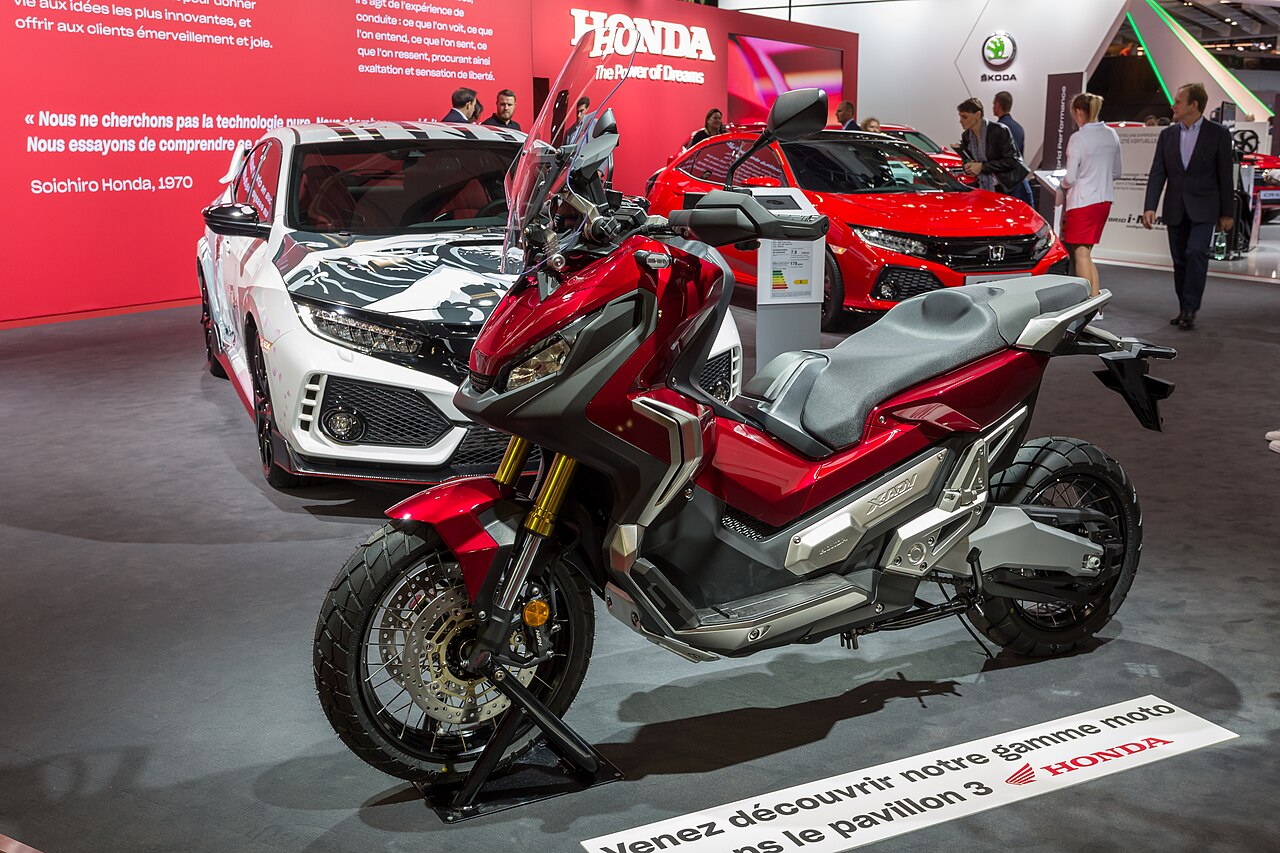
With over 420,000 units sold cumulatively, motorcycles represent a stable and profitable segment that aligns well with urban mobility trends in dense cities like Seoul.
Honda also highlighted its investment in digital retail innovation, noting that it was the first imported car brand in Korea to launch an online vehicle sales platform in April 2023.
That initiative showed Honda was willing to experiment, though it ultimately was not enough to overcome broader structural challenges.
Lessons for Global Auto
For the global auto industry, Honda’s exit from Korea after just two decades underscores how success in one region does not guarantee traction in another, especially when local players are deeply entrenched and consumer expectations evolve faster than a brand’s strategy.
It also raises questions about how automakers allocate resources in an era defined by electrification, software, and regional fragmentation.
There is a subtle but important takeaway for America. Apparently, even a company as established as Honda must constantly reassess where it competes and how. Markets are no longer just about selling cars but about ecosystems, policy alignment, and cultural fit. In South Korea, that equation no longer worked for Honda’s car business.
Sources: Korea Times, Korea JoongAng Daily