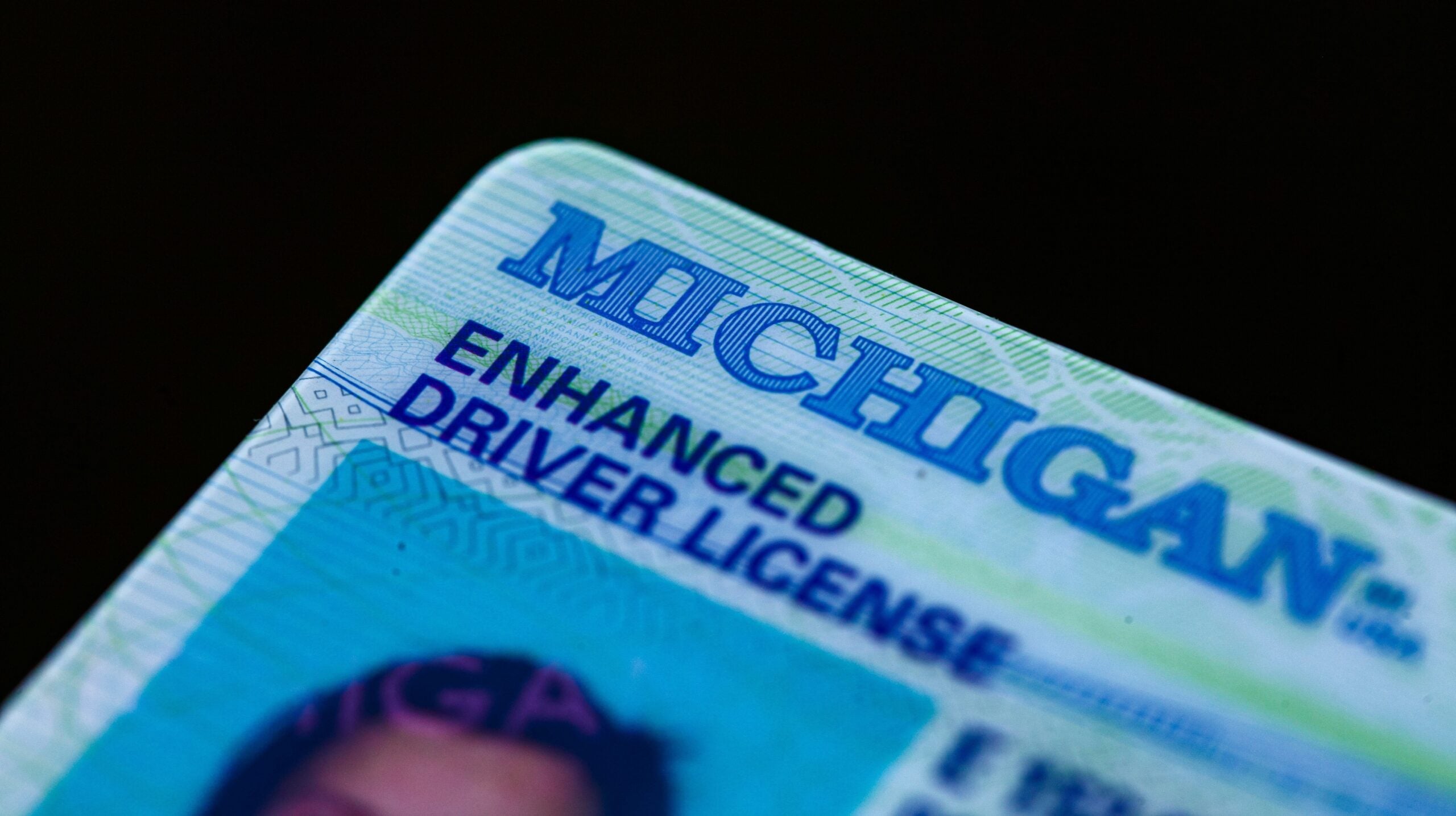
A new bill in Michigan is forcing a conversation that a lot of people would rather avoid. It would require drivers 75 and older to pass a vision exam, a written test, and a behind-the-wheel driving test to renew their license.
That happens every four years, and once a driver turns 85, it becomes an annual requirement, according to WKAR. On paper, it sounds straightforward, yet it’s already setting off the same debate we see every time something goes wrong on the road.
Because this isn’t happening in a vacuum. It comes on the heels of a devastating case in San Francisco, where an 80-year-old driver killed a family of four and received probation, a decision that sparked national outrage. Then just this week, another driver jumped a curb in Chinatown and killed a pedestrian.
Those are the moments that force the question: who should be behind the wheel, and how do we make sure they’re capable of being there?
The Bill Is About Testing, Not Guessing
The proposal, introduced by State Sen. Rosemary Bayer, would make Michigan one of the strictest states in the country for monitoring older drivers, according to WKAR. Right now, Michigan treats all drivers the same when it comes to license renewal, but this bill would change that by tying renewal directly to demonstrated ability rather than just paperwork. Lawmakers didn’t land here by accident either—they pointed to prior fatal crashes involving elderly drivers, including a case where a 94-year-old driver struck and killed a woman, according to WKAR.
The data explains why this is even on the table. Drivers 65 and older accounted for nearly 19% of fatal crashes in Michigan in 2024, and that number has been climbing, with fatal crash involvement for this age group rising more than 70% since 2015, per WKAR. At the same time, Michigan now has more than 1.8 million licensed drivers over 65. This isn’t a fringe issue anymore; it’s growing.
The Debate Always Goes the Same Way
Every time legislation like this comes up, the reaction follows a predictable pattern. There’s a tragedy, everyone agrees something has to change, and then the moment a real proposal shows up, the finger-pointing starts—not at the problem, but at someone else. As one senior put it when asked about the bill, “It is not the older people that generate a lot of these accidents, it’s the younger drivers,” according to ClickOnDetroit.
That argument shows up every time, and it misses the point. No one is saying every older driver is unsafe. Plenty of them are careful, experienced, and more attentive than people glued to their phones behind the wheel. That is exactly why testing exists. If you’re healthy, alert, and capable, proving it shouldn’t be a burden—it should be routine.
Instead, the conversation gets redirected. People point to texting drivers, drunk drivers, drug use, and anything that shifts the focus. Those are real problems, and they should be dealt with as well. Pointing at someone else does not make an unsafe driver safe. More than one problem can exist at the same time, and all of them need to be addressed.
What People Are Actually Saying About It
The reaction to this bill has been revealing. Some people support the bill outright, calling it overdue and necessary to prevent avoidable crashes. Others point to personal experience, describing how difficult it is to take the keys away from an aging parent, even when it’s clearly the right decision. In many cases, families wait until after something happens instead of acting before it does.
Then comes the next argument. For many older Americans, driving isn’t optional; it’s how they get to medical appointments, buy groceries, and stay connected to their communities. This is where that argument starts to fall apart. Clinics have shuttles, most cities and suburbs have public transportation, and rideshare services like Uber and Lyft are cheap and ubiquitous in much of the country.
Are there rural gaps? Yes. Not every situation is perfect. That does not change the core issue, nor does it outweigh public safety. If someone is so limited that they can’t navigate basic transportation options, they shouldn’t be commanding a vehicle on public roads.
Then there’s the broader argument that this should apply to everyone, not just seniors. That’s a fair conversation to have. It does not invalidate this one. Other problems on the road do not make this one go away.
Accountability Can’t Be Selective
Here’s the reality. We can crack down on distracted driving, enforce DUI laws, and go after reckless behavior across the board. We can also acknowledge that aging brings real, measurable changes in vision, reaction time, and cognitive ability, as outlined in Michigan crash data cited by WKAR.
Ignoring that doesn’t protect anyone.
The goal isn’t to single people out; it’s to make sure everyone on the road can handle what they’re doing. A car isn’t a minor responsibility, and in the wrong hands, it becomes something much more dangerous.
If someone can’t safely operate it, they shouldn’t be driving. It’s that simple.