Open-top sports cars are rare enough now that even a short drive can feel deliberate. Most new-car energy has moved toward SUVs, electric crossovers, and high-output coupes, but a low roofline and a folded top still create a kind of theater those body styles cannot copy.
The appeal starts before the engine fires. Proportion matters: the hood length, cockpit position, shoulder line, fender shape, roof mechanism, and the way the car sits when the cabin is open to the sky. A great open-top sports car has to look complete with the roof down, not like a coupe that lost a piece of itself.
Performance still counts, but numbers alone do not define this group. The best cars here use speed, sound, balance, luxury, or design to make a normal road feel more memorable. Some are compact and playful, others are expensive and dramatic, but each one understands the same basic idea: an open cabin changes the drive.
This list focuses on roadsters and open-top sports cars with a credible 2026 U.S. market presence. The picks are not ranked by 0-to-60 mph times. They were chosen for design, character, market relevance, and the ability to turn an ordinary drive into something that feels worth remembering.
How These Open-Top Sports Cars Were Chosen
Each model needed current U.S. relevance, either through an official model page, a confirmed 2026 listing, or clear market availability for American buyers. The group includes traditional roadsters, convertibles, and open-top supercars because the title is about open-air sports cars rather than one narrow body-style definition.
Design carried real weight. A car had to look natural as an open-top model, with proportions, roof execution, cabin placement, and visual identity that made the roof-down version feel intentional. A fast car with an awkward convertible conversion did not fit the brief.
Performance helped separate the strongest choices, but this is not a stopwatch list. The goal was to find cars that combine speed with personality, visual presence, and a clear reason to exist in open-top form. A beautiful sports car should have a shape that draws you in before the drive starts, then enough character to make the road feel different once you are moving.
2026 Mazda MX-5 Miata
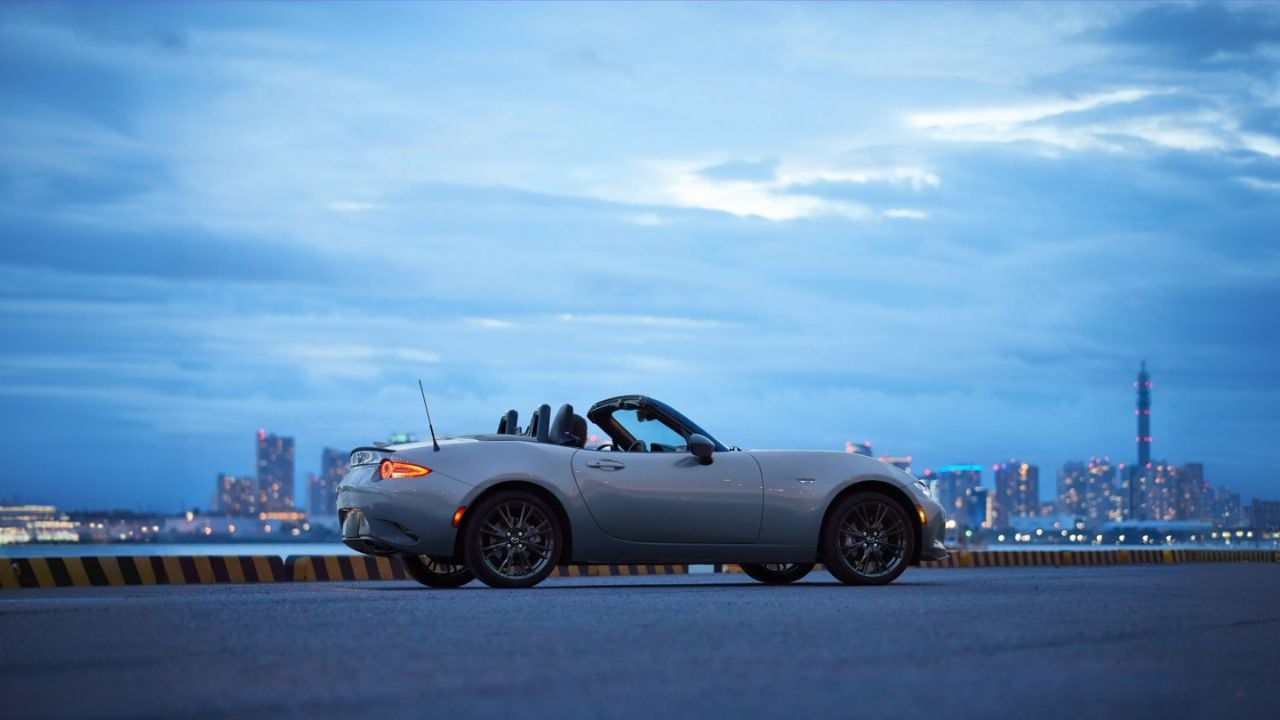
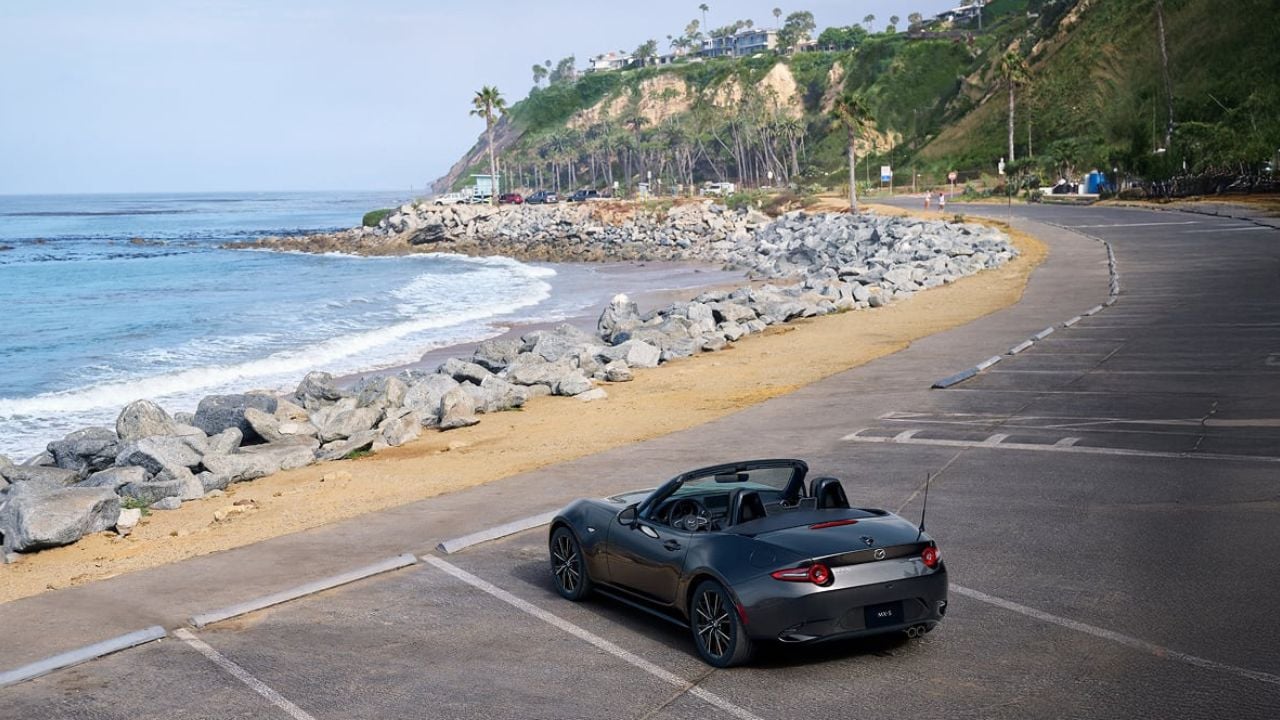
The Mazda MX-5 Miata keeps the classic roadster idea alive without turning it into nostalgia. Its short overhangs, compact cabin, low beltline, and simple soft-top profile give it the kind of balance many larger sports cars lose as they chase power and presence.
For 2026, the MX-5 continues with a Skyactiv-G 2.0-liter four-cylinder engine producing 181 hp and 151 lb-ft of torque. A 6-speed manual transmission remains central to the car’s appeal, and the rear-wheel-drive layout keeps the experience clean and familiar.
The Miata’s charm comes from how little it needs. It does not rely on exotic materials, extreme speed, or a dramatic price tag to feel special. It makes a normal road feel more alive through steering, size, seating position, and the simple pleasure of having the roof folded behind you.
That clarity is why the Miata still feels so important. It is not trying to be a supercar, a luxury car, or a status object. It is a small open-top sports car that understands its mission better than almost anything else on sale.
2026 BMW Z4 M40i
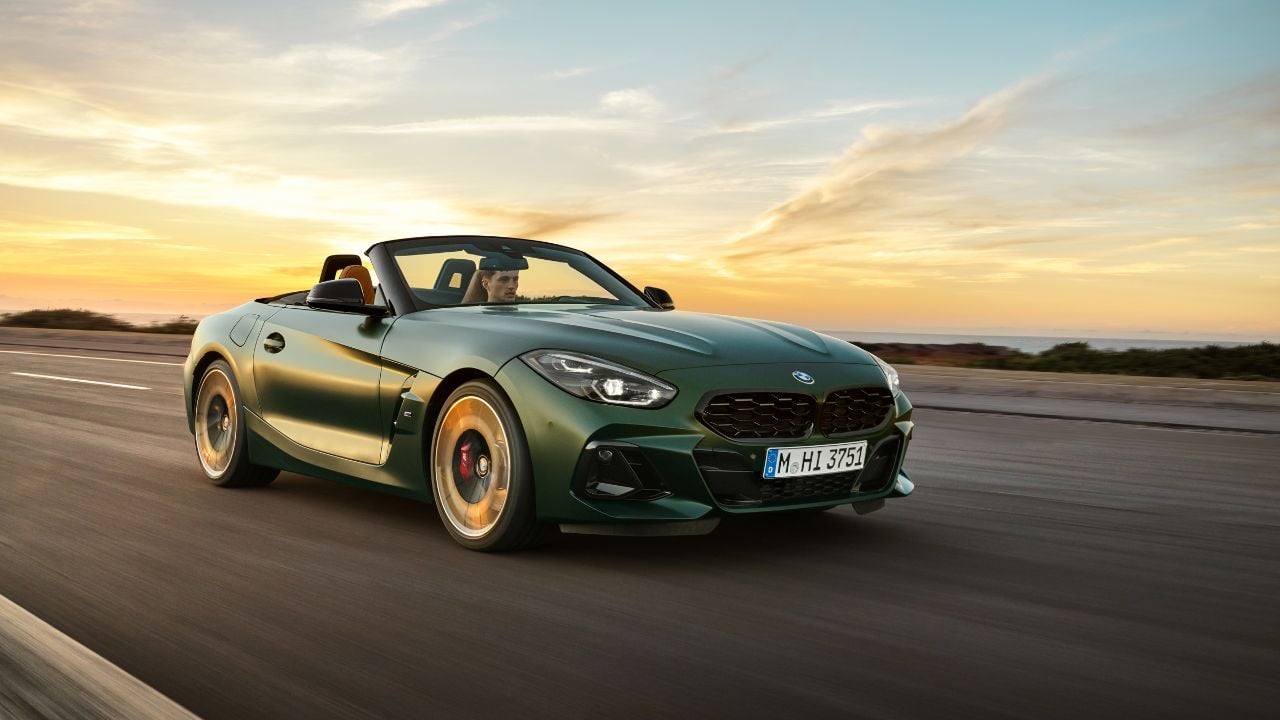
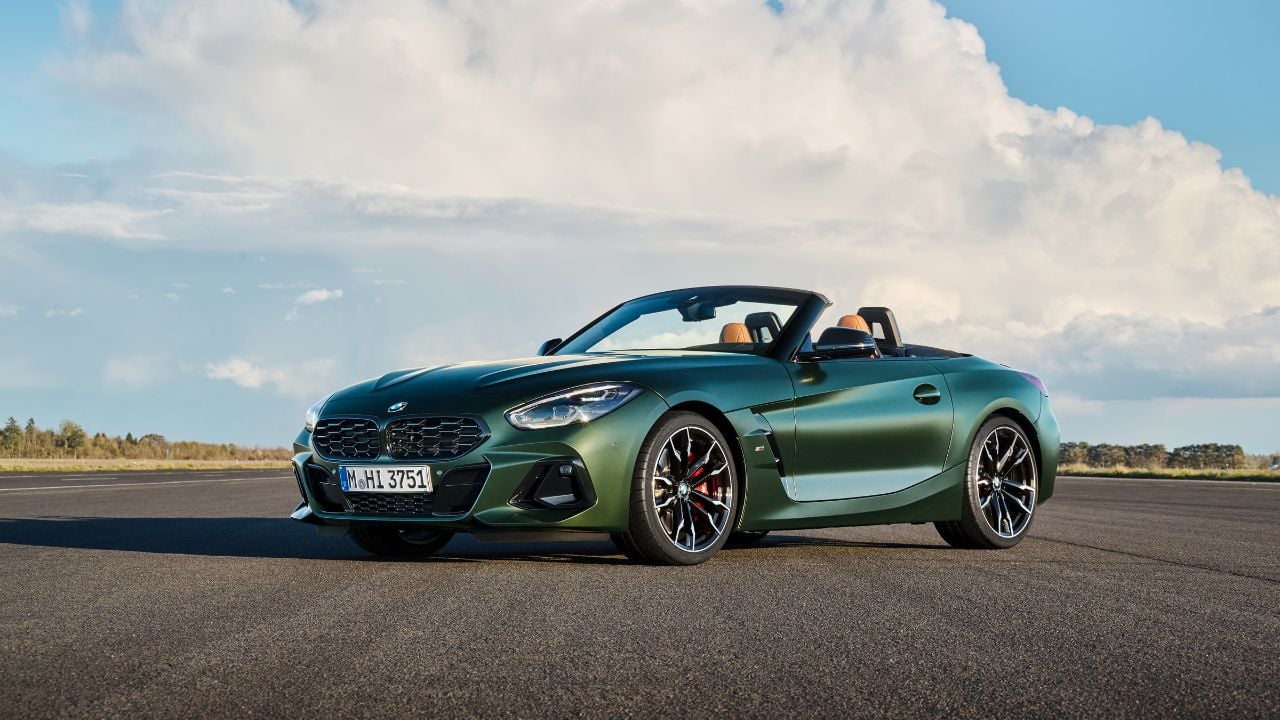
The BMW Z4 M40i gives the modern German roadster a more mature shape than many of its predecessors. The long hood, low seating position, broad rear stance, and clean body sides give it a proper front-engine roadster profile without making the design feel overworked.
BMW lists the 2026 Z4 M40i with a turbocharged 3.0-liter inline-six producing 382 hp and 369 lb-ft of torque. The Handschalter package adds a 6-speed manual transmission, turning the Z4 from a polished automatic roadster into something more personal and driver-led.
That transmission option changes the car’s mood. The Z4 already has the proportions for a relaxed weekend drive, but the manual gives it the kind of interaction many modern luxury sports cars have abandoned. It becomes less about image and more about rhythm.
The Z4 works especially well in this group because it sits between worlds. It is more grown-up than a Miata, less theatrical than a Corvette, and more restrained than an Aston or Ferrari. That middle ground gives it a quiet confidence.
2026 Chevrolet Corvette Stingray Convertible
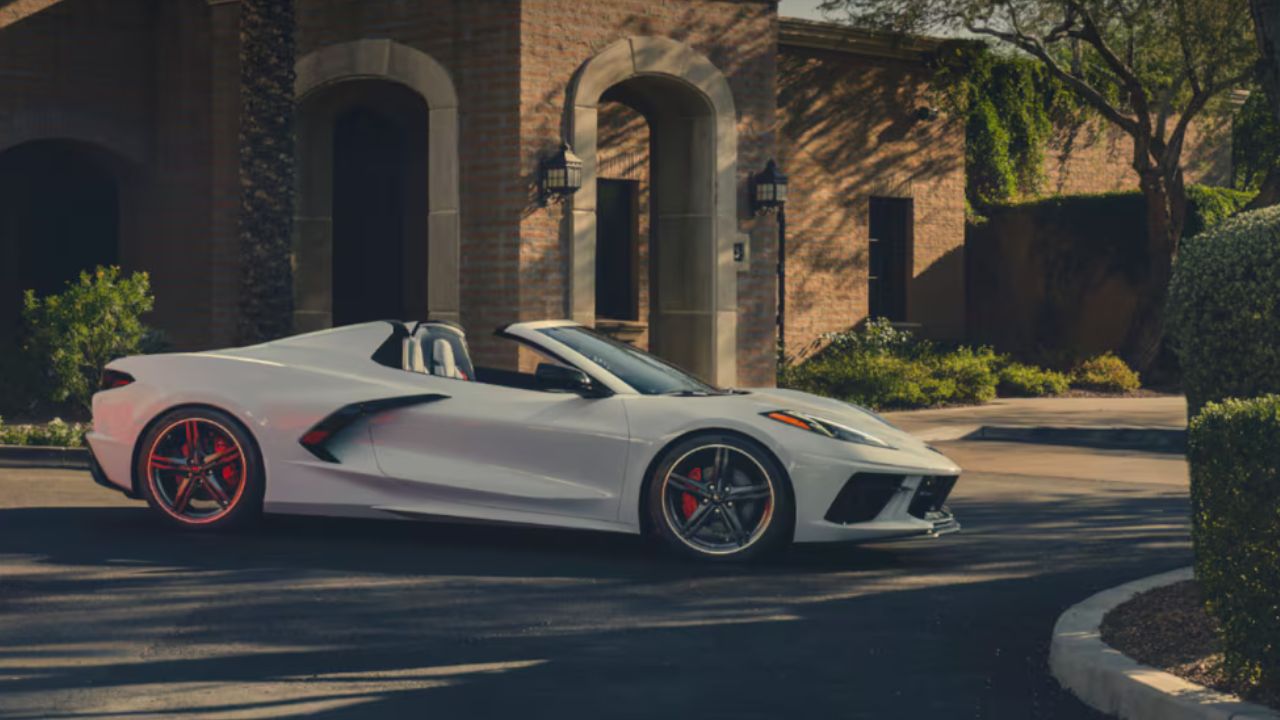
The Chevrolet Corvette Stingray Convertible brings mid-engine drama to a familiar American nameplate. The low nose, wide rear haunches, sharp side intakes, and short open cockpit give it a shape that feels much more exotic than older front-engine Corvettes.
Chevrolet lists the 2026 Corvette Stingray with up to 495 hp, an available 2.9-second 0-to-60 mph time, and a 194 mph top track speed. The convertible uses a power-retractable hardtop that can lower in 16 seconds while the car is moving at up to 30 mph.
The roof mechanism matters because it keeps the Corvette usable. This is not a fragile weekend toy that demands perfect weather and patience. It can switch personalities quickly, going from closed-roof coupe-like comfort to open-top theater without losing the sharpness of the mid-engine layout.
The Stingray Convertible gives this list its American supercar angle. It is bold, technical, wide, and loud in spirit, but still accessible enough to feel connected to Corvette tradition rather than sealed off in exotic-car fantasy.
2026 Mercedes-AMG SL Roadster
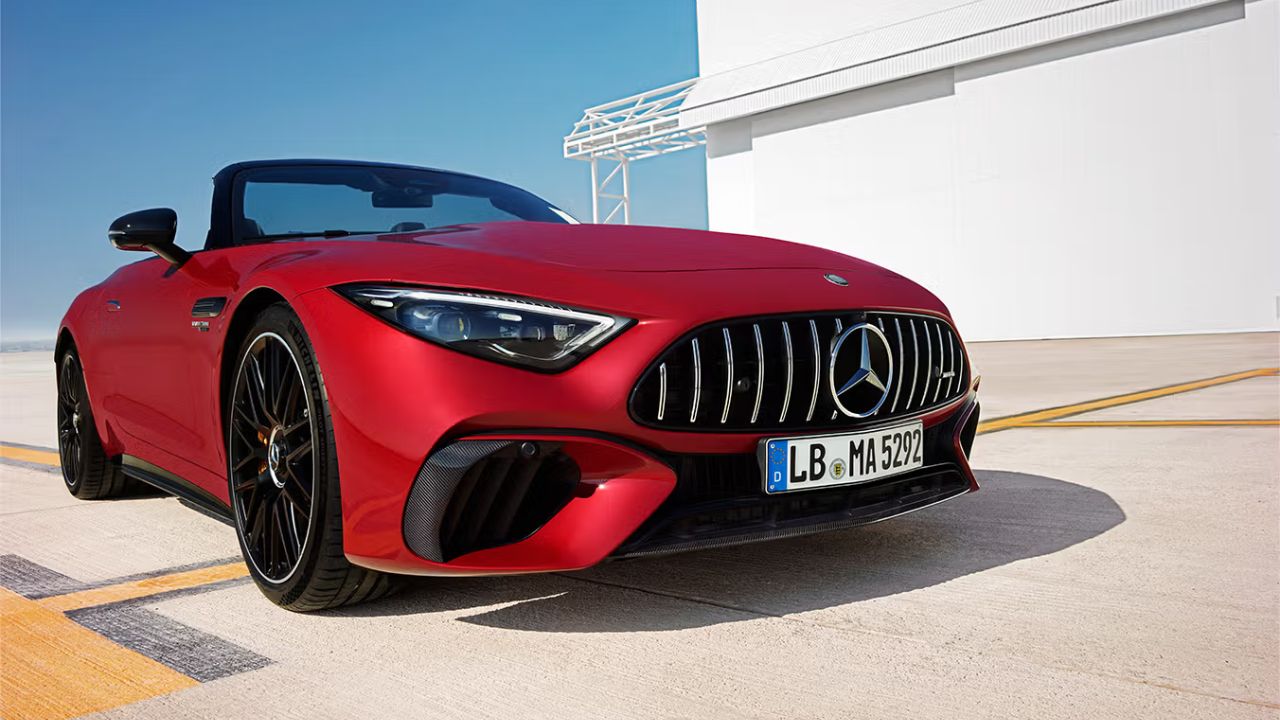
The Mercedes-AMG SL Roadster carries one of the most famous open-top names in luxury motoring. The current version keeps the low body, wide track, fabric roof, and grand-touring posture that have long made the SL feel more glamorous than a typical performance convertible.
Mercedes lists the 2026 AMG SL 63 Roadster with a handcrafted 4.0-liter biturbo V8 producing 577 hp and 590 lb-ft of torque. The factory 0-to-60 mph time is 3.5 seconds, which gives the car serious pace without making raw acceleration its only identity.
The SL’s strongest quality is how completely it understands luxury theater. The cabin is rich, the roof keeps the classic fabric-top look, and the body has enough width and polish to feel expensive from a distance. It is not trying to be minimalist or delicate.
That gives the SL a different kind of open-top appeal. It is the car for a long coastal road, a city arrival, or a weekend escape where comfort and presence matter as much as speed. Few current convertibles balance glamour and power this naturally.
2026 Aston Martin Vantage Roadster
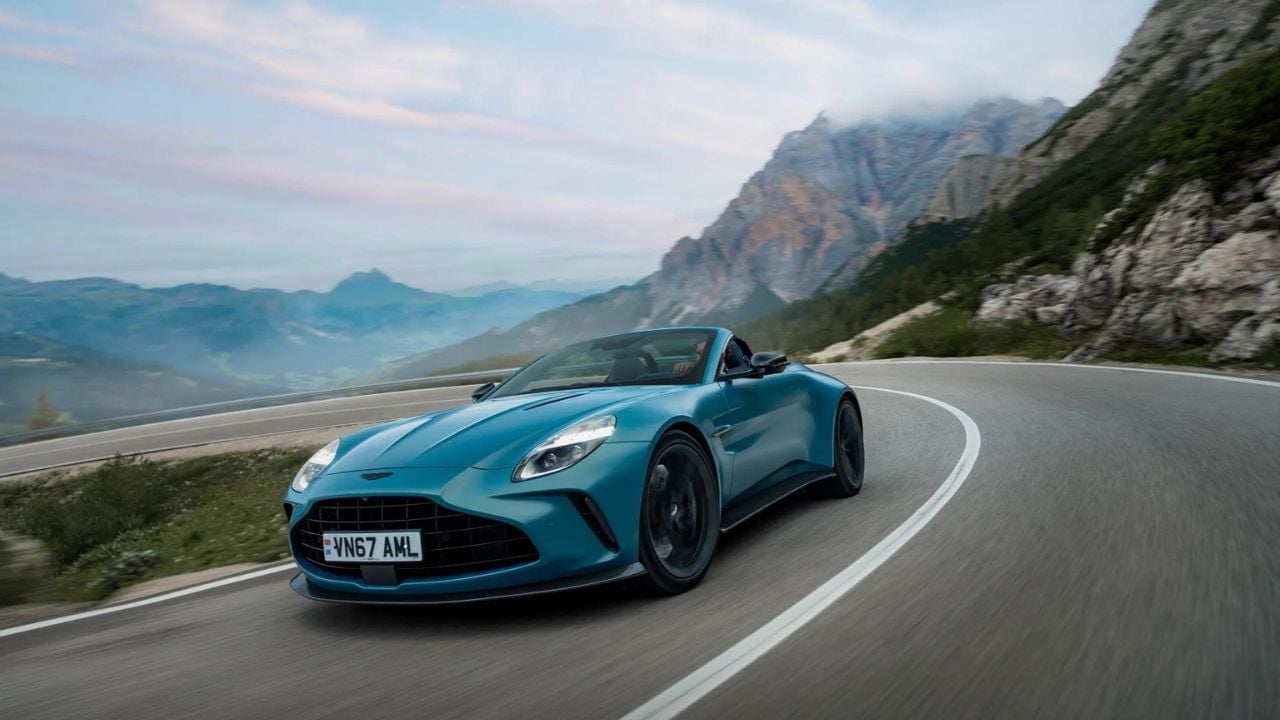
The Aston Martin Vantage Roadster has the proportions people still imagine when they picture a classic front-engine sports car. The hood is long, the cabin sits tight and rearward, the rear deck is short, and the stance looks muscular without needing excessive surface drama.
Aston Martin says the Vantage Roadster uses a 4.0-liter twin-turbo V8 producing 680 PS and 800 Nm, which translates to roughly 671 hp and 590 lb-ft of torque. The roof opens in 6.8 seconds, giving the car one of the quickest fully automatic roof mechanisms in the segment.
The roof-down shape is the key. Some convertibles look heavier or less resolved than their coupe siblings, but the Vantage Roadster keeps the visual tension intact. It looks low, athletic, and naturally suited to open-air driving.
This is one of the most convincing design statements in the group. The Vantage Roadster has speed, but the shape does much of the emotional work before the engine even enters the conversation.
2026 Ferrari Roma Spider
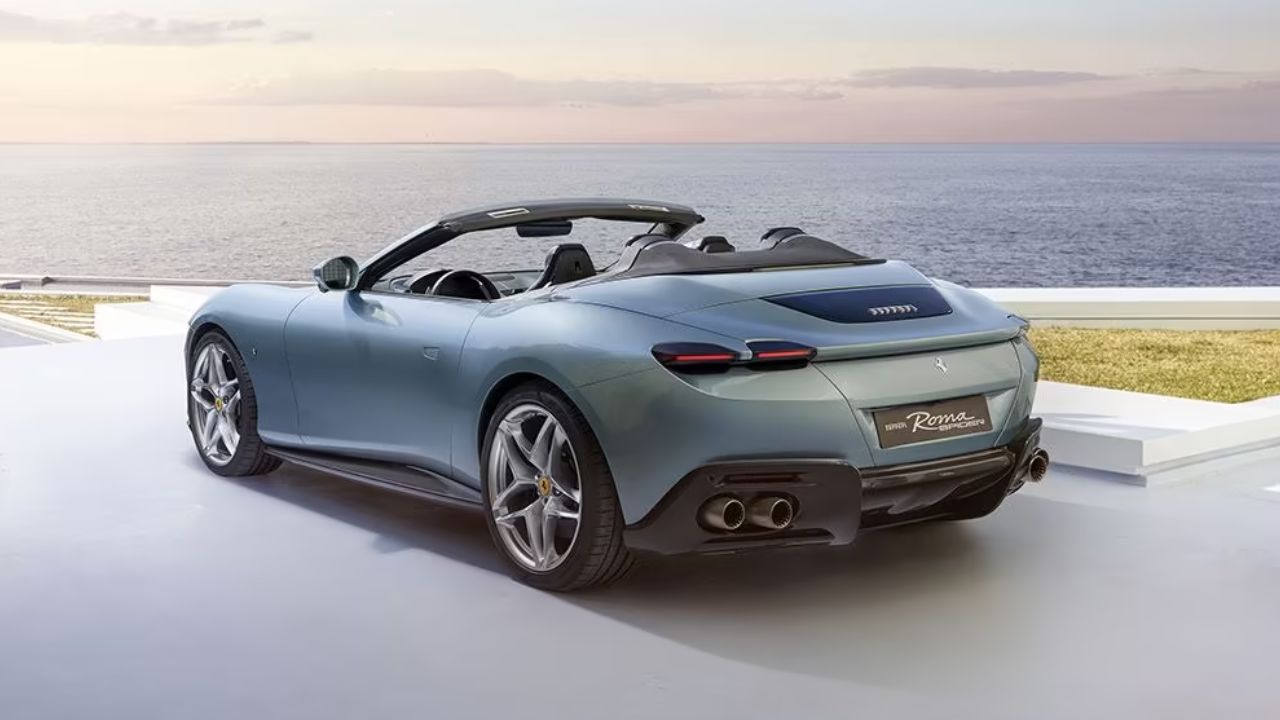
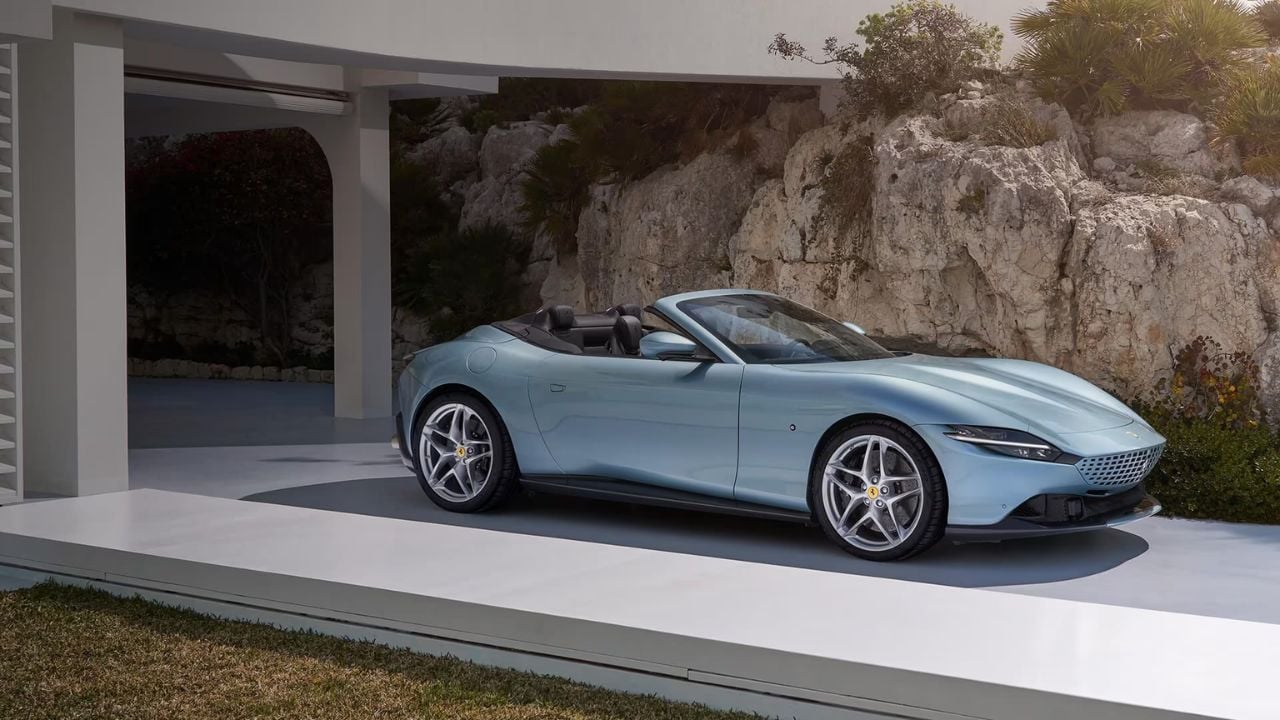
The Ferrari Roma Spider takes the opposite approach from the loudest modern supercars. Its appeal comes from smooth surfaces, a clean nose, a graceful rear treatment, and a soft top that fits the car’s grand-touring character rather than fighting it.
Ferrari describes the Roma Spider as a blend of performance and timeless elegance, with a soft top and twin-turbo V8. Car and Driver lists the 2026 Roma Spider with a 3.9-liter twin-turbo V8 producing 612 hp and 561 lb-ft of torque, paired with an 8-speed dual-clutch automatic transmission.
The Roma Spider’s restraint is its advantage. It does not need giant wings, harsh openings, or exaggerated aggression to feel special. The car looks expensive in a quieter way, with a roof-down profile that suits evening drives, long weekends, and coastal roads better than track-day theater.
That makes it one of the most elegant open-top sports cars still available to U.S. buyers. It has Ferrari speed, but its strongest impression is style carried with confidence.
2026 Maserati MCPura Cielo
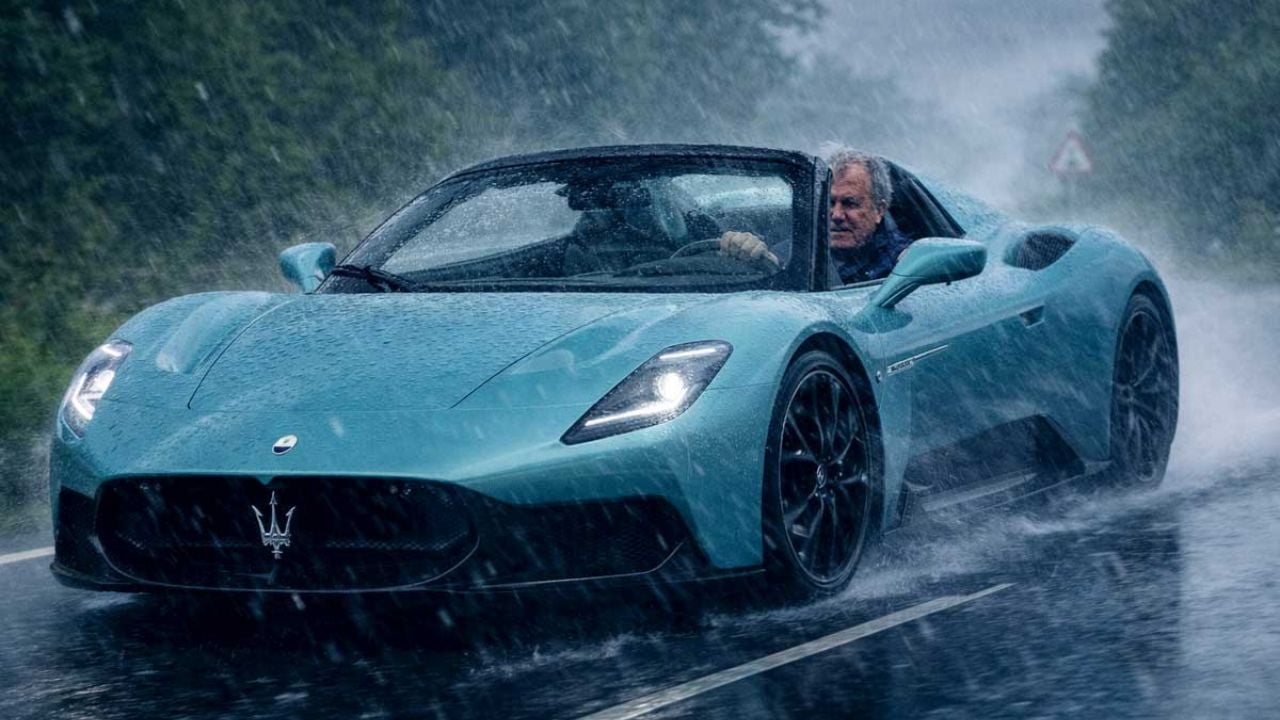
The Maserati MCPura Cielo brings a more sculptural, mid-engine personality to the open-top field. The low body, butterfly doors, compact cabin, and retractable glass roof give it a visual identity that feels closer to a design object than a conventional convertible.
Maserati describes the MCPura Cielo as a super sports car with an ultra-light build, sculpted aerodynamics, and a 630 CV Nettuno twin-turbo V6 engine. Car and Driver notes that the 2026 MCPura is offered in both coupe and Cielo convertible form, using the same 621-hp twin-turbo V6 from the previous MC20.
The glass roof gives the Cielo a different character from a fabric-roof roadster. It can feel enclosed, open, transparent, or dramatic depending on how the driver uses it. That flexibility suits Maserati’s more romantic side.
In this group, the MCPura Cielo is the dramatic Italian counterpoint to the Roma Spider’s restraint. It is sharper, rarer, and more theatrical, with enough visual detail to make the open-top version feel like the one people will stop to stare at.
Why Open-Top Sports Cars Still Matter
Open-top sports cars survive by offering something ordinary vehicles cannot package. They change the feel of speed, sound, weather, and distance. A short drive becomes more physical when the roof disappears and the car around you is shaped for the road rather than the school run.
The Miata keeps the small roadster honest. The Z4 adds a polished manual German option. The Corvette gives American performance a mid-engine convertible shape. The AMG SL turns open-air driving into luxury theater.
The Vantage Roadster brings classic front-engine beauty, the Roma Spider adds Ferrari elegance, and the MCPura Cielo turns the open roof into part of an Italian supercar experience. None of them approaches the idea in exactly the same way.
That variety is why the segment still feels alive. There may be fewer open-top sports cars than there used to be, but the best ones now feel more deliberate. They are bought for emotion, proportion, sound, and the simple pleasure of making the road feel bigger than the destination.