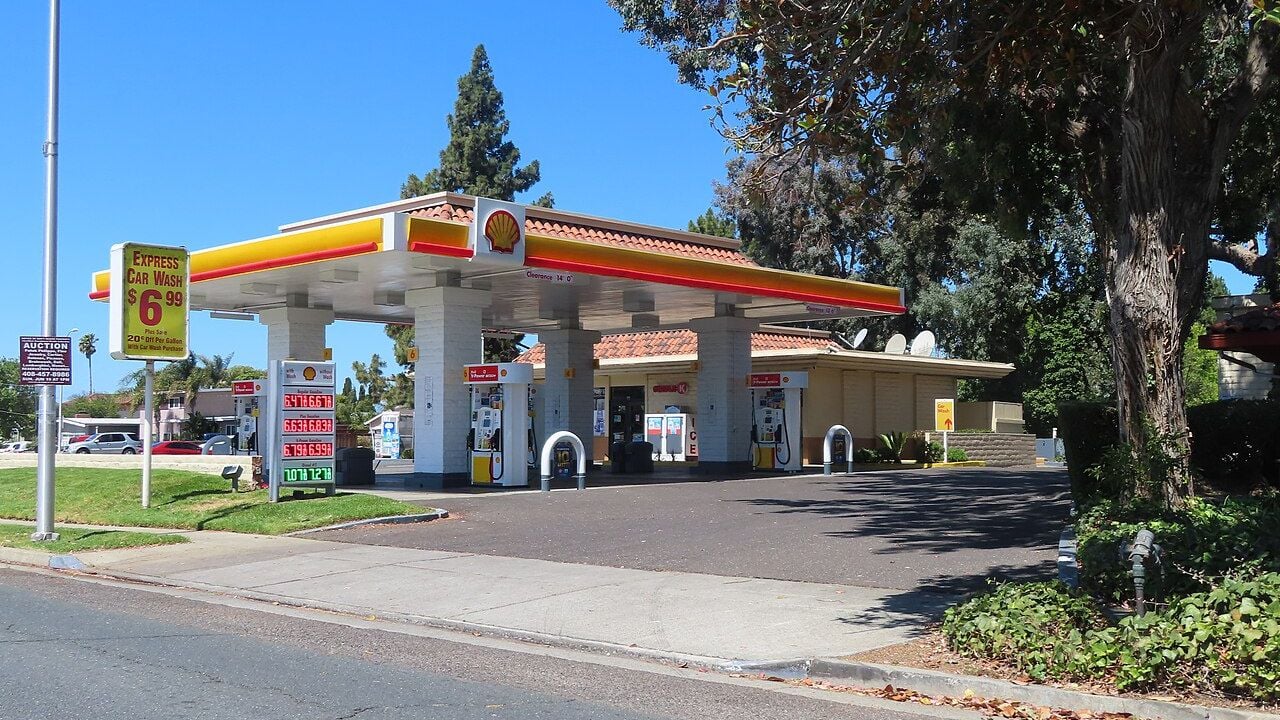

California finds itself in a rare kind of gridlock, one not of highways or politics, but at the ground level beneath gas pumps.
A hard‑fought environmental law designed to protect precious water resources is now forcing gas stations around the state to shutter, incurring heavy daily fines, and leaving drivers and small business owners grappling with the fallout.
The law traces its origins more than a decade ago to Senate Bill 445, passed in 2014. Lawmakers gave owners of single‑walled underground storage tanks (USTs) a long runway to replace or remove outdated tanks that pose a contamination risk to soil and groundwater. The intention was clear, as aging tanks can and do leak petroleum, threatening drinking water supplies and ecosystems.
Comply or Go Home
After years of planning and delay, the compliance deadline finally arrived on December 31, 2025. As of January 2026, enforcement has begun. Under California’s Health and Safety Code and related regulations, single‑walled USTs lacking secondary containment and continuous leak detection must be closed permanently or upgraded to modern double‑walled systems.
Stations that continue to operate without compliance are now subject to daily fines that can reach up to $5,000 per tank and face “red tag” orders that cut off fuel deliveries and sales.
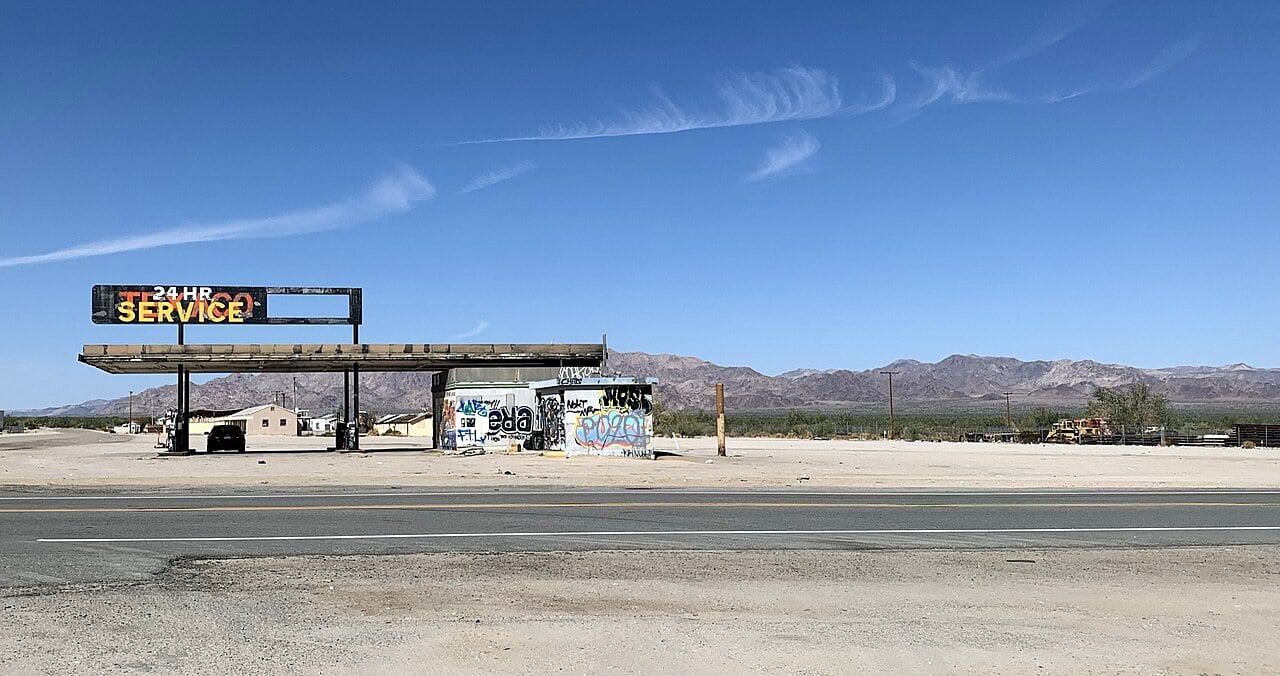
That is not theoretical for many operators. In places like Bay Farm Island in Alameda County, a once‑bustling 76 station now sits gutted and fenced off, pumps and credit machines stripped away, and its tanks trapped beneath mounds of earth like obsolete relics.
Its owner could not find a path forward because the cost of replacing underground tanks easily runs into six figures once excavation, soil stabilization and waste disposal are factored in. Instead of upgrading, the business closed late last year.
That closure encapsulates a broader crisis. An estimated dozens of service stations across California have either already shuttered or announced temporary shutdowns while they navigate the massive logistical challenge of compliance.
About 120 locations reportedly still lack formal plans to extract or replace their tanks, placing them on a collision course with enforcement actions that could trigger further closures.
RUST to the Rescue

The impact of these closures and service disruptions is already being felt by communities on the edge of built‑up urban centers and in rural parts of the state. Drivers who once pulled into local pumps without a second thought now face longer drives to fill their tanks.
In some cases, station owners who did take actions early to comply are caught in bureaucratic snafus, waiting for permits or inspections that seem to lag behind the urgency on the ground.
The state does offer financial support through the Replacing, Removing, or Upgrading Underground Storage Tanks (RUST) Program, which makes grants and loans available to eligible small businesses to help offset some of these costs.
Still, the money has not moved fast enough to meet the scale of demand, and many operators argue that what was meant to be a decade‑long transition became a year‑end scramble.
Rising Concerns Over Supply and Prices
As closures mount, so too do fears over potential fuel shortages and price volatility. Removing capacity from the state’s fuel infrastructure without guaranteed replacements or relief for small operators threatens supply resilience. Prices could rise at the pump, not because of global crude shocks, but from tighter retail accessibility and increased operational costs.
Those who support the law counter that the immediate pain of closures and compliance costs is a necessary trade‑off for long‑term public health and environmental protections. They point to the decades of documented cases where leaking tanks contaminated groundwater and required costly and disruptive cleanup efforts that can exceed millions of dollars per site.
For Californians, that leaves a stark choice: accept a future where the number of gas stations shrinks and filling up may take more effort, or slow environmental progress to preserve every station’s economic viability.
With the transition to electric vehicles already reducing dependency on fossil fuels and increasing investment in charging infrastructure, some see this moment as part of a larger pivot in how people power vehicles in California. Others see it as an avoidable crunch that could have been softened with more adaptive policy in the final years before enforcement.
Either way, this story illustrates a bitter friction between environmental ambition and economic reality. The real test may not be how many tanks are replaced, but whether Californians can adapt to a landscape in which the cost of extracting fuel is no longer hidden deep underground.
Sources: The Sun, Cal Water Board, PASS Training & Compliance, Piedmont Exedra