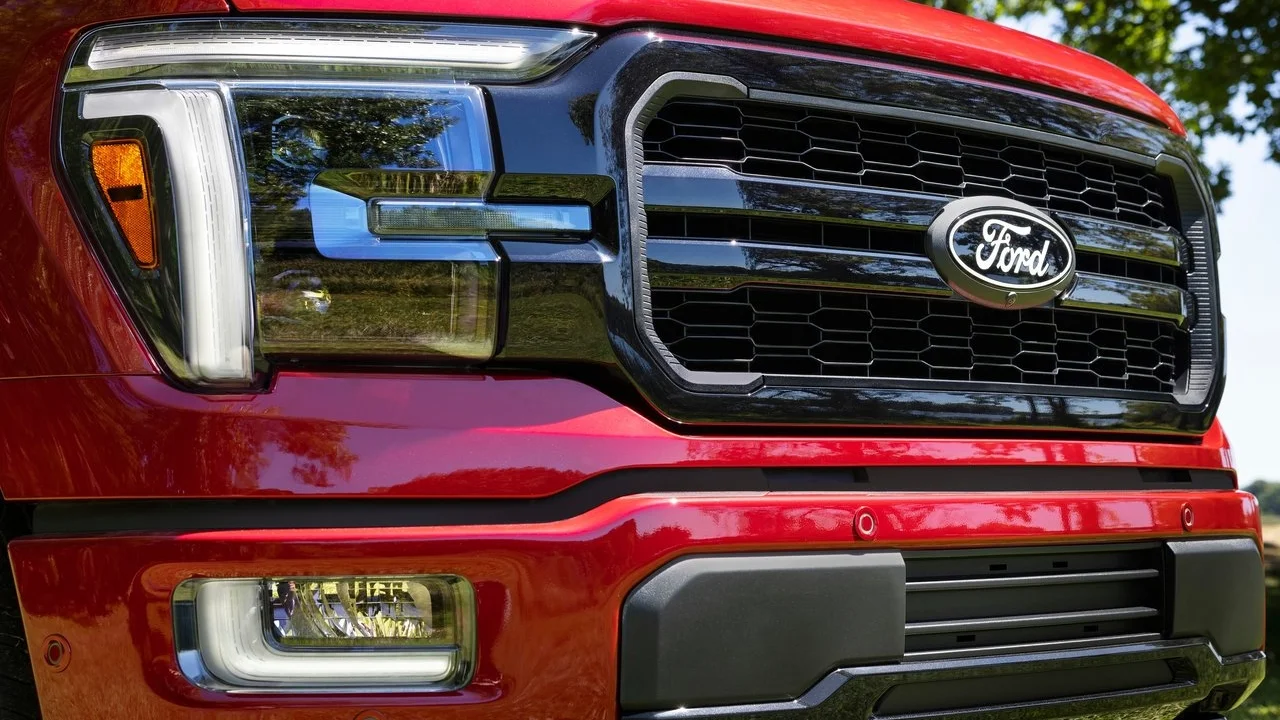
Ford F-150, Bronco, and even Expedition owners over recent years have probably all suffered from foggy headlights in cold and damp conditions, and thought something was wrong with their cars. However, that isn’t the case, as the fogging up has been a consequence of a design feature.
Vents on the lights are there by design to help with air pressure differences, but this has led to the side effect of foggy headlights, causing some stress for owners of these vehicles. However, it looks like a fix may be in sight.
A new design patent has emerged from the Blue Oval that could lead to a fix, and its appearance has been spotted on the US Patent and Trademark Office website. And F-150, Bronco, and Expedition owners haven’t failed to notice it.
The new design could pave the way for other manufacturers to redesign their headlights if fogging up is a problem, so there may be a few other patents filed should this solution work out.
How the New Ford Headlight Patent Eliminates the Fogging Issue
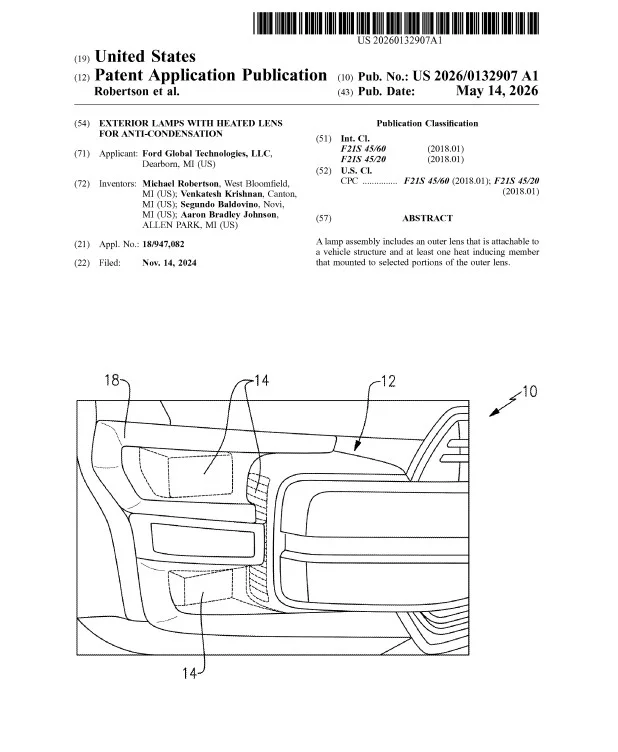
US Patent Application 20260132907 was filed by Ford in November 2024 and was then published in the last week by the US Patent Office. The patent is titled “Exterior Lamps with Heated lens for Anti-Condenstation,” with diagrams showing it at the front of an F-150 pickup truck.
Currently, Ford owner’s manuals explain that vents in the headlights help regulate changes in air pressure, and condensation is a by-product of this. That is what leads to the fogging up of the headlights as the temperature drops.
So how does it work? Well, a look at the patent suggests the main idea involves temperature monitoring sensors located within the headlights, and these help detect if the temperature outside is lower than 21 degrees centigrade, with humidity around 80 percent.
If that is the case, a controller then generates an activation signal, turning on a heating member. This then provides external heat to the lens inside the headlights, warming it through, and thus eliminating any condensation that may have become apparent in the lights. Should the temperature rise above 21 and the humidity be over 80, then the heating member can be turned off.
Another method from Ford involves a microgrid of thin conductive wires, located in the lens material. These are positioned so they don’t block the headlights, and are only visible should you use magnification to find them.
Why Has Condensation Been a Problem for Ford and Other Companies
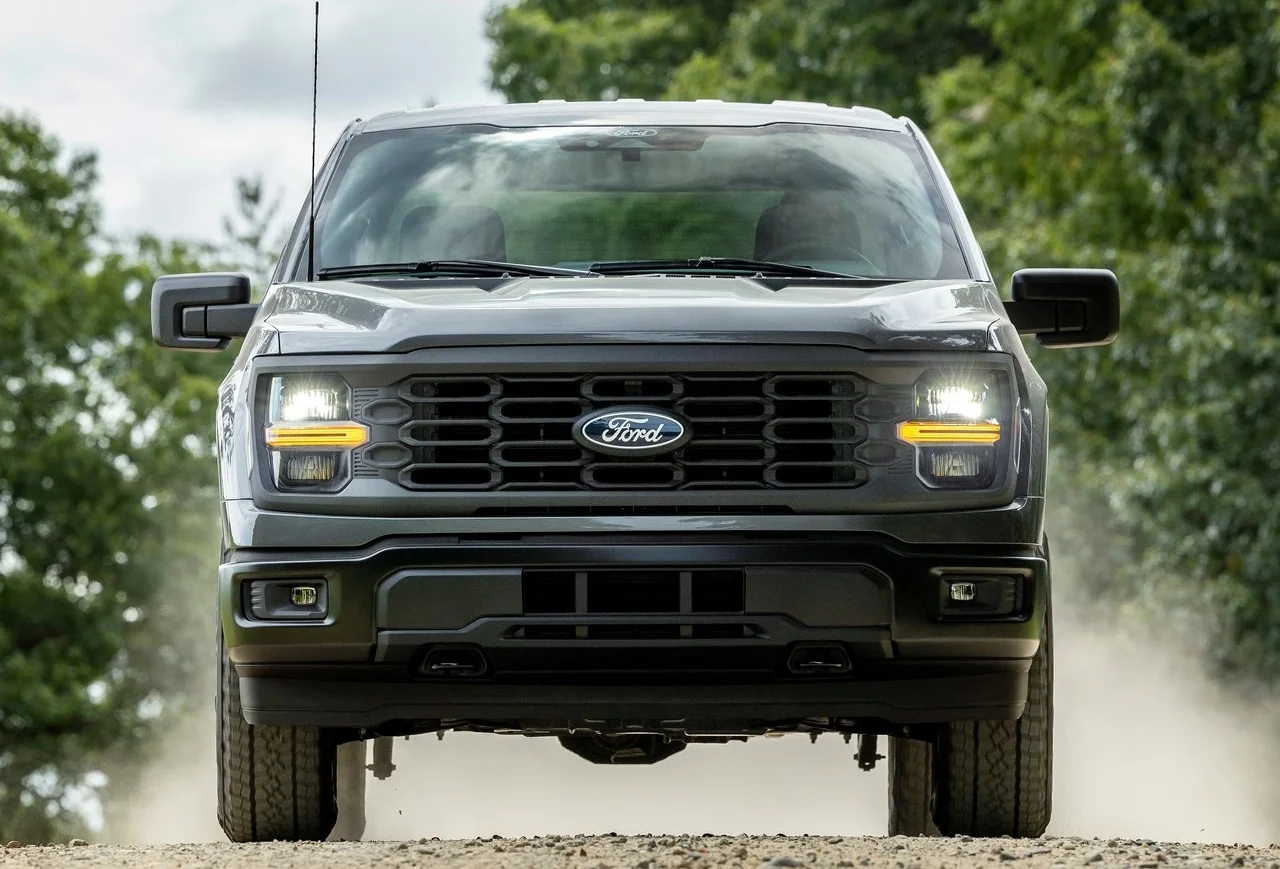
The third solution utilizes a dot-matrix pattern of solar-absorbing markings. These are around the outer edge of the lens and direct heat to the center of the lens after drawing in ambient heat. Another option uses fans that circulate warm air within the headlight housing itself.
Condensation in headlights isn’t just a Ford problem, as various manufacturers have struggled to mitigate the issue. It stems from modern LED lights, as the LEDs themselves don’t create a huge amount of heat, coupled with the fact that the headlights are vented. Any temperature change can lead to condensation.
Older and more traditional bulbs didn’t have this problem, and they were easily able to mitigate the condensation and ensure drivers never really had to worry about it. LEDs are more efficient, and overall are better, but the condensation is a sizeable drawback from older headlight designs. Check forums for the Ford Bronco or F-150, and you will see some say it can last up to 48 hours before clearing.
Will Other Manufacturers Produce a Similar Design?

The condensation issue won’t be isolated to just Ford. Other manufacturers likely have the same problem on some of their models, even if it isn’t to the same degree as the Bronco or F-150. So with the patent now revealed, they may be keeping a close eye on what the Blue Oval does next.
It must be stressed, however, that this isn’t a production version. Ford has simply revealed prototypes with its patent, and it might be that none of these proposals actually make it on one of the company’s pickups or SUVs. But the company must be confident that at least one of the designs will work, hence the submission of the patent.