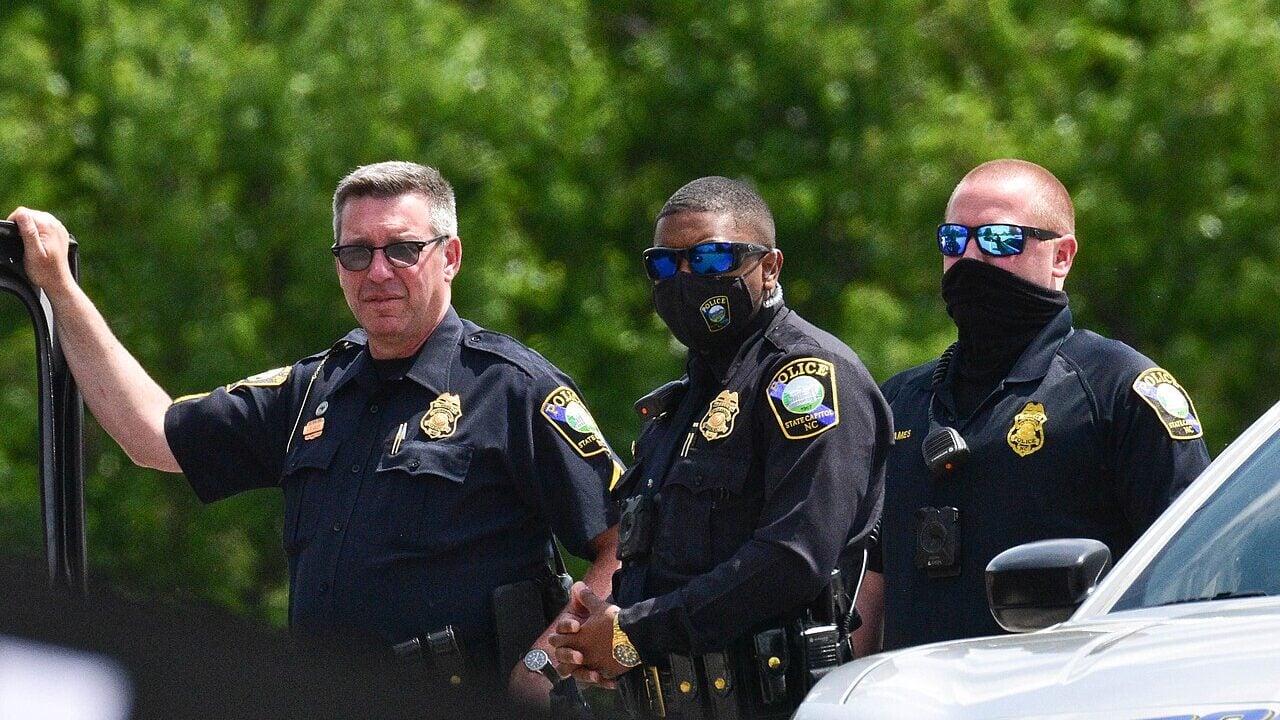

A federal jury in North Carolina has delivered a verdict that is likely to echo far beyond public health policy debates and into the culture of law enforcement agencies that rely on discipline, hierarchy, and chain-of-command obedience. For automotive news readers who follow emergency response systems, fleet operations, and the public institutions tied to America’s roads and highways, the case also offers a rare look inside the tensions that unfolded within a state patrol agency during the pandemic era.
According to Carolina Journal, a jury in Asheville found the North Carolina Highway Patrol liable for retaliation against former state trooper Jonathan Daniel Williams. The jury awarded Williams $500,000 in damages after concluding he had been punished after raising objections to mandatory COVID-19 testing policies.
The lawsuit traces back to the chaotic months of late 2021, when transportation agencies, trucking companies, automakers, police fleets, and state highway departments across America were still struggling to balance workforce shortages with aggressive public health mandates. At the time, many agencies feared outbreaks among employees could cripple essential transportation and emergency services.
For state highway patrol agencies, the stakes were especially high. Troopers were expected to remain on the roads during the height of the pandemic, responding to crashes, enforcing traffic laws, assisting stranded motorists, and supporting commercial vehicle enforcement during one of the most politically divisive public health periods in modern American history.
Pandemic Policies Reach Highway Patrol Barracks
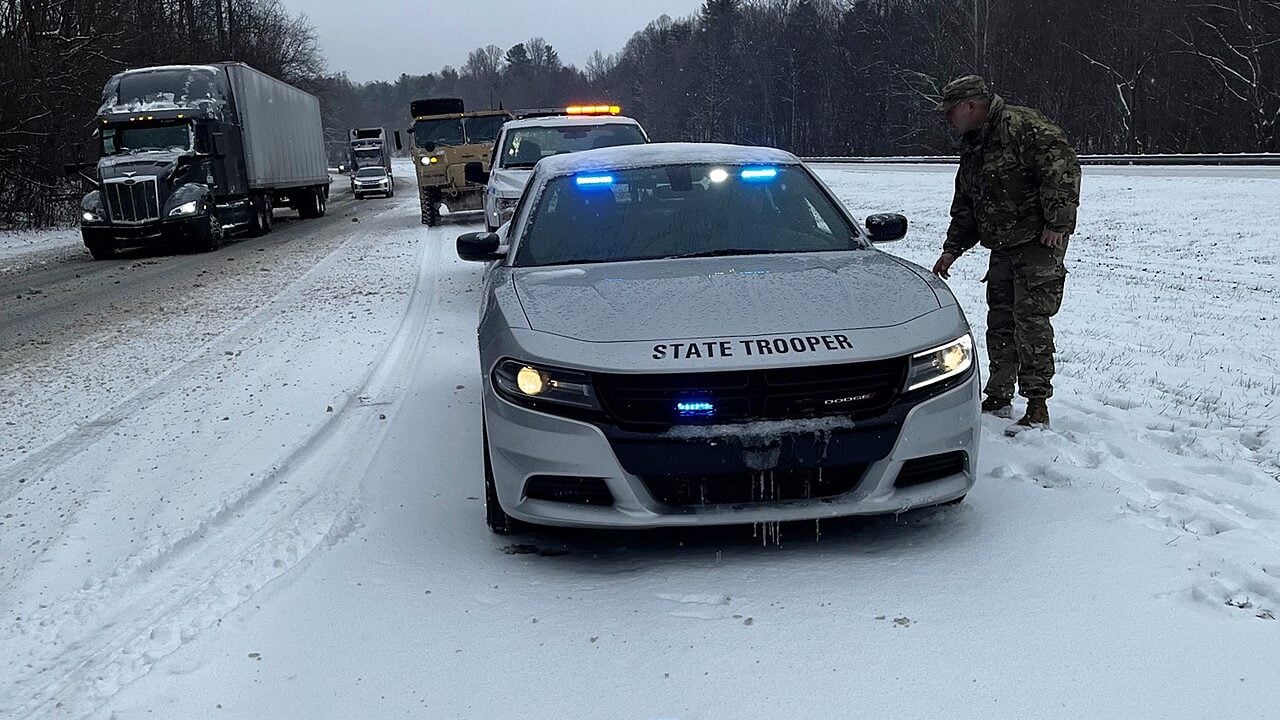
The dispute emerged after Democratic Gov. Roy Cooper issued executive actions tied to COVID-19 safety measures in 2021. In response, the North Carolina Department of Public Safety adopted policies requiring employees, including state troopers, either to be vaccinated or to undergo repeated COVID testing.
Chief US District Judge Martin Reidinger later summarized the timeline in court filings cited by Carolina Journal. Williams initially complied with the policy and submitted to nasal swab tests in September 2021.
According to court records, Williams later concluded that the nasal swab tests conflicted with his religious beliefs. Reidinger wrote that Williams felt “convicted spiritually” after the testing and believed the procedure violated his conscience.
That distinction became critical because the lawsuit was not fundamentally about vaccines alone. Instead, much of the dispute revolved around the type of testing required and whether Williams’ objections were treated fairly once he requested accommodation.
On Nov. 22, 2021, Williams formally requested a religious exemption tied to both vaccination and repeated invasive testing procedures. Court documents cited by Carolina Journal stated that a personnel complaint against him was filed the very next day.
Legal Battle Focused on Retaliation
The retaliation claim became the strongest surviving portion of the lawsuit after Judge Reidinger narrowed the case earlier this year. He dismissed several other allegations involving disability law, religious accommodation claims under Title VII, and claims brought under the Genetic Information Nondiscrimination Act.
Still, the retaliation allegation survived because the judge concluded there was enough evidence for a jury to examine whether the Department of Public Safety’s stated reasons for firing Williams were genuine. Reidinger noted that Williams did not receive written notice explaining alternative saliva-based testing options until Dec. 23, 2021.
That timing became significant because the state later terminated him partly for failing to comply with testing requirements by Dec. 29. After receiving notice that saliva testing was allowed, Williams began taking saliva-based COVID tests between Dec. 30, 2021, and Jan. 18, 2022.
Court filings stated that gaps in testing schedules were linked to limited appointment availability rather than outright refusal to comply. The state nevertheless fired Williams on Jan. 24, 2022.
Why This Matters Beyond One Trooper
The verdict lands during a period when many public agencies are still facing legal and political fallout connected to pandemic-era mandates. Police departments, transit systems, fire services, airlines, shipping firms, and automotive manufacturing plants all experienced similar disputes over vaccinations and testing compliance.
For highway patrol agencies specifically, the case highlights the collision between institutional discipline and individual accommodation rights. Troopers operate inside rigid command structures, where failing to follow policy can carry severe consequences, particularly during emergency periods.
Yet federal employment law also requires agencies to consider religious accommodations when possible. The jury’s decision suggests jurors believed North Carolina officials crossed a line from enforcement into retaliation.
The case also reflects how COVID-era conflicts reshaped public trust in institutions tied to transportation and mobility. During the pandemic, state patrol officers enforced travel restrictions, monitored highway safety during lockdowns, assisted commercial freight movement, and remained highly visible symbols of state authority on American roads.
Years later, lawsuits tied to those policies are still moving through courts. According to Carolina Journal’s report on the verdict, the federal jury ultimately concluded that Williams had been retaliated against after challenging the testing policy, awarding him half a million dollars in damages and delivering another legal rebuke tied to one of the most contentious chapters of the pandemic era.