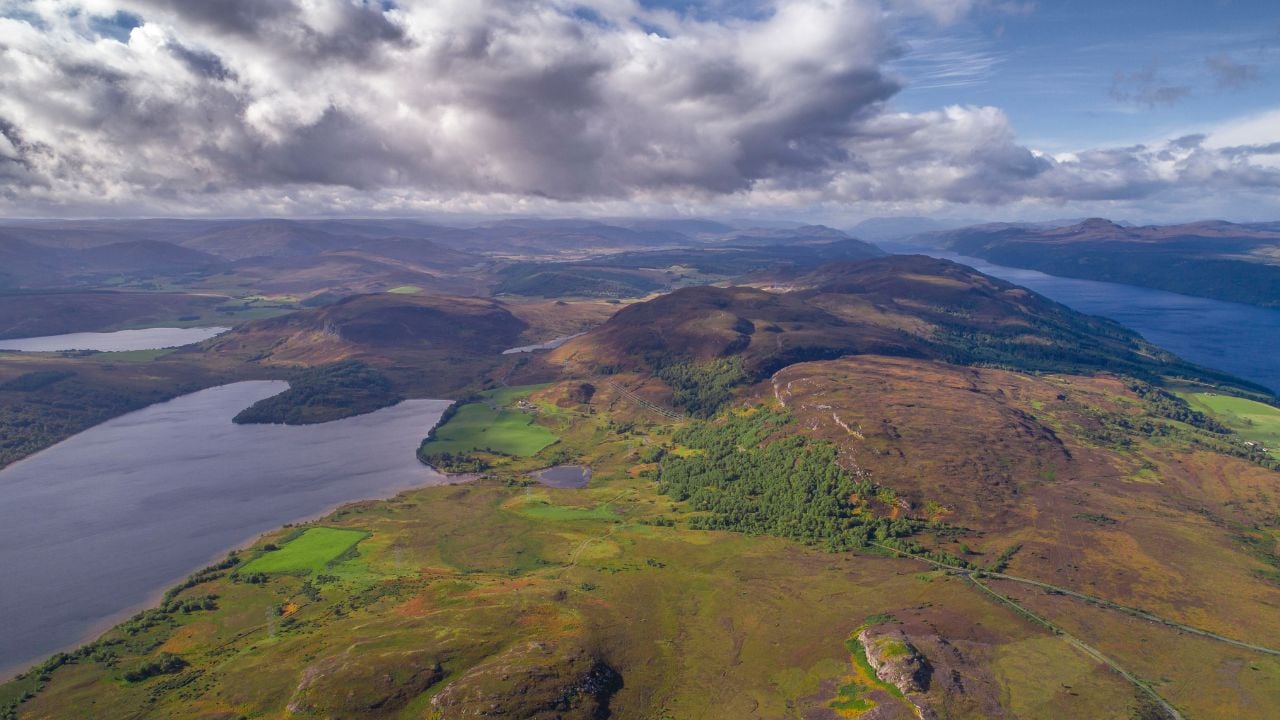
Alan Cumming’s stop in CNN’s My Happy Place lands because it is rooted in memory, not celebrity sightseeing. CNN’s episode description says the Highlands were where he went to escape as a child and that the region now gives him a sense of belonging, connection, and joy. That framing changes the whole mood of the journey.
Viewers are not watching a famous person sample a photogenic destination. They are watching someone return to a place that shaped him.
Cumming’s own site makes the route even more specific. He wrote that his Highlands itinerary for the program included Inverness, Ullapool, Findhorn, and the Gordon Castle Highland Games. Official Scottish tourism pages help explain why that final stop matters, describing Highland games as a blend of sport, piping, dancing, and social gathering held across the country.
Put those pieces together, and the games start to look like a natural center of gravity for a deeply personal Scottish homecoming.
1. The Highlands Carry Emotional Weight Before the Games Even Begin
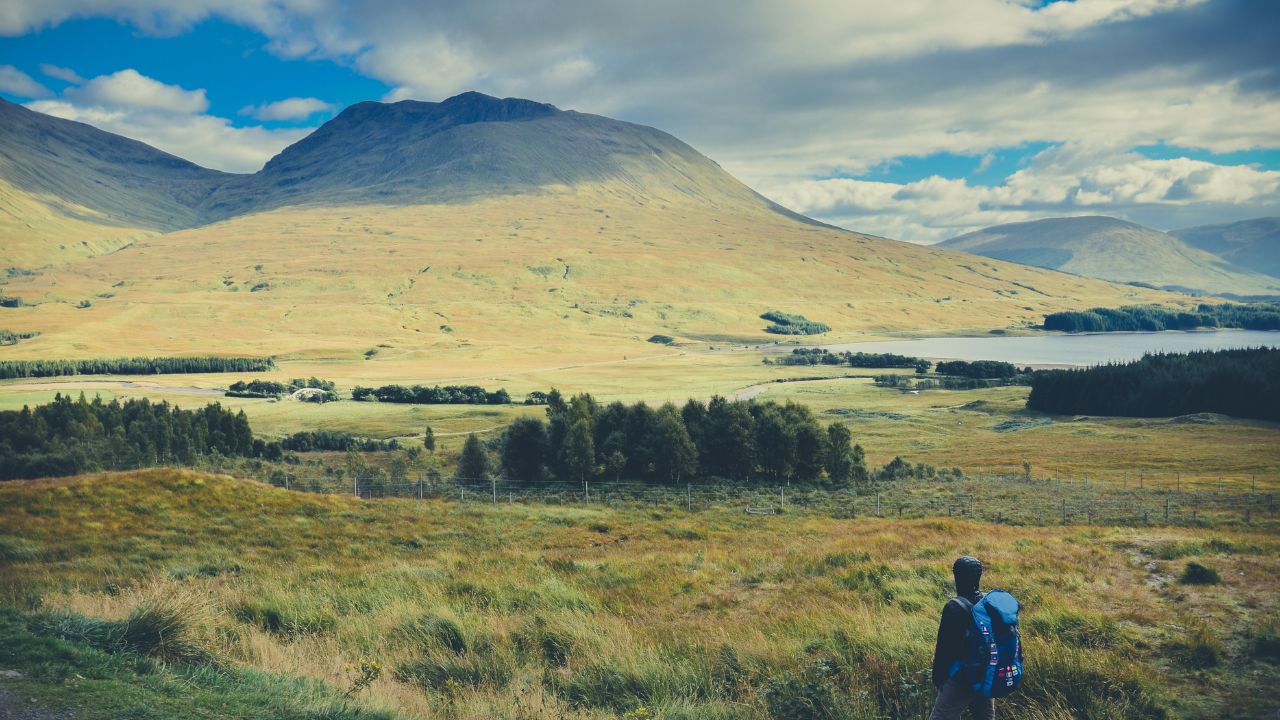
CNN’s description is brief, but it says something unusually important about the episode. The Highlands are presented as both refuge and rediscovery, first as a childhood escape and later as a source of adult connection.
That gives the setting real emotional depth. The landscape is not filler between attractions. It is part of what gives the journey its meaning.
That personal link is why Gordon Castle works so well in the story. A Highland games gathering is not quiet in the literal sense, yet it can still feel grounding because it compresses memory, place, sound, ritual, and local life into one afternoon.
Cumming’s own note about visiting several Highlands stops suggests a journey built from affection rather than checklist tourism. By the time the episode reaches the games, the location already feels earned.
2. Gordon Castle Gives the Tradition a Setting That Feels Lived In, Not Staged
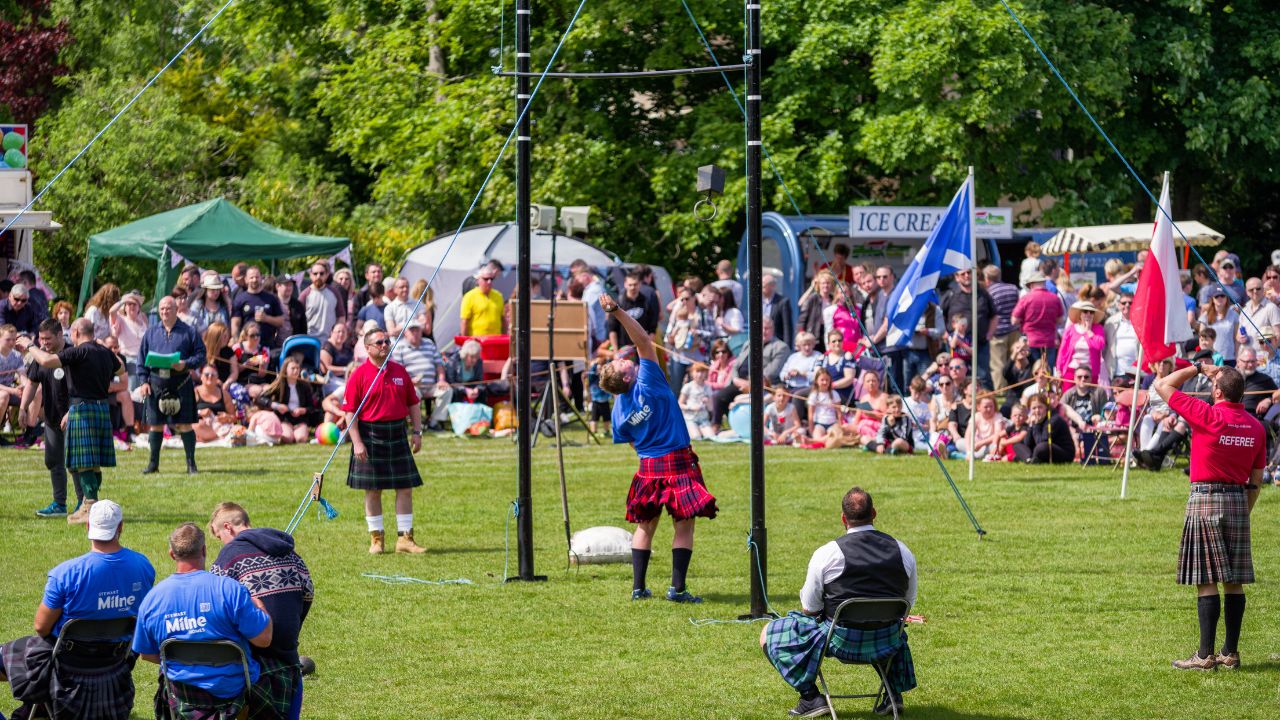
The official Gordon Castle page presents the event as a full day inside historic grounds in Fochabers, combining classic Highland competitions with country sports displays, local traders, and food and drink. The estate says the 2026 edition is scheduled for Sunday, 17 May, from 10 a.m. to 5 p.m.
The Royal Scottish Highland Games Association lists the same date, location, and start time, which matters because it shows this is not a one-off demonstration built for cameras. It is a formal entry in the games calendar with a clear local structure.
The history on the Gordon Castle site makes the place even richer. According to the estate, the gathering drew crowds of more than 30,000 by the early twentieth century, later faded away, returned briefly in 1976 for a bicentenary celebration in Fochabers, and was revived as an annual event in 2011 after roughly three decades of dormancy.
That backstory gives the day a sense of recovery as well as continuity. What visitors see now is not a preserved relic under glass but a revived community tradition with deep roots.
3. What Makes Highland Games Fun Is the Way Many Forms of Culture Happen at Once
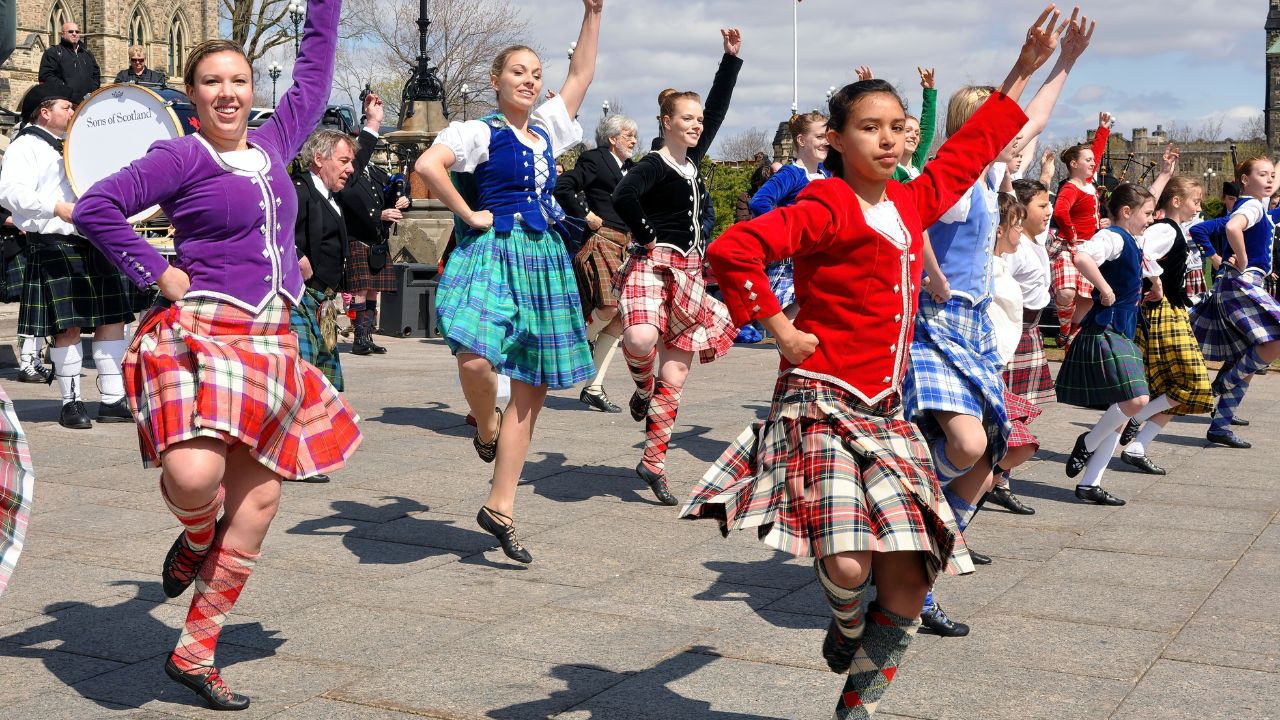
Official Scotland.org material describes Highland games as a mix of sporting, cultural, and social events. Its guide says the program usually includes field and track contests, piping, and Highland dancing, while VisitScotland describes the gatherings as celebrations where strength, endurance, speed, music, and dance meet in one place.
That combination helps explain why even first-time visitors can get swept in quickly. A lot of travel experiences require specialized knowledge before they become enjoyable. Highland games tend to work faster than that.
One moment there is a pipe band, then a dance contest, then a burst of cheers around the heavy field, and later a parade or another performance. Because the format keeps changing, the energy rarely drops.
The appeal comes from rhythm and variety, which is exactly the kind of atmosphere that can make a place feel restorative instead of exhausting.
4. The Heavy Events Give the Day Its Theatrical Edge
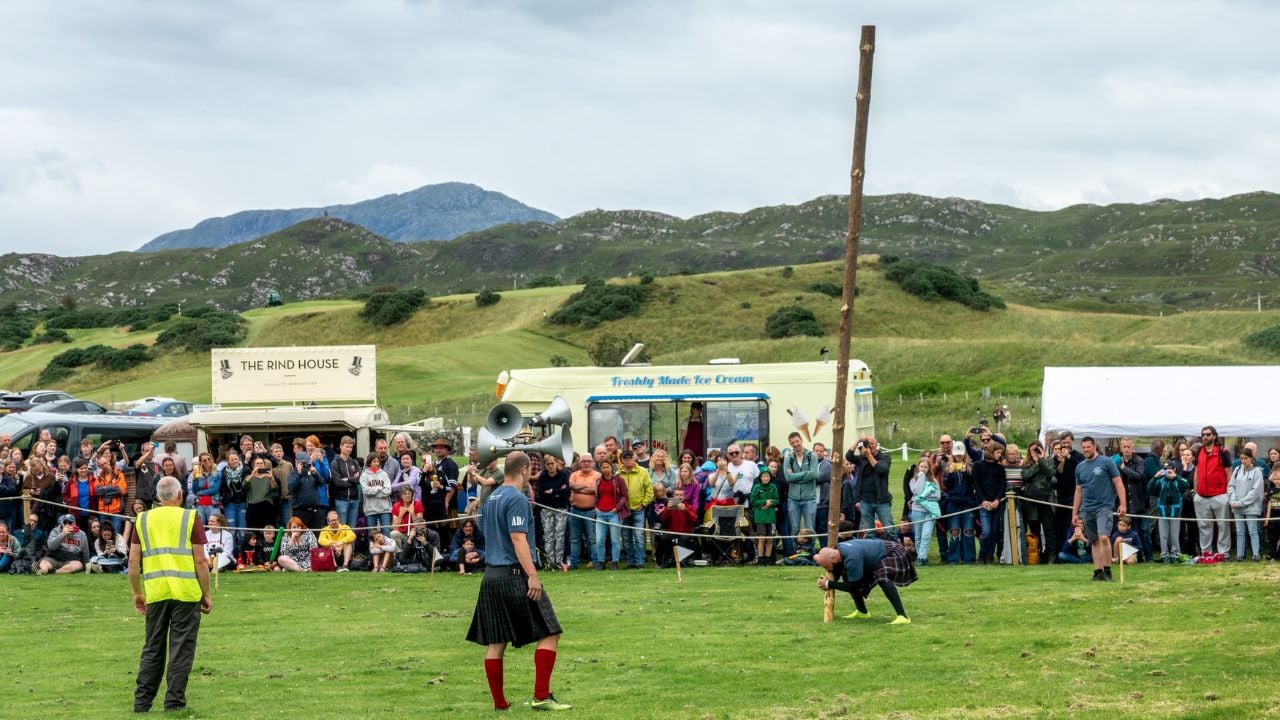
Scotland.org’s traditions page makes clear why the caber toss has become the visual shorthand for Highland games. The guide explains that a full-length log, usually Scots pine, is lifted, carried forward, and flipped so it lands in line with the athlete’s run, ideally in the 12 o’clock position.
The same page outlines hammer throw, shot put, weight for height, and tug-o’-war, each with its own balance of technique and force. That means the spectacle comes from skill as much as raw power.
Gordon Castle’s own event page shows that the field program reaches beyond the iconic crowd-pleasers. The estate says competitors come from far and wide for one of the earliest meets of the season and notes that it will host women’s open heavy events and tug-o’-war again in 2026.
The RSHGA listing also includes female heavyweights, adaptive heavyweights, junior heavyweights, wrestling, cycling, pipe band contests, solo piping, and Highland dance. That breadth makes the day feel active from many angles at once.
5. The Wider Scottish Setting Helps Explain Why This Felt Like a “Happy Place”
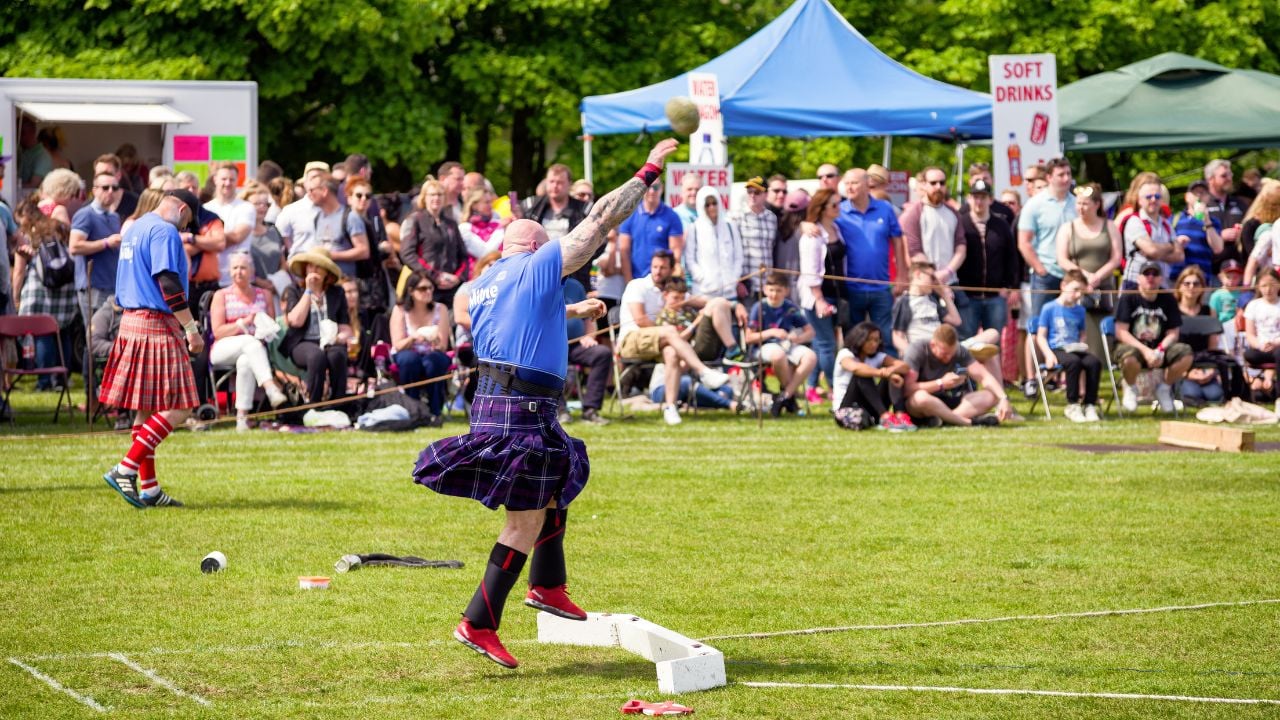
VisitScotland says the Highland games season begins in May, peaks in July and August, and finishes in September, with events taking place across towns and villages throughout Scotland. Scotland.org likewise says the tradition now appears all over the country, from major towns to tiny villages and islands.
That broader spread matters for a travel story because it shows the tradition is woven into the national calendar rather than confined to one flagship spectacle. The world Cumming returns to is broad, recurring, and still actively practiced.
That liveliness is probably the strongest reason the stop resonates. CNN framed Cumming’s episode around belonging and joy, and the official tourism pages describe the games as warm, communal, and deeply tied to Scottish identity.
For a travel piece, that is the real takeaway: his “happy place” does not depend on isolation or luxury but on being somewhere tradition is still performed in real time, with sound, movement, history, and welcome all arriving together.