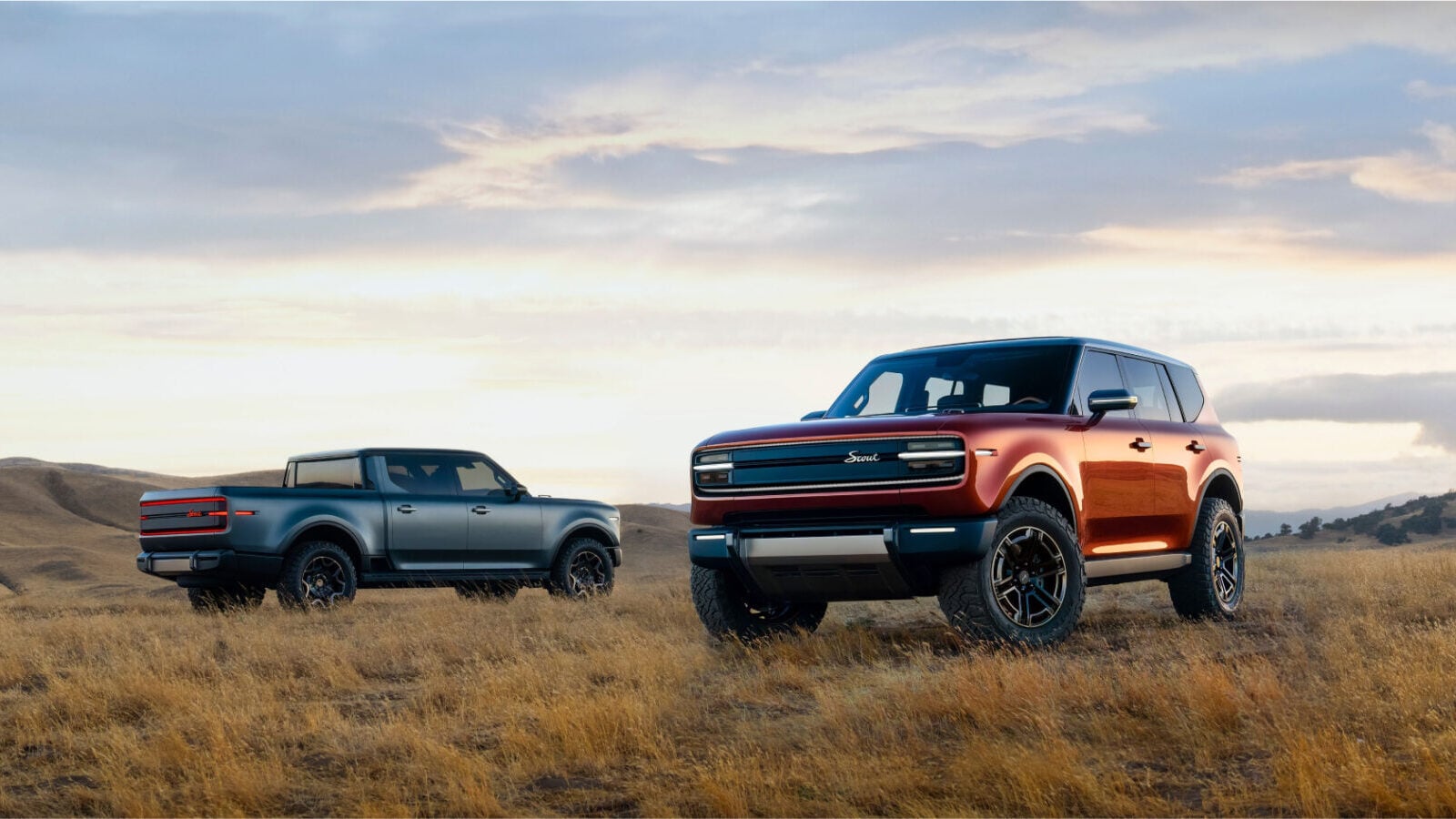
Scout Motors is still preparing to launch its first vehicles, but the Volkswagen-backed automaker is already facing a major legal battle. The dispute centers on its plan to sell vehicles directly to customers rather than through traditional franchised dealerships.
That approach has worked for electric vehicle manufacturers such as Tesla and Rivian, but Scout’s connection to Volkswagen makes things much more complicated. Existing VW dealers argue that the company shouldn’t be allowed to bypass the franchise system through a separate brand.
As reported by Automotive News, a federal judge in California has now rejected another attempt by Scout and Volkswagen to have a lawsuit dismissed. The decision allows the legal challenge to continue, adding uncertainty to Scout’s plans ahead of its first customer deliveries.
The company is still committed to its direct-sales strategy, however, and says it has no intention of abandoning the approach. With the first Scout vehicles expected in 2028, there’s still time for the dispute to develop.
California Dealers Take Scout To Court

The California New Car Dealers Association filed its lawsuit in April 2025, arguing that Scout’s proposed sales model violates the state’s franchise laws. The association maintains that Volkswagen cannot use an affiliated company to compete with its existing franchised dealerships.
California’s updated franchise law, which took effect in January 2024, restricts manufacturers from competing with their franchised dealers. The association argues that those restrictions apply to Scout because of its ownership by Volkswagen. The lawsuit also alleges violations of the state’s Unfair Competition Law.
Chief U.S. District Judge Cynthia Bashant has now denied motions to dismiss the case for a second time. However, the ruling doesn’t establish that Scout’s business model is illegal; it simply allows the lawsuit to proceed.
Scout Refuses To Abandon Direct Sales
Despite the setback, Scout insists its strategy isn’t changing. Speaking to CarBuzz, a company spokesperson said it would never consider backing down from its commitment to selling directly to consumers.
Scout also maintains that it already has the dealer licenses and regulatory approvals needed to pursue its plans. Meanwhile, similar opposition from franchised dealers has emerged in Florida.
The legal dispute reveals a fundamental difference between Scout and independent EV startups. Unlike Tesla or Rivian, Scout belongs to an automotive group with an established network of franchised dealerships.
First Deliveries Are Still Planned For 2028
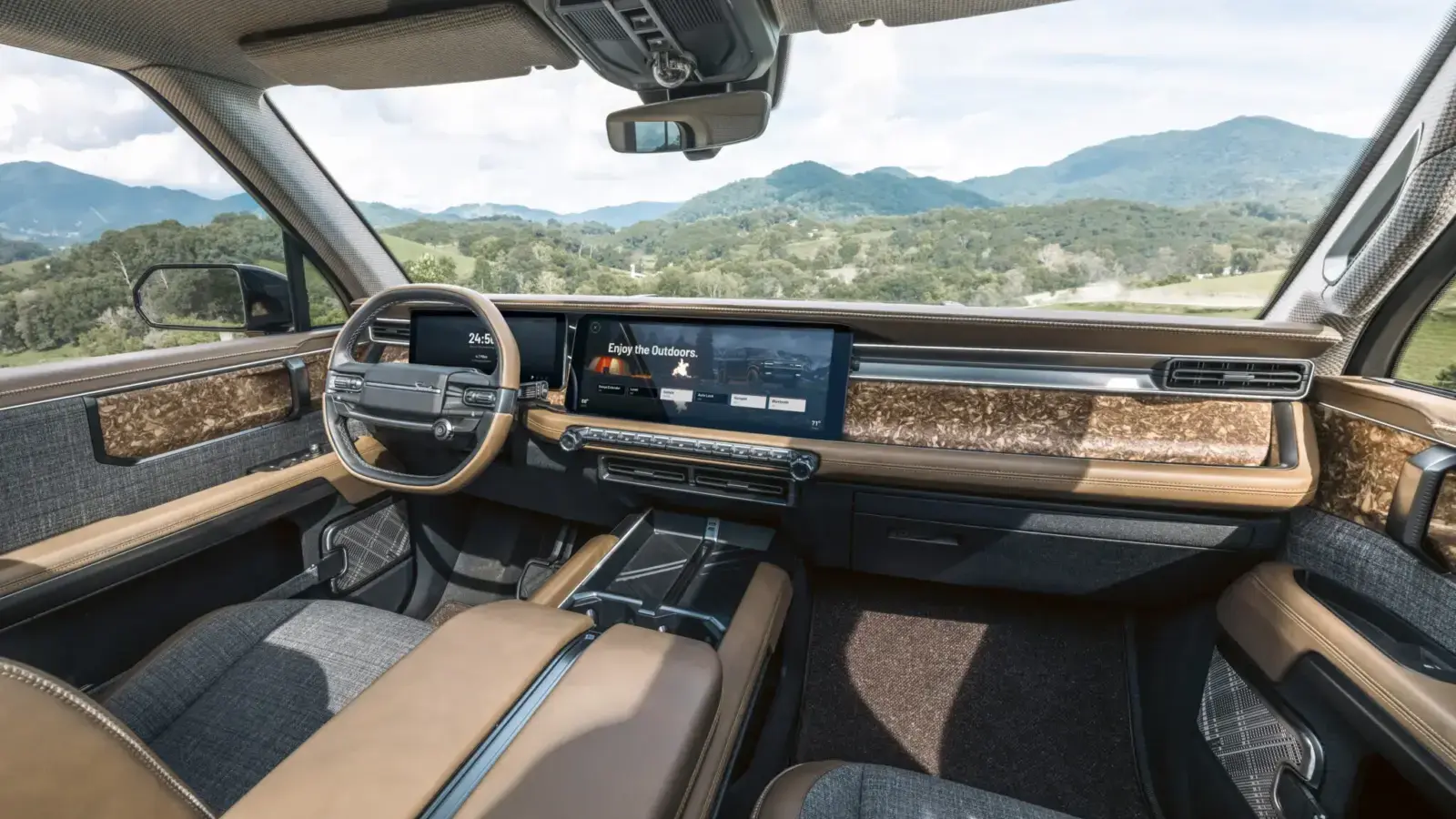
Scout is developing the Traveler SUV and Terra pickup, with production preparations underway at its new factory in Blythewood, South Carolina. The company says initial validation vehicles are already being built.
The automaker has also reported approximately 200,000 reservations backed by refundable $100 deposits. Customer deliveries are targeted for 2028, with the extended-range Traveler expected to receive priority.
For a brand attempting to revive a historic American nameplate, the battle over how its vehicles reach customers could prove nearly as important as the vehicles themselves.