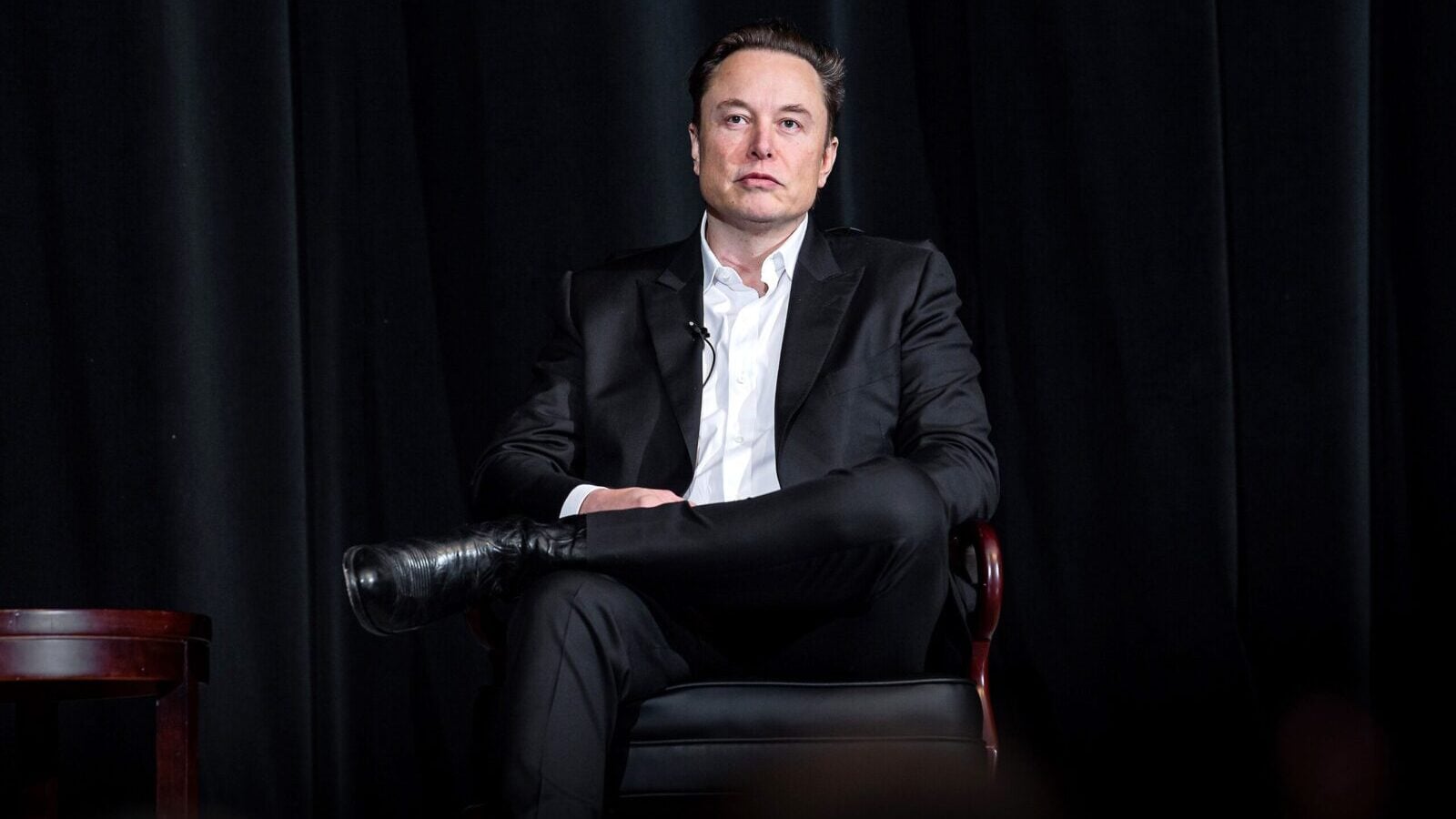
Elon Musk has confirmed that Tesla and SpaceX are officially exploring a merger, a move that could bring two of his biggest companies under one roof. Although no agreement has been reached, both businesses have established special committees to examine the possibility.
Speaking during SpaceX’s quarterly earnings call on Tuesday, Musk made it clear that he supports the idea. Asked whether combining the companies would make sense, his answer was simple: “Yes.”
The potential deal would be enormous, with Tesla valued at approximately $1.5 trillion and SpaceX at around $2 trillion. Together, they could form a technology giant worth roughly $3.5 trillion, although the final valuation would depend on the transaction’s terms.
However, Musk stressed that the merger is far from guaranteed. Both companies would need to agree on the details, and shareholders would ultimately have a say in whether it proceeds.
Special Committees Are Already Examining The Deal
We believe there is an 80%-90% chance that Tesla and SpaceX merge by the end of 2027 for a number of strategic AI and data-driven reasons and this is the right move for Musk. Board Committees on both Tesla and SpaceX analyzing deal merits and price. 🏆🚀🐂
— Dan Ives (@DivesTech) October 21, 2026
According to Reuters, special committees at both companies have been formed to evaluate a possible combination. Musk isn’t participating in their discussions because his leadership roles at Tesla and SpaceX create a potential conflict of interest.
“The special committees have not reached agreement on terms of any transaction and there’s no guarantee that they will,” Musk explained. Nevertheless, he believes there is considerable potential in bringing the businesses together.
Investors reacted positively to the news, with SpaceX shares climbing approximately 8% in after-hours trading. Tesla shares also gained around 2%.
Why Would Tesla And SpaceX Merge?
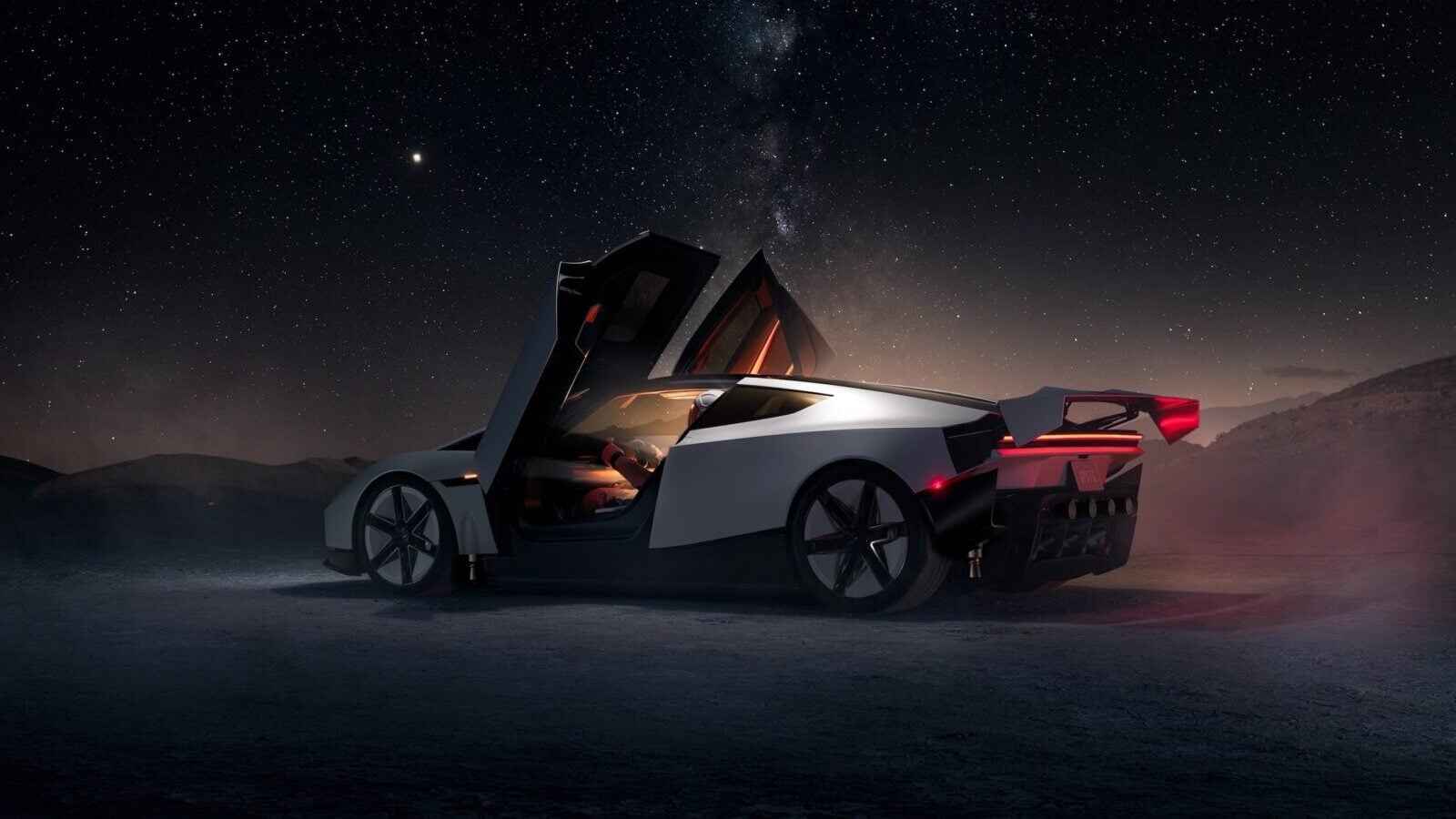
Although Tesla is best known for electric cars, its ambitions increasingly extend into artificial intelligence, autonomous driving, and humanoid robotics. SpaceX, meanwhile, operates rockets, satellite networks, and a growing AI infrastructure business.
Musk believes the companies could benefit from closer cooperation on chip development, software, and other advanced technologies. Their existing Terafab semiconductor manufacturing initiative already demonstrates how their interests overlap.
A merger could also allow Tesla and SpaceX to share resources and coordinate expensive research projects. However, it would raise questions about how much attention Tesla’s automotive business would receive within such a sprawling organization.
A $3.5 Trillion Deal Would Face Major Obstacles
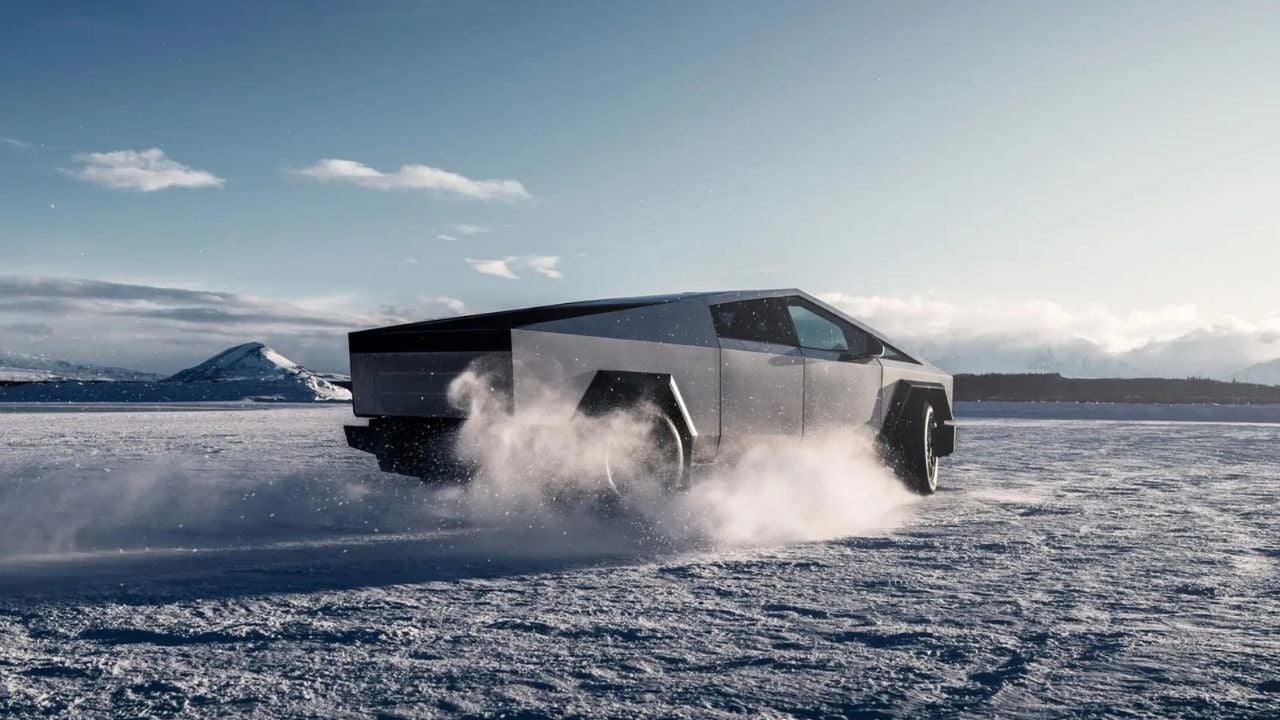
Combining two companies of this size would require extensive negotiations and shareholder approval. Musk has acknowledged that securing sufficient support from Tesla investors could prove particularly challenging.
The deal could also attract regulatory scrutiny, especially given SpaceX’s government contracts and Tesla’s substantial manufacturing operations in China. Analysts have raised questions about governance and how the businesses would be valued.
Despite those hurdles, some analysts are optimistic. Dan Ives of Yorkville Ives & Co. estimates an 80% to 90% chance of Tesla and SpaceX merging by the end of 2027.
Musk has expressed enthusiasm for the merger, but enthusiasm alone won’t make it happen. Until the committees reach an agreement and shareholders approve the terms, Tesla and SpaceX are separate companies with a potentially historic deal under consideration.