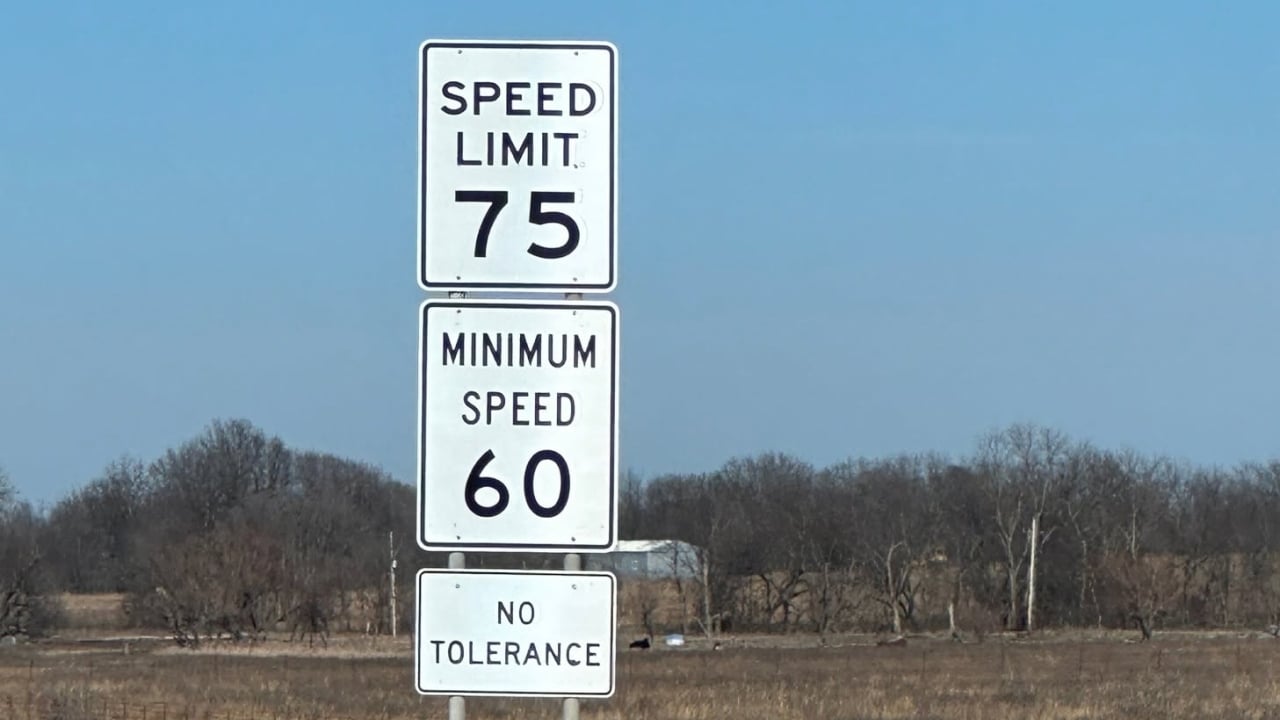
Speed limits can sometimes be a bit confusing. Sometimes a road will suddenly change limits without much warning, and at other times, a road might have a higher speed limit than you think is safe. In Oklahoma, though, there is a different issue that faces some drivers.
The state has two different speeding laws, and at first glance it might look like it’s hard to tell the two apart. However, there are crucial differences due to the wording on the signs that dictate how the law is enforced across the state.
If you are unfamiliar with Oklahoma’s speed laws and are driving through the state, it might be worth paying close attention to the signs. Because the last thing you want is to get into trouble by getting the speed limit wrong. Oklahoma has a speeding law that is a little bit more nuanced than others.
Most states, and indeed most countries, will have a speed limit that they just expect drivers to follow. However, Oklahoma has an Absolute Speed Limit Law, as well as a Basic Speed Rule, and it is very important that the differences between the two are identified.
What Are Oklahoma’s Two Speeding Laws?
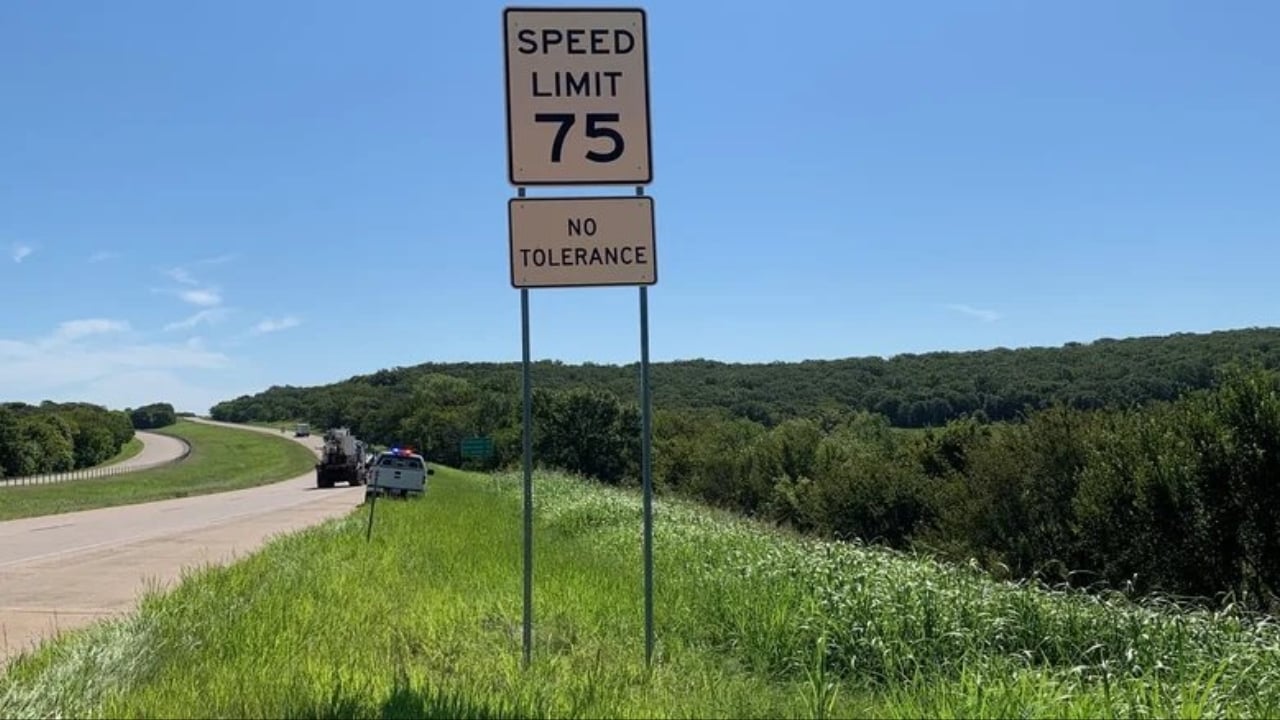
The two laws are the Absolute Speed Limit Law and the Basic Speed Rule. The Absolute Speed Limit Law is the more straightforward of the two. If a speed limit sign says 70mph, that means the maximum legal speed on that section of road is 70mph. That is easy enough to understand, and even being just one or two mph over means you are speeding.
But the Basic Speed Rule is a little bit different. This rule takes the road conditions into account. This means that, even if a driver was under the legal speed limit, they could be cited for speeding as they were going too quickly for the prevailing conditions in the eyes of a police officer. So this could mean going too fast in foggy, snowy, icy, or heavy rain conditions.
The question plenty of drivers will be asking is: how do you differentiate between the two? Well, thankfully, Oklahoma does put this on its speed limit signs so drivers know what they are looking for. If the sign says either ‘No Tolerance’ or ‘Zero Tolerance’, that means that the sign is reading the Absolute Speed Limit Law. So if it has either of those phrases and states the limit is 70mph, then you can drive up to 70mph on that bit of road.
The Wording on the Signs Is Incredibly Important
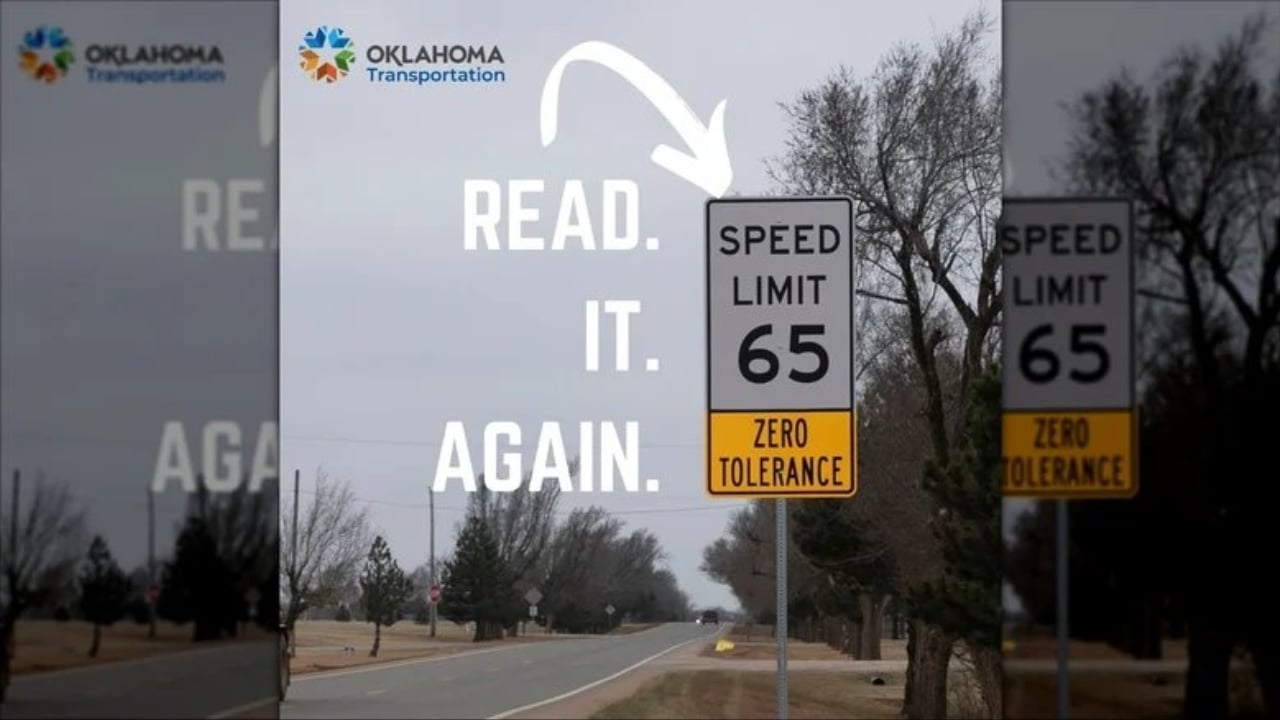
If those phrases are not there, then that would mean that the speed limit falls into the Basic Speed Rule. On this bit of road, if you are caught driving too fast for the conditions in the eyes of the law, you could be pulled over and cited for speeding. Some roads actually have a minimum speed limit sign, telling drivers the minimum they are expected to drive on certain roads so as not to hold anybody up.
The ‘No Tolerance’ and ‘Zero Tolerance’ signs were introduced in 1998, as the state tried to reduce speeding-related crashes on its roads. This was expanded in 2012, thanks to the Highway Safety Corridor Project. Additional signs were then installed on roads that had a history of serious accidents, such as those in Pottawatomie County. As such, police officers enforce the limits incredibly strictly, sometimes even citing drivers for going just 1mph over the speed limit.