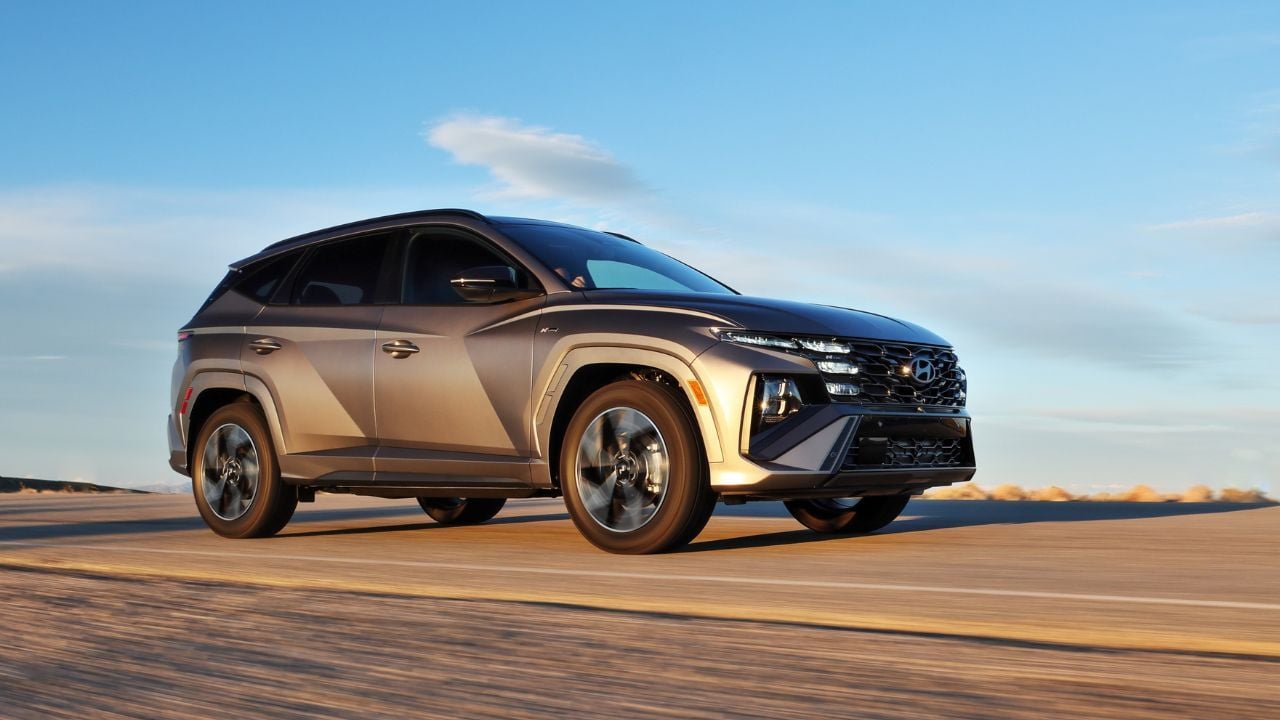
Hyundai Motor Group is steadily strengthening its position in the U.S. automotive market, with new industry forecasts showing the South Korean manufacturer edging closer to Ford in overall sales. While Ford remains the nation’s third-largest automaker by volume, the latest figures suggest Hyundai’s consistent growth is beginning to reshape the competitive landscape.
According to Cox Automotive’s latest market forecast, Hyundai Motor Group is expected to finish the first half of 2026 with approximately 920,900 vehicle sales in the United States. Ford, meanwhile, is projected to deliver just under 994,000 vehicles over the same period, leaving a gap of roughly 73,000 units between the two companies.
The changing sales picture comes as the broader U.S. market remains remarkably resilient despite persistent economic uncertainty. Elevated interest rates, affordability concerns, and higher fuel prices continue to weigh on consumers, yet demand for new vehicles has remained relatively stable through the first six months of the year.
Although Ford continues to hold a comfortable advantage, Hyundai’s sustained momentum suggests the battle for third place could become one of the industry’s biggest stories during the second half of 2026.
Hyundai Continues to Build Market Share
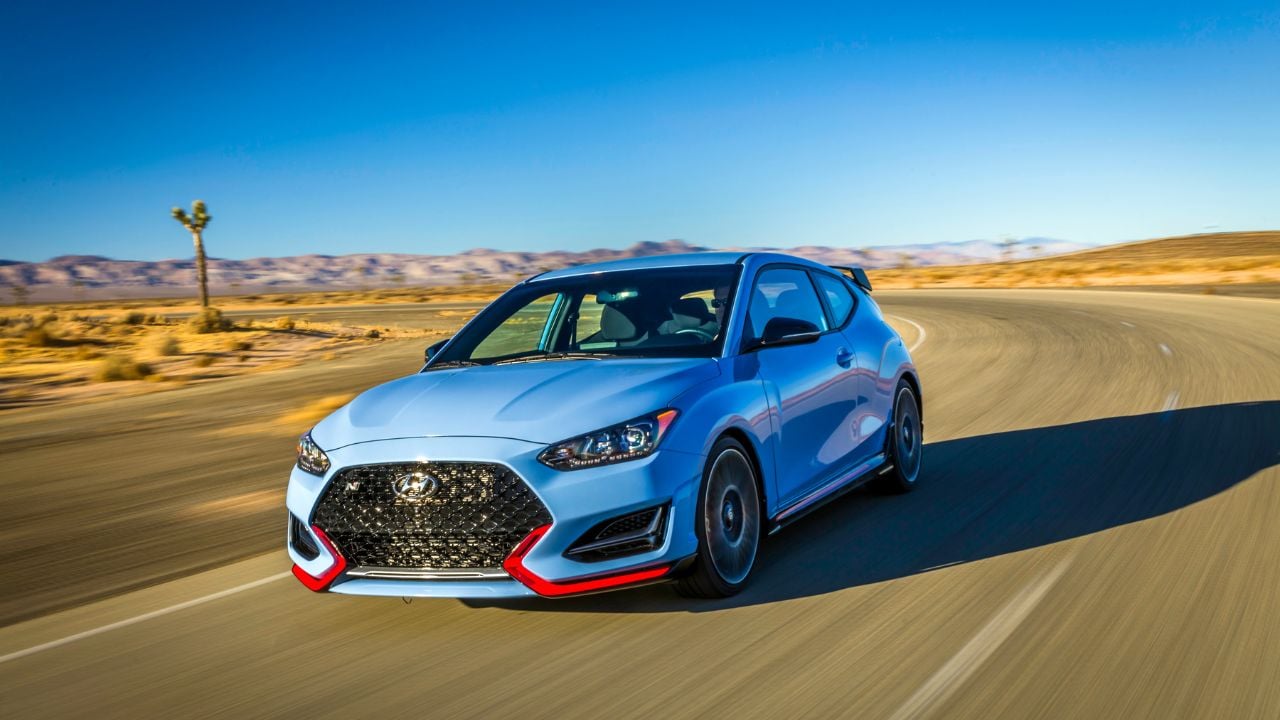
Cox Automotive estimates Hyundai Motor Group will post first-half sales growth of 3.1 percent compared with the same period last year. That performance increases the company’s U.S. market share to an estimated 11.7 percent, representing a gain of 0.7 percentage points.
Ford is moving in the opposite direction. The Blue Oval is projected to record a 10.3 percent decline in first-half sales, reducing its market share to approximately 12.6 percent.
General Motors remains the U.S. sales leader despite lower overall deliveries, while Toyota continues to close the gap in the race for the top position. Hyundai’s steady gains have added another competitive battle further down the rankings, with the company now within striking distance of Ford if current trends continue.
Product Strategy Driving Hyundai’s Momentum
Hyundai Motor Group’s recent success reflects several years of aggressive product development across its Hyundai, Kia, and Genesis brands. The company has expanded its lineup with new SUVs, hybrid models, electric vehicles, and premium offerings while maintaining competitive pricing in key market segments.
Several important launches are expected to support sales during the remainder of the year. Hyundai is preparing the next-generation Palisade and the all-electric Ioniq 9, while Genesis is expanding its luxury SUV portfolio with the upcoming GV90 electric SUV and GV80 Hybrid.
Kia also continues adding fresh products to its lineup, including the Carnival Hybrid, the K4 sedan, and the new K4 Hatchback, giving Hyundai Motor Group additional opportunities to attract buyers across multiple segments.
Ford Questions the Comparison
Ford has challenged the comparison used in the Cox Automotive analysis, arguing that Hyundai Motor Group’s sales figures combine Hyundai, Kia, and Genesis deliveries despite Kia operating as a separately traded company with its own management structure.
A Ford spokesperson noted that Kia reports its U.S. sales independently and suggested those numbers should not be grouped together when comparing manufacturers.
Cox Automotive, however, maintains that Hyundai Motor Group’s ownership structure justifies combining the three brands into a single corporate total. The research firm applies the same methodology to other automotive groups, including Ford and Lincoln, as well as General Motors’ portfolio of brands.
The Second Half Could Determine Third Place
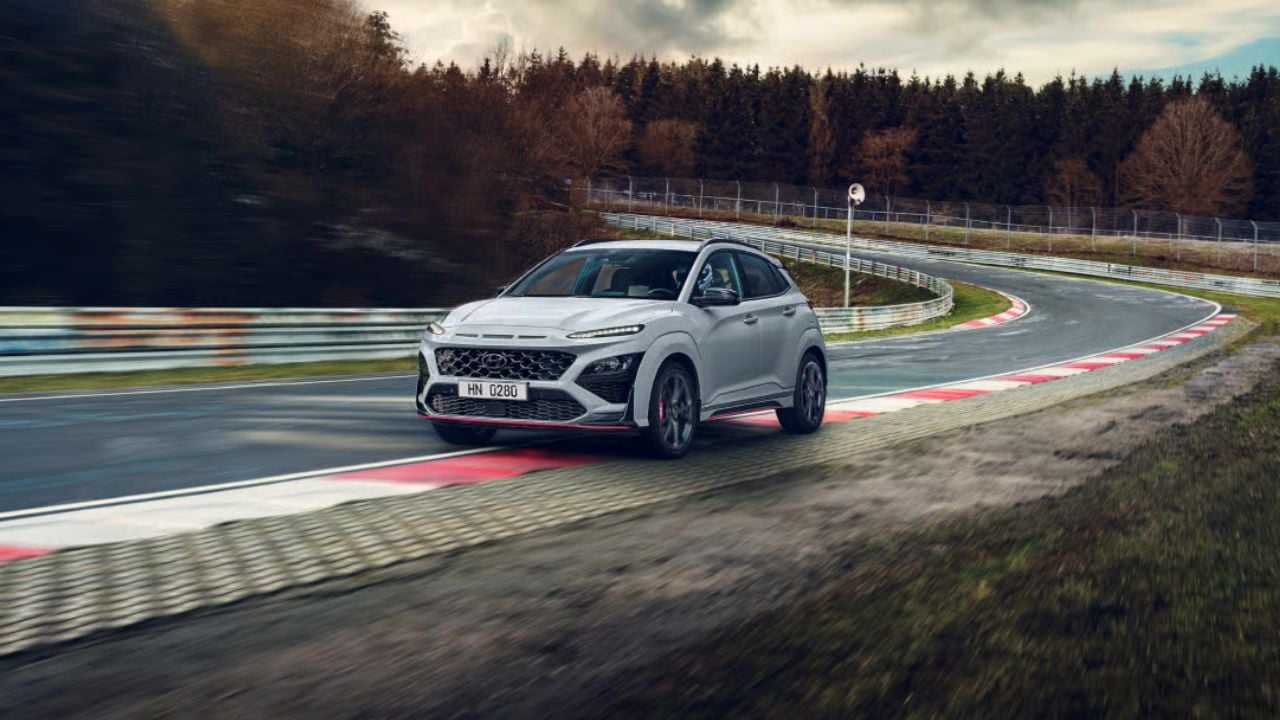
Much of the race will depend on product availability and consumer demand over the coming months. Hyundai enters the second half with a wave of new vehicles arriving in dealerships, while Ford continues relying on strong demand for its core truck and SUV lineup.
The F-Series remains Ford’s cornerstone, supported by the Super Duty, Explorer, Bronco, Bronco Sport, Mustang, and Lincoln’s expanding technology offerings, including BlueCruise hands-free driving.
Meanwhile, Cox Automotive expects the overall U.S. new-vehicle market to remain relatively steady despite economic headwinds. The firm continues forecasting full-year sales of approximately 15.8 million vehicles, suggesting the competition among the industry’s leading manufacturers could remain intense through the final months of 2026.
If current trends persist, Hyundai Motor Group could find itself within reach of one of the biggest milestones in its U.S. history. Whether the company ultimately overtakes Ford remains to be seen, but the narrowing sales gap highlights just how dramatically the competitive landscape has evolved over the past decade.