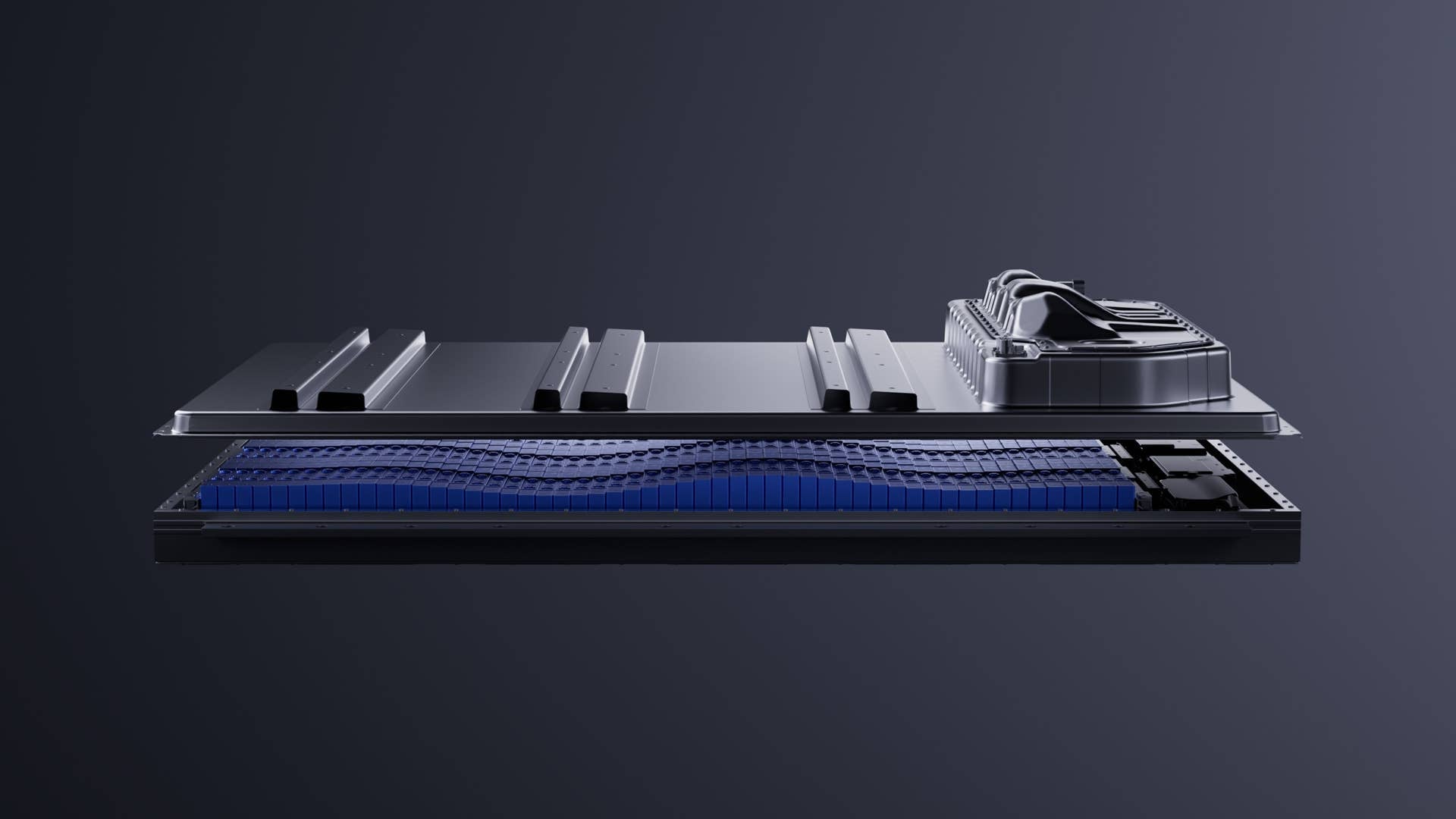
Ford is taking a major step toward making electric vehicles more affordable by beginning production of lithium iron phosphate (LFP) battery cells in the United States. The batteries will play a central role in the automaker’s upcoming compact electric pickup, which is expected to arrive in 2027 with a starting price of around $30,000.
The move marks an important milestone for Ford as it looks to compete in a growing segment of lower-cost EVs. While many manufacturers continue focusing on premium electric models, Ford believes affordability will be critical to attracting mainstream buyers.
Production of the new battery cells is underway at Ford’s BlueOval Battery Park in Michigan. The facility uses licensed battery and manufacturing technology from Chinese battery giant CATL, a partnership that has generated both industry attention and political debate.
Ford executives argue that the strategy provides a practical path toward building affordable electric vehicles while supporting domestic manufacturing jobs. The company says the batteries produced in Michigan will serve as the foundation for its next generation of electric products.
Michigan Plant Begins Battery Production
Ford recently confirmed that its Michigan battery facility has successfully produced its first full LFP battery cells. According to the company, this makes Ford the first automaker in the United States to manufacture and ship LFP batteries for mainstream automotive applications.
The project relies on technology licensed from CATL, one of the world’s largest battery manufacturers. While some critics have questioned the use of Chinese-developed technology, Ford maintains that the partnership allows it to accelerate production while keeping manufacturing operations in America.
Company leaders have repeatedly defended the decision, emphasizing that the long-term goal is to lower EV costs and create stable manufacturing jobs. Ford believes the investment will help strengthen its position as competition intensifies across the electric vehicle market.
Why Ford Is Betting On LFP Technology
LFP batteries have become increasingly popular because they offer several advantages over traditional nickel-based battery chemistries. They are generally less expensive to manufacture, use fewer costly raw materials, and are known for durability and long service life.
Ford also says the prismatic battery cells being produced in Michigan are lighter and more compact than some alternatives. That packaging efficiency allows engineers to maximize cabin space while reducing overall vehicle costs.
Safety is another factor driving adoption. LFP batteries are widely regarded as more resistant to thermal issues, making them an attractive choice for high-volume electric vehicles designed for everyday consumers.
The Truck That Could Change Ford’s EV Strategy

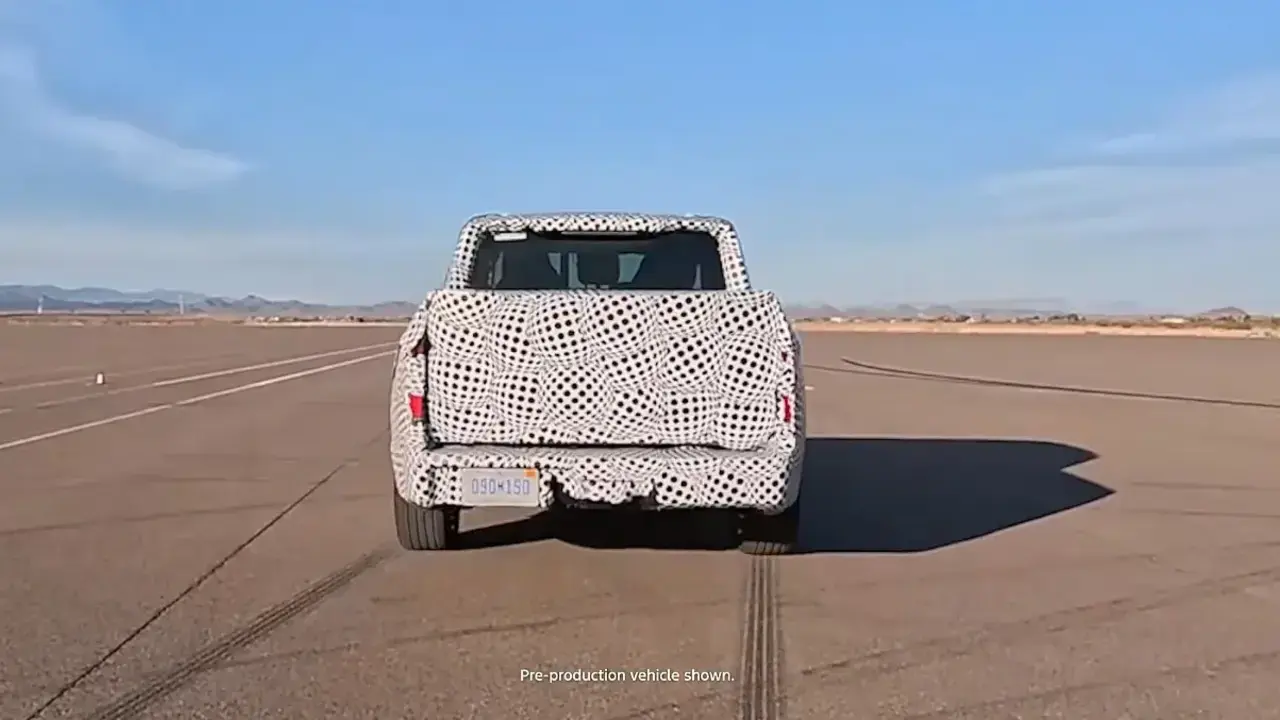
The upcoming compact electric pickup will be the first vehicle built on Ford’s new Universal Electric Vehicle platform. The architecture has been designed with affordability and efficiency in mind, allowing Ford to develop multiple products from a common foundation.
Recent prototype sightings have generated growing interest among consumers. Camouflaged test vehicles have been spotted on public roads, offering an early glimpse at what could become one of Ford’s most important electric launches.
Ford plans to build the truck at its Louisville Assembly Plant in Kentucky. Customer deliveries are expected to begin shortly after production starts in 2027.
Aiming For Mainstream EV Buyers
Affordability remains one of the biggest challenges facing electric vehicle adoption in North America. While EV technology continues to improve, many buyers remain priced out of the market due to high purchase costs.
Ford hopes its compact pickup can address that problem by offering practical utility at a significantly lower price than many existing electric trucks. The company believes the combination of domestic manufacturing and lower-cost battery technology will help make that goal achievable.
Executives have suggested the truck could deliver lower ownership costs than many competing electric vehicles. If Ford succeeds in meeting its pricing targets, the model could attract buyers who have been waiting for a more affordable entry point into EV ownership.
A Crucial Test For Ford’s Future
The success of Ford’s new battery strategy will ultimately depend on whether consumers embrace the company’s next generation of affordable EVs. The compact pickup is expected to serve as a key test of that approach when it reaches dealerships.
Competition is growing rapidly as automakers search for ways to lower costs and expand electric vehicle adoption. Several manufacturers are exploring LFP technology, but Ford is positioning itself among the first to produce the batteries domestically for mainstream use.
If the company can deliver a practical electric truck at the promised price point, it could significantly expand the appeal of EVs beyond early adopters. For Ford, the Michigan-built batteries may prove just as important as the truck they are designed to power.