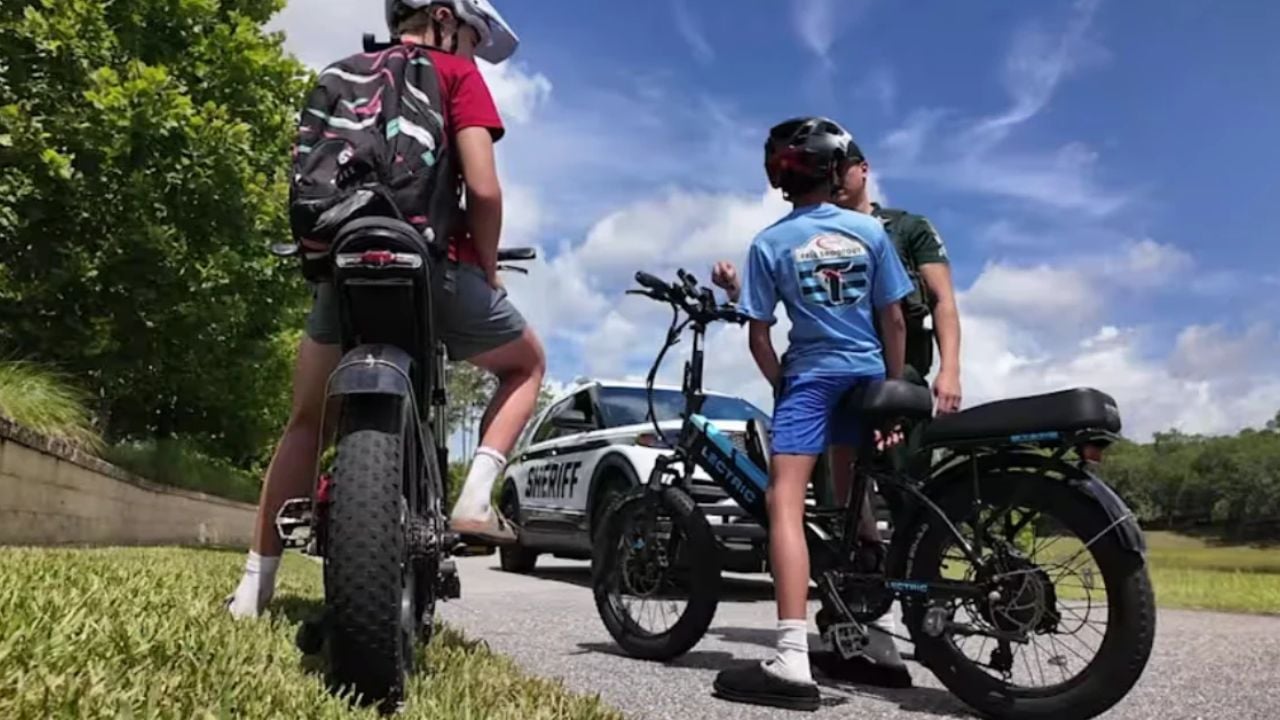
Florida may be on the verge of becoming one of the more assertive states in the country when it comes to regulating electric bicycles on shared paths and sidewalks. A bill sitting on Governor Ron DeSantis’s desk could change the rules of the road, or rather, the sidewalk, for e-bike riders across the state as soon as next month. If signed, SB 382 would take effect July 1, giving riders and municipalities very little runway to adjust.
The bill was filed back in November by state Senator Keith Truenow, a Republican from Tavares, and cleared the Florida Legislature in March, according to New 4 JAX. It sat quietly in the pipeline until this week, when it was formally presented to the governor for his signature. The timing is tight, which is part of what makes this story worth watching.
For anyone who has nearly been clipped by a silent, fast-moving e-bike while walking a trail or crossing a parking lot entrance, the premise of the legislation will feel overdue. For riders, the new limits represent the state drawing a line it had largely left undefined. Either way, the e-bike free-for-all on Florida’s sidewalks may be coming to an end.
Florida’s warm climate and flat terrain have made it a natural growth market for e-bikes, and the state has no shortage of shared pedestrian paths, beach boardwalks, and multi-use trails where these machines operate alongside foot traffic. That context is exactly why the legislature moved on this, and why other states will likely be watching closely.
What SB 382 Actually Does
The centerpiece of the bill is a 10 mph speed cap for e-bike riders on sidewalks and shared paths when pedestrians are within 50 feet.
Riders who ignore the rule face a $30 fine. It is a modest financial penalty, but the cap itself establishes a clear legal standard where none existed before.
A Task Force Gets Added to the Mix
SB 382 also creates a Micromobility Device Safety Task Force, which will be charged with recommending further changes to state law around public safety for e-bikes and similar devices.
Task forces have a mixed track record when it comes to producing actionable results, but the fact that one is being formed suggests lawmakers recognize the current legal framework is not built for the micromobility era.
Crash Tracking Becomes Mandatory
One of the quieter but more significant provisions requires law enforcement to begin formally tracking crashes involving e-bikes and other micromobility devices. Right now, that data is largely absent, which makes it difficult to assess how serious the safety problem actually is at a statewide level.
Consistent crash data will eventually give policymakers and researchers something concrete to work with.
The License Requirement That Did Not Make the Cut
An earlier version of SB 382 included a provision that would have required a driver’s license to operate a Class 3 e-bike, which can reach speeds of up to 28 mph under motor power. That provision was stripped before the bill advanced. Whether it resurfaces in future legislation remains to be seen, but its removal signals that the legislature was not ready to go that far, at least not yet.
With DeSantis’s signature still pending, Florida riders have a few weeks of uncertainty ahead. If he signs it, July 1 becomes the effective date, and a new chapter in e-bike regulation begins.