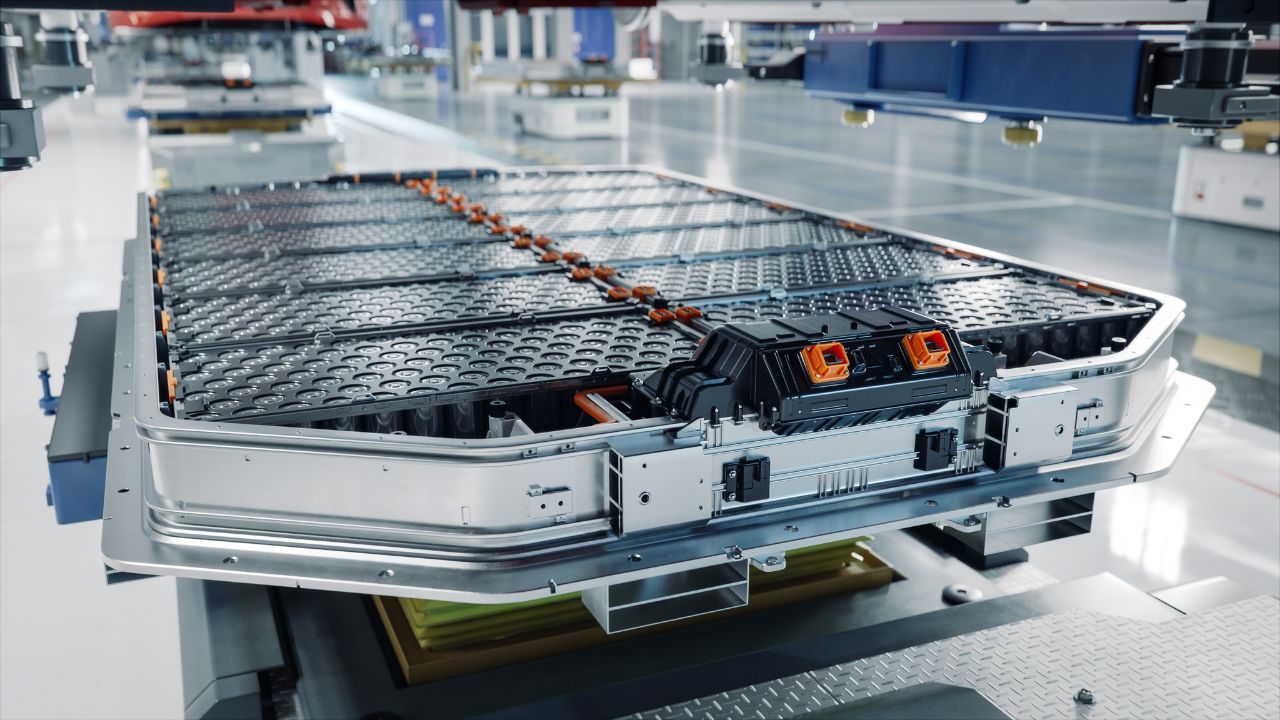
Electric vehicle battery recycling has been one of the most heavily discussed topics in the automotive industry over the last several years. Automakers, suppliers, and startups have all promised cleaner supply chains and reduced dependence on newly mined raw materials, though turning those promises into functioning systems has proven far more complicated.
Colorado may have just changed that. The state recently signed a sweeping new law designed to regulate how electric vehicle batteries are collected, reused, repurposed, and recycled once they reach the end of their usable automotive life.
Known as the Promoting Responsible End-of-Life Management of Electric Vehicle Batteries Act, the legislation is being described as the first law of its kind in the United States. Rather than simply encouraging recycling efforts, the measure places direct responsibility on automakers while also establishing strict reporting requirements and material recovery targets.
The result is a policy framework that could dramatically influence how EV batteries are handled nationwide over the coming decade. Industry experts and environmental groups alike are already pointing to Colorado’s approach as a potential model for other states.
Automakers Will Be Responsible For Old Batteries

One of the biggest changes introduced by the law is the use of extended producer responsibility rules. Under the legislation, automakers must arrange for the collection, reuse, repurposing, or recycling of EV batteries once they are no longer wanted by owners, dismantlers, mechanics, or scrapyards.
That means if an electric vehicle eventually ends up at a salvage yard, the manufacturer will be required to take responsibility for the battery pack at no cost to the end user. Owners can still keep batteries if they choose, though the law aims to prevent abandoned or improperly disposed packs from slipping through the cracks.
Supporters argue that this centralized system creates accountability while also improving safety. Damaged or poorly stored lithium-ion batteries can pose serious fire risks, especially if they are left sitting in junkyards or storage facilities without proper oversight.
The law also recognizes that not every battery immediately needs to be recycled. Some packs may still have enough usable capacity for second-life applications such as stationary energy storage systems.
Strict Material Recovery Targets
Colorado’s legislation does not simply require recycling to happen. It also sets measurable standards for how much material recyclers must recover from used battery packs.
Under the law, recyclers must recover 90 percent of nickel and cobalt from batteries, along with 50 percent of lithium at the intermediate “black mass” stage. The lithium recovery requirement later rises to 80 percent beginning in 2031.
Environmental groups say these thresholds are important because they effectively discourage the use of smelting-based recycling methods. Smelting can recover fewer valuable materials while generating higher emissions compared to newer recycling techniques.
The broader goal is to reduce future dependence on newly mined minerals. Researchers estimate that expanded recycling efforts could eventually provide a substantial portion of the lithium needed for future EV production in the United States.
Battery Labels And Health Tracking Become Mandatory

The legislation also introduces new transparency requirements aimed at improving battery reuse and recycling efficiency. Future EV batteries sold in Colorado will need to include standardized labeling with information such as chemistry, capacity, hazardous materials, and recall details.
Battery health information must also be accessible to approved third parties while the battery remains installed in the vehicle. That data can help recyclers and refurbishers determine whether a battery should be reused, repurposed, or fully recycled.
Supporters believe this could improve the economics of battery recovery while reducing unnecessary waste. A battery pack that no longer meets automotive performance standards may still retain enough capacity for backup power storage or grid support applications.
Automakers will additionally be required to report detailed collection and recycling information to the state. That includes how many batteries are collected, how materials are recovered, and what percentage of batteries are reused versus recycled.
Colorado Moves Ahead While Other States Stall
Colorado’s move stands out because similar legislation has struggled elsewhere in the United States. California previously considered a comparable bill known as Senate Bill 615, though the measure was ultimately vetoed despite passing through the state legislature.
Battery recycling proposals have also failed in states including Florida, Massachusetts, Nevada, New Mexico, and Washington. With little momentum currently visible at the federal level, Colorado has effectively become the first state to establish a comprehensive EV battery recycling framework.
Industry organizations appear increasingly supportive of that direction. The Alliance for Automotive Innovation, which represents many major automakers, backed Colorado’s legislation and highlighted the importance of recovering critical minerals domestically.
For the automotive industry, the timing is important. Large-scale battery recycling depends on having enough used packs available to make the business viable, and EV adoption rates will heavily influence how quickly that happens. Colorado’s law aims to ensure those batteries are collected responsibly rather than lost to poor disposal practices or fragmented recycling systems.
Whether other states now follow Colorado’s lead could play a major role in shaping the future sustainability of electric vehicle manufacturing in America.