Volkswagen’s sweeping restructuring efforts are reportedly about to intensify dramatically. According to reports ahead of the company’s upcoming annual general meeting, the automaker plans to eliminate roughly 19,000 jobs by the end of 2026 as part of a broader cost-cutting strategy aimed at stabilizing its struggling core business.
The planned reductions are only one piece of a much larger restructuring effort already underway inside Germany’s largest automaker. Volkswagen has reportedly agreed to more than 28,000 total job cuts by 2030, while simultaneously reducing factory capacity, lowering wage expenses, and streamlining operations across Europe.
For Volkswagen, the pressure has been building for years. The company continues to absorb the financial aftershocks of Dieselgate while also spending heavily on electric vehicle development during a period of slowing global demand and shrinking margins.
Despite selling close to one million EVs last year, Volkswagen’s profitability has remained under significant strain. Now the company appears determined to aggressively shrink costs before its financial challenges grow even larger.
Volkswagen’s Sales Decline Created A Massive Capacity Problem
Part of Volkswagen’s problem comes down to simple math. The company built its manufacturing footprint around far higher sales volumes than it currently achieves.
In 2019, the Volkswagen brand alone sold approximately 6.3 million vehicles globally, while the broader Volkswagen Group delivered nearly 11 million vehicles across all brands. By 2025, those numbers had fallen substantially, with Volkswagen moving roughly 4.7 million vehicles and the group selling about 8.9 million units overall.
That decline leaves Volkswagen with millions of units worth of excess production capacity. Even as the company pushes aggressively into electric vehicles, demand has not developed quickly enough to offset falling sales of gasoline and diesel-powered models.
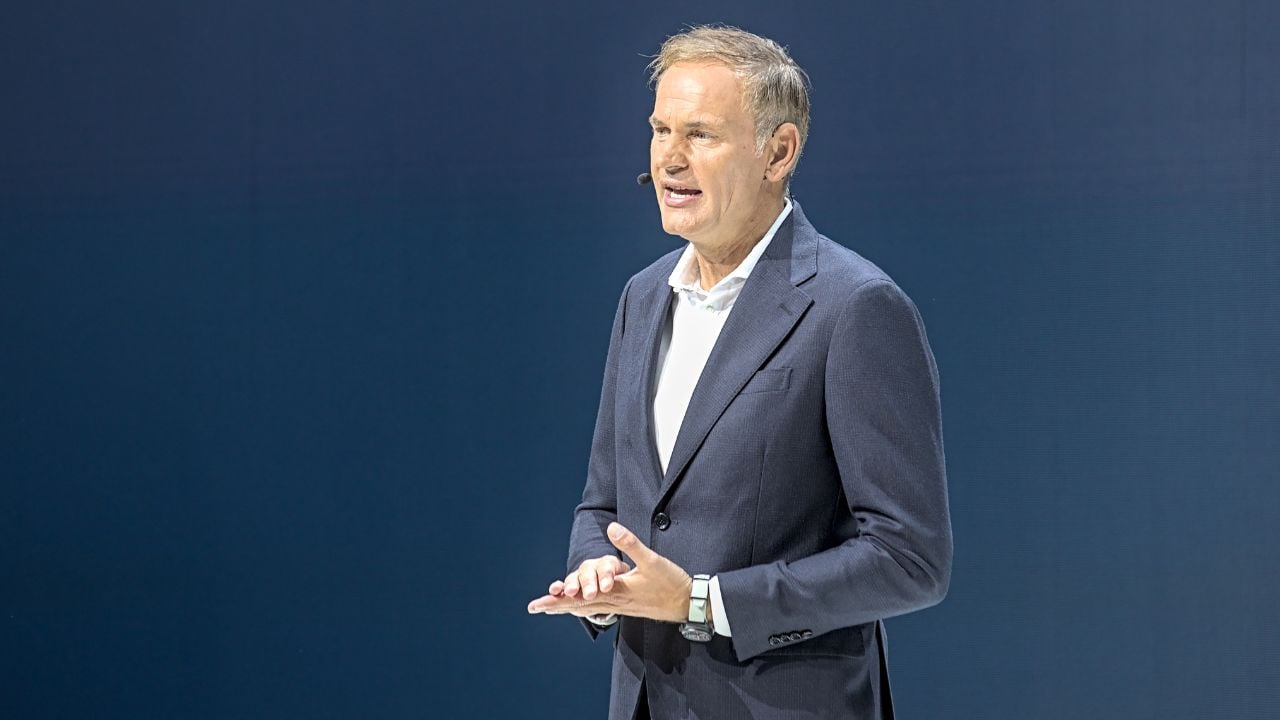
Volkswagen executives have already acknowledged the issue publicly. Earlier this year, CEO Oliver Blume said the group planned to reduce annual production capacity by another one million vehicles, bringing overall output closer to current demand levels.
Thousands Of Jobs Could Disappear Before 2030
According to reports tied to Blume’s upcoming shareholder presentation, Volkswagen expects approximately 19,000 positions to disappear by the end of this year alone. The broader restructuring effort could eventually surpass 28,000 cuts before the decade ends.
Previous statements from Volkswagen suggested the company may ultimately reduce its German workforce by as many as 50,000 employees by 2030. Many of those reductions are expected to come through retirements and non-union positions rather than direct layoffs.
Even so, the scale of the cuts highlights how serious Volkswagen’s financial concerns have become. Before the restructuring began, the company employed roughly 120,000 workers in Germany.
Volkswagen has also started shifting production operations to lower-cost facilities outside Germany. One example already underway involves moving production of the Volkswagen Golf from Wolfsburg to Puebla, Mexico.
EV Investment And Profit Pressure Continue To Clash
The restructuring reflects a broader challenge facing many traditional automakers attempting to transition into the EV era. Volkswagen has invested enormous sums into battery technology, software development, and new electric platforms while simultaneously seeing profits tighten.
Although the company achieved one of its major EV volume goals by delivering nearly one million electric vehicles last year, profitability remains weaker than expected. Reports suggest Volkswagen generated roughly €5 billion in automotive profits, a figure many companies would consider impressive but one Volkswagen reportedly views as deeply disappointing relative to its scale.
At the same time, tariff pressures, slowing global demand, and intense competition from Chinese EV manufacturers continue squeezing margins even further.
The concern among analysts and industry observers is whether aggressive cost-cutting can continue without eventually affecting product quality, development speed, or long-term competitiveness.
Labor Tensions Could Become The Next Major Battle
Volkswagen’s restructuring plans may also create further tension with labor unions inside Germany. The company previously reached an agreement with powerful union group IG Metall aimed at limiting plant closures and stabilizing employment through 2030.
That deal reportedly generated annual savings of roughly €1.5 billion while helping Volkswagen pursue broader long-term cost reductions totaling around €15 billion per year.
Still, additional factory closures or deeper staffing cuts could quickly reignite conflict between management and labor representatives. Volkswagen’s German workforce remains one of the company’s most politically sensitive issues, particularly as manufacturing shifts toward EVs and global production becomes increasingly decentralized.
For now, Volkswagen insists the restructuring is necessary to restore competitiveness and profitability. The challenge will be proving the company can cut deeply enough to improve its finances without damaging the engineering, quality, and brand reputation that helped make Volkswagen one of the world’s largest automakers in the first place.