Nissan is giving the Z a meaningful refresh for 2027, though the updates go far deeper than a simple facelift. The latest version of the iconic sports car arrives with a collection of carefully chosen design details that pay tribute to nearly six decades of Z history while also delivering several welcome performance upgrades underneath.
Expected to arrive in dealerships later this summer, the revised Z introduces new styling cues inspired by multiple generations of the nameplate. From the reshaped front grille to fresh wheel designs and even a nostalgic startup animation inside the digital instrument cluster, Nissan’s design team appears focused on rewarding longtime enthusiasts who know the Z lineage inside and out.
Importantly, the changes do not feel forced or overly sentimental. Nissan says the updates were intentionally designed to reference specific moments in Z history rather than simply leaning on nostalgia for marketing purposes.
The result is a refresh that feels authentic to the car’s identity. At a time when many modern sports cars are losing personality or disappearing entirely, the 2027 Z doubles down on the qualities that helped make the badge famous in the first place.
The Front End Now Looks More Like The Original 240Z
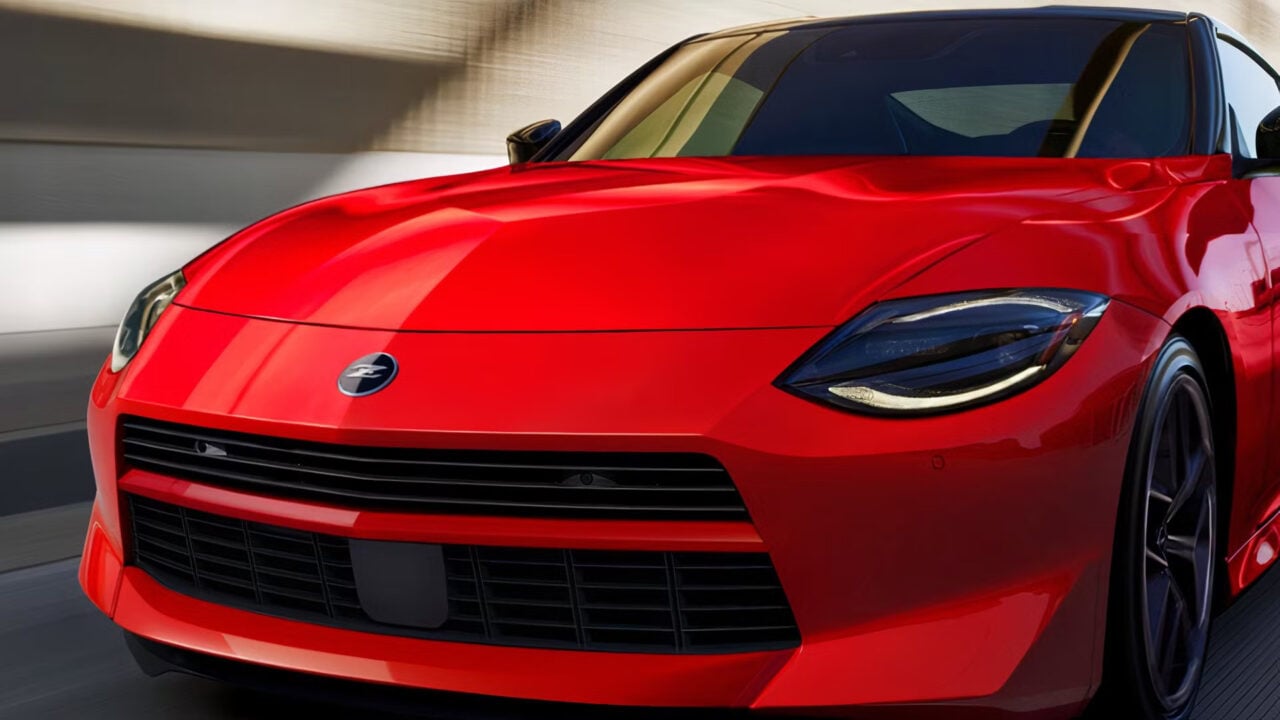
The most noticeable visual change appears at the front of the car. Nissan has redesigned the grille by adding a horizontal divider through the center opening, giving the nose a much closer resemblance to the original S30-generation 240Z from the early 1970s.
The current-generation Z originally launched with a large rectangular grille opening that prioritized cooling performance, though some enthusiasts criticized the design for lacking the elegance of earlier Z cars. Nissan says engineers were able to preserve the necessary airflow while refining the shape to create a stronger historical connection.
Another subtle but important detail is the removal of the traditional Nissan badge from the nose. In its place sits a standalone “Z” emblem, mirroring several earlier generations including the S30, Z31, and Z32.
The updates may seem minor on paper, though longtime Z fans will likely appreciate just how specific the references are.
New Wheels And A Classic Green Paint Color
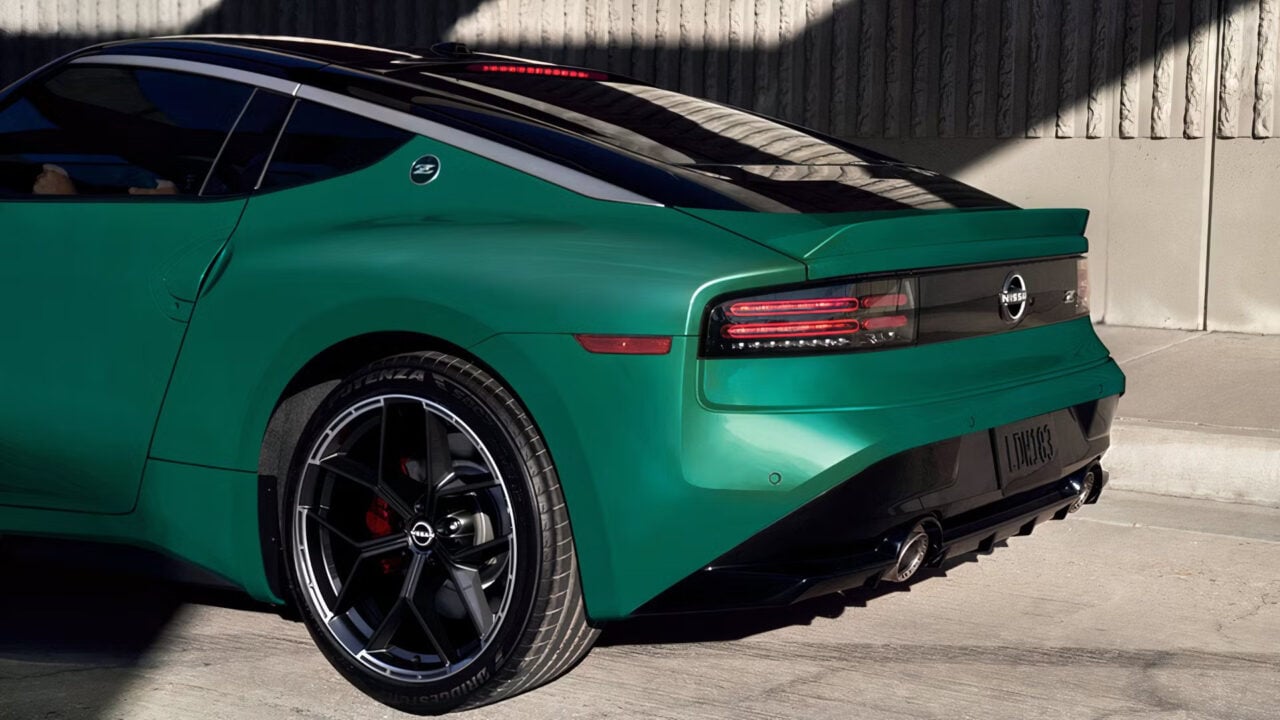
Performance-grade models receive newly designed 19-inch RAYS alloy wheels inspired by the star-pattern wheels offered on the Z31-generation 300ZX during the 1980s. The thinner spoke design also helps expose the larger brake hardware behind them, adding a more aggressive motorsport look.
Nissan is also introducing a new exterior color called Shinkai Green Pearl Metallic. The shade directly references the original Grand Prix Green available on early 240Z models, though the modern paint formula was engineered to better resist fading over time.
According to Nissan, engineers developed the finish using ultra-fine yellow and blue pigments combined with metallic flake elements to preserve depth and durability under prolonged sun exposure.
The green paint paired with the available tan interior creates one of the most retro-inspired combinations in the refreshed lineup. It also happens to look fantastic.
The Interior Pays Tribute To Earlier Generations
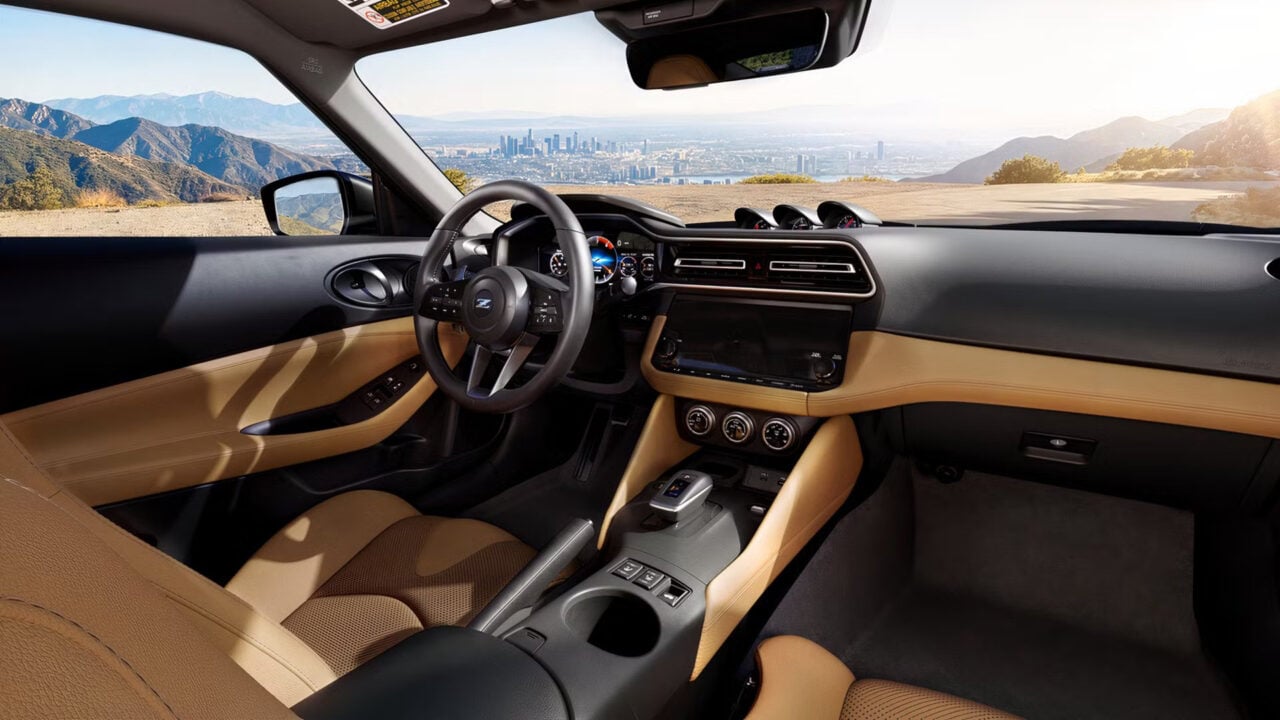
Inside, Nissan continues the heritage theme with a new caramel tan interior option available on Z Performance models. The color combination intentionally echoes the warm two-tone cabins found in early S30-generation cars.
The updated cabin avoids becoming overly retro, however. Black upper dashboard materials keep the interior looking modern while allowing the tan upholstery to stand out without overwhelming the space.
Drivers will also notice a new startup animation displayed within the fully digital gauge cluster. When the car powers on, the screen cycles through all seven generations of the Z before settling into the normal instrument display.
It is a small detail, though one that demonstrates how much attention Nissan paid to the emotional side of the ownership experience. Enthusiasts who grew up around older Z cars will almost certainly appreciate it.
Performance Upgrades
The refresh is not purely cosmetic. Nissan has also introduced several mechanical improvements aimed at sharpening the driving experience.
Performance models receive larger-diameter shock absorbers intended to improve body control and stability during spirited driving. Nissan appears to have focused on targeted chassis refinements rather than dramatically altering the car’s character.
Perhaps the biggest news for purists is the arrival of a new manual transmission option for the Z NISMO. Until now, the high-performance version was available exclusively with an automatic gearbox, a decision that frustrated many longtime enthusiasts.
The addition of a manual finally aligns the NISMO model with what many buyers expected from the beginning. Combined with the updated suspension tuning and retro-inspired design touches, the 2027 Z feels less like a routine mid-cycle refresh and more like Nissan reaffirming what the Z badge is supposed to represent.