The electric car versus internal combustion engine (ICE) car debate still rages on, even in 2026, a year that has been pushing motorists to consider other fuel options, given the rising fuel prices due to the war with Iran.
Fuel prices have exceeded $5.50 in many states, prompting people to consider EVs or hybrids. However, many argue that fuel prices will not remain this high permanently, and that a spike in EV ownership would increase the load on the electrical grid.
Not only that, many argue that EV batteries are made from rare earth materials, which are non-renewable, and the batteries themselves are expensive to replace.
This, along with environmental norms for car manufacturers, puts them in a tricky situation regarding EVs because the demand was just not there until the recent past.
Now though, with rising EV popularity, those who once questioned the future of EVs are considering trying them out, leaving Toyota Chairman Akio Toyoda in a lonely spot, because he has long advocated for ICE cars.
Toyoda Feels ICE Car Supporters Are Decreasing in Number
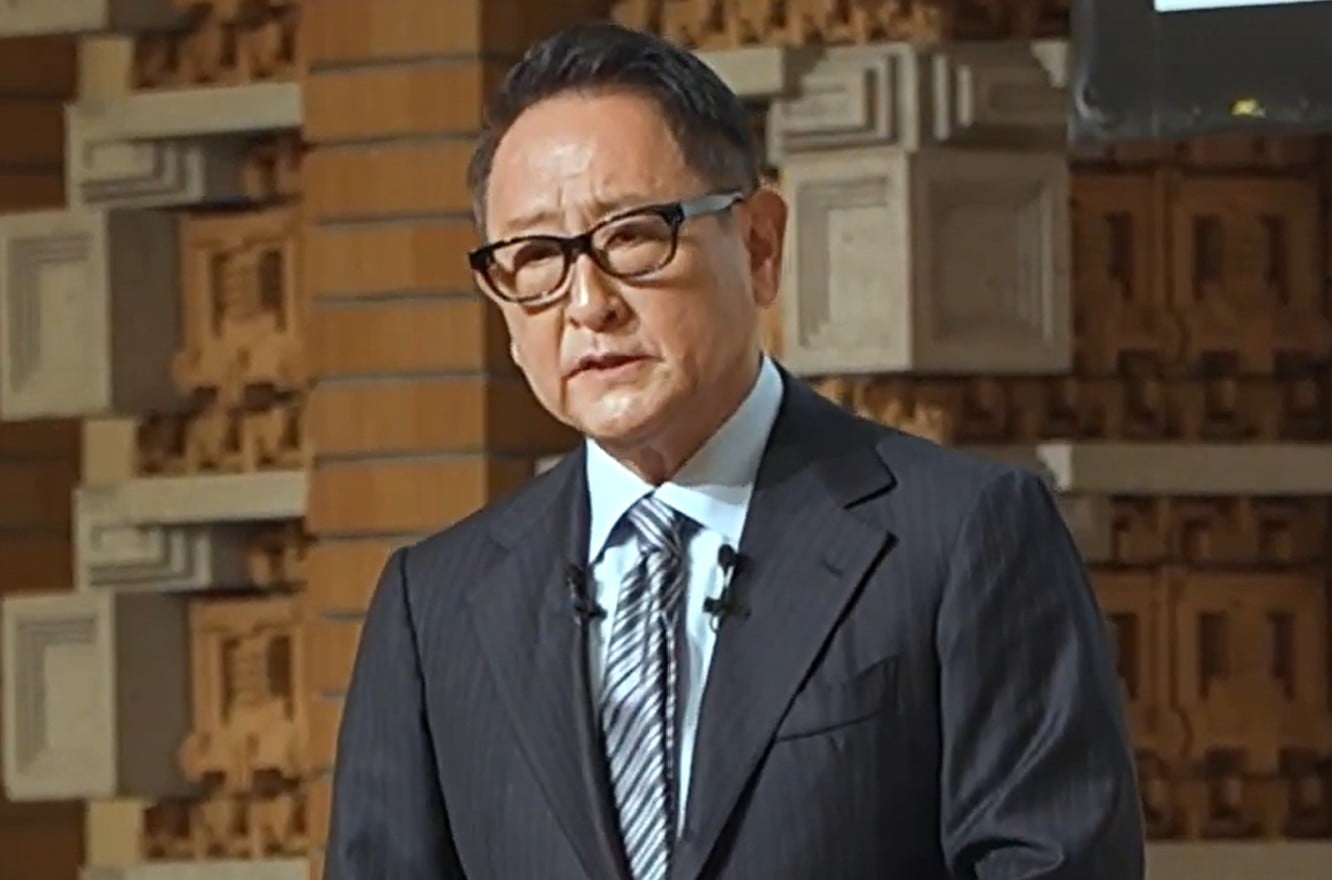
Toyoda has maintained the same stance for years, but he found that the number of people rooting for ICE-powered cars has dropped significantly as many manufacturers have embraced EVs over the past few years.
The chairman said a few months ago that the world was not ready for EVs because many regions still rely entirely on fossil fuels for mobility and lack adequate charging infrastructure.
On the other hand, there are countries ready to fully embrace EVs and cut their reliance on ICE-powered cars, and the conversion is already happening rather quickly.
Toyoda revealed his fear as he witnessed people and manufacturers accept the EV route with open arms. Speaking in an interview with CarWow, he said:
“Everybody is shifting to BEVs [battery electric vehicles], this is the biggest fear for me. Three or four years ago, I was the only one to say to the media that I love smell, I love sound and I love engines, and I want to keep the jobs for engine suppliers.
“But it seems to me that I’m the only one. I feel very alone.”
Toyoda’s statement suggests he is concerned about the broader industry that supports the production of ICE vehicles. He added that carbon-neutral cars don’t excite him, and that he would have ICE-powered cars in his garage:
“The automobile is my toy. I want to make the car which I want to keep in my garage. If I have to make only carbon neutral cars, it’s not exciting.”
What Does the Car Industry Suggest?
If you consider the offerings of most car manufacturers today, the majority of their lineups consist of ICE-powered cars. At this stage, with the Strait of Hormuz blockade and a looming scarcity of certain oils and fuels, the car industry does seem like it is in two minds.
On one hand, there are brands like Honda, Lamborghini, and Porsche that have reversed their EV strategies and are now focusing on ICE-powered and hybrid cars, while brands like Volkswagen, Nissan, and Infiniti have scaled back on their EV strategies by reducing their offerings.
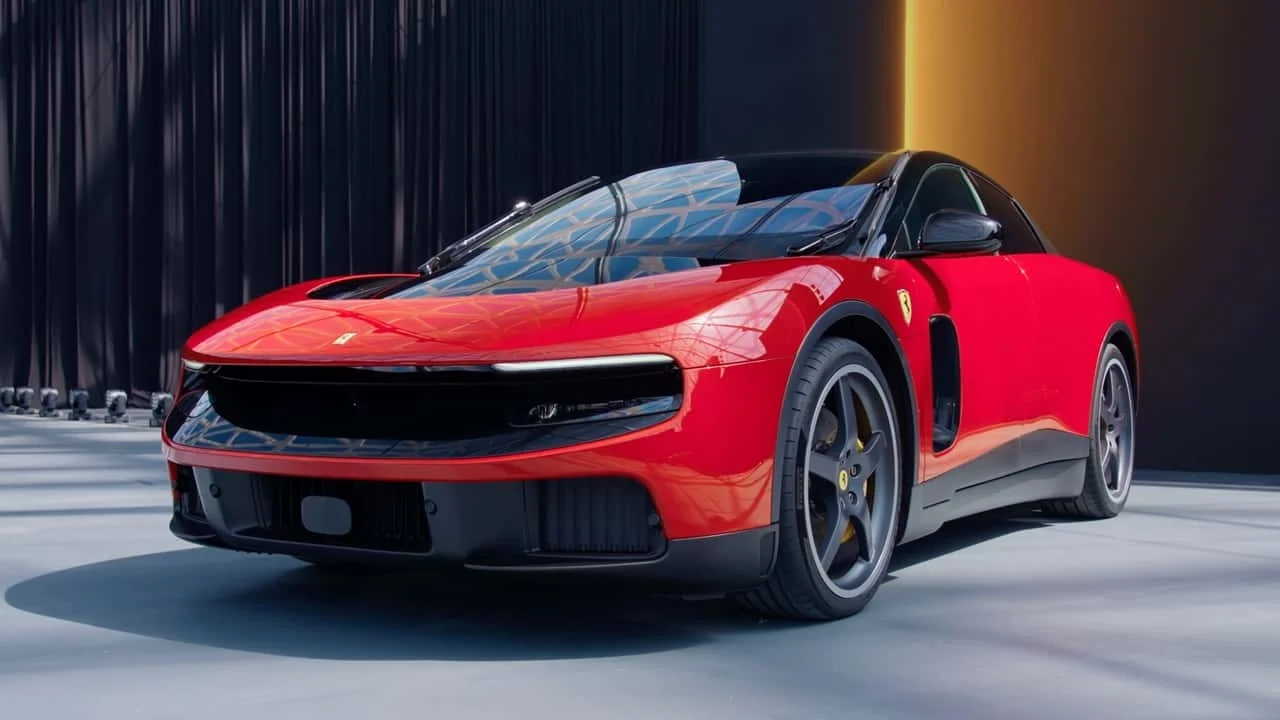
On the other hand, Ferrari went against its own tradition by developing its first all-electric car, the Luce, and experimented with a design philosophy that makes it look like no other Ferrari that has been built before.
Mercedes also acknowledged recently that it was going to continue producing EV and ICE cars before eventually committing to whichever powertrain proves most viable in the future.
The contrast highlights that car manufacturers are still experimenting with what works for them while anticipating the future because, quite clearly, the low demand for EVs resulted in significant losses for many manufacturers.
Considering the ongoing geopolitical scenario, EVs could stand a chance, though it would still be too early to say.