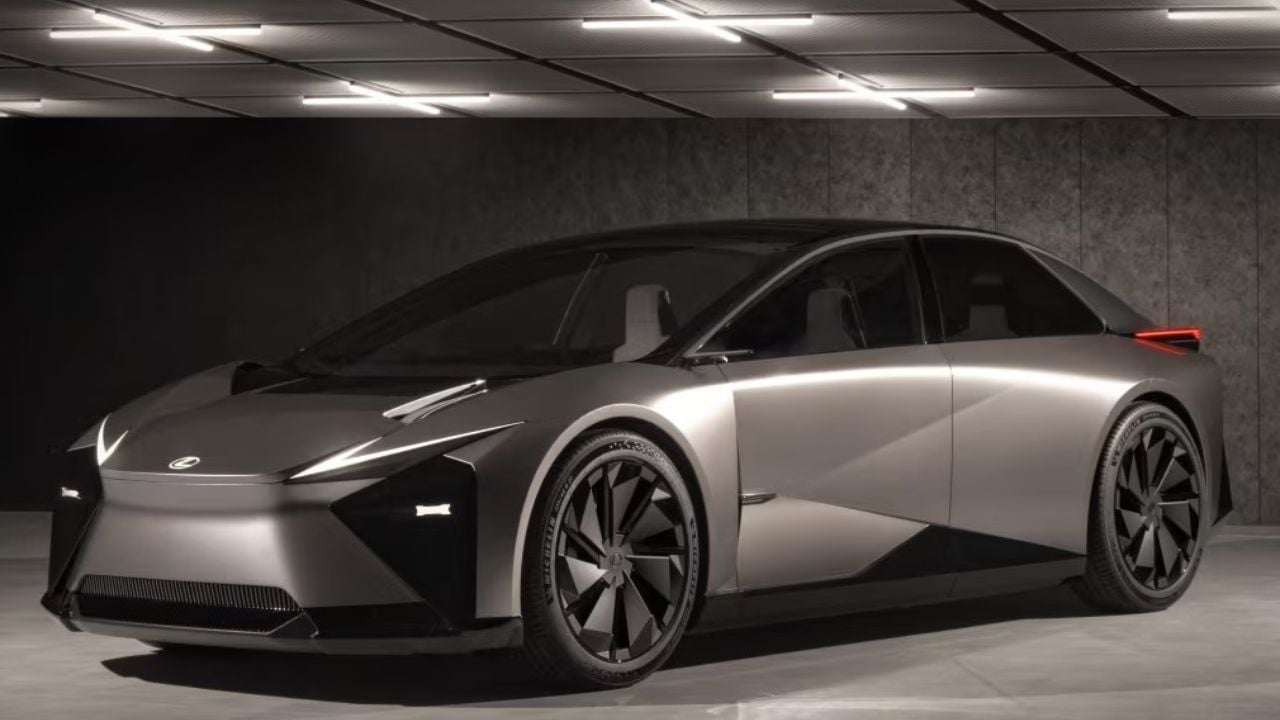
The full electrification strategy that seemed almost inevitable only a few years ago is now facing more delays and revisions across the auto industry. The latest example comes from Lexus.
Toyota’s luxury brand has reportedly stopped development of the production version of the LF-ZC, one of its most important electric concepts from recent years. The decision shows how much the EV market has changed since the early part of the decade.
When Lexus revealed the LF-ZC at the 2023 Japan Mobility Show, the sleek electric sedan was presented as a preview of the brand’s next generation of battery-powered vehicles.
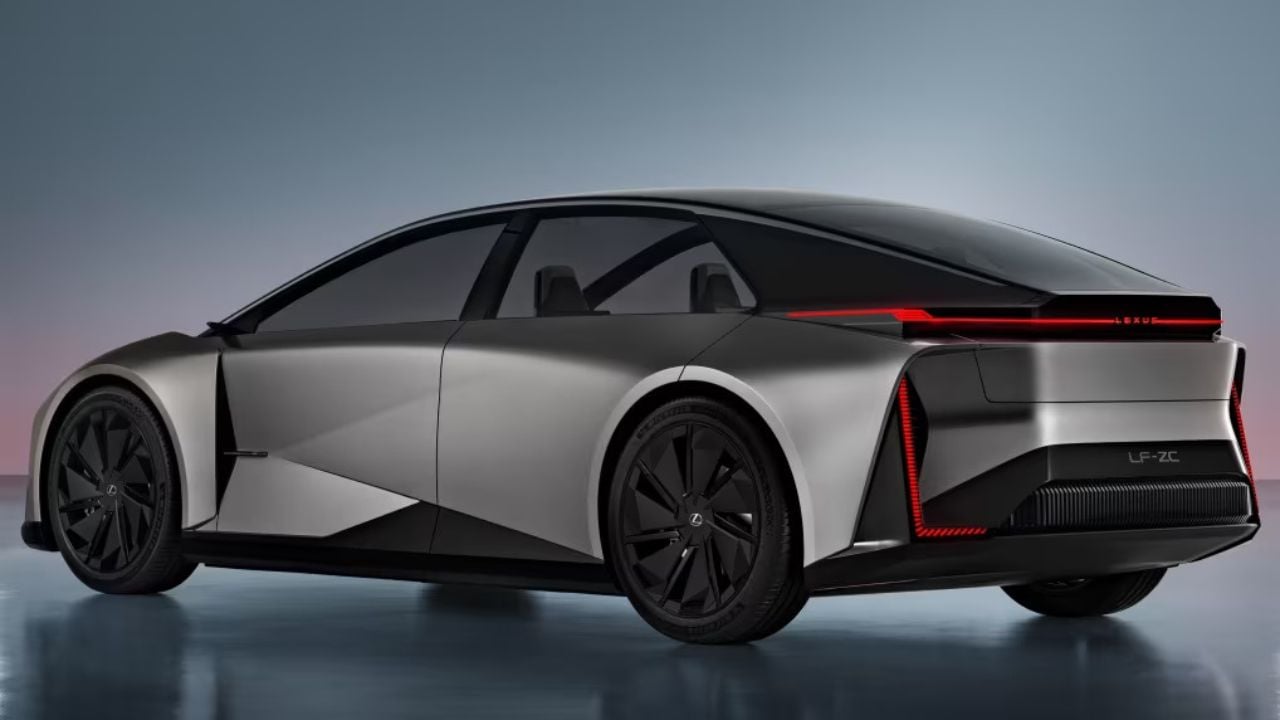
It was expected to reach production around 2026 with advanced battery technology, a new electric platform, and major manufacturing changes. That plan is now off the table.
The LF-ZC Was Meant To Lead A New EV Generation
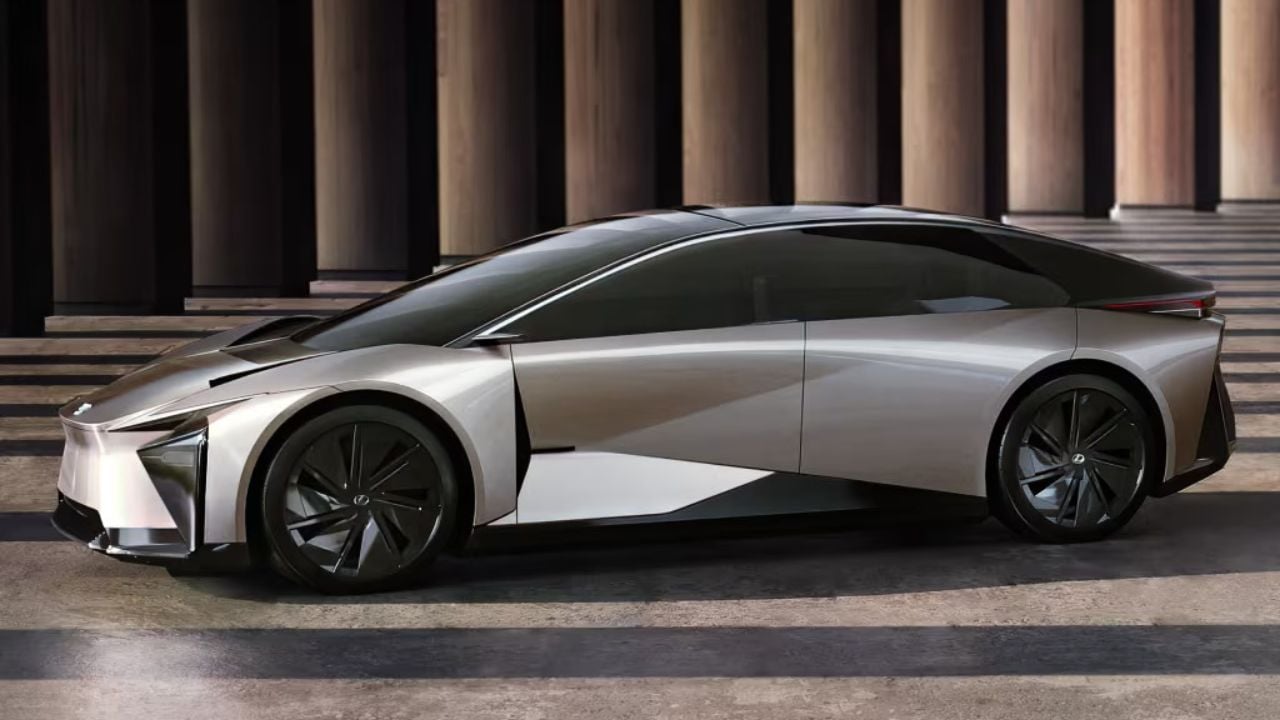
The LF-ZC was not designed as a small side project. Lexus presented it as a technology flagship that would show where its future electric models were heading.
The concept promised a new kind of packaging, a lower and more aerodynamic body, advanced software, and a stronger focus on electric driving character. It was also expected to use a new EV architecture developed with future battery technology in mind.
That made the cancellation especially significant. Lexus is not only shelving one sedan but also delaying one of the clearest symbols of its next-generation EV strategy.
The LF-ZC will now remain a concept rather than a production model. Some of its ideas may still appear later, but likely through different vehicles and more flexible development programs.
Market Reality Has Changed The Plan
The EV market has become more complicated than many optimistic forecasts suggested. Battery-electric sales are still growing in some regions, but the pace has slowed in several important markets.
At the same time, automakers are dealing with high development costs, expensive battery technology, pricing pressure, and tougher profitability targets. Dedicated EV platforms are especially costly when demand is uncertain.
Toyota and Lexus are adjusting to that reality. The decision to stop the LF-ZC program came after a review of demand, development resources, and production planning.
That does not mean Lexus is walking away from electric vehicles. It means the company is becoming more selective about which EV projects make financial and strategic sense.
The TZ Shows A Different Kind Of EV Strategy
The cancellation comes shortly after Lexus unveiled the new TZ, a three-row electric SUV. Unlike the LF-ZC, the TZ uses a TNGA-based architecture that can be shared more efficiently across Toyota and Lexus products.
That difference is important. The TZ gives Lexus an electric model in a popular family SUV segment without relying on the same kind of expensive stand-alone EV project that the LF-ZC represented.
The TZ is also a more practical fit for current demand. Three-row SUVs remain important in markets such as North America, where premium family vehicles can command stronger prices and broader buyer interest.
By focusing on a large electric SUV instead of a dedicated flagship sedan, Lexus is choosing a safer commercial route. It may be less dramatic than the LF-ZC, but it is easier to justify in today’s market.
Flexible Platforms Are Becoming More Important
The wider industry is moving in the same direction. Automakers are paying closer attention to platforms that can support different body styles, battery sizes, and powertrain strategies.
That flexibility matters because EV demand no longer looks equally strong in every region. Some buyers are ready for full electric vehicles, while others still prefer hybrids, plug-in hybrids, or gasoline models.
Toyota has been more cautious than many rivals about committing to a single technology path. The company continues to invest in hybrids, plug-in hybrids, hydrogen technology, and battery-electric vehicles.
The LF-ZC cancellation fits that philosophy. Lexus is still working on EVs, but it is less willing to commit large resources to a single dedicated program if the business case looks weaker than before.
Lexus Still Has An Electric Future
Lexus says the cancellation of the LF-ZC does not mean the end of its next-generation EV plans. The brand is continuing work on future battery-electric models and will adjust its product strategy to changing market conditions.
That means the LF-ZC’s technology may not disappear completely. Ideas around design, software, manufacturing, batteries, and packaging could return in later Lexus models.
For car fans, the LF-ZC will remain an interesting “what could have been” moment. It showed a more dramatic vision of Lexus’ electric future, even if the production car will not be happening.
For the business side of Lexus, the decision shows a more careful approach. The brand is still moving toward electrification, but it is doing so with more attention to cost, demand, and flexibility.
A Concept That Still Points Toward The Future
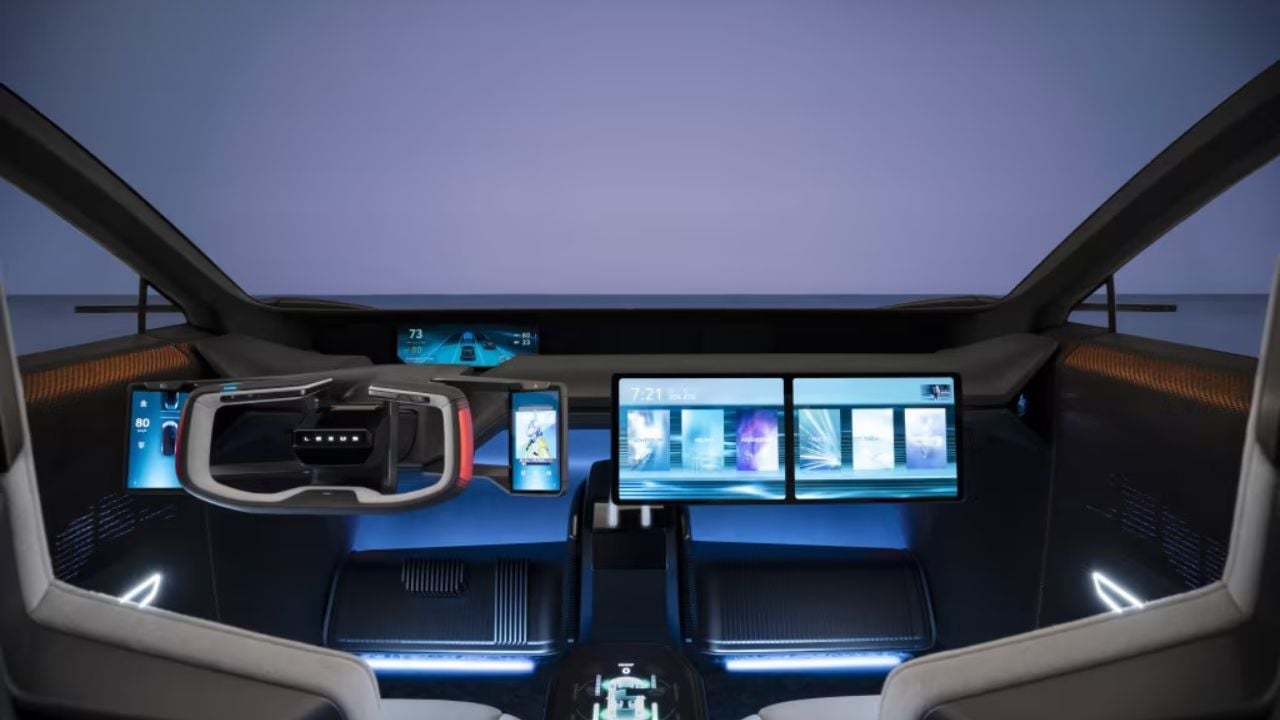
The LF-ZC may never reach showrooms, but it still helped show where Lexus designers and engineers wanted to take the brand. Its low shape, futuristic cabin ideas, and next-generation EV focus made it one of the company’s most ambitious recent concepts.
The market has moved, and Lexus has adjusted. That is becoming a familiar story across the industry as automakers rethink earlier electric timelines.
The important point is that Lexus is not abandoning EVs. It is choosing a more cautious path, led by models such as the TZ and future projects that can better match real demand.
The LF-ZC will remain part of the brand’s electric story, even without a production version. It may not become the flagship sedan Lexus once imagined, but its ideas could still shape the next generation of battery-powered models from the Japanese luxury brand.
This article was originally published by Autorepublika.com and is republished with permission. It has been reviewed and edited by Guessing Headlights.