Supercar concepts are some of the coolest and also most frustrating cars that manufacturers sometimes produce. On the one hand, they often look incredible, offering something unlike anything we’ve seen before. On the other hand, very few of them make it into production, which, for automotive enthusiasts, can sometimes be infuriating.
Manufacturers love to showcase some amazing ideas, often some that other automakers never would have thought of. Many of them have also had all the ingredients required to be superb production cars, but for various reasons they never make it to production. And there are plenty of those from America that are a testament to that.
We’ve taken a look at a handful of American supercar concepts that we wish we’d gotten, but that never got beyond the concept stage. Even if they’d only been produced in limited numbers, we’d loved to have seen these hit the roads for real.
Some have come from more established manufacturers that exist today, while others are from brands that are no longer with us. But all of these have one thing in common. We really wish they hadn’t just been concepts and had been cars we had the opportunity to drive.
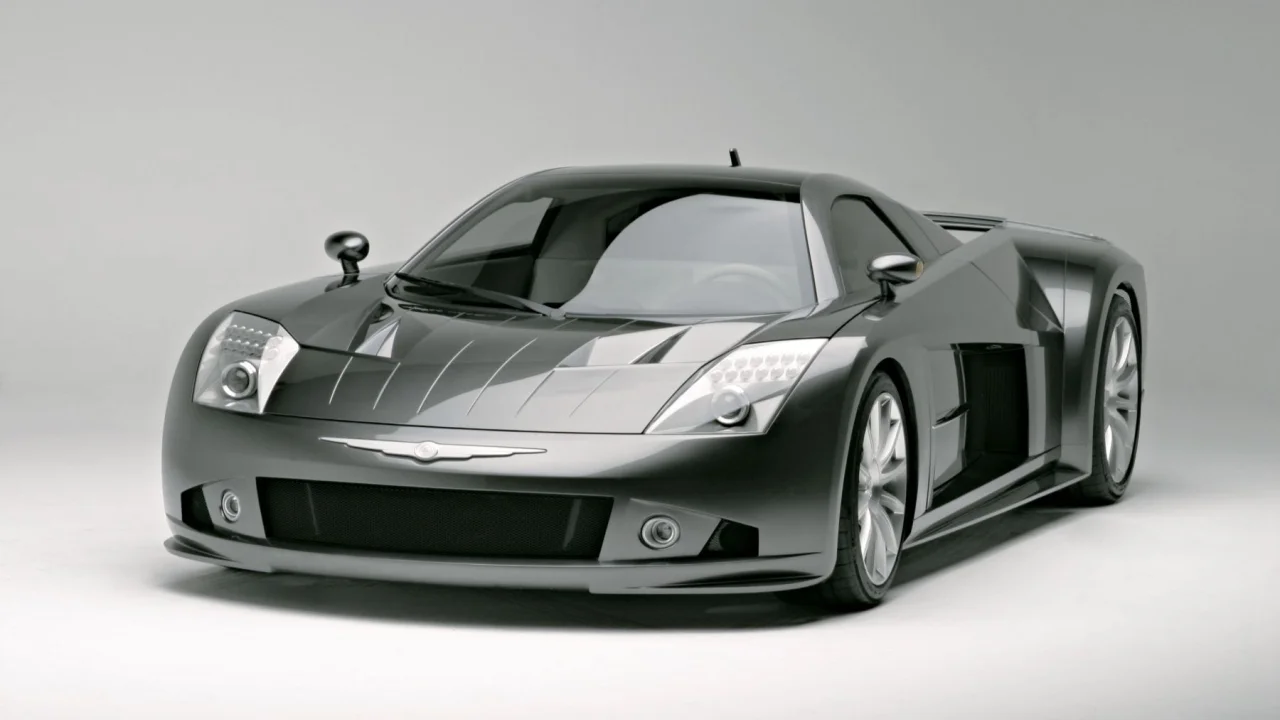
The stunning 2004 Chrysler ME Four-Twelve
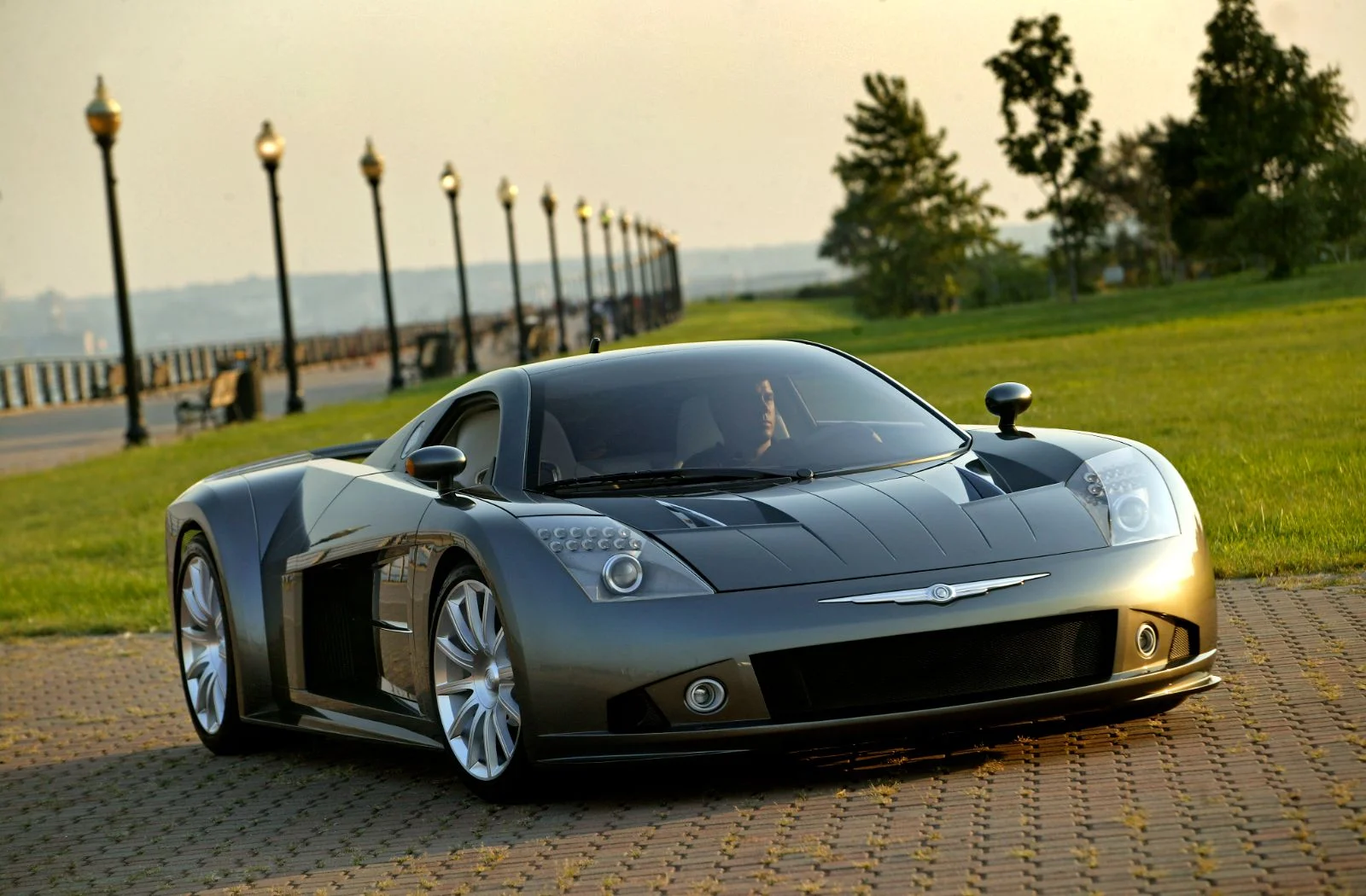
In the 2000s, Chrysler was firmly focused on luxury models, so anything resembling a supercar seemed incredibly unlikely. However, at the 2004 Detroit Auto Show, it took the covers off a mesmerizing supercar concept called the ME Four-Twelve, designed in-house with some assistance from Mercedes-Benz and AMG.
At the time, all the companies involved were under the Daimler-Chrysler umbrella, so it made sense for them to work together. But this was more than just a styling exercise. Under the hood, it had a Mercedes M120 6.0-liter quad-turbocharged V12 engine producing 850hp. The chassis was specifically designed by Chrysler for the concept, and it even boasted advanced independent suspension.
As with many concepts, it never made it into production. Financial reasons were primarily to blame, as is the case with a lot of the concept cars we have seen over the years. But this had all the right ingredients to be a winner, and it is a crying shame the ME Four-Twelve wasn’t put into production.
The 2005 Ford Shelby GR-1 was the ultimate GT40 successor
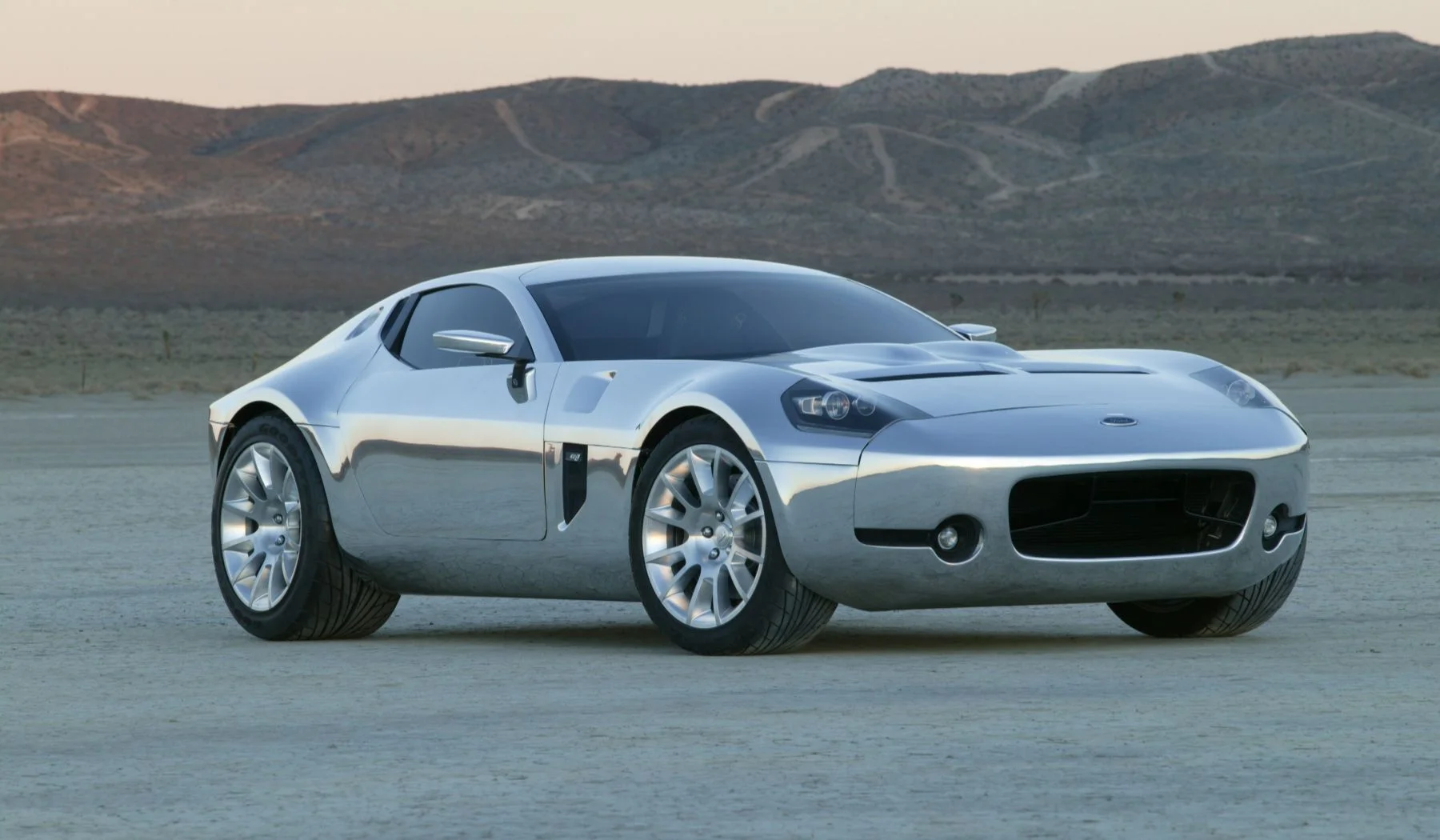
Even when the Ford GT supercar came along in the mid-2000s, you could argue the Ford Shelby GR-1 was the real successor to the GT40 that dominated Le Mans. This followed on from the equally impressive Shelby Cobra concept of 2004, with the 2005 car designed by George Saridakis and J Mays.
The car was built around a 2004 Ford GT, albeit heavily modified. But under the hood wasn’t a Modular V8. Instead, the GR-1 had a mighty 6.4-liter V10 powering it, producing up to 605hp, more than the GT could ever manage. At the time, it would have made it one of the most powerful American supercars ever produced.
Once again, though, finances played a part in it not entering production. Ford and Shelby feared the GR-1 would cut into the sales of the GT, which at the time was already well into production. This feels like a particularly big loss, as it could have added another incredible car to the Blue Oval’s lineup.
The still-born 1970 AMC AMX/3
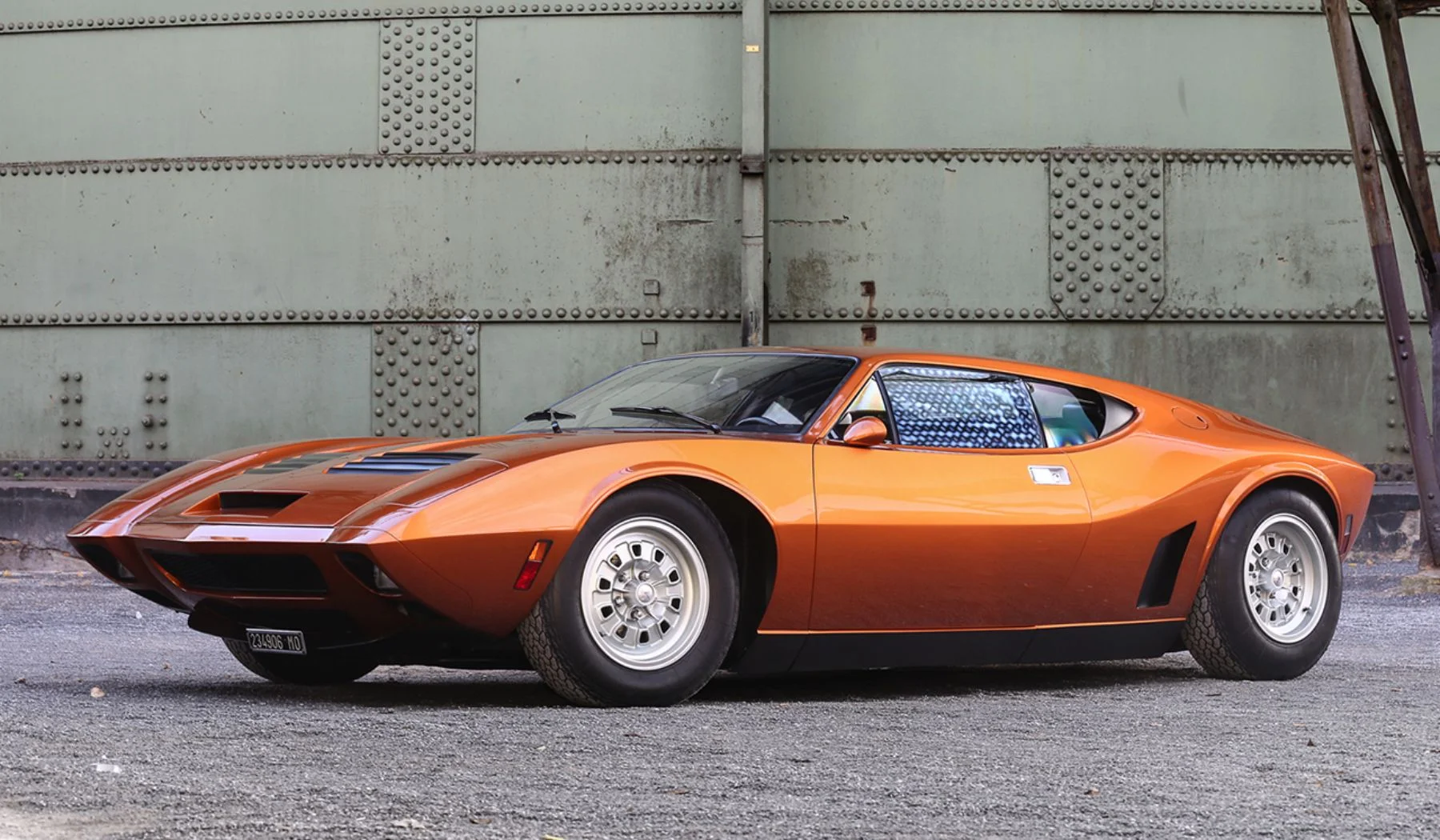
During the late 1960s, AMC looked to revitalize its image and draw in younger buyers. For years, it had been in the shadow of the Big Three brands from Detroit. The AMC AMX/3 was one of the ways in which the brand hoped to draw in more customers, and it was another concept car that looked to have the right ingredients.
Developed in partnership with Italian design powerhouse Italdesign, Giorgetto Giugiaro had a big role in the design of the supercar. It had a bespoke semi-monocoque chassis, with independent suspension tuned with the help of Giotto Bizzarrini. Power could come from a modified AMC 390 V8 engine, making 340hp in total. For the early 1970s, that was a very impressive figure.
Incredibly, the AMX/3 very nearly made it into production. AMC had serious plans to do so, but at the last second the American company scrapped those plans. It is arguably one of the biggest ‘lost concepts’ from American automotive history, and who knows what it might have done for the fortunes of the AMC company.