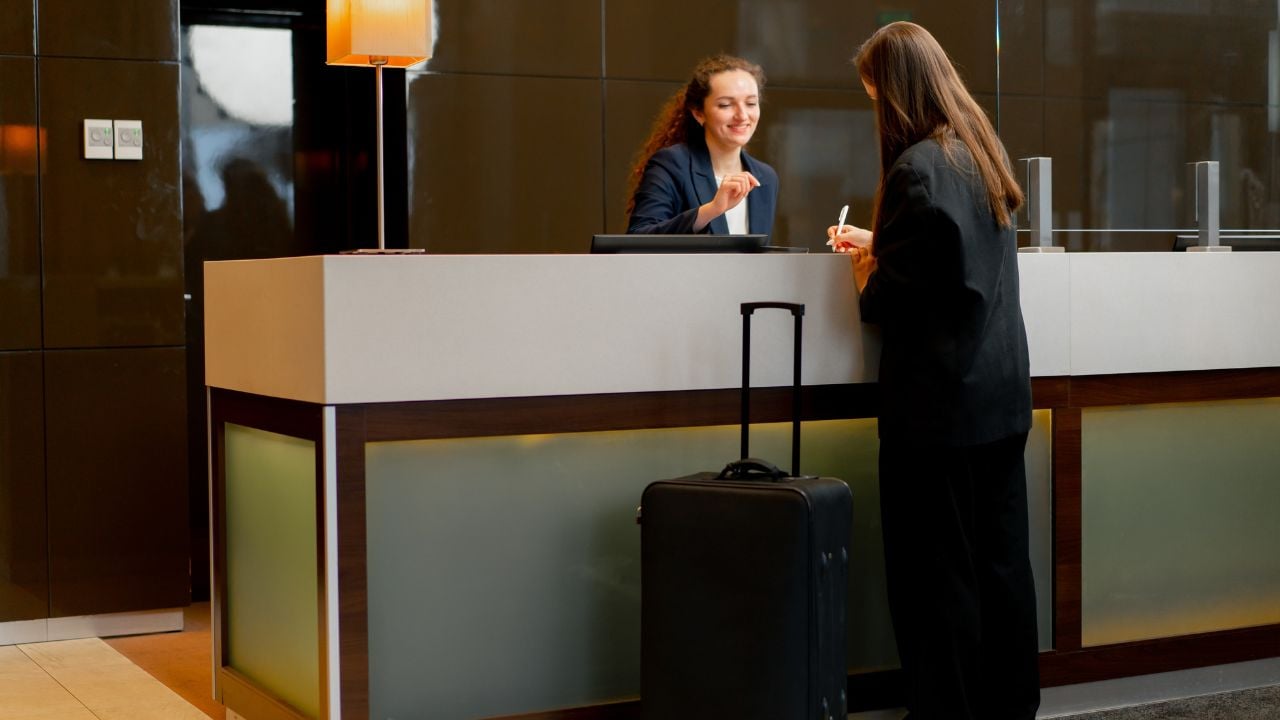
A hotel abroad can look familiar on a booking site, then feel different once the door opens. A “double room” may not mean two beds. A four-star rating does not guarantee a large room. An elevator may be tiny or absent. Air-conditioning may be seasonal. A city tax may appear at checkout or at the front desk.
American travelers are often used to larger rooms, clearer bed categories, 24-hour desks, strong climate control, ice machines, big bathrooms, and predictable parking. Hotels abroad can still be comfortable, charming, and well run, but the listing details need close reading before payment.
1. Room Descriptions May Not Match American Assumptions

Hotel room wording can cause problems before the suitcase even opens. A double room often means one bed for two people. A twin room usually means two separate beds. A family room may still have strict occupancy limits, and a sofa bed may count as one of the sleeping spaces. Travelers who need two real beds should not rely on the word “double.”
Star ratings do not solve the room-size question. Hotelstars Union says its hotel classification system uses numerous criteria, including room facilities, services, and catering. Its criteria for hotels also cover services, room features, food and beverage, leisure and event facilities, gastronomy, and online or quality activities.
Check the square footage, bed wording, bathroom setup, lift or elevator notes, window details, and occupancy rules before booking. A listing that looks stylish in photos can still leave two suitcases blocking the walkway or two friends sharing a bed they did not want.
Families should confirm children in writing. Some hotels count every guest toward the legal room limit, even when the child is small. A quick message about exact occupancy, bedding, and crib availability can prevent a front-desk argument after arrival.
2. The Price May Not Include Every Local Charge
The nightly rate is not always the final hotel cost. City taxes, tourist taxes, resort-style fees, breakfast charges, parking, cleaning fees, and payment surcharges can change the total by the time the stay is confirmed.
Amsterdam is a clear example. The City of Amsterdam lists tourist tax at 12.5% of the overnight price, excluding VAT, for hotels, hostels, guesthouses, apartments, short-stay rentals, campsites, and similar stays.
Compare the full checkout total, not only the first nightly price shown in search results. Look for lines marked “due at property,” “city tax,” “tourist tax,” “local charge,” “destination fee,” “cleaning fee,” or “breakfast not included.”
A cheaper room can lose its advantage once parking, breakfast, and taxes are added. A slightly higher rate with breakfast, airport access, or included parking may cost less across the full stay.
3. Passport Checks at the Desk Are Often Normal

Hotel check-in abroad can involve more paperwork than a typical U.S. stay. The front desk may ask for passports, addresses, nationality, arrival details, or a signed registration form. Keep the passport in a carry-on or personal bag, not buried at the bottom of checked luggage.
The EU’s Your Europe portal says some countries require visitors to report their presence, and when guests stay in a hotel, a special form is usually enough because the hotel handles the rest.
A U.S. driver’s license may not satisfy identity rules abroad. Hotels may need to see the passport or record the details from it. If reception wants to keep the passport for longer than a quick check, ask when it will be returned.
Store a secure digital copy separately from the original. It will not replace the passport at check-in or a border, but it can help with consular or police steps if the original is lost.
4. Amenities Should Be Checked One by One
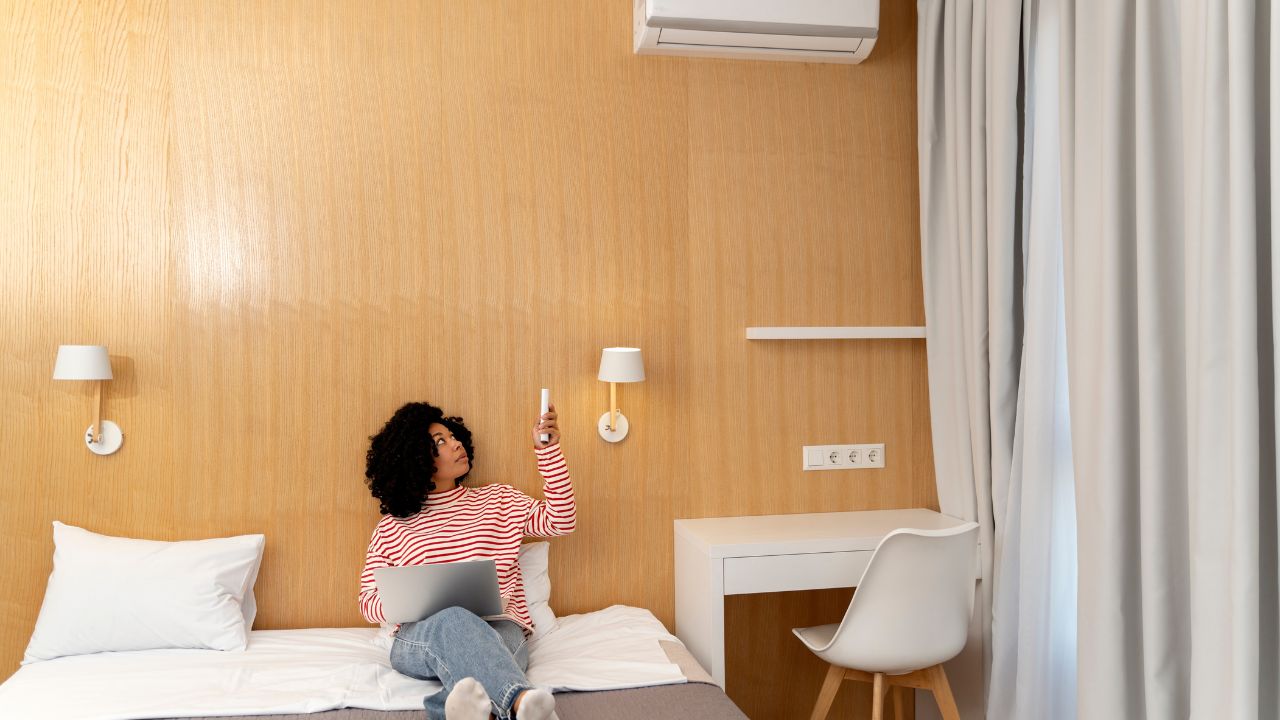
Some hotel comforts that feel automatic in the United States vary widely overseas. Air-conditioning, elevators, ice machines, large bathrooms, 24-hour reception, in-room coffee makers, washcloths, king beds, and strong showers are not guaranteed.
Older buildings can have steep stairs, small lifts, narrow corridors, compact showers, weak soundproofing, and rooms that stay warm in summer. In some hotels, air-conditioning may be seasonal, centrally controlled, or weaker than travelers expect. A listing may say “lift” instead of “elevator,” and the lift may not reach every floor.
Travelers with mobility or accessibility needs should contact the property directly before booking. The U.S. State Department advises that each destination has its own accessibility laws, and in some places there may be little or no legal requirement.
Ask clear questions: Is there step-free access from the street to the room? Does the elevator reach the booked floor? Are there stairs between reception and the elevator? Is the shower walk-in or inside a tub? Is air-conditioning available in the room during the travel month?
5. The Map Should Be Tested With Luggage

A hotel can look close to the center on a map and still be awkward on arrival. The walk may include cobblestones, stairs, steep lanes, bridges, underpasses, ferry steps, or a hill that feels much longer with luggage.
Check the real route from the airport train, main station, ferry port, parking garage, or bus stop. A ten-minute walk on flat pavement is different from a ten-minute climb through old streets with two suitcases.
Late arrival matters too. Look at the last metro, tram, train, or bus. Check whether taxis are easy to find near the station. Save the hotel address offline. Read recent reviews for noise, stairs, street safety after dark, reception hours, and how hard the hotel is to find at night.
A central hotel on a noisy bar street may be worse than a quieter room one stop away from the main sights. A hotel near the right train station, ferry stop, airport rail link, or museum area can save more effort than a prettier room in the wrong place.