
Rivian CEO RJ Scaringe believes the automotive industry is far closer to fully autonomous driving than most people realize. According to the Rivian founder, Level 4 self-driving capability could arrive before the end of the decade, potentially transforming the way people use cars entirely.
Speaking with Top Gear during an early drive of the upcoming Rivian R2, Scaringe laid out an ambitious vision for Rivian’s future. While many industry observers remain skeptical about autonomous driving timelines, he argued that recent breakthroughs in artificial intelligence have dramatically accelerated progress.
“The rate of change between 2026 and 2030, compared to what’s been happening in self-driving since 2010, is an order of magnitude faster,” Scaringe said during the interview.
For Rivian, autonomy is no longer some distant moonshot project. It is actually becoming central to the company’s long-term strategy.
Rivian Thinks AI Finally Solved The Biggest Problem
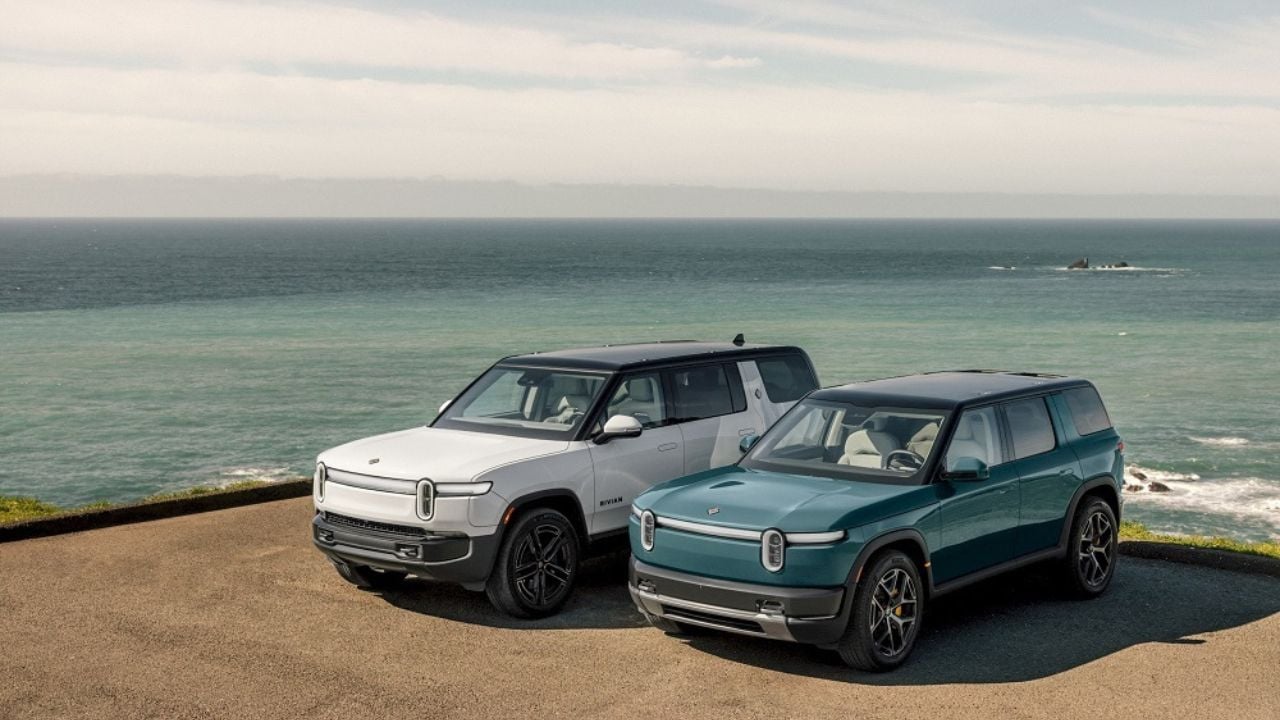
Scaringe explained that earlier self-driving systems struggled because they relied heavily on rigid rule-based programming. Engineers essentially tried to manually teach cars how to respond to every possible road situation.
That approach worked reasonably well in controlled conditions, but real-world driving is far too unpredictable for simple “if-then” coding to handle everything safely. Now, Rivian believes modern AI models have changed the game completely.
Instead of relying purely on hard-coded instructions, newer systems use neural networks and large driving models trained on enormous amounts of real-world data. According to Scaringe, Rivian vehicles continuously gather information that helps improve how the system interprets roads, traffic, and driver behavior.
“We’ve basically thrown away the rule-based environment,” he explained. Scaringe compared the technology’s evolution to the rapid rise of large language models like ChatGPT, arguing that AI systems are learning and adapting much more like humans than traditional software ever could.
Level 3 Could Arrive Soon
Rivian expects to make major progress in the near future. Scaringe claimed the company could move from today’s Level 2 driver-assistance systems to Level 3 autonomy within roughly 18 months.
That would allow drivers to take their eyes off the road in certain conditions while the vehicle handles driving duties itself. It remains a significant step beyond current hands-on systems offered by most automakers today.
Scaringe believes Level 4 autonomy, where the vehicle can operate entirely on its own without human intervention in specific environments, could follow by around 2028 to 2030. If that timeline proves accurate, it would represent one of the biggest technological transformations in automotive history.
“People will be very drawn to something that will give them time back when they’re in the car,” Scaringe said. That idea sits at the center of Rivian’s strategy. The company sees autonomy as something capable of fundamentally changing transportation, vehicle ownership, and even consumer expectations.
Rivian’s Software Strategy Gives It Confidence
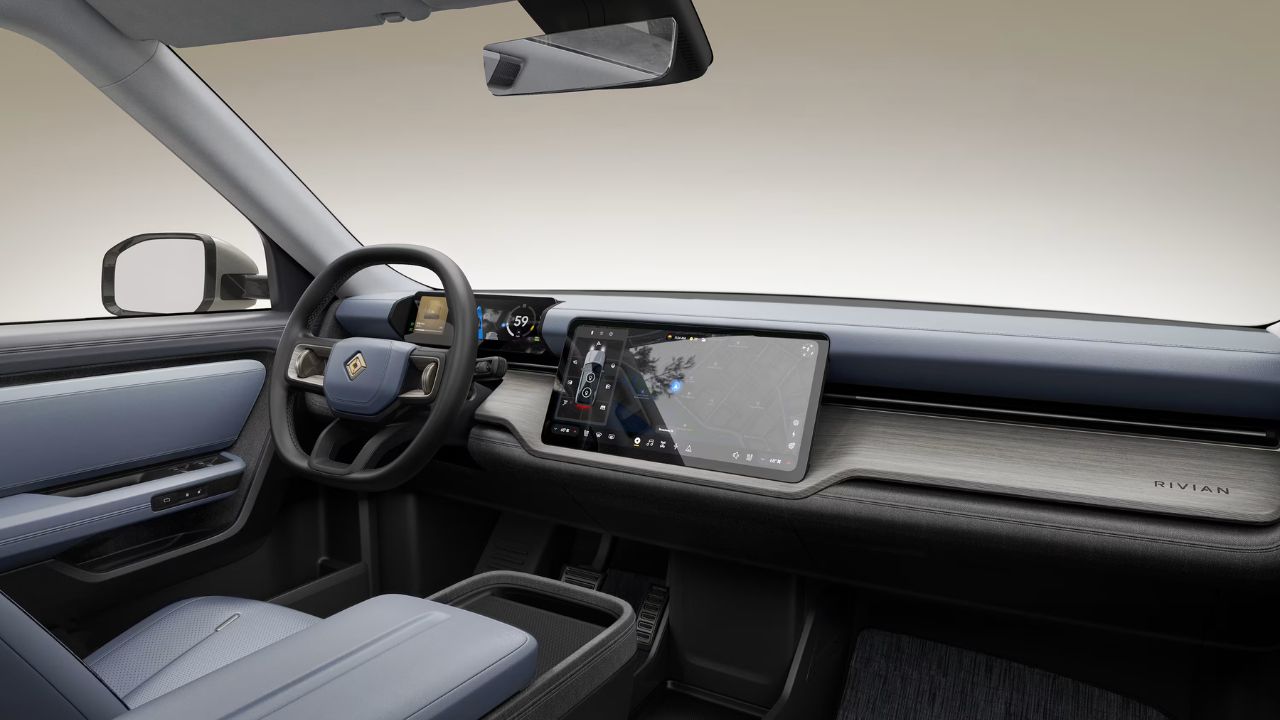
Part of Rivian’s confidence comes from how the company built its vehicles from the beginning. Unlike many legacy automakers that still rely on dozens of separate electronic control modules supplied by different companies, Rivian designed its vehicles around a centralized software architecture.
Scaringe was blunt about the challenges traditional automakers face. “A modern car — one that’s not a Tesla or Rivian — is an absolute train wreck because you have 100-plus ECUs with 100 different islands of code,” he said.
That fragmented approach makes software updates and advanced autonomous systems far more difficult to implement. Rivian, meanwhile, developed its vehicles more like consumer electronics, with vertically integrated software and centralized computing systems.
That software expertise also helped Rivian secure its massive $5.8 billion joint venture partnership with Volkswagen Group. The upcoming R2 is expected to play a major role in Rivian’s autonomy ambitions as well. Scaringe described the vehicle as an “ultimate data acquisition machine,” continuously gathering information to help improve Rivian’s driving models.
The Technology May Arrive Before The Regulations Do
Even if Rivian achieves the technological side of autonomy, major challenges still remain. Fully self-driving vehicles raise enormous legal, regulatory, and cybersecurity concerns that governments worldwide are still struggling to address.
Questions surrounding liability remain particularly complicated. If a self-driving car crashes while operating autonomously, determining responsibility becomes far more difficult than with a traditional vehicle.
Cybersecurity is another major concern. Vehicles that rely heavily on connected software systems could potentially become targets for hacking or malicious attacks if safeguards fail.
Public trust also remains a hurdle. While autonomous technology has improved significantly, many drivers are still uncomfortable surrendering full control to a computer.
Still, Scaringe clearly believes the new era is coming faster than most people expect. For Rivian, the company’s future may depend not only on building electric trucks and SUVs, but on becoming one of the industry leaders in software-driven transportation as the automotive world enters its next major transformation.