The Toyota RAV4 and Honda CR-V became default compact SUV answers for good reasons. They are practical, familiar, easy to recommend, and backed by brands many buyers already trust.
That does not mean every shopper should stop there. The small SUV market has grown into one of the most competitive parts of the industry, and several rivals now offer stronger warranty coverage, lower pricing, standard all-wheel drive, roomier packaging, or stronger feature value.
The best alternatives are not simply cheaper. They give buyers a clear reason to look beyond the usual Toyota and Honda choices, whether that reason is long warranty protection, hybrid efficiency, occasional third-row flexibility, standard traction, or a price that leaves more room for insurance, tires, and ownership costs.
Honda lists the 2026 CR-V gas models with 39.3 cubic feet of cargo space behind the rear seats and 76.5 cubic feet behind the first row, while CR-V hybrid models list 36.3 cubic feet behind the second row and 71.8 cubic feet behind the first row. Toyota lists the 2026 RAV4 with up to 37.8 cubic feet behind the second row. Those are strong benchmarks, which makes the right alternatives even more interesting.
Kia Sportage Hybrid
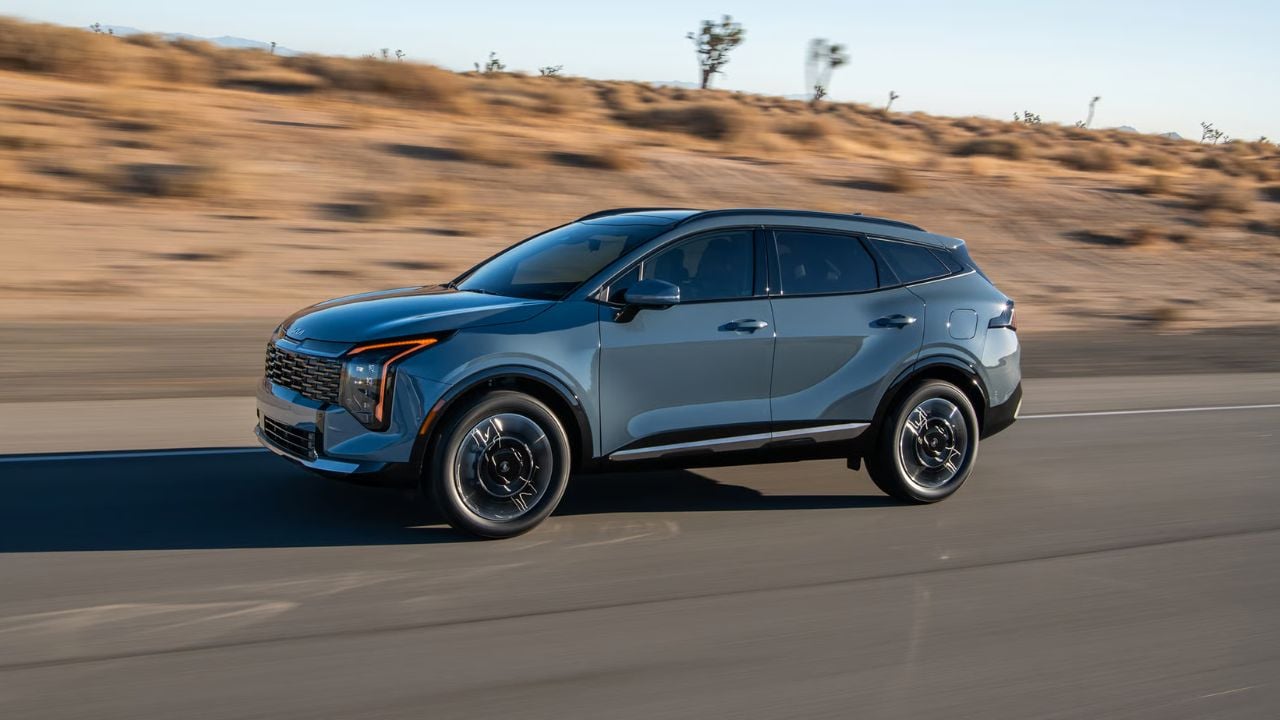
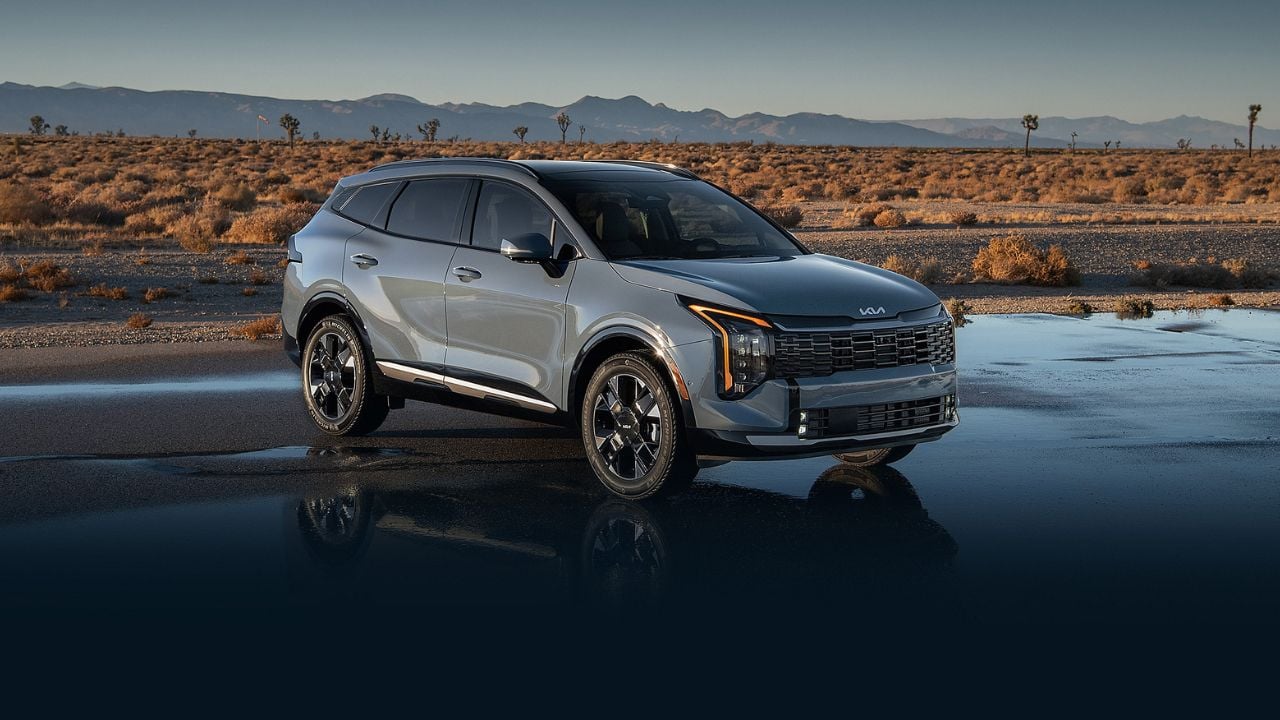
The Kia Sportage Hybrid gives RAV4 and CR-V shoppers one of the clearest reasons to compare: hybrid power, generous cargo space, and long warranty coverage in one package. Kia lists the 2026 Sportage Hybrid from $30,490 before destination, while Edmunds lists 39.5 cubic feet of cargo space behind the second row and 73.7 cubic feet with that row folded.
That gives the Sportage Hybrid a cargo edge over the RAV4 behind the rear seats and keeps it right in the CR-V conversation. It also makes the Kia feel less like a budget fallback and more like a serious compact SUV choice on its own terms.
Warranty coverage is another major part of the appeal. Kia promotes a 10-year or 100,000-mile limited warranty for the Sportage Hybrid battery pack, and Kia’s broader warranty story remains one of the biggest reasons shoppers compare the brand against Toyota and Honda.
The Sportage Hybrid also delivers useful everyday power. Kia lists the 2026 Sportage Hybrid with a 231 HP turbo-hybrid powertrain, giving it stronger response than many buyers expect from a value-focused compact SUV. For shoppers who want efficiency without settling for a plain cabin or short warranty, this Kia belongs near the top of the test-drive list.
Hyundai Tucson Hybrid
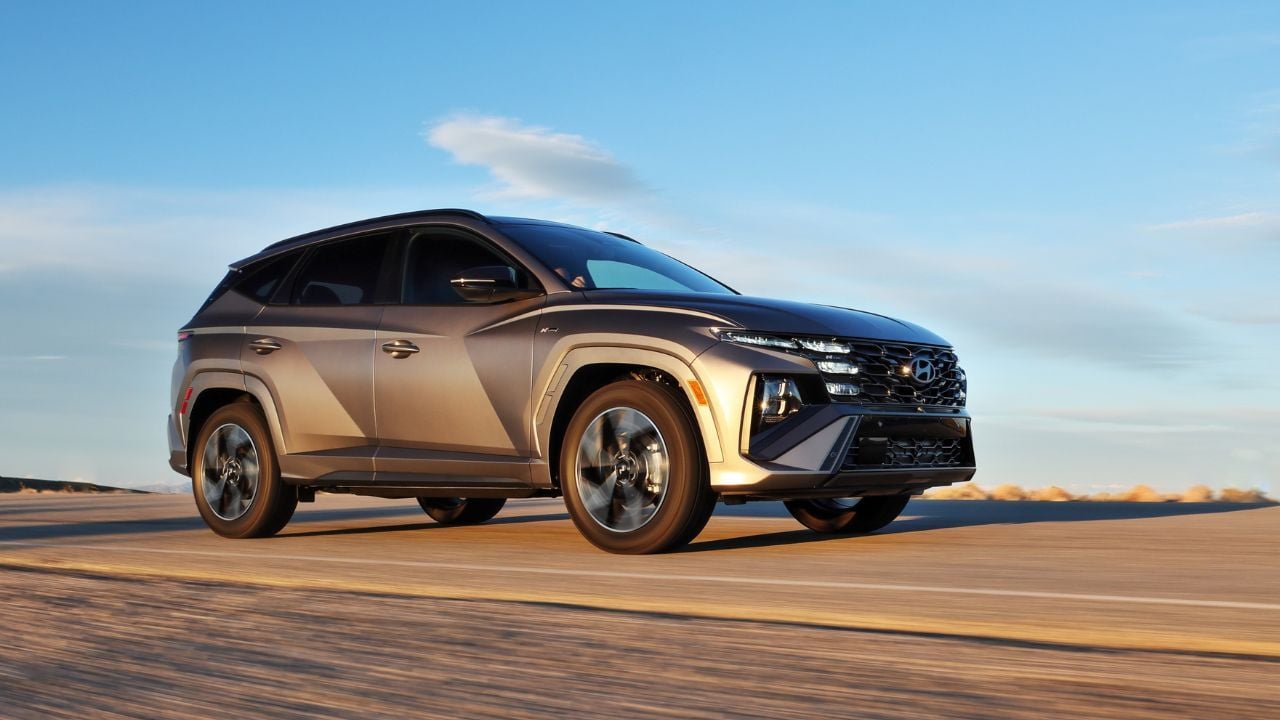
The Hyundai Tucson Hybrid gives buyers one of the best warranty-and-space combinations in the class. Hyundai promotes America’s Best Warranty, including a 10-year or 100,000-mile powertrain limited warranty, which immediately separates it from many default compact SUV choices.
Space is another strength. Hyundai’s 2026 Tucson specification sheet lists 38.7 cubic feet of cargo space behind the rear seats for the hybrid and 74.5 cubic feet with the rear seats folded. Edmunds also describes the Tucson Hybrid’s cargo area as one of the best in the small hybrid SUV class, with a low liftover height and a flat floor.
The Tucson Hybrid suits buyers who want a roomier, quieter, better-equipped compact SUV without moving into a luxury badge. It feels more substantial than some smaller alternatives, yet still gives shoppers hybrid efficiency and a strong warranty case.
Shoppers should confirm recall status before delivery or purchase, since NHTSA recall records show certain 2025 and 2026 Tucson, Tucson Hybrid, Tucson Plug-In Hybrid, and related Hyundai models were included in recent software-related recalls. Once that paperwork is clear, the Tucson Hybrid still offers a strong mix of warranty protection, cabin space, and hybrid value.
Mitsubishi Outlander
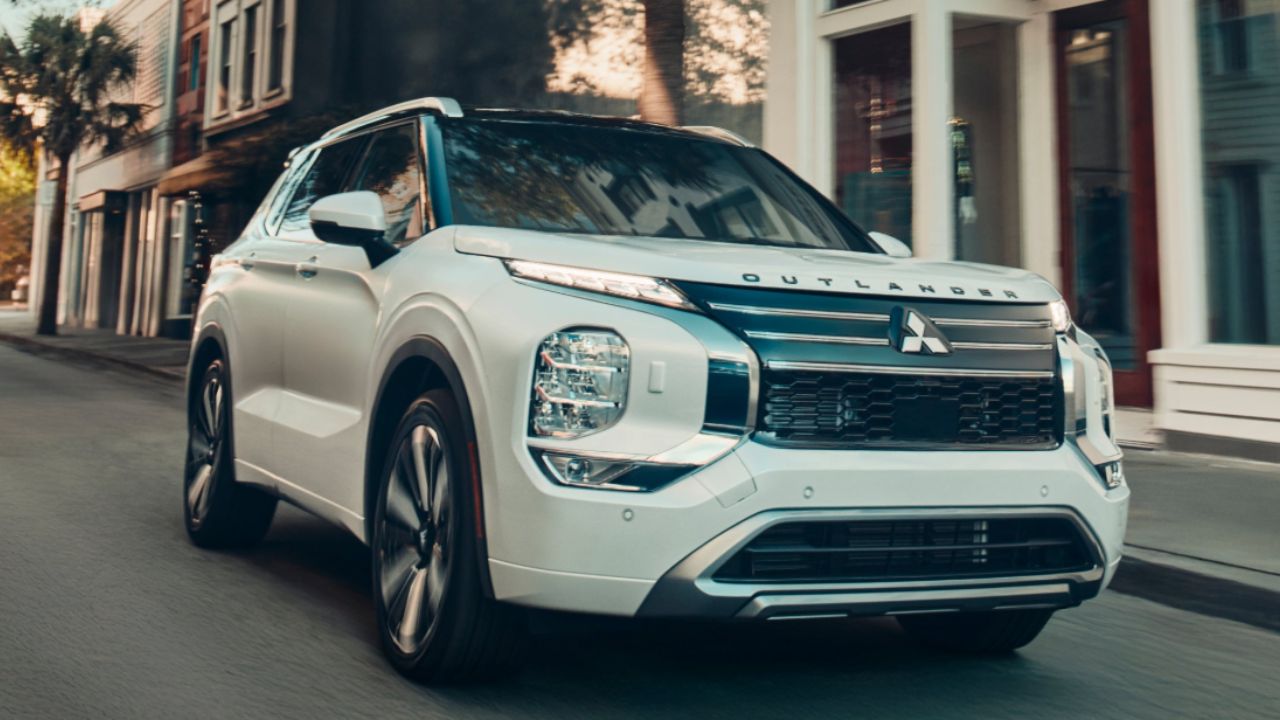
The Mitsubishi Outlander is easy to overlook, but it gives buyers something the RAV4 and CR-V do not: available three-row seating in a compact SUV-sized package. The third row is small, so it should be viewed as occasional seating for kids or short trips, not a full-time adult row.
That flexibility can still matter. Families that only need extra seats from time to time may find the Outlander useful in a way most compact SUVs cannot match. Car and Driver notes that adults will likely complain in the Outlander’s limited third row, while also pointing out that it folds flat when cargo space is needed.
Warranty coverage strengthens the case. Mitsubishi says its 2026 Outlander comes with a 10-year or 100,000-mile powertrain limited warranty, a 5-year or unlimited-mile roadside assistance plan, and 2 years or 30,000 miles of limited maintenance for eligible buyers.
The Outlander works best for shoppers who value equipment, warranty coverage, and flexible packaging over brand prestige. It will not have the same resale reputation as a RAV4, but it gives budget-conscious families a longer warranty and a cabin layout that can handle occasional seven-passenger duty.
Subaru Forester
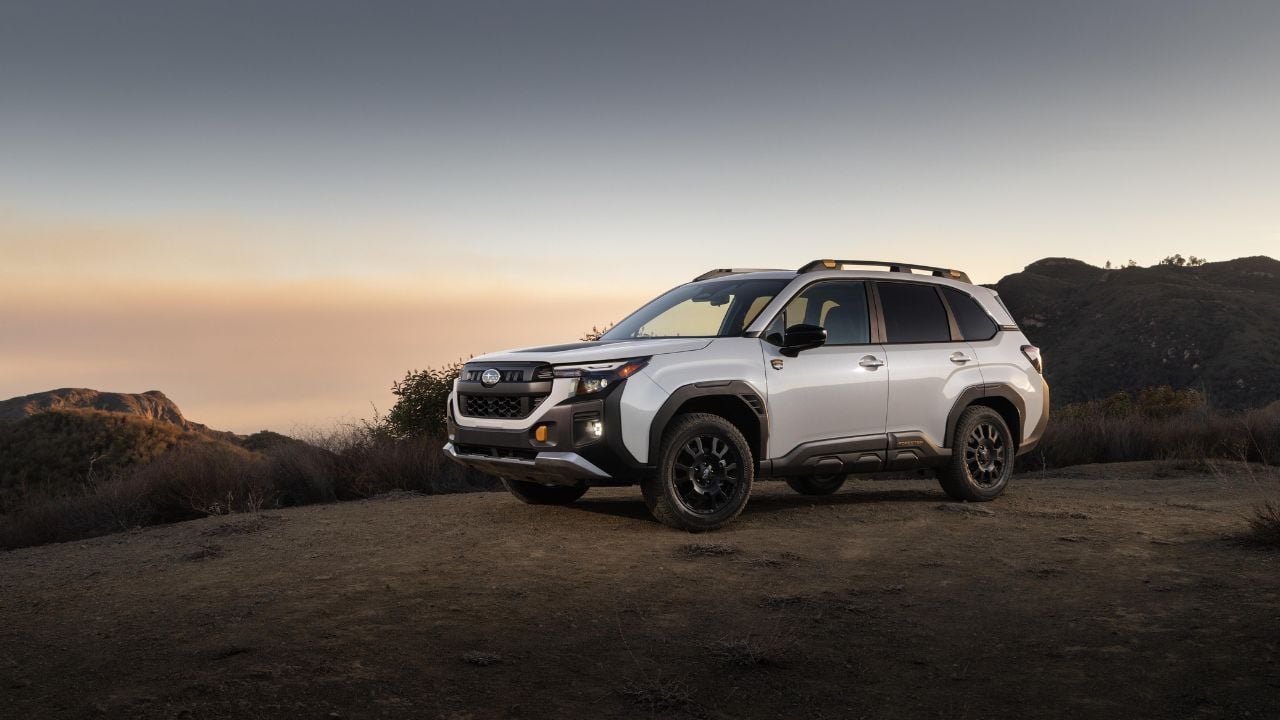
The Subaru Forester gives buyers standard all-wheel drive instead of making them pay extra for it. Subaru lists the 2026 Forester from $29,995 and says every Forester includes Symmetrical All-Wheel Drive, with gas models listed at up to 33 mpg highway.
That standard traction matters for buyers in snowy states, mountain towns, rainy regions, or rural areas. A RAV4 or CR-V can be equipped with all-wheel drive, but Subaru builds that capability into every Forester from the start.
Subaru also points to up to 110.8 cubic feet of passenger space, which it says is greater than the RAV4, CR-V, Hyundai Tucson, or Mazda CX-5. That makes the Forester feel especially practical for families, outdoor buyers, older drivers, and anyone who values visibility and easy access.
The Forester’s value is not flashy. It comes from tall glass, cargo friendliness, simple everyday use, and traction confidence. Buyers who care about winter driving, outward visibility, and easy loading should put it on the list before defaulting to the usual compact SUV choices.
Chevrolet Trax
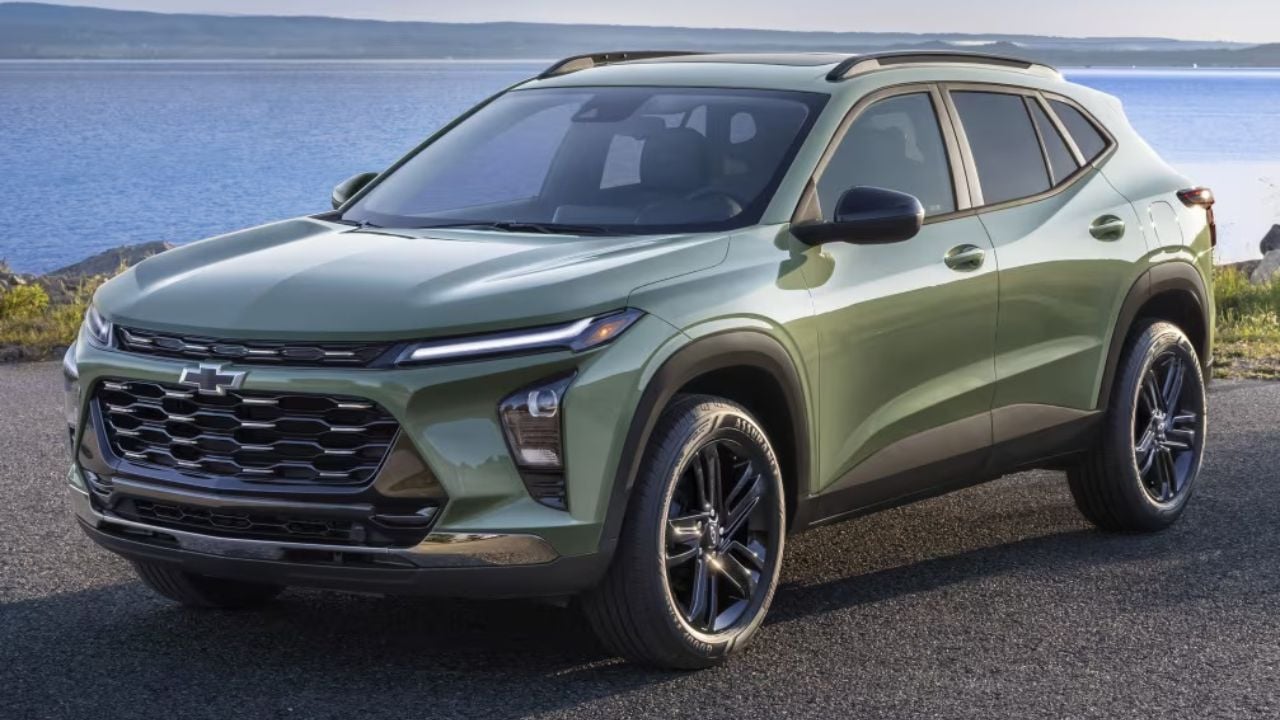
The Chevrolet Trax attacks the value question from the other end of the market. Chevrolet lists the 2026 Trax LS from $21,700 before destination, while destination-included pricing from major pricing guides places the entry model in the low $23,000 range. Either way, it sits far below typical RAV4 and CR-V transaction territory.
The Trax also uses its size well. Chevrolet lists 54 cubic feet of maximum cargo space, a 60/40 split-folding rear seat, and seating for five adults. Car and Driver’s 10Best coverage also praised the Trax for generous passenger and cargo space, an easy-to-use infotainment system, intuitive controls, and a refined feel for its price.
This is not the choice for buyers who need all-wheel drive or strong acceleration. It is the choice for shoppers who want a new SUV-shaped vehicle with adult-usable space, low pricing, and enough features to make daily driving feel civilized.
For city drivers, students, small households, and budget-focused commuters, the Trax makes the default compact SUV payment look much less automatic. It is not a direct RAV4 or CR-V replacement in capability, but it may be a much smarter purchase for buyers who mainly need space, price relief, and a new-car warranty.
Chevrolet Equinox
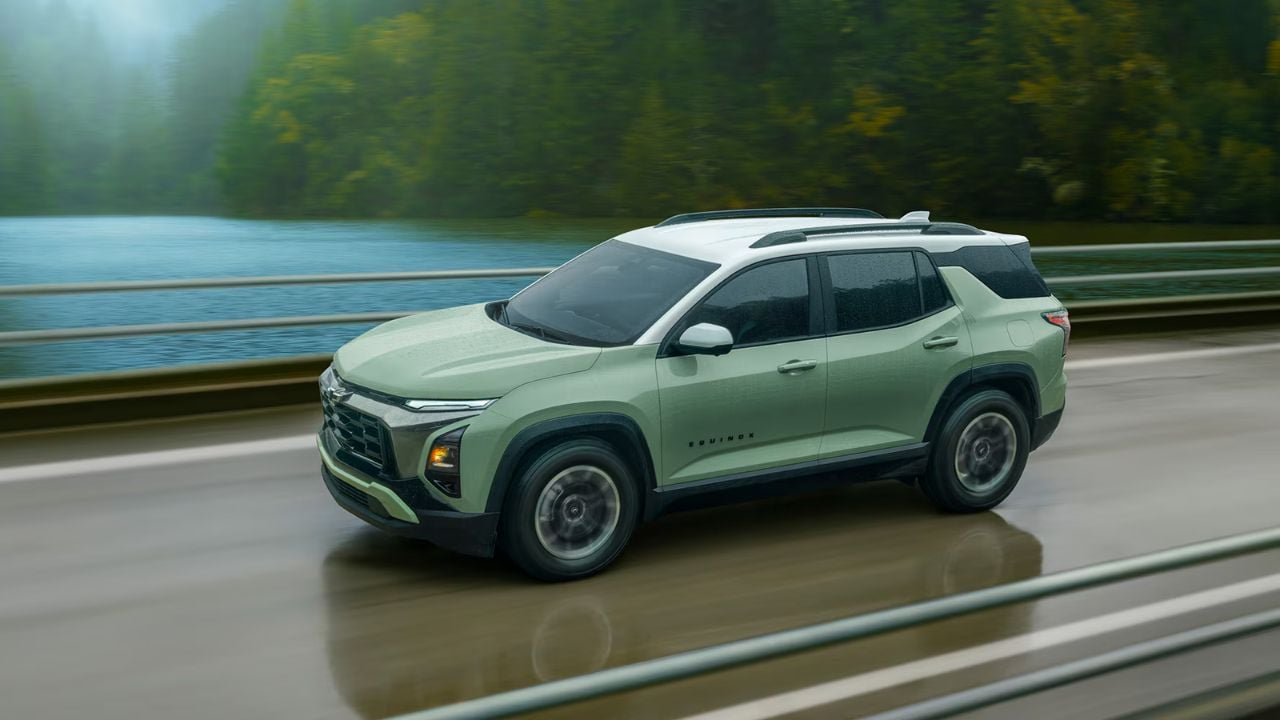
The Chevrolet Equinox offers a straightforward value case for buyers who want a larger compact SUV feel without paying Toyota or Honda money. Chevrolet lists the 2026 Equinox LT from $30,795 on its configurator, while the brand also lists 63.5 cubic feet of maximum cargo volume.
That maximum cargo number trails the CR-V and some larger rivals, but the Equinox still gives families a useful interior, a broad trim range, and a redesigned cabin with modern screens and safety tech. It also starts below many well-equipped compact SUVs once shoppers compare features across trims.
The Equinox fits buyers who want a new, comfortable, easy-to-understand SUV with mainstream dealer support and a lower starting point than many default choices. It is not the most exciting option here, but value shoppers often care about payment, equipment, space, and warranty access first.
For buyers who want something familiar but not quite as expensive as the obvious picks, the Equinox makes a simple argument. It gives them a normal compact SUV experience without forcing the shopping list to begin and end with Toyota or Honda.
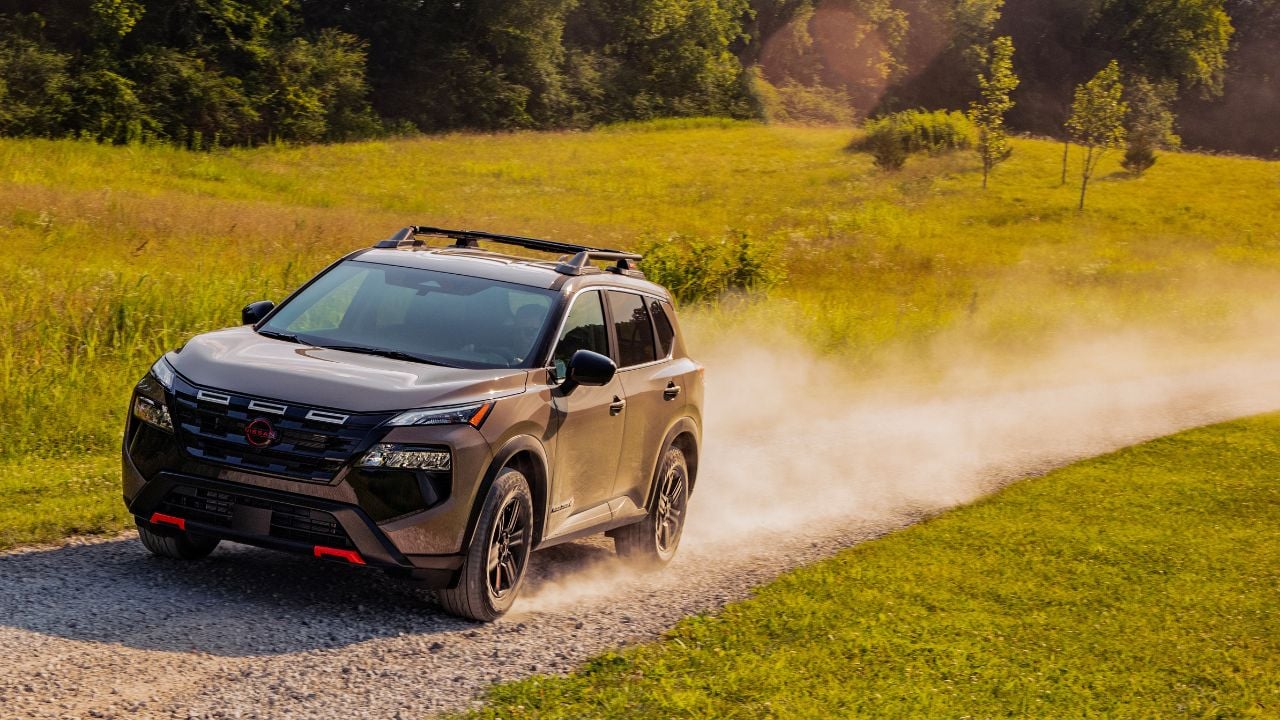
Nissan Rogue
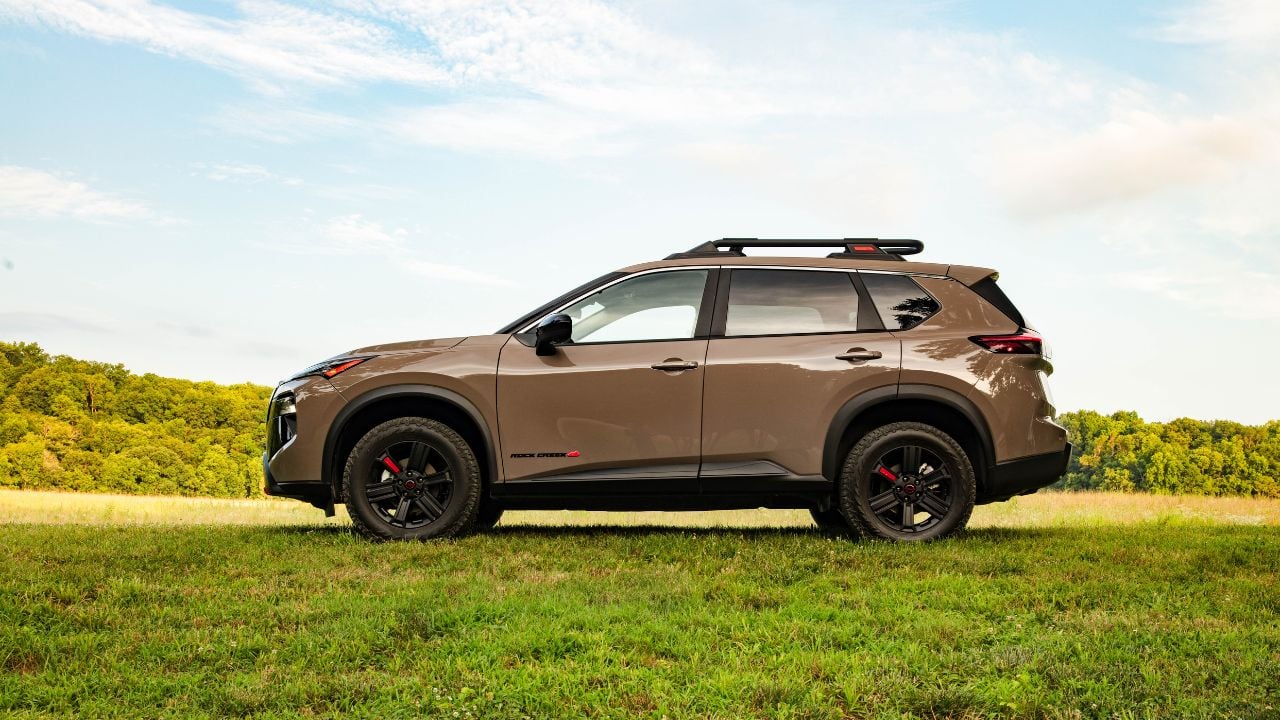
The Nissan Rogue gives buyers a strong blend of fuel economy, usable torque, and feature availability. Nissan lists the 2026.5 Rogue SV FWD from $30,490, while the broader Rogue lineup starts lower with the base S grade.
The Rogue’s 1.5L VC-Turbo engine is rated at 201 HP and 225 pound-feet of torque, giving it competitive response for normal commuting and highway passing. Nissan rates the front-wheel-drive SV at 29 mpg city, 36 mpg highway, and 32 mpg combined.
The Rogue works for buyers who want a comfortable compact SUV with strong fuel economy and a cabin that feels easy to use. It does not beat Toyota or Honda on reputation alone, but its efficiency, torque, and pricing give shoppers a real reason to compare before signing for a default choice.
It is especially worth a look for commuters who want better mileage without moving into a hybrid. The Rogue’s small turbo engine gives it a different feel from the naturally aspirated engines many shoppers expect in this class.
Volkswagen Tiguan
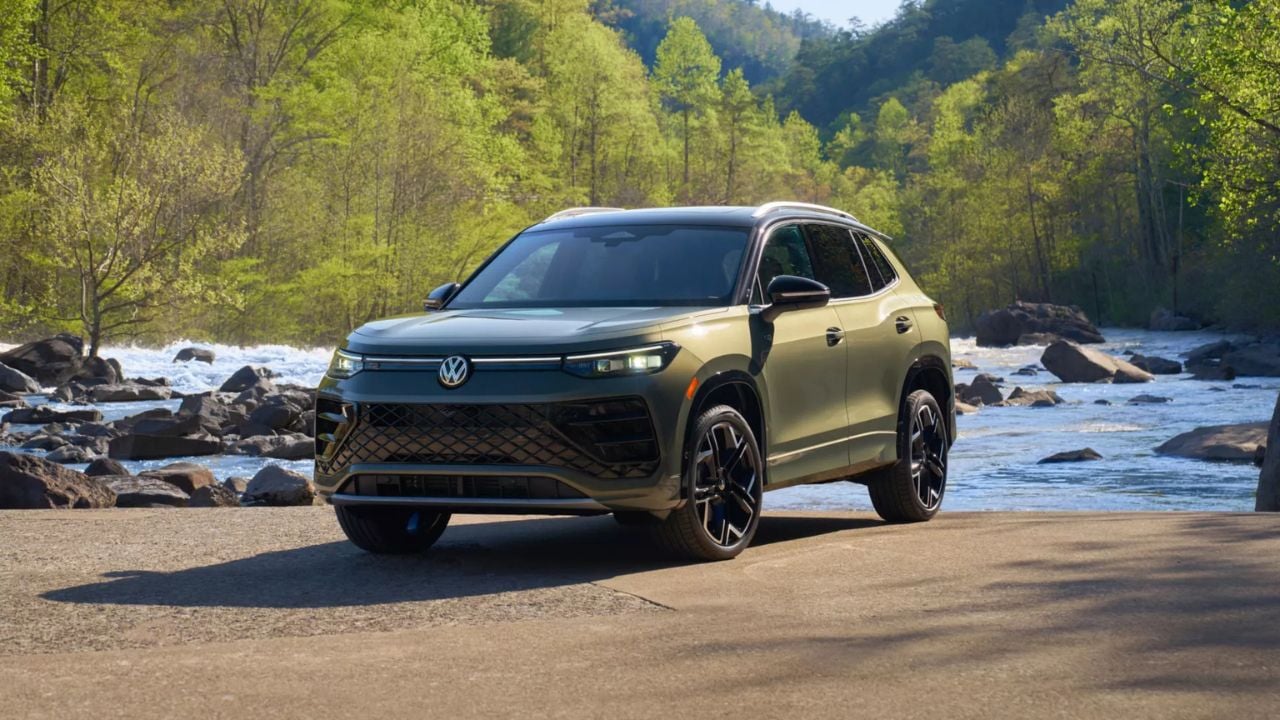
The Volkswagen Tiguan gives buyers an alternative value angle: a longer basic warranty than many mainstream competitors. Volkswagen lists a 4-year or 50,000-mile new vehicle limited warranty for the 2026 Tiguan, while Edmunds lists the 2026 Tiguan S from $30,805 with 33.8 cubic feet of cargo space behind the rear seats and 29 mpg combined.
The Tiguan also brings a different cabin personality from the RAV4 and CR-V. It feels more European in its steering, seating position, and dashboard layout, and the redesigned model gives buyers a modern compact SUV with a more premium atmosphere than some mainstream rivals.
It will not be the lowest-cost choice over every ownership category, and buyers should compare service costs carefully. Still, the Tiguan’s longer basic warranty, comfortable cabin, and useful cargo room make it a smart test drive for shoppers who want something less predictable than the segment defaults.
For buyers who find the RAV4 too familiar or the CR-V too expected, the Tiguan offers a different flavor without leaving the compact SUV class.
The Better Buy Depends On What The Default Choices Leave Out
The RAV4 and CR-V remain strong compact SUV choices. Their popularity comes from real strengths, not luck. The better question is whether they give each buyer the best answer for the money.
Kia, Hyundai, and Mitsubishi bring longer warranty protection. The Sportage Hybrid and Tucson Hybrid add roomy cargo areas with hybrid efficiency. The Forester gives every buyer standard all-wheel drive. The Trax delivers serious price relief. The Equinox keeps mainstream comfort and dealer access at a competitive starting point. The Rogue brings strong fuel economy and useful torque. The Tiguan adds a longer basic warranty and a different cabin feel.
A smart small SUV purchase should start with the buyer’s actual need. Warranty protection matters for long ownership. Cargo space matters for families and weekend gear. Fuel economy matters for commuters. Standard all-wheel drive matters for snow and rough weather. Price matters for everyone.
The default choice is not always the wrong choice. It is simply the starting point. The smartest buyer keeps shopping until the warranty, space, features, and payment all fit the life the SUV has to serve.